Iran's Path to 'De-Dollarization': When Weapons Begin to Be Settled in Cryptocurrency
Iran's "De-Dollarization" Path: When Weapons Begin to Be Settled in Cryptocurrency
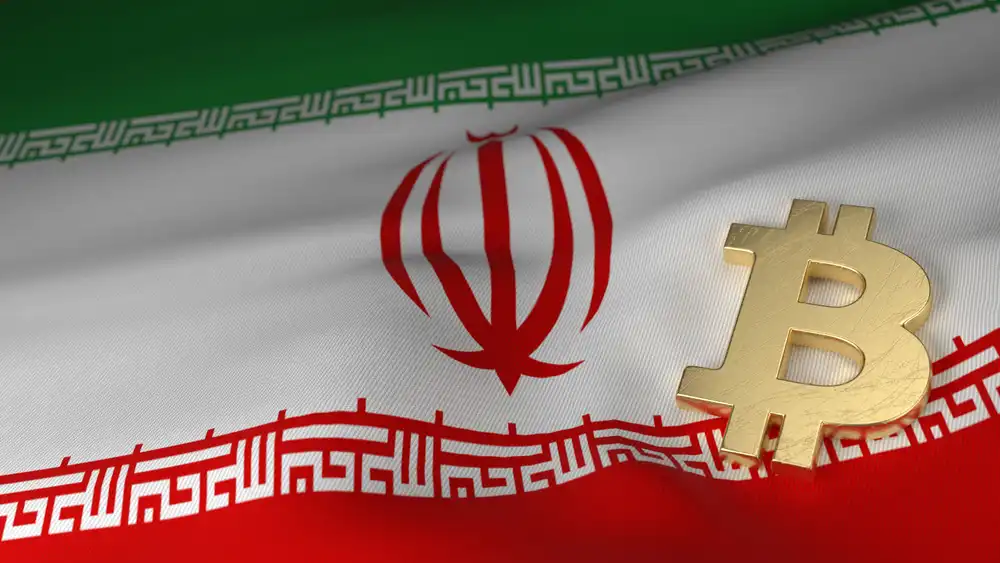
Iran has officially integrated cryptocurrency into its national survival and foreign strategy, as evidenced by its defense export center Mindex accepting crypto, barter, or rial for military contracts as of January 2026. This move highlights crypto’s role as an "anti-sanction financial tool" in one of the most sanctioned and regulated sectors: arms trade.
Driven by severe constraints—including a depreciating rial, severed international banking ties, and high-risk energy and weapon export channels—Iran has turned to crypto to meet economic targets. In 2025, parliamentary leaders emphasized that without crypto, Iran could not achieve its goal of a 10% digital economy share.
Iran is now the world’s fourth-largest cryptocurrency mining hub, leveraging subsidized electricity. Stablecoins, especially USDT, have also become critical for liquidity—reportedly facilitating around $1.5 billion in transactions linked to entities like the Islamic Revolutionary Guard Corps.
During a nationwide internet blackout in January 2026, crypto demonstrated resilience through offline workarounds like satellite networks (Starlink, Blockstream), Bluetooth mesh systems (Bitchat), and SMS-based Bitcoin transfers (Machankura).
Iran’s experience reflects a broader trend: nations like Russia and Venezuela are also using crypto to bypass sanctions, transforming it from a financial innovation into a strategic geopolitical tool for value transfer and access to global markets.
marsbit3 год тому