US Media Reveals the Inside Story of Sora's Shutdown: Losing Millions Daily, User Base Halved, and Facing Talent Poaching from Competitors

marsbit2026-03-30 tarihinde yayınlandı2026-03-30 tarihinde güncellendi

Özet

OpenAI has abruptly shut down its Sora video-generation tool, a project once hailed as the next consumer AI frontier after ChatGPT. Initially launched with high expectations, including a major partnership with Disney, Sora allowed users to insert themselves into various video scenes. However, it quickly became a significant financial drain, reportedly losing about $1 million daily. Its user base peaked at roughly one million before halving, and it consumed excessive computational resources needed for OpenAI's core priorities, such as its upcoming "Spud" AI model and enterprise productivity tools. Facing stiff competition from rivals like Anthropic and a strategic shift towards AI agents and coding tools ahead of its IPO, OpenAI decided to reallocate resources. Key researchers behind Sora were also targeted in a Silicon Valley talent war, with Meta's CEO personally attempting to recruit them. The shutdown shocked Disney, which had planned to invest $1 billion and use Sora across its operations. The deal has now collapsed, and Disney is exploring other AI partnerships. OpenAI will focus its efforts on robotics and other long-term projects.

Earlier this month, when OpenAI CEO Sam Altman arrived in Los Angeles to attend Vanity Fair's post-Oscars party, his company was just weeks away from licensing the Sora video generation tool to major Hollywood studios.

Following the massive success of ChatGPT, Sora was hyped as the next consumer-facing AI frontier. This simple app allowed users to place themselves and their friends into various video scenes, whether dribbling like the Harlem Globetrotters or engaging in a lightsaber duel with the Star Wars character Darth Vader.

Then-Disney CEO Bob Iger was also optimistic about its prospects, agreeing to invest $1 billion in OpenAI and allowing characters from the studio's Marvel, Pixar Animation, and other properties to appear in Sora-generated videos. Equally important, amid widespread industry concerns about AI's threat to creative work, he lent the emerging technology the valuable seal of approval from Disney.

Computational Burden

However, OpenAI suddenly decided to shut down Sora.

Disney executives were shocked, many of them learning of the decision less than an hour before it was announced. What they didn't know was that Sora had quietly become a major burden for OpenAI in the months following its launch, especially as the startup was tightening its business focus ahead of its initial public offering (IPO).

At the time, OpenAI was just weeks away from completing a new AI model codenamed "Spud" and needed to free up more computational resources to support the coding tools and enterprise products running on that model. AI chips are the most precious resource for any top research lab, and at OpenAI, Sora was consuming too many of them.

Moreover, Sora was not yet profitable, and every user who "stitched" themselves into a WWII newsreel or a Hollywood chase scene was consuming finite computing resources.

Strategic Miscalculation

Today, Sora looks like a costly strategic miscalculation, and the key employees who led the project are at the center of the AI talent war sweeping Silicon Valley.

Altman described the decision to shut down Sora as a difficult but necessary sacrifice for the company to achieve its larger goals. In a memo to employees, he wrote that he was encouraged to see everyone willing to make "tough trade-offs" for the company's benefit.
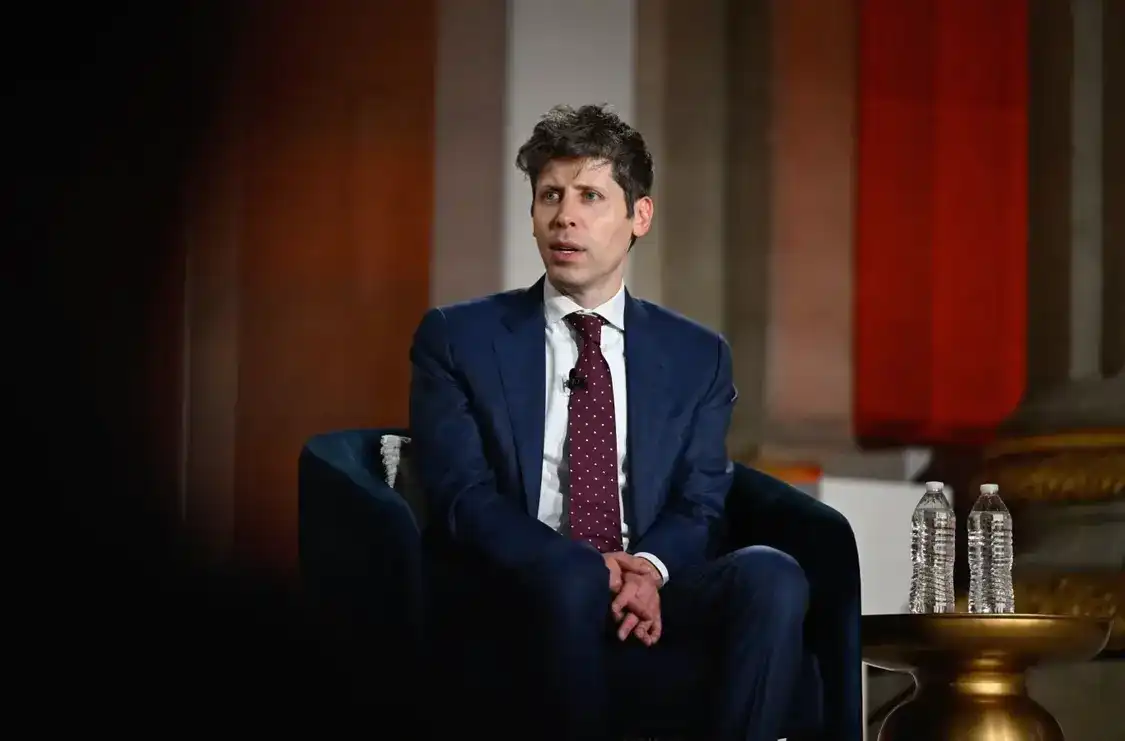
Altman

The decision marked a stunning conclusion to a project Altman had once pinned high hopes on. He had dreamed of using Sora to position OpenAI as the creative pioneer of the AI era and bring in substantial new revenue streams for the company.

Two years ago, OpenAI first showcased Sora to the world, presenting dreamlike landscapes generated by the technology, reminiscent of Hayao Miyazaki's fantasy worlds or the surrealist paintings of Salvador Dalí. When OpenAI launched the standalone Sora app for consumers last September, Altman compared it to the company's initial release of ChatGPT.

However, the app never became as popular as its developers envisioned. It was more akin to low-quality AI-generated content than an AI creative marvel. By the end of last year, its usage had plateaued.

Shortly after its launch, the global user base peaked at around 1 million but never reached that level again. According to data from AI research firm Similarweb, user numbers dropped below 500,000 in the following months.

A person familiar with the matter revealed that Sora was losing approximately $1 million per day. As OpenAI tightened its purse strings ahead of the IPO, company executives began scrutinizing Sora more strictly, and the results were not to their satisfaction.

At the time, OpenAI's research team was about to begin training a new model designed to power video generation features for ChatGPT. Unlike language models that learn from text, video models need to understand the entire dynamic world, making their creation significantly more expensive. After carefully calculating the required costs, OpenAI decided to cancel Sora.

OpenAI plans to shift its focus to a new type of "super app" it is building, which will integrate so-called AI agent tools capable of autonomously performing tasks for users, such as writing software, analyzing data, and booking travel. These productivity-focused products are gradually gaining widespread adoption in the labor market, and OpenAI currently lags behind competitor Anthropic in the race for this market, posing a threat to its leading position in the AI competition.

Altman told employees that the Sora team would next focus on longer-term strategic initiatives like robotics.

An OpenAI spokesperson said the company is rigorously prioritizing computational resources based on the areas that can deliver the greatest long-term economic value. She stated: "This careful focus on where we deploy compute allows us to achieve growth, accelerate innovation, and serve businesses and developers more efficiently."

Zuckerberg's Talent Poaching

Sora was the brainchild of Tim Brooks and Bill Peebles. The two researchers became close friends while pursuing their PhDs at UC Berkeley. They joined OpenAI in early 2023 with the goal of building models capable of simulating the physical world by generating high-quality video from text.

Sora was part of OpenAI's World Simulations team, led by Aditya Ramesh. This department operated independently from OpenAI's core research team, which builds the large language models powering ChatGPT.

Last spring, Meta CEO Mark Zuckerberg launched a full-scale talent war against OpenAI, personally contacting dozens of OpenAI's top researchers with lucrative compensation packages to lure them to his new AI lab. One of his targets was Peebles, who received an offer and briefly considered joining Meta.

According to people familiar with the matter, OpenAI managed to retain Peebles by giving him a raise. Shortly thereafter, his responsibilities on the Sora project expanded. Peebles oversaw the training of a new version of the video generation model and the development of the Sora consumer app.

Disney's AI Dream

Despite Sora's daily losses of $1 million, OpenAI had tried to find a viable path for it. Last December, it announced a multi-year agreement with Disney, securing licensing rights to use over 200 characters from the entertainment giant's film library. As part of the deal, Disney agreed to become a major customer of OpenAI and invest $1 billion in it.

Iger, in an interview with CNBC, said the deal gave Disney an opportunity to participate in the rapid development of AI and new forms of media entertainment. Altman said he hoped the collaboration would offer users a new way to engage in creative expression with AI.
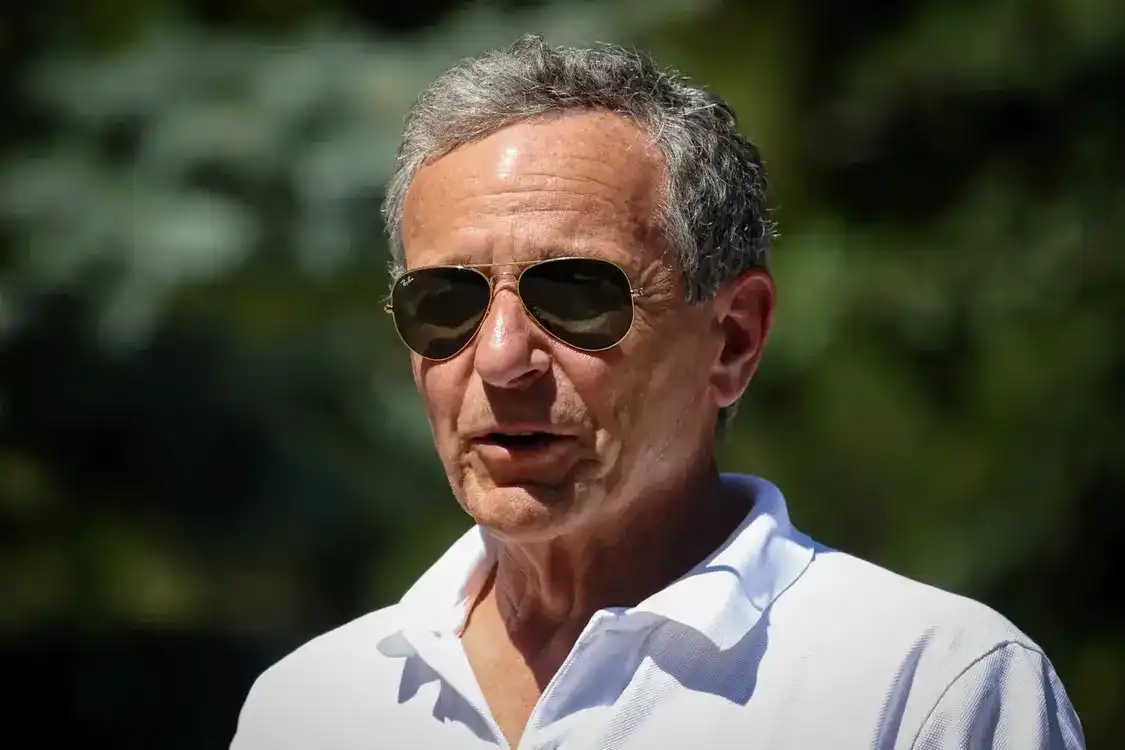
Then-Disney CEO Iger

For Disney, the deal demonstrated a viable business model for AI licensing around its intellectual property. Just a day before announcing the agreement with OpenAI, Disney had sent a cease-and-desist letter to Google, accusing the tech giant of "massive copyright infringement of Disney's works."

Cloud Service Solution

In February, Iger said on an earnings call that short videos generated by Sora would soon appear on the Disney+ streaming platform, which was preparing to launch a vertical video feed. According to people familiar with the matter, Disney was also in talks with OpenAI about using ChatGPT company-wide.

In recent weeks, OpenAI began piloting an enterprise version of Sora, allowing companies like Disney to use the tool with security guarantees. Disney had expected to roll out this tool as early as this spring. It would have allowed select Disney executives to use Sora for everything from marketing campaign design to special effects production, without OpenAI having access to their work.

However, OpenAI was already considering how to withdraw from the Sora project. The gap with competitor Anthropic widened further. Anthropic's recent technical progress reignited concerns that AI could replace traditional software and services, briefly causing a dip in software stocks. OpenAI realized it needed to devote more resources to building these so-called productivity tools and began deprioritizing certain areas.

After initially planning to continue offering video generation features through ChatGPT, the company ultimately decided to shut down Sora completely.

Disney's planned $1 billion investment in OpenAI ultimately did not materialize, and the relationship between the two is effectively stalled.

According to a person familiar with the matter, under new CEO Josh D'Amaro, Disney is actively discussing the application of other AI tools with more than a dozen partners.

Real-time Information Push

Disney said in a statement: "As the emerging AI field develops rapidly, we respect OpenAI's decision to exit the video generation business and realign its priorities. We appreciate the constructive collaboration between our teams and the lessons learned from it."

On Sora's X account, its team posted a message reminiscent of a digital obituary: "To everyone who ever created, shared, and built a community around Sora: thank you."


İlgili Sorular

QWhat were the main reasons behind OpenAI's decision to shut down Sora?

AOpenAI shut down Sora primarily due to its excessive consumption of limited and expensive AI computing resources (chips), its failure to become profitable (reportedly losing about $1 million daily), and a strategic shift in company priorities. The resources were needed for the upcoming 'Spud' AI model, coding tools, and enterprise products, especially as OpenAI focused on its IPO preparation and fell behind competitors like Anthropic in productivity-focused AI agent tools.

QHow did the user base of the Sora consumer app perform after its launch?

AThe Sora consumer app initially reached a peak of around 1 million users shortly after its launch. However, its user base subsequently declined and never reached that peak again, dropping to under 500,000 users in the following months, according to data from AI research firm Similarweb.

QWhat was the significance of the deal between OpenAI and Disney regarding Sora?

AThe deal was significant as it involved Disney investment of $1 billion in OpenAI and granted OpenAI a license to use over 200 characters from Disney's film library (including Marvel and Pixar) for Sora-generated videos. It was seen as a major endorsement from a creative industry leader and an attempt to establish a viable business model for AI-generated content. However, the investment ultimately did not materialize after Sora was shut down.

QWho were the key researchers behind the Sora project, and what external challenge did they face?

AThe Sora project was the brainchild of researchers Tim Brooks and Bill Peebles. A key external challenge was a talent war from Meta CEO Mark Zuckerberg, who personally contacted dozens of OpenAI's top researchers, including Peebles, offering lucrative compensation to join Meta's AI lab. OpenAI managed to retain Peebles by giving him a raise.

QWhat is OpenAI's new strategic focus after shutting down the Sora project?

AOpenAI is shifting its strategic focus towards developing a new 'super app' that integrates AI agent tools capable of autonomously performing tasks for users, such as writing code, analyzing data, and booking travel. The company is also prioritizing resources for its upcoming 'Spud' AI model and enterprise products, areas where it feels it is lagging behind competitors and which offer greater long-term economic value.

İlgili Okumalar

Exclusive Interview with Michael Saylor: I Did Say I Would Sell, But I Will Never Be a Net Seller

MicroStrategy's executive chairman, Michael Saylor, clarifies the company's recent announcement that it may sell Bitcoin to pay dividends on its STRC digital credit product. He emphasizes this does not make MicroStrategy a net seller of Bitcoin. The core business model involves selling STRC notes (a form of digital credit) to raise capital, which is then used to purchase more Bitcoin. Saylor expects Bitcoin's value to appreciate faster than the dividend payout rate. Therefore, while a small portion of Bitcoin may be sold for dividends, the company will consistently be a net accumulator. For example, in April, the company raised $3.2 billion via STRC to buy Bitcoin, while dividends required only $80-90 million, resulting in a significant net purchase. Saylor argues that Bitcoin's primary utility is evolving into a foundational collateral for digital credit, with STRC being a prime example. He notes that STRC now constitutes a majority of the U.S. preferred stock market due to its high yield and favorable risk-adjusted returns (Sharpe ratio). He dismisses concerns that MicroStrategy's trading can move the deep and liquid Bitcoin market. Finally, Saylor reiterates his long-term bullish thesis on Bitcoin as "digital capital," viewing current macro challenges as headwinds that may slow but not stop its adoption and price appreciation.

Odaily星球日报6 dk önce

Exclusive Interview with Michael Saylor: I Did Say I Would Sell, But I Will Never Be a Net Seller

Odaily星球日报6 dk önce

Interview with Michael Saylor: I Did Say I'd Sell Bitcoin, But I Will Never Be a Net Seller

**Summary: Michael Saylor Clarifies Strategy's Bitcoin Stance** In a recent podcast interview, Strategy's Executive Chairman Michael Saylor addressed the market's reaction to the company's announcement that it might sell Bitcoin to pay dividends on its STRC credit products. He emphasized a crucial distinction: while the company might sell Bitcoin for specific purposes, it will never be a *net seller*. Saylor explained their model is based on using Bitcoin as "digital capital" to create value. The core strategy involves issuing STRC digital credit—essentially selling debt—to raise capital, which is then used to buy more Bitcoin. He estimates Bitcoin appreciates at roughly 40% annually. A small portion of these capital gains (e.g., ~2.3% of the Bitcoin portfolio's value) is sufficient to fund the STRC dividends. Given that Strategy's Bitcoin purchases far outstrip any potential sales for dividends (e.g., buying $3.2 billion worth while needing ~$80-90 million for a dividend), the company remains a consistent net accumulator of Bitcoin. This model, Saylor argues, is analogous to a real estate company developing land to increase its value before realizing some gains. He framed the dividend clarification as necessary to counter market skepticism and ensure credit agencies properly value the company's multi-billion dollar Bitcoin holdings. Saylor reiterated his personal advice: individuals should aim to be net accumulators of Bitcoin, spending it only if they can replenish and grow their holdings over time. Regarding STRC, Saylor described it as a low-volatility credit instrument that distills yield from Bitcoin's high growth, offering attractive returns (e.g., ~11-12% yield) for risk-averse investors. He noted that Strategy's STRC issuance now constitutes about 60% of the U.S. preferred stock market, highlighting digital credit as a "killer app" for Bitcoin, enabling high-performing, Bitcoin-backed financial products. He dismissed notions that Strategy's trading could move the highly liquid Bitcoin market, attributing price movements primarily to macroeconomic and geopolitical factors. Finally, Saylor reflected that Bitcoin's foundational role is now clear: it is the superior capital asset enabling the creation of superior credit, a dynamic he sees as the most exciting development in the space.

marsbit12 dk önce

Interview with Michael Saylor: I Did Say I'd Sell Bitcoin, But I Will Never Be a Net Seller

marsbit12 dk önce

380,000 Apps Exposed, 2,000+ Apps Leaked Secrets: AI Programming Turns 'Intranet' into Public Internet

Israeli cybersecurity firm RedAccess uncovered a severe data exposure trend linked to "vibe coding" or AI-powered software development tools. Their research found approximately 38,000 publicly accessible web applications built with platforms like Lovable, Base44, Netlify, and Replit. Of these, an estimated 2,000 apps exposed sensitive corporate and personal data, including medical records, financial information, internal strategic documents, and customer chat logs. In some cases, access even granted administrative privileges. The core issue stems from default privacy settings that make applications public by default, combined with a lack of built-in security controls (like authentication) in the AI-generated code. This allows employees without security expertise—"citizen developers"—to easily create and deploy applications that bypass standard corporate security reviews. The exposed apps, often indexed by search engines, are trivially discoverable. While some platform providers (Replit, Lovable, Wix/Base44) argue that security configuration is the user's responsibility and question the validity of some findings, security researchers confirm the widespread reality of such exposures. This pattern, also noted in prior studies, highlights a critical security gap as AI democratizes app creation, potentially leading to massive, unintentional data leaks.

marsbit1 saat önce

380,000 Apps Exposed, 2,000+ Apps Leaked Secrets: AI Programming Turns 'Intranet' into Public Internet

marsbit1 saat önce

Attracting Global Capital, Asia's New 'Super Cycle' Is Unfolding

Investors are turning to Asia as the next frontier for global equity growth, with a new "super cycle" unfolding across the region. Driven by the AI revolution, Asian markets, particularly South Korea, have seen significant rallies. According to Morgan Stanley analysis, the underlying drivers of Asia's industrial cycle are shifting from traditional sectors like real estate and manufacturing to massive investments in AI infrastructure, energy security and transition, and supply chain resilience. Fixed asset investment in Asia is projected to grow from around $11 trillion in 2025 to $16 trillion by 2030, with a 7% annual growth rate from 2026-2030. The AI wave is a primary catalyst, driving immense capital expenditure for chips, servers, data centers, and power systems. Asia is central to this hardware supply chain. In China, AI investment is focused on building a full-system domestic capability, with the local AI chip market potentially reaching $86 billion by 2030. Beyond AI, China's export story is expanding from EVs and batteries to robotics. The country already captures about half of new global industrial robot demand and over 90% of humanoid robot shipments. This growth phase mirrors the early stages of China's EV export boom. Simultaneously, energy security investments, spurred by AI's massive power needs, are rising, with China benefiting from its leadership in solar, batteries, and EVs. Regional defense spending is also increasing structurally, supporting demand for advanced manufacturing. The main beneficiaries are China, South Korea, and Japan, positioned in core supply chain areas. However, risks remain, including potential overcapacity, profit margin pressures from competition, persistent technological restrictions, geopolitical friction, and workforce displacement due to AI-driven automation. Market volatility is also expected to increase as investor expectations diverge on the realization of these capital investment and export themes.

marsbit1 saat önce

Attracting Global Capital, Asia's New 'Super Cycle' Is Unfolding

marsbit1 saat önce

İşlemler

Spot
Futures
活动图片




