Trillion-Dollar Pension Fund Entry? Franklin Bitcoin Dividend Reinvestment ETF Comes with a Built-in Selling Pressure Ceiling

marsbit2026-06-26 tarihinde yayınlandı2026-06-26 tarihinde güncellendi

Özet

Franklin Templeton has filed to launch two ETFs that embed a "default configuration" logic into Bitcoin investment, aiming to tap into massive pension fund flows. These "Bitcoin Dividend Reinvestment Index ETFs" will initially hold 95% equities and 5% Bitcoin, automatically reinvesting stock dividends to buy Bitcoin. However, a quarterly rebalancing rule forces selling of Bitcoin if its allocation exceeds 5%, capping its maximum holding at 20%. While the product cleverly circumvents advisor reluctance and compliance hurdles by labeling itself as a U.S. equity product, its actual Bitcoin buying power is minimal. Given low dividend yields (e.g., ~1% for broad market indices), annual Bitcoin purchases from a fund the size of Franklin's existing Bitcoin ETF would be a mere $3.6 million—negligible against Bitcoin's daily trading volume. Crucially, during bull markets, the fund becomes a programmed, passive *seller* of Bitcoin, potentially creating sustained sell pressure if many similar funds emerge. The strategy leverages investor inertia and automatic enrollment, similar to the success of target-date funds in 401(k) plans. It also uses an offshore Cayman subsidiary for holding Bitcoin and raises a tax complication where investors must pay taxes on dividends they never receive as cash. Although recent U.S. regulatory changes allow crypto in retirement plans, widespread adoption as a default option faces legal hurdles. The core premise remains: the system doesn't need to convinc...

By: Thejaswini M A

Compiled by: Saoirse, Foresight News

The simplest way to control other people's money is to wait for them to let their guard down and pay less attention. A significant portion of financial institutions' profits is built purely on people's procrastination and inertia.

Years ago, two economists, Richard Thaler and Shlomo Benartzi, concluded that trying to persuade others through argument is futile. Rather than striving to win a debate, it's better to design rules that leverage the inertia of people's inaction to change their choices. Clearly, most people are too lazy to actively check an 'opt-out' box.

If signing up for a retirement savings plan required manually filling out forms, participation rates would be less than half. But once enrollment is set as the default, and opting out requires manual action, participation instantly surpasses 90%. The same logic applies to auto-renewing subscriptions: over half of paying users don't even use the service they're subscribed to. Last week, I subscribed to watch the FIFA World Cup, knowing full well I'd completely forget about the service after the tournament ended.

A key premise of this mechanism is that the fund holder and the person who designs the product allocation must be two different individuals. The employer selects the optional fund pool for the 401(k) pension, and the employee passively enters this allocation system.

On June 18th, Franklin Templeton filed an application to launch two ETFs, embedding this 'default allocation' logic into Bitcoin investment.

Looking at the broader capital landscape, the capital moat these products can create is actually minuscule.

Making the decision to buy Bitcoin itself is a major barrier hindering widespread adoption. Even though Trump's appearance at a Bitcoin industry conference briefly alleviated public concerns, this barrier still objectively exists.

Financial advisors need to actively allocate Bitcoin, explain the decision to clients and compliance departments, and bear all the loss risk if the price halves. Due to professional risk considerations, the vast majority of advisors deliberately avoid it and simply won't recommend Bitcoin to their clients.

Financial advisors build standardized portfolio models, independently select underlying funds, and clients passively hold the allocated assets. When clients review their holdings statements, they only see broad labels like 'US Large Cap Stocks, 40%' and don't delve into what assets are actually held. If the advisor uses this dividend reinvestment version of the fund, clients unknowingly hold Bitcoin.

This product is not designed to trick ordinary retail investors—institutions know retail investors actively check their holdings. This underlying architecture is actually tailor-made for financial advisors.

This is the core playbook of Wall Street. The massive $4 trillion target-date fund industry also grew using this logic: the default allocation itself is the product. As long as users choose inaction, they automatically hold the asset. Investors who manually enter codes to pick their own stocks are not covered by this logic, and Franklin isn't counting on these retail investors. The funds are truly targeting capital managed downstream by other professionals.

Dividend Reinvestment Plans (DRIPs) are the most effortless 'set-and-forget' tool in investing: when a stock pays a dividend, the money doesn't go into your account but automatically buys more of the same stock. You continuously add to what you already hold, with almost no effort required to manage it. That's what DRIP means.

Franklin has reversed this mechanism: its two funds—the Franklin U.S. Equity Bitcoin Dividend Reinvestment Index ETF and the Franklin U.S. Innovative Sectors Bitcoin Dividend Reinvestment Index ETF—will not use dividends to buy more stocks but will directly purchase Bitcoin.

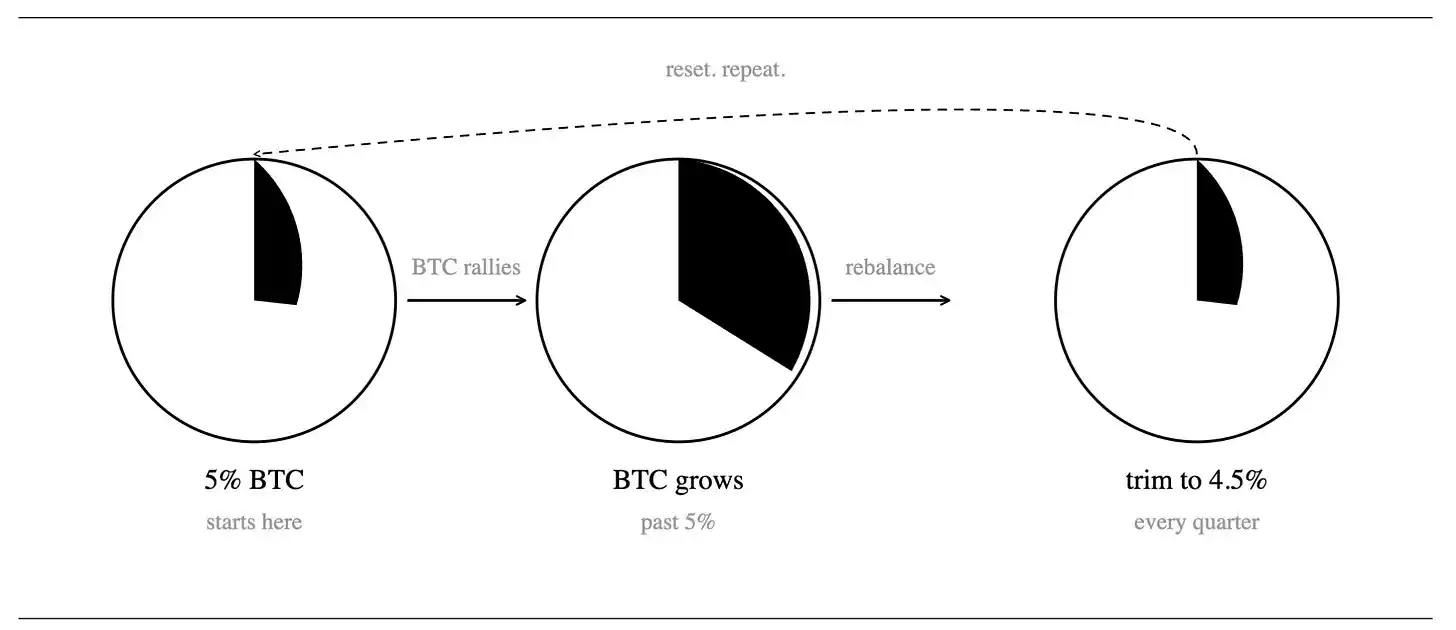
For the Bitcoin allocation, the funds plan to hold spot Bitcoin ETFs, Bitcoin futures, and options. The products feature asymmetric quarterly rebalancing rules: if Bitcoin rises significantly and its weight exceeds the 5% target line, it will be reduced to 4.5% during the next quarterly rebalance. A hard cap is also set, with Bitcoin holdings never exceeding 20% of the fund's total assets.

The initial allocation is 95% stocks and 5% Bitcoin. All dividends paid out quarterly will be used to increase the Bitcoin position. If the Bitcoin price rises and its allocation inflates, part of the Bitcoin will be sold during the quarterly rebalancing to bring the allocation back down to 4.5%, with the proceeds from the sale flowing back into stock assets.
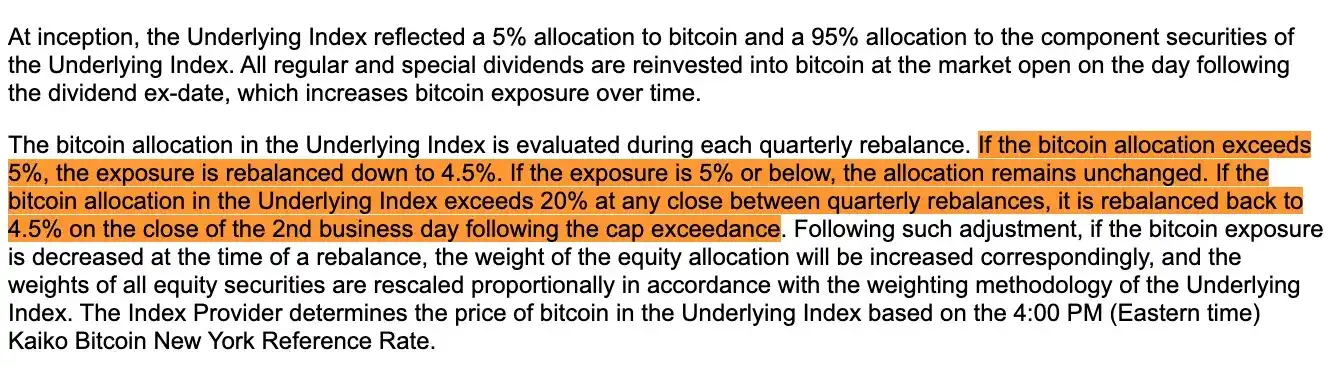
Even if Bitcoin's price surges between two rebalancing periods, its share in the fund will never break through the 20% red line.

To bypass numerous regulatory processes, all Bitcoin held by the fund will be custodied by a wholly-owned Franklin subsidiary in the Cayman Islands, with that subsidiary handling the configuration using spot cryptocurrencies, futures, and options.

Both funds track custom indices designed by VettaFi. Franklin plans to launch them officially on September 1st; the fee section in the filing is blank, and the management fee has not been announced yet.

Setting Aside Rosy Expectations, Facing Reality

While it seems to connect to the Wall Street system, adding stable Bitcoin buyers with bright prospects, calculating the real numbers reveals that the so-called incremental buying is merely a trickle.

The annualized dividend yield for a broad US stock index is 1.05%, while for the innovative sectors index, it's only 0.52%. Both funds start with a 95% stock + 5% Bitcoin allocation, and only dividends from the stock portion are used to buy Bitcoin. In simple terms, the broad-based fund can only allocate about 1% of its total assets annually to buy Bitcoin, and the innovative fund only 0.5%.
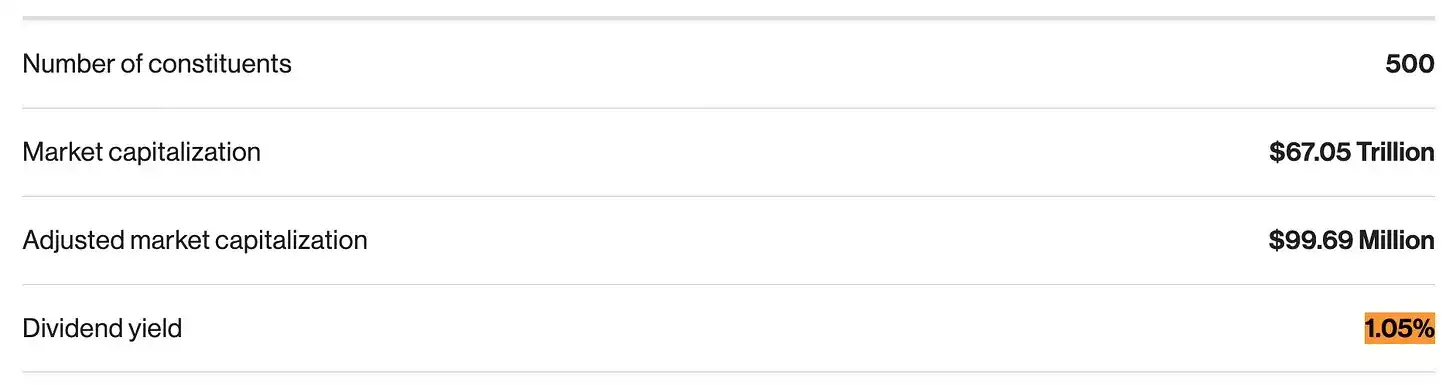
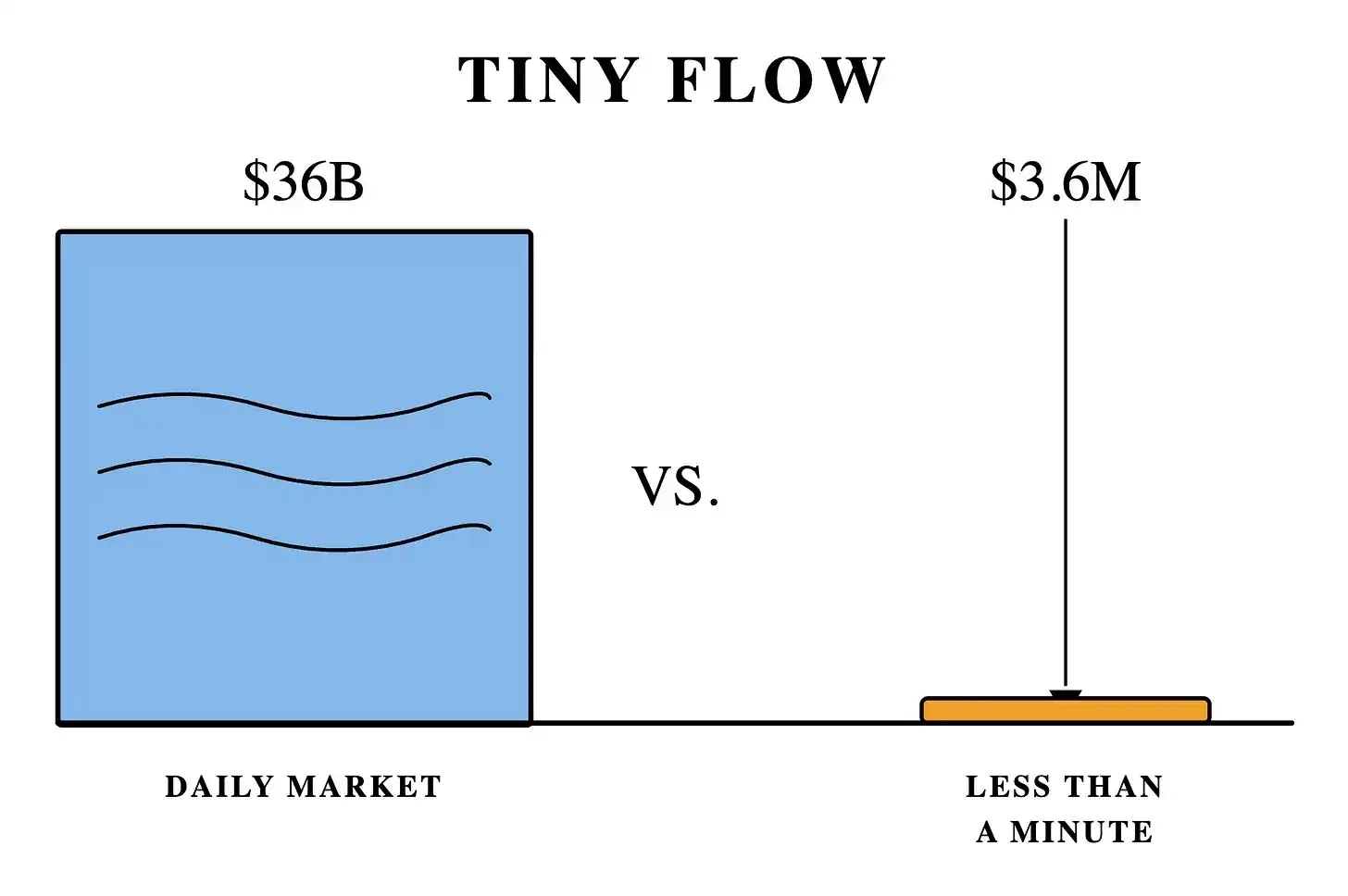
Based on Franklin's existing Bitcoin ETF (size $359 million), the corresponding annual incremental buying power for Bitcoin is only $3.6 million. With Bitcoin's average daily trading volume around $36 billion, the fund's entire year of buying can be absorbed by the market in less than a minute.
The design of the innovative sectors fund harbors deeper flaws: it holds heavy positions in stocks like Nvidia, Apple, and Microsoft, which pay very low or no dividends. The fund relies entirely on stock dividends to buy Bitcoin, meaning it lacks a steady cash flow for continuous accumulation. Coupled with the reverse mechanism of quarterly rebalancing, once Bitcoin's share exceeds 5%, it must be reduced to 4.5%. The higher Bitcoin rises, the harder the fund sells. In a bull market, the selling pressure from continuous sales would easily offset the tiny buying increment from meager dividends. This product, by its underlying design, is destined to struggle with holding an appreciating asset long-term.

On days when Bitcoin performs well, this fund becomes a passive seller instead.

Why? Index funds are forced into passive trading by the market. Traders know the fixed times and targets for index buying and selling, allowing them to front-run for profit. Franklin's two funds恰恰 create the opposite situation: they are programmed, passive, continuous selling tools. The funds are fixed to buy Bitcoin the day after dividends are received and sell uniformly each quarter during rebalancing. Short-term traders can accurately predict these operational nodes, harvesting profits from the fund on both the buy and sell sides.

The selling pressure from a single fund of similar size is minuscule, like a mosquito bite. But once a whole category of similar products forms, the cumulative selling pressure becomes significant. If a large amount of similar capital floods the market, every Bitcoin price rise would encounter continuous selling, creating a difficult-to-break price ceiling.
Beyond this core 'default allocation' playbook, the filing also cleverly hides three other design elements:

  1. Compliance avoidance. Many financial institutions' internal rules prohibit crypto allocation, but this fund is externally labeled merely as a 'US large-cap equity product.' Advisors can allocate it for clients compliantly, indirectly achieving Bitcoin exposure.
  2. Offshore structure compliance solution. Bitcoin is custodied by a wholly-owned Cayman Islands subsidiary, a common compliance method for public funds holding commodity-like assets. It doesn't breach the fund's original tax qualifications, is legal, and widely used in the industry.
  3. Tax legacy issue. Dividends are automatically converted into Bitcoin before they reach you, but those dividends are still taxable. The money is already locked into crypto assets, forcing you to use your own cash to pay taxes on dividends that never landed in your account.

For this model to truly take shape, such funds must become the default allocation for pensions or be positioned right next to the default asset pool. After the 2006 Pension Protection Act, employers gained legal support to auto-enroll employees with default allocations to corresponding funds.

Back then, only 5% of 401(k) plans offered target-date funds; now coverage is 96%, with total industry assets exploding from $100 billion to $4 trillion.

In August 2025, Trump signed an executive order officially lifting restrictions, allowing 401(k) pensions to allocate to cryptocurrencies. In March 2026, the U.S. Department of Labor released a draft rule stating that if plan fiduciaries include alternative assets like cryptocurrencies in the pension's optional list, they can enjoy liability protection.

The public comment period for the draft ended on June 1st. For a final rule to be enacted by the end of this year, the process must be completed before then. Compared to adding optional crypto products for investors, directly setting crypto assets as the pension default allocation faces higher implementation hurdles. Therefore, regardless of the final rule's text, corporate legal counsel generally believes most employers will choose to wait and see, acting only after court precedents confirm the safe harbor liability protection clause.

The core of this system was never to convince anyone to actively buy Bitcoin. Human attention is the world's scarcest resource. Any model that saves thinking and runs automatically on inertia will ultimately win.

The whole system just needs to leverage people's inertia.

Trend Kriptolar

İlgili Sorular

QWhat is the core strategy of Franklin Templeton's new Bitcoin ETF products according to the article?

AThe core strategy is to embed Bitcoin into investors' portfolios through a 'default configuration' logic, similar to automatic enrollment in 401(k) plans. The funds automatically use stock dividends to purchase Bitcoin, requiring no active choice from the investor or their financial advisor.

QWhy does the article suggest the funds' impact on Bitcoin buying pressure might be minimal?

AThe buying pressure is minimal because the funds primarily use stock dividends to buy Bitcoin. With dividend yields of ~1.05% and ~0.52% for the respective indices, and only 95% of the fund initially in stocks, the annual Bitcoin purchase amounts are a tiny fraction (e.g., ~$3.6M for a $359M fund) compared to Bitcoin's daily trading volume of ~$36B.

QHow do these ETFs potentially create a 'selling ceiling' or passive selling pressure for Bitcoin?

AThe funds have a quarterly rebalancing rule: if Bitcoin's weight exceeds the 5% target, it's reduced to 4.5%. If Bitcoin's price rises significantly, this forces the fund to sell Bitcoin to rebalance. In a bull market, this programmatic selling could counteract the small dividend-based buying, making the fund a net seller as Bitcoin appreciates.

QWhat are the three key design features mentioned in the article that benefit financial advisors?

A1. Compliance circumvention: The fund is labeled as a 'U.S. large-cap equity product,' allowing advisors to bypass internal rules against crypto. 2. Offshore compliance: Bitcoin is held by a Cayman Islands subsidiary, a standard legal structure for commodities. 3. A target audience of advisors, not active retail investors, as the 'set-and-forget' design fits into model portfolios advisors build for clients.

QWhat recent regulatory changes are mentioned as potentially enabling this type of product to scale?

AIn August 2025, an executive order allowed 401(k) plans to include cryptocurrencies. In March 2026, the U.S. Department of Labor proposed a rule granting fiduciary liability relief for including alternative assets like crypto in retirement plans. The article notes that for mass adoption, such funds would need to become a default or near-default option in retirement plans.

İlgili Okumalar

Domestic First Explosion-Proof Certification, World's First Fueling Brain Solution: How Did They Secure Two 'Firsts'?

China's embodied AI sector is booming, with over ¥37 billion in funding this year. The focus has shifted decisively to real-world application, particularly in hazardous, repetitive tasks humans should avoid. A key, often prohibitive, barrier to entry for robots in environments like gas stations and oil fields is obtaining explosion-proof certification, requiring meticulous hardware and circuit design from the ground up. The article explores three main application areas. At gas stations, the challenge lies in executing a long, precise sequence of actions (opening caps, handling the fuel nozzle) with millimeter accuracy across diverse car models. For facility inspections, robots need sustained autonomous patrols combined with real-time anomaly detection and response. Port scenarios introduce the complexity of multi-robot coordination. Addressing the core challenge of long-horizon tasks, the piece highlights a technical breakthrough: a "world model"-driven approach. This enables predictive planning, allowing the AI to visualize the desired end-state (e.g., nozzle returned, cap closed) and work backward to synthesize intermediate visual frames. This "imagination" of the task trajectory, as implemented in the H-GAR architecture, guides action generation, significantly reducing cumulative error in multi-step operations. The three-step H-GAR process involves generating a coarse action draft, synthesizing target-conditioned observation frames, and then refining actions based on visual context and a memory of past successful motions. The conclusion emphasizes that success in specialized, safety-critical fields requires long-term commitment and deep integration of the "embodied brain" (AI) with a purpose-built, certified physical "body." Mastering this brain-body-data闭环 (closed-loop) is positioned as a crucial competitive advantage for commercialization.

marsbit34 dk önce

Domestic First Explosion-Proof Certification, World's First Fueling Brain Solution: How Did They Secure Two 'Firsts'?

marsbit34 dk önce

Bitcoin Bear Market Triggers Crypto Layoffs, Yet Fuels Industry's Most Aggressive M&A Wave Ever

A prolonged Bitcoin downturn is forcing crypto companies to lay off employees and automate operations, but has simultaneously triggered the industry's most aggressive wave of mergers and acquisitions (M&A). In the first half of 2026, crypto M&A deal value reached $93.7 billion, 26 times higher than the same period last year. This activity is primarily driven by traditional financial institutions—banks, payment processors, and asset managers—who are acquiring compliant crypto infrastructure like custody solutions, payment rails, and regulatory licenses instead of building them internally. Examples include Mastercard's acquisition of stablecoin firm BVNK and Franklin Templeton's launch of a dedicated crypto division via acquisition. This consolidation contrasts sharply with a shrinking crypto labor market, where active job openings have plummeted. Companies like Coinbase are restructuring to become "AI-native," leading to a sharp increase in roles requiring AI skills, while engineering and compliance positions now dominate hiring. Financially pressured crypto firms, such as Messari which was acquired at a fraction of its prior valuation, are becoming prime targets. Capital remains available but is highly selective, flowing overwhelmingly into businesses that bridge digital assets with traditional finance, such as tokenization platforms and regulated trading venues. The trend indicates a market where capital is rewarding compliant, utility-focused infrastructure while weaker models consolidate or downsize.

marsbit35 dk önce

Bitcoin Bear Market Triggers Crypto Layoffs, Yet Fuels Industry's Most Aggressive M&A Wave Ever

marsbit35 dk önce

Bitcoin Hits 20-Month Low as Largest Bull Suffers $15 Billion Paper Loss

Bitcoin Hits 20-Month Low as Major Bull Loses $15 Billion On June 25th, Bitcoin fell below $60,000, hitting a low of $58,030—its lowest level since October 2024. The sell-off triggered over $1 billion in leveraged liquidations in 24 hours, with longs accounting for $788 million. This marks a more than 53% decline from the October 2025 all-time high of $126,198. A critical factor in the downturn is the weakening position of MicroStrategy, the largest corporate Bitcoin holder. With 847,363 BTC at an average cost of $75,651, the company now faces over $14.6 billion in unrealized losses. Its core financing flywheel—raising capital to buy Bitcoin—is stalling. Its variable-rate preferred shares (STRC), a key fundraising tool, have fallen 25% below their $100 target. This raises doubts about its ability to continue providing steady institutional demand for Bitcoin. Simultaneously, U.S. spot Bitcoin ETFs are experiencing significant outflows, with a single-day net outflow of $469 million on June 24th. This represents the most severe sustained capital flight since their launch. The macroeconomic backdrop remains restrictive, with persistent inflation delaying expected Fed rate cuts. Analysts note a shift in capital allocation, with institutional funds moving away from crypto towards AI infrastructure stocks. Immediate pressure comes from approximately $10 billion worth of Bitcoin options expiring on June 26th, which could increase market volatility. The combined effect of these factors—eroding core demand pillars, macro headwinds, and capital rotation—has decisively broken the $60,000 support level.

Foresight News1 saat önce

Bitcoin Hits 20-Month Low as Largest Bull Suffers $15 Billion Paper Loss

Foresight News1 saat önce

İşlemler

Spot
Futures

Popüler Makaleler

BITCOIN Nedir

HarryPotterObamaSonic10Inu (ERC-20)'yu ve Kripto Alanındaki Yerini Anlamak Son yıllarda, kripto para piyasası, hem ticaret yapanların hem de topluluk etkileşimi ve eğlence değeri arayanların ilgisini çeken meme coin'lerin popülaritesinde bir artış gördü. Bu benzersiz token'lar arasında, kripto para dokusuna kültürel referansları harmanlayan ilginç bir proje olan HarryPotterObamaSonic10Inu (ERC-20) bulunmaktadır. Bu makale, HarryPotterObamaSonic10Inu'nun temel yönlerini, mekanizmalarını, topluluk odaklı ethosunu ve daha geniş kripto manzarasıyla etkileşimini incelemektedir. HarryPotterObamaSonic10Inu (ERC-20) Nedir? Adından da anlaşılacağı gibi, HarryPotterObamaSonic10Inu, Ethereum blok zinciri üzerinde inşa edilen bir meme coin'dir ve ERC-20 standardı altında sınıflandırılmaktadır. Geleneksel kripto paraların pratik kullanılabilirlik veya yatırım potansiyeline odaklandığı durumların aksine, bu token eğlence değeri ve topluluğunun gücü üzerine kuruludur. Proje, bağlı kullanıcıların bir araya gelebileceği, fikirlerini paylaşabileceği ve çeşitli kültürel fenomenlerden ilham alan etkinliklere katılabileceği bir ortam yaratmayı hedeflemektedir. HarryPotterObamaSonic10Inu'nun dikkate değer özelliklerinden biri işlemlerde sıfır vergi olmasıdır. Bu çekici unsur, küçük ölçekli yatırımcıları caydırabilecek ek ücretlerden yoksun olarak ticareti ve topluluk katılımını teşvik etmeyi amaçlamaktadır. Coin'in toplam arzı bir milyar token olarak belirlenmiştir; bu, topluluk içinde önemli bir dolaşım sağlama niyetini göstermektedir. HarryPotterObamaSonic10Inu (ERC-20) Yaratıcısı HarryPotterObamaSonic10Inu'nun kökenleri bir miktar gizemlidir; yaratıcısı hakkında spesifik bilgilerin ne olduğu bilinmemektedir. Bu token'ın geliştirilmesi, belirli bir ekip veya açık bir plan eksikliği ile gerçekleşmiştir; bu durum, meme coin sektöründe oldukça yaygındır. Proje, topluluğunun heyecanı ve katılımına dayalı olarak organik bir şekilde ortaya çıkmıştır. HarryPotterObamaSonic10Inu (ERC-20) Yatırımcıları Dış yatırımlar ve destekler söz konusu olduğunda, HarryPotterObamaSonic10Inu da belirsiz kalmaktadır. Token, bilinen herhangi bir yatırım fonunu veya önemli bir kurumsal desteği listelememektedir. Bunun yerine, projenin can damarı, kolektif eylem ve kripto alanındaki katılım yoluyla büyüme ve sürdürülebilirlik sağlayan temel topluluğudur. HarryPotterObamaSonic10Inu (ERC-20) Nasıl Çalışır? Bir meme coin olarak, HarryPotterObamaSonic10Inu, genellikle varlık değerini yöneten geleneksel çerçevelerin dışında çalışmaktadır. Projenin nasıl çalıştığını tanımlayan birkaç özelliği vardır: Sıfır Vergi İşlemleri: İşlemlerde vergi ücreti olmadan, kullanıcılar gizli maliyet endişesi olmadan token'ı serbestçe alıp satabilirler. Topluluk Etkileşimi: Proje, topluluk etkileşimi üzerine kuruludur ve sosyal medya platformlarını kullanarak heyecan yaratarak katılımı kolaylaştırır. Tartışmalar, içerik paylaşımı ve katılım, projenin erişimini genişletmeye ve destekleyiciler arasında sadakat oluşturmaya yardımcı olan kritik unsurlardır. Pratik Kullanılabilirlik Yok: HarryPotterObamaSonic10Inu'nun mali ekosistem içinde somut bir kullanılabilirlik sunmadığı belirtilmelidir. Daha ziyade, eğlence ve topluluk etkinlikleri için bir token olarak sınıflandırılmaktadır. Kültürel Referans: Token, popüler kültürden unsurları zekice harmanlayarak ilgi çekmektedir ve hem meme meraklıları hem de kripto takipçileriyle bağlantı kurmaktadır. HarryPotterObamaSonic10Inu, meme coin'lerin, daha geleneksel kripto para projelerinden nasıl farklı çalıştığını örneklendirmektedir; bu projeler, utilitarist varlıklar yerine yenilikçi sosyal yapıların bir parçası olarak piyasaya girmektedir. HarryPotterObamaSonic10Inu (ERC-20) Zaman Çizelgesi HarryPotterObamaSonic10Inu'nun tarihi, birkaç dikkate değer kilometre taşı ile işaretlenmiştir: Oluşum: Token, birçok kripto meraklısının hayal gücünü yakalayan bir viral meme'den ortaya çıkmıştır. Spesifik yaratım tarihleri mevcut değildir ve bu onun organik yükselişini vurgulamaktadır. Borsa Listelemeleri: HarryPotterObamaSonic10Inu, topluluğun daha kolay erişim ve ticaret yapabilmesini sağlamak için çeşitli borsalarda yer bulmuştur. Topluluk Katılım İnisiyatifleri: Yarışmalar, sosyal medya kampanyaları ve hayranlar ile destekçilerden içerik üretimini içeren topluluk etkileşimini artırmayı amaçlayan devam eden etkinlikler. Gelecek Genişleme Planları: Projenin yol haritası, kültürel temalarına ilişkin bir NFT koleksiyonu, ticari ürünler ve bir e-ticaret sitesi başlatılmasını içermektedir; bu da topluluğun daha fazla katılımını sağlamayı ve ekosistemine daha fazla boyut kazandırmayı hedeflemektedir. HarryPotterObamaSonic10Inu (ERC-20) Hakkında Kilit Noktalar Topluluk Odaklı Doğası: Proje, kullanıcı katılımını geliştirme önceliği taşır ve böylece kullanıcıların sürecin en önünde yer almasını sağlar. Meme Coin Sınıflandırması: Eğlenceye dayalı kripto paranın doruk noktasıdır ve geleneksel yatırım araçlarından ayrılmaktadır. Bitcoin ile Doğrudan İlişki Yok: Ticker ismindeki benzeliğe rağmen, HarryPotterObamaSonic10Inu ayırt edicidir ve Bitcoin veya diğer yerleşik kripto paralarla herhangi bir ilişkisi yoktur. İşbirliğine Odaklanma: HarryPotterObamaSonic10Inu, sahipleri arasında işbirliği ve hikaye paylaşımı için bir alan oluşturmak üzere tasarlanmıştır ve bu da yaratıcılık ve topluluk bağlarını sağlamaktadır. Gelecek Beklentileri: Başlangıçta belirlendiği temalardan NFTs ve ticari ürünlere genişleme arzusu, projenin dijital kültürde daha ana akıma girebilmesi için bir yol haritası çizmektedir. Meme coin'ler, kripto para topluluğunun hayal gücünü çalmaya devam ederken, HarryPotterObamaSonic10Inu (ERC-20), kültürel bağları ve topluluk merkezli yaklaşımıyla öne çıkmaktadır. Geleneksel bir hizmet odaklı token modeliyle uyumlu olmasa da, özünde destekçileri arasında sağlanan neşe ve dostluğu vurgulayarak, giderek dijitalleşen bir çağda kripto paraların evrilen doğasını göstermektedir. Proje gelişmeye devam ettikçe, topluluk dinamiklerinin blockchain teknolojisi dünyasındaki seyrini nasıl etkilediğini izlemek önemli olacaktır.

2.0k Toplam GörüntülenmeYayınlanma 2024.04.01Güncellenme 2024.12.03

BITCOIN Nedir

BTC Nasıl Satın Alınır

HTX.com’a hoş geldiniz! Bitcoin (BTC) satın alma işlemlerini basit ve kullanışlı bir hâle getirdik. Adım adım açıkladığımız rehberimizi takip ederek kripto yolculuğunuza başlayın. 1. Adım: HTX Hesabınızı OluşturunHTX'te ücretsiz bir hesap açmak için e-posta adresinizi veya telefon numaranızı kullanın. Sorunsuzca kaydolun ve tüm özelliklerin kilidini açın. Hesabımı Aç2. Adım: Kripto Satın Al Bölümüne Gidin ve Ödeme Yönteminizi SeçinKredi/Banka Kartı: Visa veya Mastercard'ınızı kullanarak anında Bitcoin (BTC) satın alın.Bakiye: Sorunsuz bir şekilde işlem yapmak için HTX hesap bakiyenizdeki fonları kullanın.Üçüncü Taraflar: Kullanımı kolaylaştırmak için Google Pay ve Apple Pay gibi popüler ödeme yöntemlerini ekledik.P2P: HTX'teki diğer kullanıcılarla doğrudan işlem yapın.Borsa Dışı (OTC): Yatırımcılar için kişiye özel hizmetler ve rekabetçi döviz kurları sunuyoruz.3. Adım: Bitcoin (BTC) Varlıklarınızı SaklayınBitcoin (BTC) satın aldıktan sonra HTX hesabınızda saklayın. Alternatif olarak, blok zinciri transferi yoluyla başka bir yere gönderebilir veya diğer kripto para birimlerini takas etmek için kullanabilirsiniz.4. Adım: Bitcoin (BTC) Varlıklarınızla İşlem YapınHTX'in spot piyasasında Bitcoin (BTC) ile kolayca işlemler yapın.Hesabınıza erişin, işlem çiftinizi seçin, işlemlerinizi gerçekleştirin ve gerçek zamanlı olarak izleyin. Hem yeni başlayanlar hem de deneyimli yatırımcılar için kullanıcı dostu bir deneyim sunuyoruz.

8.0k Toplam GörüntülenmeYayınlanma 2024.12.12Güncellenme 2026.06.02

BTC Nasıl Satın Alınır

$BITCOIN Nedir

DİJİTAL ALTIN ($BITCOIN): Kapsamlı Bir Analiz DİJİTAL ALTIN ($BITCOIN) Tanıtımı DİJİTAL ALTIN ($BITCOIN), geleneksel değerli metallerin özelliklerini merkeziyetsiz teknolojilerin yeniliği ile birleştirmeyi amaçlayan Solana ağı üzerinde çalışan blockchain tabanlı bir projedir. Bitcoin ile aynı isme sahip olmasına rağmen, genellikle bir değer saklama aracı olarak algılandığı için “dijital altın” olarak anılmaktadır; DİJİTAL ALTIN, Web3 ortamında benzersiz bir ekosistem yaratmak için tasarlanmış ayrı bir tokendir. Hedefi, uygulanabilir bir alternatif dijital varlık olarak kendini konumlandırmaktır, ancak uygulamaları ve işlevleri ile ilgili ayrıntılar hala gelişmektedir. DİJİTAL ALTIN ($BITCOIN) Nedir? DİJİTAL ALTIN ($BITCOIN), Solana blockchain'inde kullanılmak üzere açıkça tasarlanmış bir kripto para tokenidir. Bitcoin'in yaygın olarak tanınan bir değer saklama rolü sağlamasının aksine, bu token daha geniş uygulamalara ve özelliklere odaklanıyor gibi görünmektedir. Dikkate değer yönler şunlardır: Blockchain Altyapısı: Token, yüksek hızlı ve düşük maliyetli işlemleri yönetme kapasitesi ile bilinen Solana blockchain'inde inşa edilmiştir. Arz Dinamikleri: DİJİTAL ALTIN'ın maksimum arzı 100 katrilyon token (100P $BITCOIN) ile sınırlıdır, ancak dolaşımdaki arzı ile ilgili ayrıntılar şu anda açıklanmamıştır. Kullanım Alanı: Kesin işlevler açıkça belirtilmemiş olsa da, token'ın merkeziyetsiz uygulamalar (dApps) veya varlık tokenizasyon stratejileri ile ilgili çeşitli uygulamalar için kullanılabileceğine dair işaretler bulunmaktadır. DİJİTAL ALTIN ($BITCOIN) Yaratıcısı Kimdir? Şu anda, DİJİTAL ALTIN ($BITCOIN) arkasındaki yaratıcıların ve geliştirme ekibinin kimliği bilinmemektedir. Bu durum, merkeziyetsiz finans ve meme coin fenomenleriyle uyumlu olan birçok yenilikçi proje arasında yaygındır. Böyle bir anonimlik, topluluk odaklı bir kültürü teşvik edebilirken, yönetişim ve hesap verebilirlik konusundaki endişeleri artırmaktadır. DİJİTAL ALTIN ($BITCOIN) Yatırımcıları Kimlerdir? Mevcut bilgiler, DİJİTAL ALTIN ($BITCOIN) için bilinen herhangi bir kurumsal destekçi veya önde gelen risk sermayesi yatırımı olmadığını göstermektedir. Proje, geleneksel finansman yolları yerine topluluk desteği ve benimsemeye odaklanan bir eşler arası modelde çalışıyor gibi görünmektedir. Faaliyetleri ve likiditesi esas olarak PumpSwap gibi merkeziyetsiz borsalarda (DEX'ler) yer almakta olup, bu da onun taban hareketine vurgu yapmaktadır. DİJİTAL ALTIN ($BITCOIN) Nasıl Çalışır DİJİTAL ALTIN ($BITCOIN) 'ın operasyonel mekanikleri, blockchain tasarımı ve ağ özellikleri temelinde açıklanabilir: Konsensüs Mekanizması: Solana'nın benzersiz tarih kanıtı (PoH) ile bir hisse kanıtı (PoS) modelini birleştirerek, proje ağın yüksek performansına katkıda bulunan verimli işlem doğrulamasını sağlar. Tokenomik: Belirli deflasyonist mekanizmalar kapsamlı bir şekilde detaylandırılmamış olsa da, geniş maksimum token arzı, henüz tanımlanmamış mikro işlemler veya niş kullanım durumlarına hitap edebileceğini ima etmektedir. Etkileşim: Solana'nın daha geniş ekosistemi ile entegrasyon potansiyeli bulunmaktadır; bu, çeşitli merkeziyetsiz finans (DeFi) platformlarını içermektedir. Ancak, belirli entegrasyonlarla ilgili ayrıntılar belirtilmemiştir. Önemli Olayların Zaman Çizelgesi DİJİTAL ALTIN ($BITCOIN) ile ilgili önemli kilometre taşlarını vurgulayan bir zaman çizelgesi: 2023: Token'ın Solana blockchain'inde ilk dağıtımı, sözleşme adresi ile işaretlenmiştir. 2024: DİJİTAL ALTIN, PumpSwap gibi merkeziyetsiz borsalarda işlem görmeye başladıkça görünürlük kazanır ve kullanıcıların bunu SOL karşısında ticaret yapmasına olanak tanır. 2025: Proje, topluluk odaklı etkileşimlere yönelik potansiyel ilgi ve ara sıra ticaret faaliyetleri görür, ancak şu ana kadar dikkate değer ortaklıklar veya teknik ilerlemeler belgelenmemiştir. Kritik Analiz Güçlü Yönler Ölçeklenebilirlik: Temel Solana altyapısı, yüksek işlem hacimlerini destekleyerek $BITCOIN'in çeşitli işlem senaryolarındaki faydasını artırabilir. Erişilebilirlik: Token başına potansiyel düşük ticaret fiyatı, perakende yatırımcıları çekebilir ve parçalı mülkiyet fırsatları sayesinde daha geniş katılımı kolaylaştırabilir. Riskler Şeffaflık Eksikliği: Kamuya açık olarak bilinen destekçilerin, geliştiricilerin veya bir denetim sürecinin olmaması, projenin sürdürülebilirliği ve güvenilirliği konusunda şüpheler doğurabilir. Piyasa Volatilitesi: Ticaret faaliyeti büyük ölçüde spekülatif davranışa dayanmakta olup, bu da yatırımcılar için önemli fiyat dalgalanmalarına ve belirsizliklere yol açabilir. Sonuç DİJİTAL ALTIN ($BITCOIN), hızla gelişen Solana ekosisteminde ilginç ama belirsiz bir proje olarak ortaya çıkmaktadır. “Dijital altın” anlatısını kullanmaya çalışırken, Bitcoin'in değer saklama rolünden ayrılması, amaçlanan faydasının ve yönetişim yapısının daha net bir şekilde tanımlanması gerekliliğini vurgulamaktadır. Gelecekteki kabul ve benimseme, mevcut belirsizliklerin giderilmesine ve operasyonel ile ekonomik stratejilerinin daha açık bir şekilde tanımlanmasına bağlı olacaktır. Not: Bu rapor, Ekim 2023 itibarıyla mevcut olan sentezlenmiş bilgileri kapsamaktadır ve araştırma döneminin ötesinde gelişmeler yaşanmış olabilir.

137 Toplam GörüntülenmeYayınlanma 2025.05.13Güncellenme 2025.05.13

$BITCOIN Nedir

Tartışmalar

HTX Topluluğuna hoş geldiniz. Burada, en son platform gelişmeleri hakkında bilgi sahibi olabilir ve profesyonel piyasa görüşlerine erişebilirsiniz. Kullanıcıların BTC (BTC) fiyatı hakkındaki görüşleri aşağıda sunulmaktadır.

活动图片