# Web3 İlgili Makaleler

HTX Haber Merkezi, kripto endüstrisindeki piyasa trendleri, proje güncellemeleri, teknoloji gelişmeleri ve düzenleyici politikaları kapsayan "Web3" hakkında en son makaleleri ve derinlemesine analizleri sunmaktadır.

EASY Residency Season 4 Roster Announced: These 9 Projects Already Have Onboarding Angles

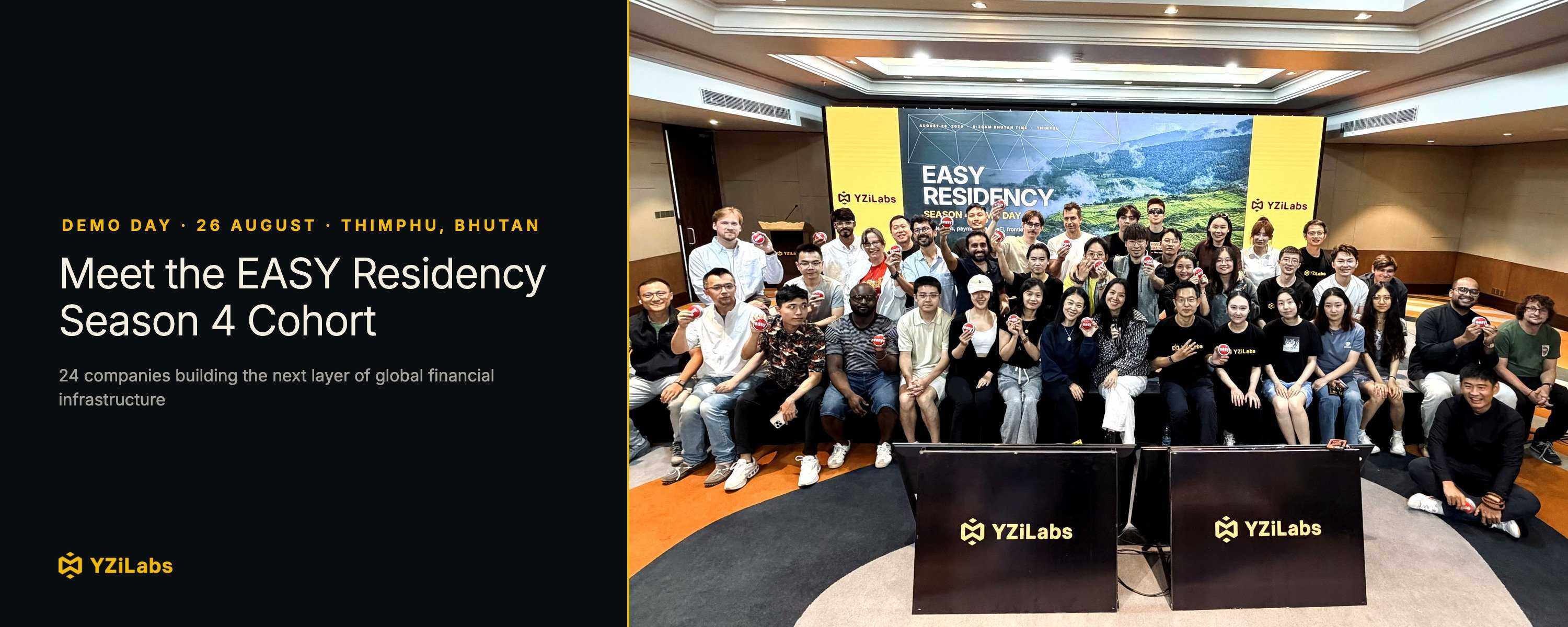
EASY Residency Season 4 Announces 24 Selected Projects, Highlighting 9 with Early User Interaction Opportunities On August 25th, YZi Labs revealed the 24 early-stage companies selected for the fourth season of its EASY Residency flagship incubation program, with each project receiving $500,000 in funding. The selection reflects a focus on more programmable, localized, and compliant solutions in global payments, on-chain markets, and "agentic finance." Among the 24, nine projects currently offer clear avenues for early user participation. Here is a summary: * **Neutral Trade:** An on-chain quantitative strategy marketplace. Users can participate in its "Autopilot Deposit" campaign for 2x NT Points. * **Primus:** A cryptography infrastructure for institutional on-chain finance. It is currently running a "Warm Up" creator campaign on Kaito.ai with an $8,000 prize pool. * **Roostoo:** An AI trading agent training and screening platform. Users can join the early waitlist via its website. * **SmartX:** A terminal for on-chain transactions. Its new website is live, with the application launching next month (currently invite-only). * **Alloco:** An on-chain ETF issuance platform. Its core products are upcoming; users can join its Telegram channel for early access announcements. * **XHunt:** An influence data platform for creators and projects. A Chrome extension is available for use, but no points system is active yet. * **Nara:** A PayFi digital dollar protocol for stablecoin payments. The platform is live (TVL ~$10M), but users should await its PayFi product launch or potential points campaigns in September. * **ElfomoFi:** An on-chain market-making protocol for EVM. Users can deposit into curated vaults, though no points system is yet implemented. * **Liquorice:** A liquidity protocol for professional market makers. The app allows deposits, but also lacks a live points system. The report positions these interaction opportunities as potential avenues for users to engage with the projects early, possibly ahead of future token distributions.

Odaily星球日报2 gün önce 02:11

EASY Residency Season 4 Roster Announced: These 9 Projects Already Have Onboarding Angles

Odaily星球日报2 gün önce 02:11

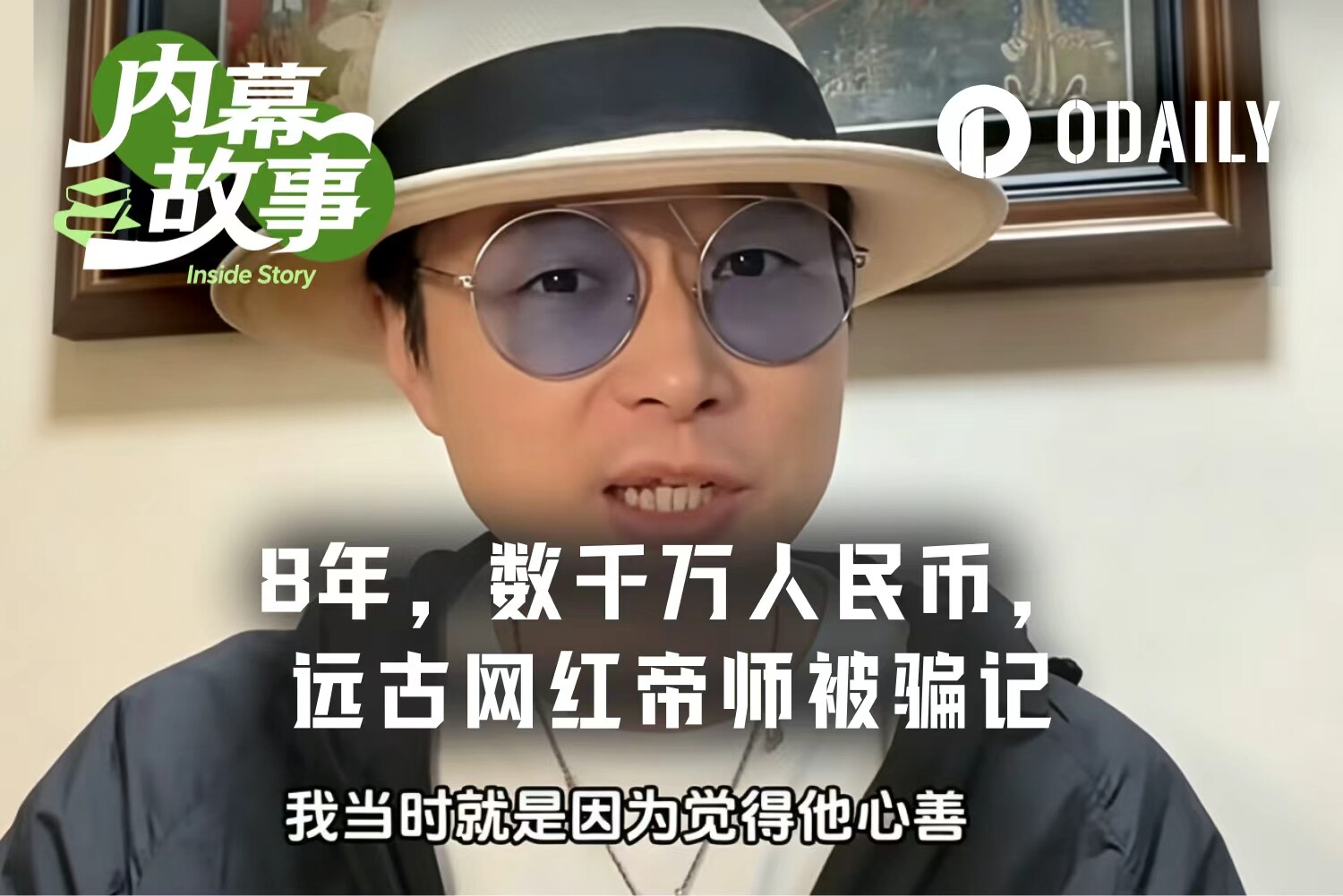
After 8 Years, Internet Celebrity Di Shi Discovers He Was Defrauded of Tens of Millions by His Crypto 'Bro'

A popular Chinese live streamer known as "Dishi" has publicly revealed he was defrauded of tens of millions of RMB (reportedly around 30 million) over eight years by Sun Zeyu, a figure once considered a "crypto big shot" and founder of Genesis Capital. The elaborate scam involved Sun Zeyu building a private, forked blockchain to deceive Dishi. Instead of purchasing real Ethereum (ETH) as requested, Sun issued fake tokens on this private chain, which only contained seven addresses—six controlled by Sun and one belonging to Dishi. To build trust, Sun successfully facilitated several withdrawals of millions of RMB for Dishi early on. Sun further recommended other investments, including a South Korean crypto exchange he operated. Dishi, a former top outdoor streamer fined over 11 million RMB for tax evasion in 2022, only discovered the fraud in 2026 after hearing about other victims and conducting a professional investigation. Reports indicate Dishi is not the only victim. Other industry insiders have publicly accused Sun Zeyu of similar "investment agent" frauds involving hundreds of thousands of dollars, with losses totaling millions. Sun is currently believed to be overseas, complicating legal recourse. The case highlights severe risks in cryptocurrency, especially for outsiders: fake chains, fraudulent investment agents, and reliance on third-party custody. Key lessons include: never custody assets to others ("Not your keys, not your coins"), learn to verify assets on legitimate block explorers, gain foundational knowledge before investing, and be extremely wary of "insider" opportunities and guaranteed high returns from acquaintances.

Odaily星球日报08/27 14:36

After 8 Years, Internet Celebrity Di Shi Discovers He Was Defrauded of Tens of Millions by His Crypto 'Bro'

Odaily星球日报08/27 14:36

Unstoppable Domains Abandons Plans to Integrate .crypto and .bitcoin into DNS

Unstoppable Domains has abandoned its plans to integrate nine of its Web3 domain extensions, including .crypto and .bitcoin, into the traditional DNS system. The company cited ICANN requirements and the high costs of the application program as reasons for the decision. Other affected domains are .wallet, .polygon, .nft, .dao, .unstoppable, .zil, and .blockchain. They will continue to function as on-chain domains but will not become native DNS zones. The applications for the nine domains would have cost over $2 million, not including additional compliance expenses and potential auctions. Founder Matthew Gould stated the total costs outweighed expected revenues. A major obstacle was ICANN's proposed integration rules, which would require registering every existing on-chain domain in a unified zone and disclosing owner data—affecting over 4 million domains, many purchased as one-time, anonymous assets. In response to user criticism, the company is offering refunds for domains purchased after its public ICANN announcement dates, with the refund window open from August 25 to September 25. Unstoppable Domains clarified that the domains retain all their on-chain functionalities. The company is still proceeding with ICANN applications for five other domain extensions: .agi, .robot, .gram, .hub, and .xmr, developed with partners like 0G, Telegram, Monero, and Hub Culture. The first approved domains from the current ICANN round are expected by mid-2027, with a full DNS launch anticipated in late 2027 or 2028.

cryptonews.ru08/27 13:10

Unstoppable Domains Abandons Plans to Integrate .crypto and .bitcoin into DNS

cryptonews.ru08/27 13:10

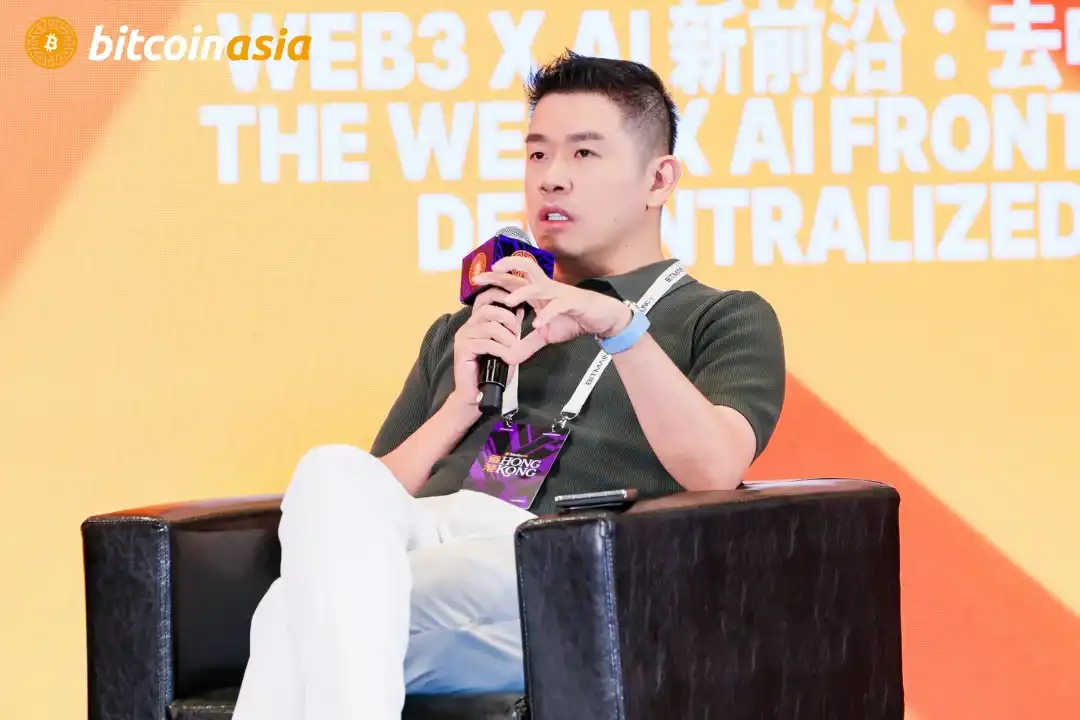
Livio, CEO of New Huo Group: RWA Will Become the Bridge Connecting Carbon-Based Humans and Silicon-Based AI, Crypto's Next 100 Million Users to Come from AI Agents

At the "Deep Integration of AI and Crypto" roundtable during the Bitcoin Asia conference, Livio Weng, CEO of Bitfire at New Huo Group, stated that the core narrative for AI and Crypto convergence in the coming years will likely focus on the "agential economy." As infrastructure for AI identity recognition, authorized wallets, and payment protocols matures, AI will progressively gain the ability to autonomously use, manage, and transact assets, deeply integrating with existing crypto sectors like trading, prediction markets, asset management, and payments. Livio believes Real World Assets (RWA) will serve as a crucial bridge connecting carbon-based humans and silicon-based AI. On one hand, RWA can tokenize traditional assets, enabling AI to use and trade assets from human society. On the other hand, "AI assets" such as computing power, data, and AI-generated services can also be made accessible to humans through RWA formats for purchase, analysis, and trading. This process will drive deeper integration between humans and AI. "The next 100 to 200 million new crypto users may not be humans, but AI Agents," Livio suggested, noting that future critical infrastructure and applications might be autonomously generated by AI rather than primarily coded by humans. As AI evolves from an information assistant to a wealth management assistant and further into an autonomous task executor, AI Agents are poised to become significant participants in the Crypto ecosystem. Livio also highlighted that deep AI-Crypto integration requires robust underlying infrastructure, including settlement layers for autonomous machine transactions, identity and authorization layers for AI independent identity and recognition, and incentive/disincentive layers to address fraud and misconduct. Protocols like X402 and EIP-8004 are exploring related applications, but challenges in security, governance, and ethics remain. In practice, New Huo is actively embracing RWA to seize opportunities from AI-Crypto convergence. The group recently launched comprehensive RWA operator services and released Hong Kong's first compliant crypto asset quantitative strategy. By incorporating RWA assets, this strategy aims to offer cross-asset allocation and risk hedging opportunities, helping investors navigate volatility across different asset classes and market cycles. Livio concluded that RWA is not only a vehicle for traditional assets to enter the on-chain world but also potential key infrastructure for AI to participate in the real economy, utilize real-world assets, and provide services to humans. As the machine economy develops, the intersection between AI and Crypto will expand, offering substantial room for innovation and growth.

marsbit08/27 08:21
Livio, CEO of New Huo Group: RWA Will Become the Bridge Connecting Carbon-Based Humans and Silicon-Based AI, Crypto's Next 100 Million Users to Come from AI Agents

marsbit08/27 08:21

Didier Zheng Answers: Will MicroStrategy Enter a Death Spiral? How Will the Macro Trend Unfold in the Second Half of the Year?

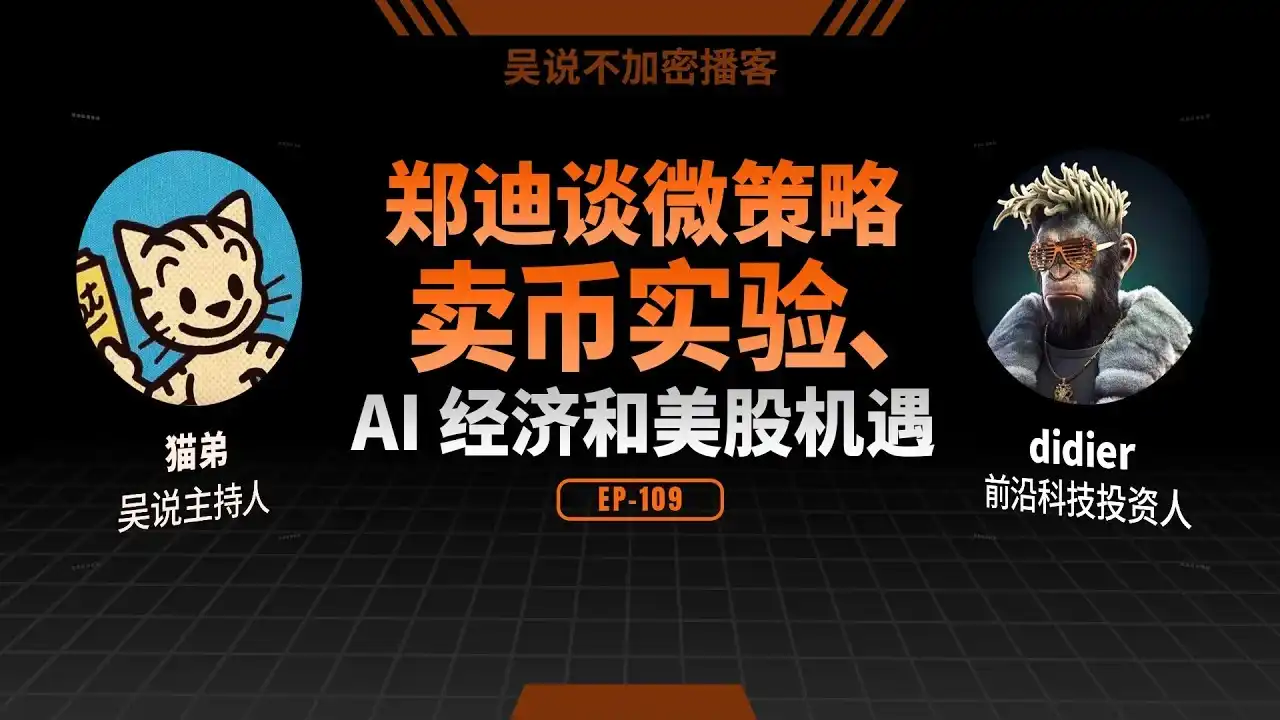
In the latest WuShuo Uncensored podcast, investor Didier Zheng analyzes recent market trends. He argues that Bitcoin's recent decline is primarily driven by market anticipation of MicroStrategy potentially selling small amounts of Bitcoin regularly to cover cash flow for its growing priority shares and debt, rather than macro factors or ETF outflows alone. This creates a new dynamic of expected continuous selling pressure. Didier views Token as the new form of labor in the AI era, replacing human roles in execution and driving the ongoing rally in U.S. stocks within the AI supply chain (semiconductors, data centers). This shift is seen as a long-term structural change, boosting corporate profitability. He notes that crypto exchanges are naturally expanding into U.S. stocks and real-world assets due to the scarcity of valuable native crypto assets beyond Bitcoin and major protocols. For traders, the transition may not require a drastic change in strategy, as similar speculative and fundamental assets exist in both markets. The analyst believes the native crypto altcoin rally is likely over, severely damaged by the liquidity destruction from the "1011" crash event. Liquidity has migrated to deeper markets like U.S. equities. For the macro outlook, Didier expresses increased caution for H2 2024 due to potential market pressure from mega-IPOs (e.g., SpaceX) and the U.S. midterm elections. A Democratic sweep could bring stricter regulation for Web3 and AI. Long-term, he remains optimistic about the convergence of AI and blockchain, enabling a more automated, machine-driven economy, but expects a shift towards a more mature, institutional phase for the crypto industry.

marsbit08/26 04:01

Didier Zheng Answers: Will MicroStrategy Enter a Death Spiral? How Will the Macro Trend Unfold in the Second Half of the Year?

marsbit08/26 04:01

Beyond the 'Kimchi Premium': Institutional Transformation in Korea

South Korea's crypto landscape is moving beyond the volatile "Kimchi Premium" era driven by retail speculation, according to Andrew Park, CEO of Factblock. Park, who organizes Korea Blockchain Week, notes a significant shift in the nature of international inquiries. Global institutions are now focusing on market access, asset custody, tokenization, stablecoins, and regulatory compliance, rather than just token listings and prices. This institutionalization is being built through foundational, "unsexy" back-office work: developing corporate crypto accounts, legal finality for settlements, accounting standards, and custody solutions. Key regulatory steps include the Financial Services Commission's framework for corporate virtual asset accounts and National Assembly amendments to laws governing tokenized securities and real-world assets. Park, with a traditional finance background, bridges the perspectives of Wall Street and Web3. He explains that traditional banks prioritize managing edge-case failures and regulatory reporting, which crypto-native firms sometimes misunderstand. Conversely, traditional financiers often overlook blockchain's systemic utility for 24/7 global settlement and programmable money. Looking ahead, Park sees South Korea's next frontier at the intersection of AI and programmable blockchain infrastructure. He is particularly interested in the infrastructure needed for a "machine-to-machine" economy, where AI agents could autonomously conduct micropayments and transactions using on-chain settlement mechanisms—a concept already being explored in pilot projects by the Bank of Korea. With its advanced digital infrastructure and investments in both Web3 and AI, South Korea is uniquely positioned to develop this future.

cryptonews.ru08/22 17:38

Beyond the 'Kimchi Premium': Institutional Transformation in Korea

cryptonews.ru08/22 17:38

活动图片