# Treasury Bonds İlgili Makaleler

HTX Haber Merkezi, kripto endüstrisindeki piyasa trendleri, proje güncellemeleri, teknoloji gelişmeleri ve düzenleyici politikaları kapsayan "Treasury Bonds" hakkında en son makaleleri ve derinlemesine analizleri sunmaktadır.

Bessent Repurchases U.S. Treasury Bonds, So Why Is Bitcoin Rising?

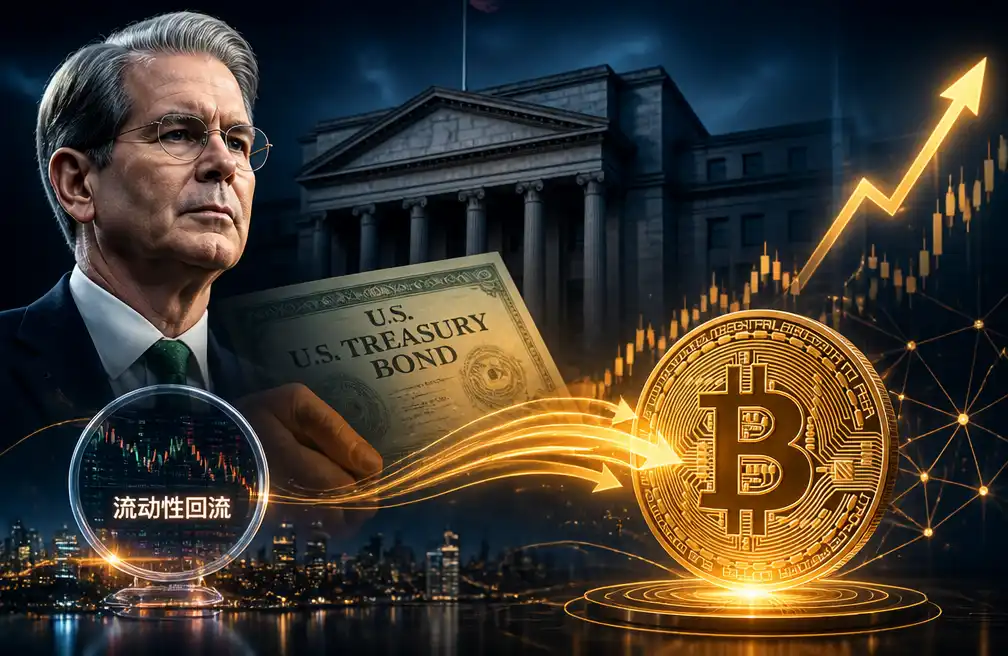
On August 19, U.S. Treasury Secretary Scott Bessent significantly increased the limits for buying back long-term Treasury bonds (10, 20, and 30-year maturities), calling it a "Treasury Twist Operation." The goal was to lower soaring long-term yields, which had recently hit multi-decade highs, by boosting demand for these bonds. However, the effect on yields was brief and limited. The article explains that the Treasury's bond buybacks, funded by issuing more short-term debt or using its cash reserves, do not create new money but merely restructure government debt. Major factors pushing yields higher—such as large budget deficits, corporate borrowing for AI investments, inflation driven by rising oil prices, and Federal Reserve policy uncertainty—remained unaddressed, limiting the operation's impact. Instead of taming bond yields, the intervention was interpreted by markets as a sign of official concern over debt sustainability and potential future currency depreciation. This triggered a rally in assets perceived as hedges against such risks: Bitcoin surged toward $80,000, gold rose, and the U.S. dollar weakened. Further context includes Bessent's unusual suggestion for corporations to issue more medium-term ("belly") debt and the potential long-term role of dollar-pegged stablecoins (backed heavily by Treasuries) in influencing government borrowing costs. The move broke with the Treasury's traditional "regular and predictable" debt management approach. Analysts warn that such unexpected interventions could ultimately increase long-term borrowing costs if they erode investor confidence, creating a potential "Bessent put" similar to the "Greenspan put" for equities. Ultimately, the operation twisted markets for currencies and alternative assets more than the Treasury yield curve itself.

marsbit8 saat önce

Bessent Repurchases U.S. Treasury Bonds, So Why Is Bitcoin Rising?

marsbit8 saat önce

Deposits in RWA Tripled — Traditional Finance Chooses Blockchain

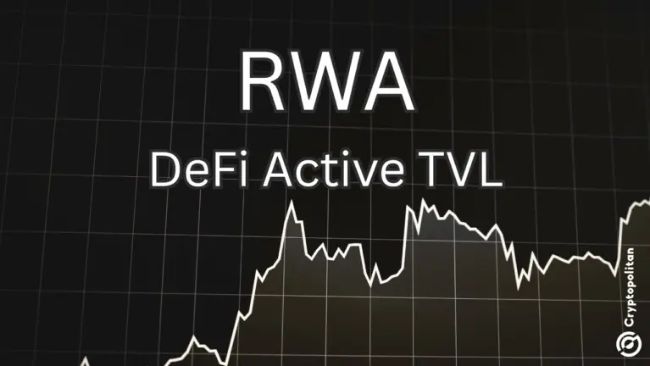
The decentralized finance (DeFi) sector is undergoing a structural shift, with tokenized real-world assets (RWA) taking center stage. According to a joint report by CoinShares and Token Terminal, deposits in RWA lending and trading platforms tripled year-over-year, reaching $7.4 billion in Q2 2026. This explosive growth starkly contrasts with a 15% decline in overall DeFi deposits and a nearly 70% drop in DEX trading volumes over the same period. Analysts highlight this divergence as evidence of a fundamental shift: demand is driven not by speculation but by the genuine utility of blockchain for traditional finance. The primary drivers are tokenized U.S. Treasury bonds and multi-strategy funds, like BlackRock's BUIDL, which investors use as reliable collateral to secure stablecoin loans while earning yield. The Ethereum network hosts about 70% of all RWA collateral. Beyond government bonds, the tokenization of equities and commodity derivatives is advancing. The tokenized equity market is estimated at $2.2 billion, while perpetual futures on assets like oil and the S&P 500 have seen explosive growth on platforms like TradeXYZ. Standard Chartered projects the total tokenized asset market could reach $4 trillion by 2028. This growth signals that RWA has moved beyond crypto market cycles, offering tangible value, deep liquidity, and 24/7 global access, marking a new phase of institutional scaling for blockchain-based finance.

cryptonews.ru21 saat önce

Deposits in RWA Tripled — Traditional Finance Chooses Blockchain

cryptonews.ru21 saat önce

Bitcoin Approaches the $80,000 Mark! Will This Rise Continue? Analysts Warn!

Bitcoin's recent surge is nearing the $80,000 mark, but analysis from CoinShares suggests the price could retreat below this level in the short term. According to the firm, a sustained breakthrough above $80,000 would require a clear signal from the U.S. Federal Reserve that it will not enact further monetary policy tightening. The report attributes Bitcoin's recent gains primarily to macroeconomic conditions, specifically moderated U.S. inflation and weakening labor market data, which have reduced expectations for more aggressive Fed actions. Despite hawkish tones in recent FOMC meeting minutes, subsequent data has further diminished the likelihood of additional policy tightening. Bitcoin, being sensitive to liquidity expectations and real interest rate changes, reacted sharply to these developments. Market indicators show a decline in short-term U.S. Treasury yields, suggesting investors do not anticipate further rate hikes. Conversely, high 30-year Treasury yields reflect persistent concerns about U.S. fiscal prospects and debt sustainability. Analysts note that this combination of expected monetary easing and long-term bond market worries has historically created a favorable environment for Bitcoin. The rally was partly fueled by large-scale short position liquidations, with blockchain data indicating renewed accumulation by major investors. However, CoinShares warns that the $80,000 level will likely remain a critical resistance ceiling unless the Fed explicitly confirms a shift in policy risks.

cryptonews.ru08/21 18:55

Bitcoin Approaches the $80,000 Mark! Will This Rise Continue? Analysts Warn!

cryptonews.ru08/21 18:55

U.S. Market Trend (August 20): U.S. Treasury Intervention Halts Stock Decline; Moderna's Cancer Vaccine Breakthrough Sparks 180% Surge

U.S. Stocks Rebound on Treasury Intervention; Moderna Soars 180% on Cancer Vaccine Breakthrough Key Points: • U.S. stocks ended a three-day decline, with the rebound driven primarily by the U.S. Treasury Department's move to significantly increase its long-term bond repurchase ceiling. This action briefly pushed the 30-year Treasury yield down by about 10 basis points, easing long-term interest rate pressures. • Despite this, the market faced a countervailing force from the hawkish July FOMC meeting minutes, which revealed broader support for potential rate hikes among officials due to lingering inflation concerns. • Moderna shares skyrocketed nearly 180% after announcing positive Phase 3 trial results for its personalized mRNA cancer vaccine in partnership with Merck, which also rose nearly 13%. This fueled a major rally in the healthcare sector. • Contrary to the broader market, the Philadelphia Semiconductor Index fell over 2%, highlighting persistent pressure on the AI hardware chain. Concerns include AI's potential inflationary impact and questions about application-side cash flows supporting high capital expenditures. • Commodities and cryptocurrencies rallied alongside the equity rebound, supported by a weaker dollar and lower long-term yields. Geopolitical risks continued to underpin oil prices. Outlook: Market focus shifts to whether long-term bond yields stabilize post-intervention, upcoming U.S. economic data (jobless claims, Philly Fed index), and the impact of SK Hynix's massive share buyback plan on the memory chip sector. The tech sector's full recovery remains contingent on the semiconductor index's performance.

marsbit08/20 01:36

U.S. Market Trend (August 20): U.S. Treasury Intervention Halts Stock Decline; Moderna's Cancer Vaccine Breakthrough Sparks 180% Surge

marsbit08/20 01:36

活动图片