Behind the $53.4 Billion Proposal to Acquire PayPal: Stripe's Ambitions in Crypto Payments
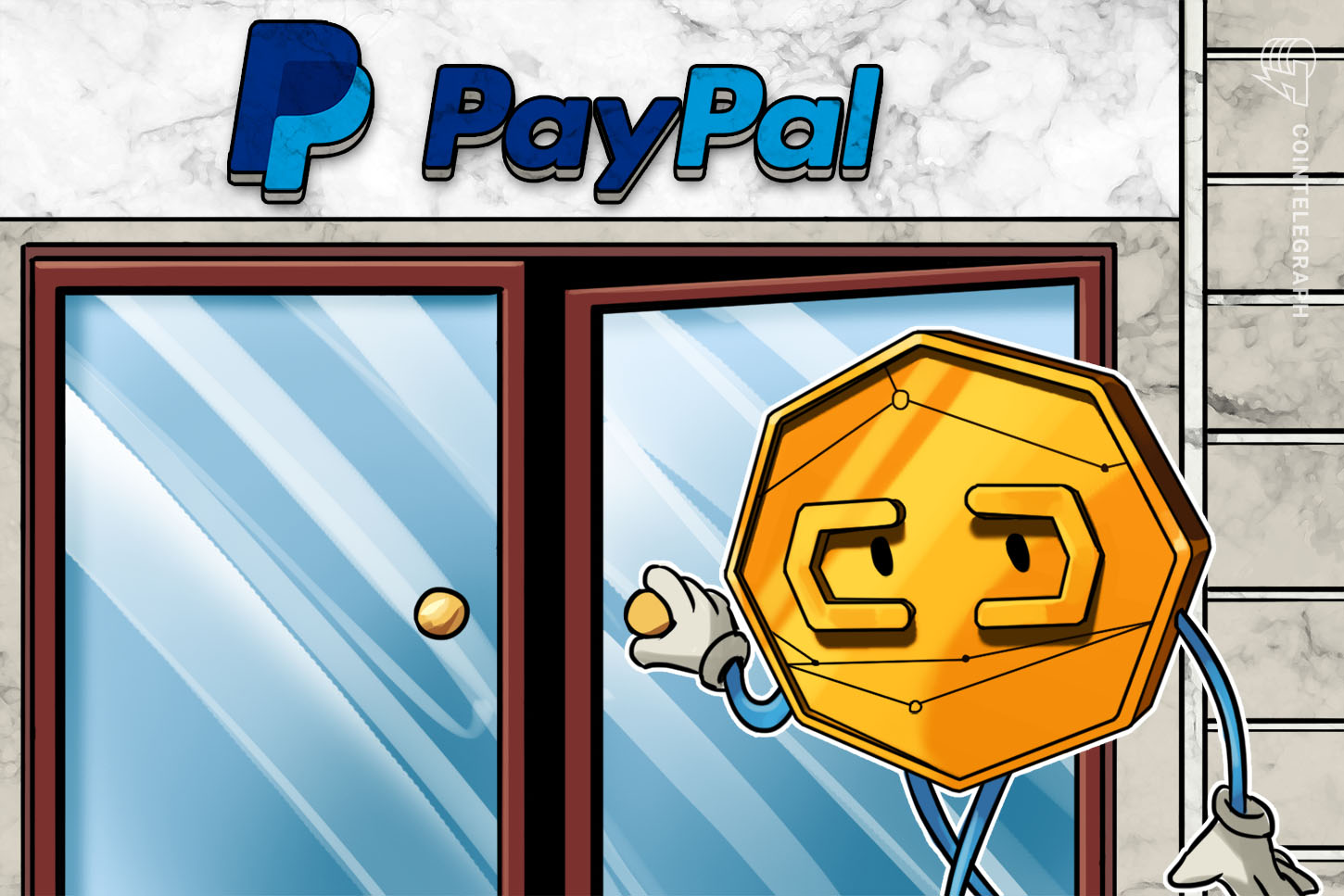
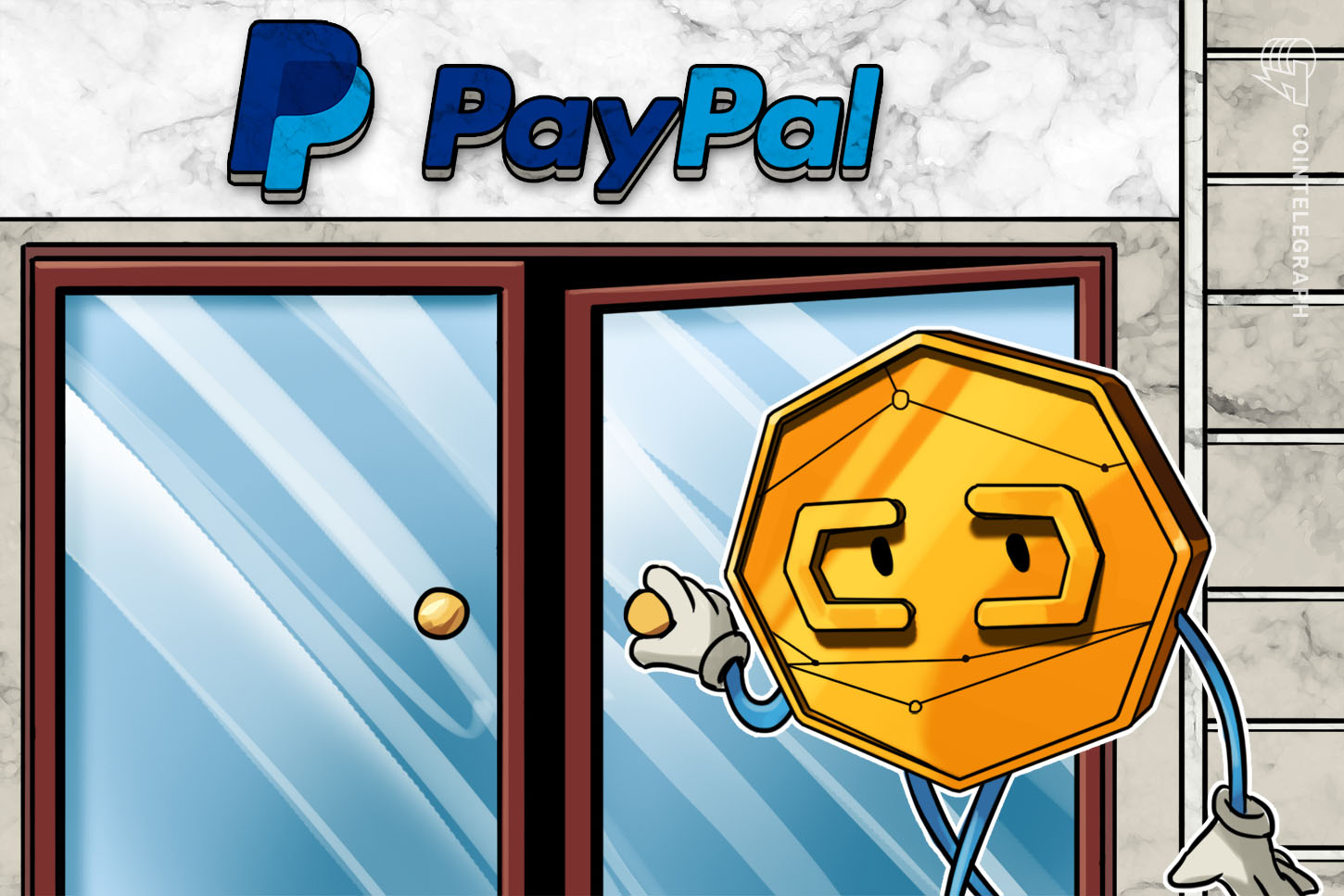
Payment giant Stripe, reportedly alongside private equity firm Advent International, has made a $53.4 billion acquisition offer for PayPal. This potential deal, the largest in fintech history, is seen as a strategic move to advance Stripe's ambitions in the crypto payments sector.
Stripe has been quietly building a comprehensive stablecoin ecosystem, acquiring infrastructure like stablecoin issuer Bridge and wallet service Privy, co-incubating the Tempo blockchain for payments, and backing the new Open USD (OUSD) stablecoin. However, it lacks direct access to a mass consumer base—a gap that PayPal, with its hundreds of millions of active accounts, Venmo app, and own PYUSD stablecoin, perfectly fills.
The core motivation for the acquisition is speculated to be securing a massive distribution channel for Stripe’s stablecoin infrastructure. The integration could create a closed-loop system: Stripe serving merchants, PayPal/Venmo reaching consumers, and stablecoins facilitating low-cost, direct settlements, bypassing traditional card networks. This signals a strategic shift in the crypto industry, where competition is moving from building superior payment rails to capturing user-facing traffic portals.
Key unresolved questions remain, including the future of PYUSD and Venmo's potential role as a front-end for the Tempo blockchain. While the deal's success is uncertain and faces challenges like cost-control priorities from Advent, its mere proposal underscores Stripe's long-term vision. A successful acquisition would not only reshape traditional finance but also significantly boost Tempo's position in the competitive blockchain landscape by giving it mainstream reach. Regardless of the outcome, Stripe's methodical buildup indicates its stablecoin-powered commercial empire is just beginning.
Foresight News07/20 02:12