What Can OpenClaw Do? A Deep Dive into 10 Real-World Use Cases from a Power User
Based on Matthew Berman's real-world use cases, this article details how OpenClaw, a powerful AI framework, can be deployed to automate a wide range of tasks, effectively replacing the functions of a small operations team. The ten core use cases are:
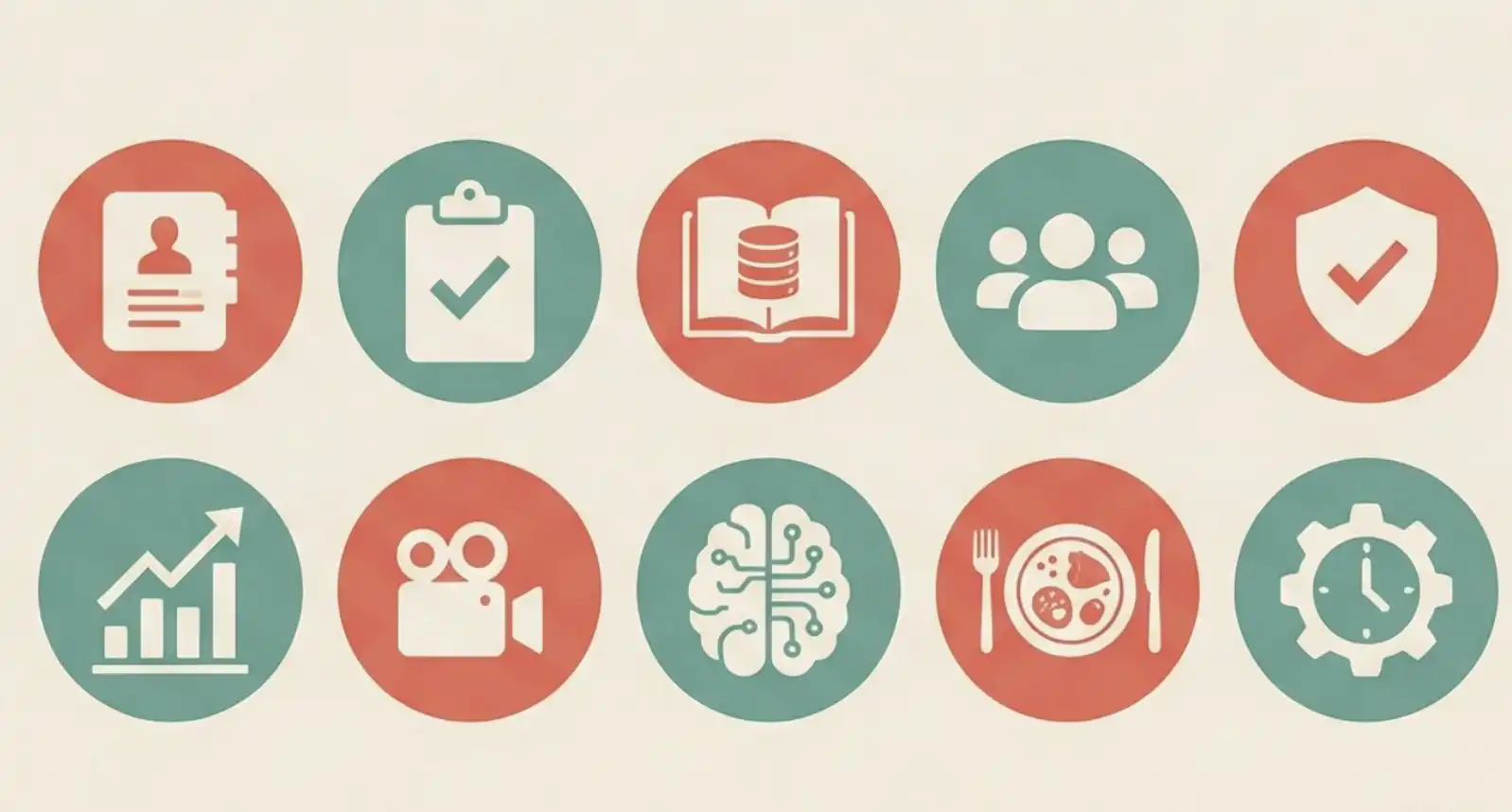
1. **Natural Language CRM:** Built in 30 minutes with no code, it integrates with Gmail and calendar, filters important contacts/emails, and enables semantic search and relationship health scoring.
2. **Meeting Action Item Tracker:** Automatically extracts tasks from transcribed meetings, distinguishes between user and others' responsibilities, tracks completion, and learns from user feedback.
3. **Personal Knowledge Base:** Users simply share links (articles, videos, PDFs) via Telegram; OpenClaw automatically processes, stores, and enables natural language search on the content.
4. **Business Advisory Board:** Eight AI expert agents analyze 14 different business data sources nightly, debate findings, and deliver prioritized, consolidated recommendations.
5. **Security Committee:** A multi-agent system runs a nightly audit of the entire codebase, logs, and data for vulnerabilities, offering fixes and evolving its rules.
6. **Social Media Tracker & Daily Briefing:** Automatically pulls analytics from multiple platforms for a daily performance report and feeds this data to the advisory board.
7. **Video Topic Pipeline:** Turns a Slack message into a fully researched video outline, complete with title suggestions and background research, then creates an Asana task.
8. **Memory System:** The AI maintains a persistent memory of user preferences and conversation history, allowing it to understand context and adapt its personality for different channels.
9. **Food Diary:** Users log meals via photos; the AI identifies food, correlates it with symptom reports, and helped identify a previously unknown food sensitivity.
10. **Automated Infrastructure:** A robust backend handles scheduled tasks (CRM scans, backups, updates), encrypted backups, and API usage tracking.
The article emphasizes that the true power lies not in individual features but in how these interconnected systems create a "data flywheel," where outputs from one module become inputs for others, massively boosting productivity. It concludes that the key modern skill is orchestrating such AI workflows with natural language, not just coding.
marsbit02/23 07:39