# Electronics İlgili Makaleler

HTX Haber Merkezi, kripto endüstrisindeki piyasa trendleri, proje güncellemeleri, teknoloji gelişmeleri ve düzenleyici politikaları kapsayan "Electronics" hakkında en son makaleleri ve derinlemesine analizleri sunmaktadır.

E Fund "Quits Drinking"

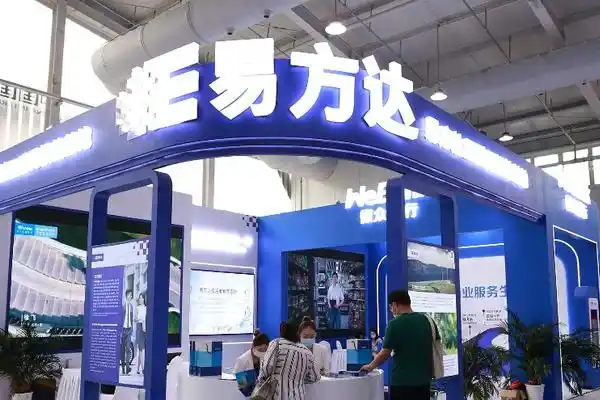
"Yi Fang Da 'Gives Up Alcohol'" - Summary The article analyzes the recent portfolio adjustments of star fund manager Zhang Kun, focusing on his flagship funds, the Yi Fang Da Blue Chip Select and Yi Fang Da Quality Select. The key trend highlighted is a significant and ongoing reduction in exposure to the consumer sector, particularly liquor (baijiu) stocks like Kweichow Moutai and Wuliangye, which were once core holdings. This shift is driven by several factors: a downturn in the consumer sector's business cycle post-pandemic, with slowing earnings growth for major players; a change in consumer behavior towards value over premium brands; and high channel inventory pressures, especially in the liquor industry. These fundamentals have led to a prolonged phase of valuation contraction for consumer stocks. Concurrently, market capital has rotated aggressively towards the high-growth technology sector, especially AI-related chains, which have dominated fund inflows. This style shift has further diminished the attractiveness of traditional consumer "core assets" for many funds. As a result, Zhang Kun's funds have drastically cut their consumer stock allocations. For example, the Blue Chip Select's baijiu holding proportion has fallen from over 40% to around 20%, and its overall top 10 holdings concentration dropped sharply. This mirrors a broader trend in the active equity fund industry, where allocations to consumer staples have plummeted to multi-year lows while technology holdings have surged. The article concludes that while the consumer sector's valuations are now at historical lows, offering some margin of safety, the fundamental outlook remains challenging due to weak macro consumption recovery and intense internal competition. Therefore, the sector is likely to see only sporadic rebounds rather than a sustained recovery, continuing to weigh on the performance of funds still heavily invested in it. Zhang Kun's timely reduction of Korean semiconductor holdings in his Asia Select fund amid a market crash is also noted as a contrast to his domestic strategy.

marsbit07/30 03:06

E Fund "Quits Drinking"

marsbit07/30 03:06

UBS Interpretation: Public Funds' Tech Holdings Hit Record High, Electronics Becomes Core Increase in Q2

According to UBS's latest China equity strategy report, in Q2 2026, mutual funds' allocations to A-share "hard tech" reached a historical high. The electronics and telecommunications sectors, along with the STAR and ChiNext boards, were the primary focus of increased holdings. The standout figure is the mutual fund allocation to the major technology sector (encompassing electronics, telecom, computers, and defense), which rose to 57.3%, with an overweight position of 18.5%—both setting new records. UBS calculations show the electronics sector alone saw a 20.2 percentage point increase in allocation for the quarter, making it the strongest area of buying. Telecom and machinery allocations also rose. This trend was reinforced by foreign capital inflows. Estimates from major securities firms indicate northbound capital turned to a net inflow of over 2.1 trillion yuan in Q2, a sharp reversal from Q1 outflows. According to UBS's sector classification, industrials and IT were the main destinations for these inflows. The shift wasn't broad-based but concentrated in specific tech areas. Concurrently, holdings in traditional sectors like consumer staples and certain cyclicals declined. The allocation to the STAR and ChiNext boards also hit record highs, indicating a broader exposure to high-growth tech assets beyond just leading industries. Furthermore, the expansion of actively managed technology-themed funds—now constituting 27.5% of total active mutual fund AUM—suggests this is a structural shift in fund focus, not merely short-term portfolio rotation. While this concentration of institutional capital can provide valuation support and liquidity for the hard tech sector, the report cautions that historically high positioning also increases susceptibility to short-term volatility, profit-taking, and external market shocks. The sustainability of the trend will depend on the concurrent realization of upward earnings revisions, stabilization of leverage, and continued foreign capital inflows, all against a backdrop of supportive policies for AI, semiconductors, and advanced manufacturing.

marsbit07/24 07:20
UBS Interpretation: Public Funds' Tech Holdings Hit Record High, Electronics Becomes Core Increase in Q2

marsbit07/24 07:20

Second Only to GPUs and Memory: MLCCs Are Becoming the Next Billion-Dollar Windfall for AI Computing Power

After GPU and memory, MLCC (Multi-Layer Ceramic Capacitors) is emerging as the next critical component in AI compute, potentially a multi-billion-dollar market. The article highlights a significant, industry-wide price increase for MLCCs, driven not by inventory cycles but by a fundamental, structural demand surge from AI and automotive sectors. AI servers require exponentially more MLCCs than traditional servers—from 2,000 to over 350,000 units per high-end AI rack—primarily to stabilize power for increasingly powerful, low-voltage GPUs. A key AI server's MLCC cost can reach thousands of dollars, making it the third-largest cost component after GPUs and memory. This demand is compounded by the automotive shift to EVs and advanced ADAS. Supply, however, struggles to keep up. Manufacturing high-end MLCCs involves extreme precision and faces six major barriers: proprietary technology, long customer certification cycles (12-18 months for AI), high capital intensity, patent thickets, specialized talent, and massive scale. Industry capacity grows at only ~10% annually, creating a persistent supply-demand gap projected to last until 2030. Three companies dominate this high-end market. **Murata** (40% global share) is the stable leader. **Samsung Electro-Mechanics** offers the highest growth elasticity with aggressive expansion. **Taiyo Yuden** is the purest MLCC play. While their current P/E ratios appear high, they are expected to compress rapidly as earnings surge, powered by significant pricing power and operational leverage. Key risks include a potential slowdown in AI capex, high valuations, competition from Chinese manufacturers in lower tiers, yen appreciation, and consumer electronics weakness. The article concludes that MLCCs are transforming from a commoditized component into a strategic, capacity-constrained asset essential for the AI-powered future.

marsbit06/10 01:07

Second Only to GPUs and Memory: MLCCs Are Becoming the Next Billion-Dollar Windfall for AI Computing Power

marsbit06/10 01:07

活动图片