# BaaS İlgili Makaleler

HTX Haber Merkezi, kripto endüstrisindeki piyasa trendleri, proje güncellemeleri, teknoloji gelişmeleri ve düzenleyici politikaları kapsayan "BaaS" hakkında en son makaleleri ve derinlemesine analizleri sunmaktadır.

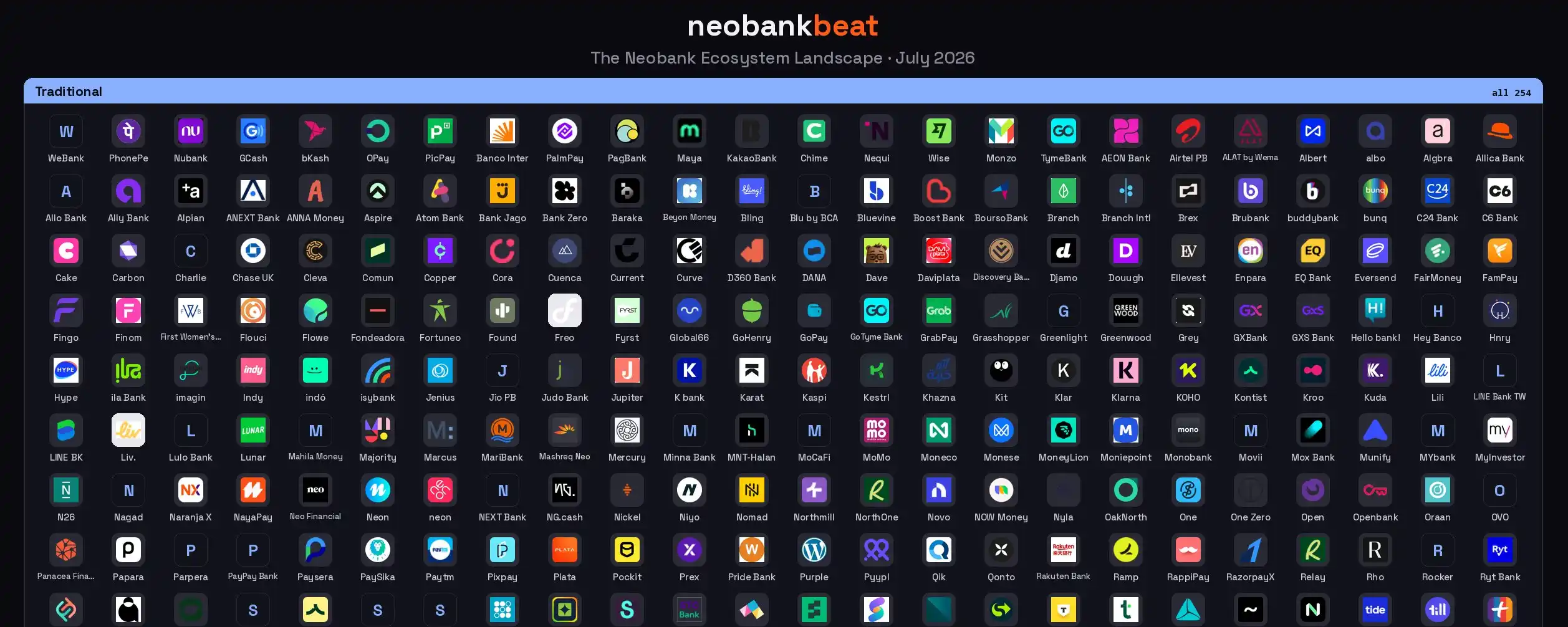
The Truth Behind Digital Banking: The Fragile Ecosystem Supporting 1.46 Billion Users

The article "The Truth About Digital Banks: The Fragile Ecosystem Behind 1.46 Billion Users" provides a data-driven analysis of the digital banking sector based on a verified list of 368 active neobanks as of July 2026. While these platforms collectively serve 1.46 billion users, with Asia (817 million users) and institutions like WeBank and Nubank dominating the landscape, the sector faces significant structural vulnerabilities. A key finding is that only 127 of the 368 neobanks hold full banking licenses. The majority operate atop third-party infrastructure providers like Banking-as-a-Service (BaaS) platforms, creating systemic risk where the failure of a single provider, as seen in past cases like Wirecard and Synapse, can jeopardize multiple consumer brands. Furthermore, the industry experiences a steady, quiet stream of failures, mergers, and shutdowns that often go unreported. The analysis also examines the adoption of artificial intelligence (AI), finding only 67 platforms (18%) have deployed AI at scale, with many innovators based in emerging markets like Nigeria and the Philippines. The infrastructure layer is highly concentrated, with 106 providers supporting the entire ecosystem of 368 consumer-facing brands. The article concludes with three predictions: the unlicensed gap will close through acquisitions or exits; an AI credit model is likely to fail in the next economic downturn; and a nascent but significant trend is the emergence of financial services designed for AI agents rather than humans.

marsbit07/28 11:06

The Truth Behind Digital Banking: The Fragile Ecosystem Supporting 1.46 Billion Users

marsbit07/28 11:06

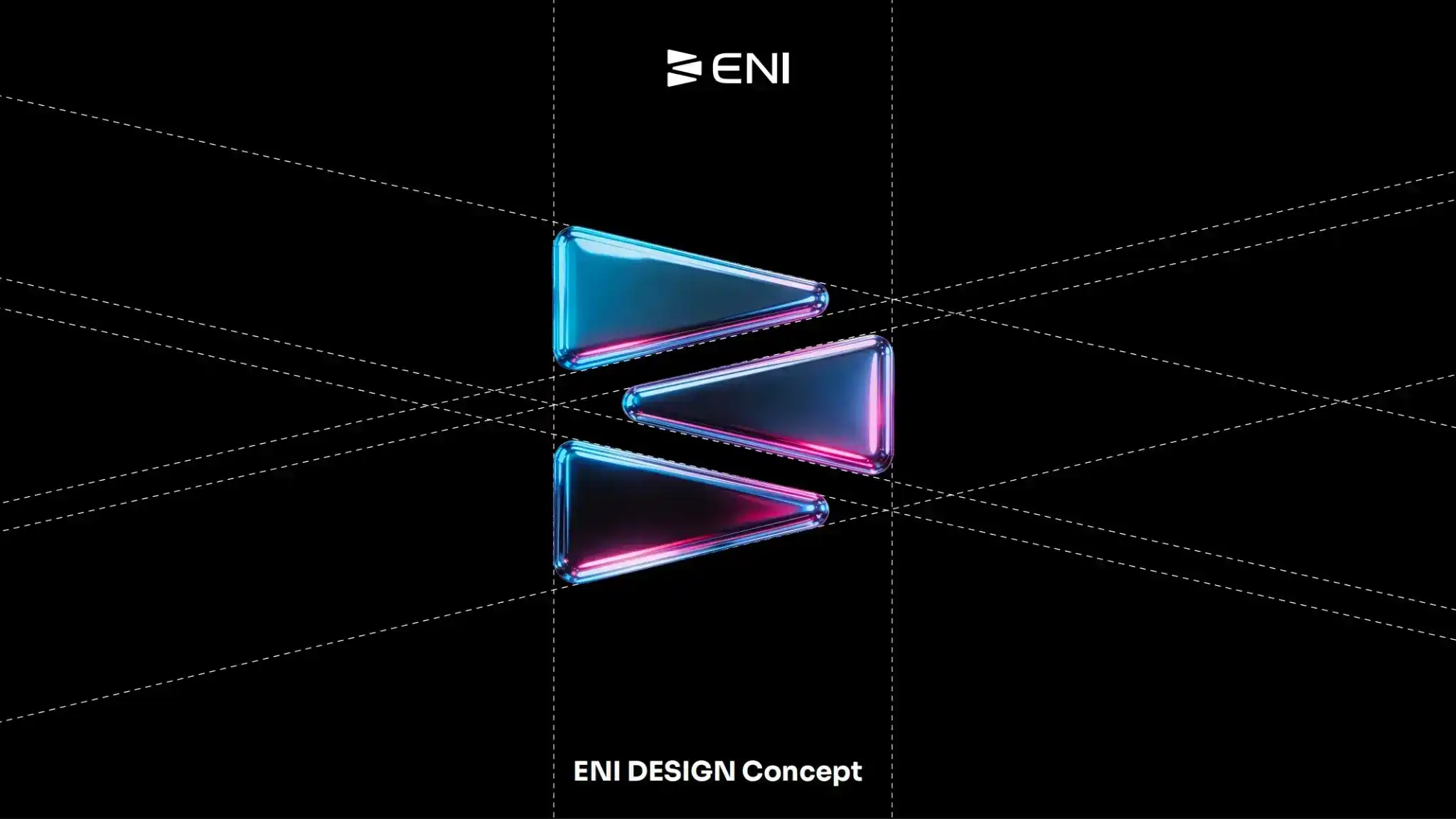
ENI Officially Announces Completion of Strategic Brand Upgrade: Evolving from Underlying Protocol to Global Institutional-Grade Financial Infrastructure

ENI Announces Strategic Brand Upgrade: Evolving from Underlying Protocol to Global Institutional-Grade Financial Infrastructure At the Hong Kong Web3 Festival on April 20, 2026, ENI founder and CEO Arion Ho announced the completion of a comprehensive brand, website, and visual system upgrade. This marks a significant shift from being an "underlying public chain" to an enterprise-grade Blockchain-as-a-Service (BaaS) platform, positioning ENI as a key infrastructure provider bridging traditional finance (TradFi) and Web3. The rebranding emphasizes precision and professionalism, reflected in a refined visual identity featuring a 25-degree tilt and a 1:4 golden ratio in its design elements. This aesthetic upgrade, led by a top-tier design team with experience from Hermès and ByteDance, underscores ENI’s commitment to institutional-grade trust and global sophistication. ENI now functions as a bridge between technological innovation and real-world business applications. It offers tailored architecture solutions for large institutions and standardized, low-friction BaaS tools for SMEs, enabling seamless integration of Web3 capabilities into existing business models. The announcement in Hong Kong, a global financial hub, signals ENI’s matured, global-ready approach to supporting the commercial adoption of Web3. By providing a stable, standardized platform, ENI aims to facilitate the secure migration of real-world assets and operations into the digital economy.

marsbit04/22 10:23

ENI Officially Announces Completion of Strategic Brand Upgrade: Evolving from Underlying Protocol to Global Institutional-Grade Financial Infrastructure

marsbit04/22 10:23

Selling Assets While Racing for a Bank Charter: What's the Rush at PayPal?

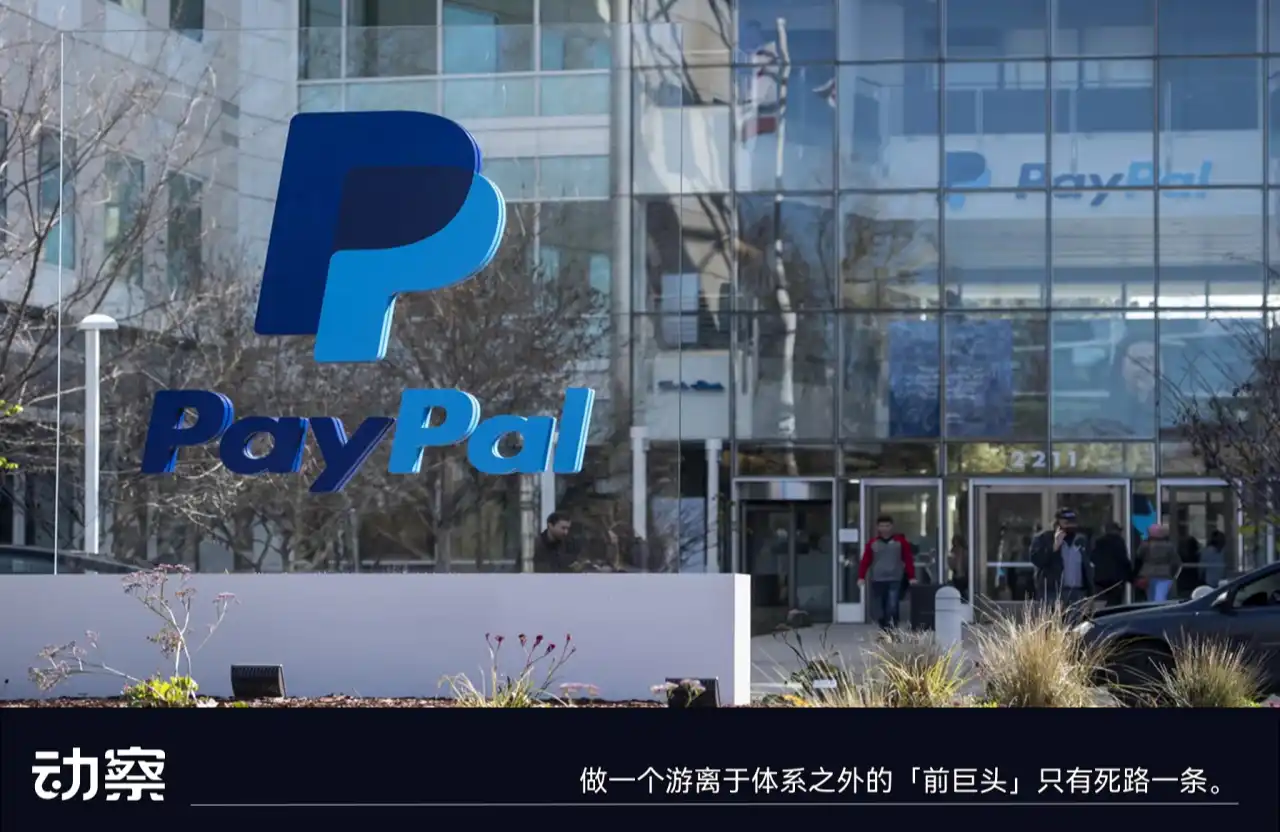
Facing intense pressure from the shifting financial landscape, PayPal is making two seemingly contradictory moves: selling off $7 billion in "Buy Now, Pay Later" loan assets while simultaneously applying for an industrial bank charter (ILC) to establish "PayPal Bank." The core reason is a strategic pivot to escape the vulnerabilities of its current "rent-a-license" model. For years, PayPal's massive lending business relied on WebBank's charter, making it a "middleman" whose core operations were dependent on a partner. A recent crisis involving a similar intermediary, Synapse, which froze user funds, highlighted the extreme risk of this model. Furthermore, in a high-interest-rate environment, PayPal is missing out on billions in profit by parking its 430 million users' funds at partner banks instead of leveraging them as low-cost deposits to earn interest and lending revenue itself. The urgency is amplified by the existential threat of stablecoins. PayPal's own stablecoin, PYUSD, is issued by a partner, Paxos. As regulators move to grant such partners official banking status and new legislation like the GENIUS Act takes shape, control over stablecoin issuance—and its near-zero-fee model—is shifting to licensed entities. This directly threatens PayPal's core business, which relies on high transaction fees for e-commerce payments. To survive, PayPal must control the entire financial stack. The asset sale was a crucial prerequisite for the bank application. By offloading the risky loan assets, PayPal presented a "clean" balance sheet to regulators (the FDIC), drastically increasing its chances of approval for the highly coveted ILC charter. This charter is a rare "backdoor" that allows commercial companies like PayPal to operate a bank without the parent company becoming a heavily regulated bank holding company. PayPal is racing against time. Regulatory scrutiny on ILCs is increasing, and this window of opportunity may soon close. The bank charter is not just about loans; it's an option for the future—allowing PayPal to legally custody crypto assets, connect to DeFi protocols, and transform from a payment processor into a full-scale asset manager for the Web3 era. This is a desperate bid for survival: to become the J.P. Morgan of crypto or risk becoming a relic of the early internet.

marsbit12/17 10:15
Selling Assets While Racing for a Bank Charter: What's the Rush at PayPal?

marsbit12/17 10:15

活动图片