Participants in Scheme to Steal 100 Million Rubles via Souvenir Banknotes Detained in Moscow and Regions

cryptonews.ru2026-08-28 tarihinde yayınlandı2026-08-28 tarihinde güncellendi

Özet

Russian police have arrested eight suspects in Moscow and several regions for allegedly stealing over 100 million rubles from banks using souvenir banknotes. The scheme, allegedly masterminded by a Moscow resident, involved printing souvenir notes designed to mimic 5,000-ruble Bank of Russia banknotes. Accomplices then deposited these counterfeits into ATMs to credit funds onto "dropper" bank accounts registered to straw persons. The investigation began after bank security services reported discovering over a thousand such souvenir notes during cash collection. Searches across multiple regions led to the arrests and the seizure of printing equipment used to produce the notes. Investigators believe the group deposited over 20,000 fake items into ATMs. A criminal case has been opened for large-scale theft. All suspects have been remanded in custody as the investigation continues to uncover further details and potential accomplices. This case highlights vulnerabilities in automated cash acceptance systems, where ATMs can be tricked by physical forgeries, combined with the digital anonymity provided by dropper cards to launder the stolen funds.

Irina Volk, the official representative of the Russian Ministry of Internal Affairs (MVD), announced that officers from the Main Directorate for Criminal Investigation of the MVD of Russia, in collaboration with colleagues from the Internal Affairs Directorate for the North-Eastern Administrative District of the Main Directorate of the MVD for Moscow, have detained eight men. They are suspected of stealing an amount exceeding 100 million rubles from several Russian banks.

How the Scheme Operated

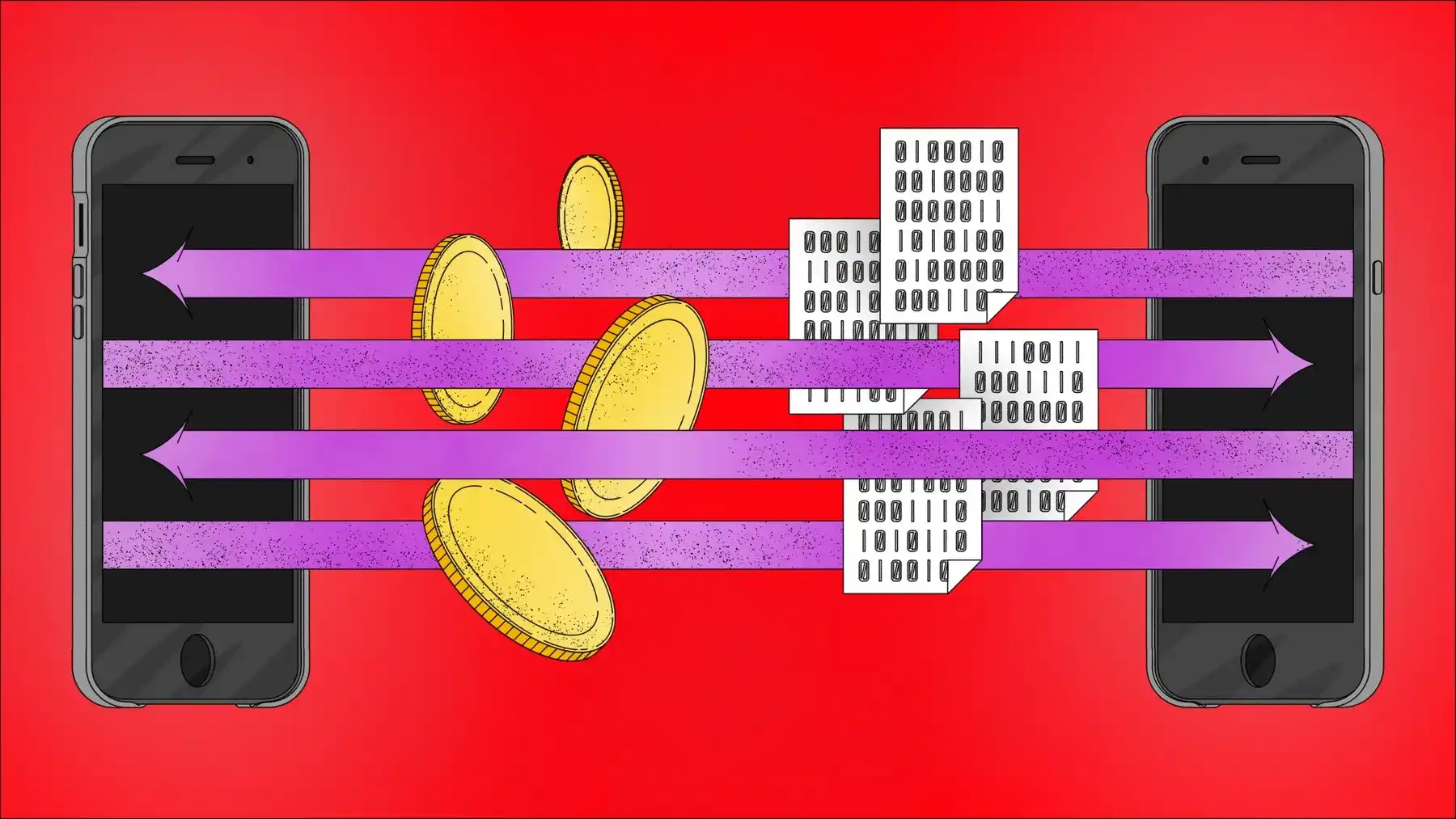
According to preliminary investigation data, the scheme was devised by a Moscow resident who recruited accomplices for its implementation — each member of the group played a separate role. The alleged organizer printed souvenir banknotes, visually resembling 5,000-ruble banknotes of the Bank of Russia, in his own apartment. He passed the finished products to accomplices, who then deposited them via ATMs onto "drop" bank cards — accounts opened in the names of straw persons specifically for conducting illegal operations.

How the Crime was Uncovered

Operatives tracked down the group after representatives of bank security services contacted the police. During cash collection, employees detected over a thousand souvenir banknotes. Further work immediately spanned several regions — Moscow, Moscow and Samara Oblasts, as well as Stavropol and Krasnodar Krais, where the 8 suspects were ultimately detained.

As the investigation established, the criminals managed to deposit over 20,000 paper items imitating five-thousand-ruble notes into ATMs. The damage inflicted on the banks exceeded 100 million rubles. During searches, equipment and devices used for manufacturing the souvenir products were seized from the individuals involved.

Criminal Case and Restrictive Measure

An investigator from the specialized department for investigating crimes of a general criminal nature — "remote thefts" — of the Investigation Department of the Internal Affairs Directorate for the SVAO of the Main Directorate of the MVD for Moscow initiated a criminal case based on signs of a crime stipulated by Part 4 of Article 158 of the Criminal Code of the Russian Federation — theft committed on an especially large scale. All individuals involved were assigned a restrictive measure in the form of detention.

The investigation continues operational and investigative measures to establish additional episodes and possible accomplices who were not identified in the initial stage of the investigation.

What is Known at This Time

  • 8 people detained in several regions of Russia

  • Damage to banks exceeded 100 million rubles

  • Over 20,000 souvenir banknotes and equipment for their printing seized

  • Criminal case initiated under Part 4 of Article 158 of the Criminal Code

The case shows how organized groups use a combination of physical forgery and digital tools — "drop" cards — to siphon funds out of the banking system. The investigation is ongoing, and its results may affect the number of individuals involved and the scope of the charges brought.

AI Opinion

The case demonstrates the vulnerability of automated cash acceptance: ATMs recognize the denomination and some security features of banknotes, but a complete imitation of the physical parameters of a five-thousand-ruble note allows the system to count the counterfeit as real funds. Authenticity detectors are designed more for isolated errors than for a mass stream of counterfeits passing through dozens of devices simultaneously.

Macroeconomic statistics confirm the rapid growth of such schemes in Russia — in the second quarter of 2026, the number of fraudulent operations via ATMs grew to 1,764 cases, exceeding the figure for the entire year of 2025. The use of "drop" cards adds a digital layer of anonymization to the physical forgery, complicating the identification of the ultimate beneficiaries of the theft. Will the ATM remain the vulnerable link in the system until bill acceptors learn to distinguish souvenir products from genuine monetary tokens?

end-content

İlgili Sorular

QAccording to the article, what specific item was counterfeited and used in the scheme to steal money from banks?

AThe counterfeit items were souvenir banknotes that closely resembled genuine 5,000-ruble banknotes of the Bank of Russia. The suspects printed these and deposited them into ATMs.

QHow much financial damage was caused to the banks according to the investigation?

AThe investigation determined that the banks suffered a financial loss exceeding 100 million rubles due to this scheme.

QWhat was the purpose of the 'dropper' or 'mule' bank cards mentioned in the scheme?

AThe 'dropper' or 'mule' bank cards were accounts registered under fake identities specifically for conducting illegal operations. The counterfeit souvenir banknotes were deposited into these cards via ATMs to launder and withdraw the stolen funds.

QUnder which specific article of the Russian Criminal Code was the criminal case initiated against the suspects?

AThe criminal case was initiated under Part 4 of Article 158 of the Russian Criminal Code, which pertains to theft committed on an especially large scale.

QWhat vulnerability in the banking system's infrastructure does the AI opinion in the article highlight as being exploited by this criminal group?

AThe AI opinion highlights the vulnerability of automated cash acceptance systems in ATMs. While ATMs check for denomination and some security features, a full physical imitation of genuine banknotes can allow the system to accept counterfeits as real money, especially when facing a mass influx of fakes rather than isolated incidents.

İlgili Okumalar

Two AI Giants Devour One-Third of Global New Computing Power, Nearing Half Next Year

Two AI giants, Anthropic and OpenAI, are projected to consume one-third of the world's new computing power this year, a share that could rise to nearly half by next year. By 2028, they may command the majority of the world's effective available AI compute, according to analysis by Dylan Patel of SemiAnalysis. This rapid growth is driven by soaring revenue per megawatt—Anthropic reportedly reaching up to $50 million per MW—which far exceeds the estimated $10-15 million cost. This creates a self-reinforcing cycle: higher earnings enable purchasing more advanced compute, leading to more powerful models and further revenue gains. While about 71% of AI compute is owned by major cloud providers, its usage is increasingly concentrated with these two labs. A significant portion of their compute (around 50%) is dedicated to research and experimentation rather than direct model training or inference. Looking ahead, Dylan suggests an increasing share of compute will be diverted from revenue-generating inference towards AGI research, despite potential investor pressure for returns. The massive capital expenditure—cumulatively around $11 trillion from 2024-2029—risks tightening global credit markets. Furthermore, government regulations, like withholding top-tier model releases or pausing data center tax exemptions, could disrupt the growth cycle by capping revenue-per-MW gains. The conversation highlights a concerning trend toward extreme centralization. As compute efficiency improves and costs drop, the "effective AI labor" controlled by a single leader could theoretically surpass the global human population within years. The core challenge is shifting from a race for AGI itself to a question of who will control it.

marsbit12 dk önce

Two AI Giants Devour One-Third of Global New Computing Power, Nearing Half Next Year

marsbit12 dk önce

QCP Capital: Bitcoin's Rally to $80,000 is Supported by Spot ETFs, Not Leverage

QCP Capital's report "Trial of Trust" analyzes Bitcoin's surge towards $80,000 ahead of the Jackson Hole Symposium, attributing it primarily to spot ETF inflows rather than leverage. The rally coincides with markets assessing the Federal Reserve's balancing act between persistent inflation and broader financial conditions, especially amid new pressure on the long end of the US Treasury yield curve. This pressure followed the US Treasury's August 19 announcement to at least double its buyback operations for 10-30 year bonds starting September 9, which lowered long-term yields and boosted assets like Bitcoin and gold. Meanwhile, inflation remains sticky, with July's core PCE at 3.3% year-on-year, keeping the Fed's September rate decision uncertain. The risk-on environment is also supported by the AI investment cycle, highlighted by Nvidia's strong earnings. However, this capital-intensive cycle contributes to demand for funding, influencing long-term bond yields. Crucially, Bitcoin's price increase from ~$63,5K to ~$80K occurred alongside eight consecutive days of net inflows (~$2.8B) into spot Bitcoin ETFs. Simultaneously, futures open interest declined and funding rates remained subdued, indicating the rally was driven by spot demand and short covering, not new leveraged long positions. The options market is now showing increased demand for calls. Bitcoin is approaching a supply zone of $81K-$86K. The key question is whether the uptrend remains supported by organic spot demand or becomes increasingly reliant on leverage. The market awaits Fed Chair Kevin Warsh's Jackson Hole speech for clues on the Fed's inflation framework and its view on long-term yield dynamics.

cryptonews.ru12 dk önce

QCP Capital: Bitcoin's Rally to $80,000 is Supported by Spot ETFs, Not Leverage

cryptonews.ru12 dk önce

İşlemler

Spot
活动图片