Hot Interactions Collection | Surf Launches Points System; MemeMax's MaxPacks Event Ongoing (January 30th)

Odaily星球日报2026-01-30 tarihinde yayınlandı2026-01-30 tarihinde güncellendi

Özet

Hot Interaction Roundup: Surf Launches Points System; MemeMax's MaxPacks Campaign Underway (Jan 30) Surf, an AI platform built for the crypto space, has officially launched its version 1.5 and introduced a personal points system. Users can earn "Surf Waves" points by subscribing to paid membership tiers (Plus, Pro, Max), actively using the platform for research, or inviting friends. The project recently completed a $15 million funding round led by Pantera Capital. MemeMax, a decentralized exchange platform for Meme tokens on the MemeCore chain, is running a Pre-Launch campaign. Users can earn MaxPacks by sending 10 transactions on the MemeCore chain before 8:00 AM UTC on January 31. Additionally, Twin, a platform that allows users to build infinitely scalable AI agents using natural language without coding, was featured. It recently secured $10 million in seed funding. Users can interact with its platform to earn 500 points and set up AI agents for tasks like price alerts.

Original | Odaily Planet Daily (@OdailyChina)

Author | Asher (@Asher_ 0210)

Surf: An AI Platform Built for the Crypto Space

Project Introduction

Surf is an AI platform built specifically for the crypto space, developed by the Cyber team. Its core highlight is the use of AI technology to accurately analyze on-chain data and user queries, offering high knowledge density and a smooth interactive experience. On December 10, 2025, Surf announced the completion of a $15 million funding round, led by Pantera Capital, with participation from Coinbase Ventures and Digital Currency Group.

On January 21st, Surf posted on platform X announcing that Surf version 1.5 is officially live and has introduced a personal points system.

Interaction Tutorial

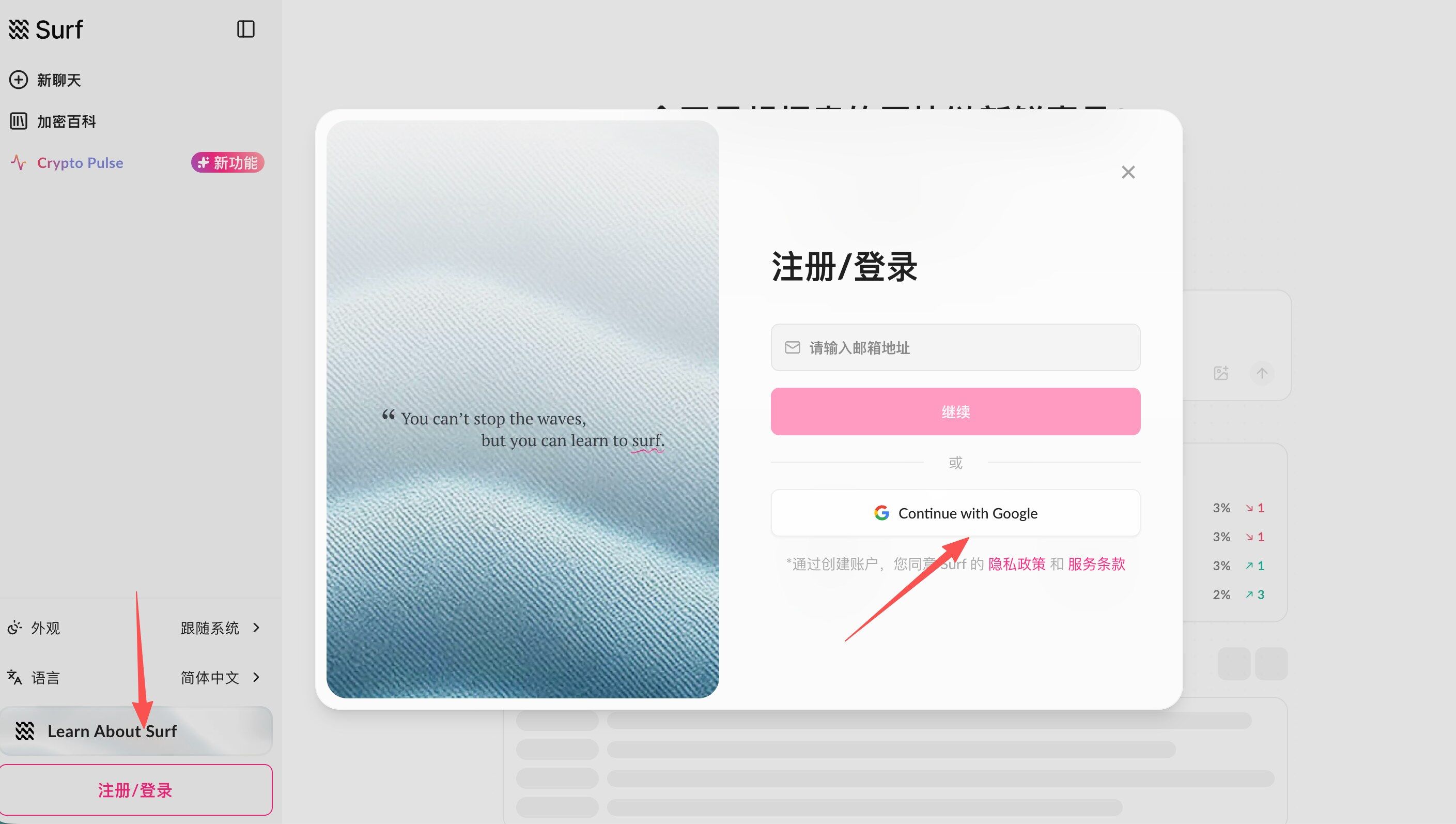
STEP 1. Go to the interaction website (Link: https://asksurf.ai/), and log in to your personal account using your Google email.
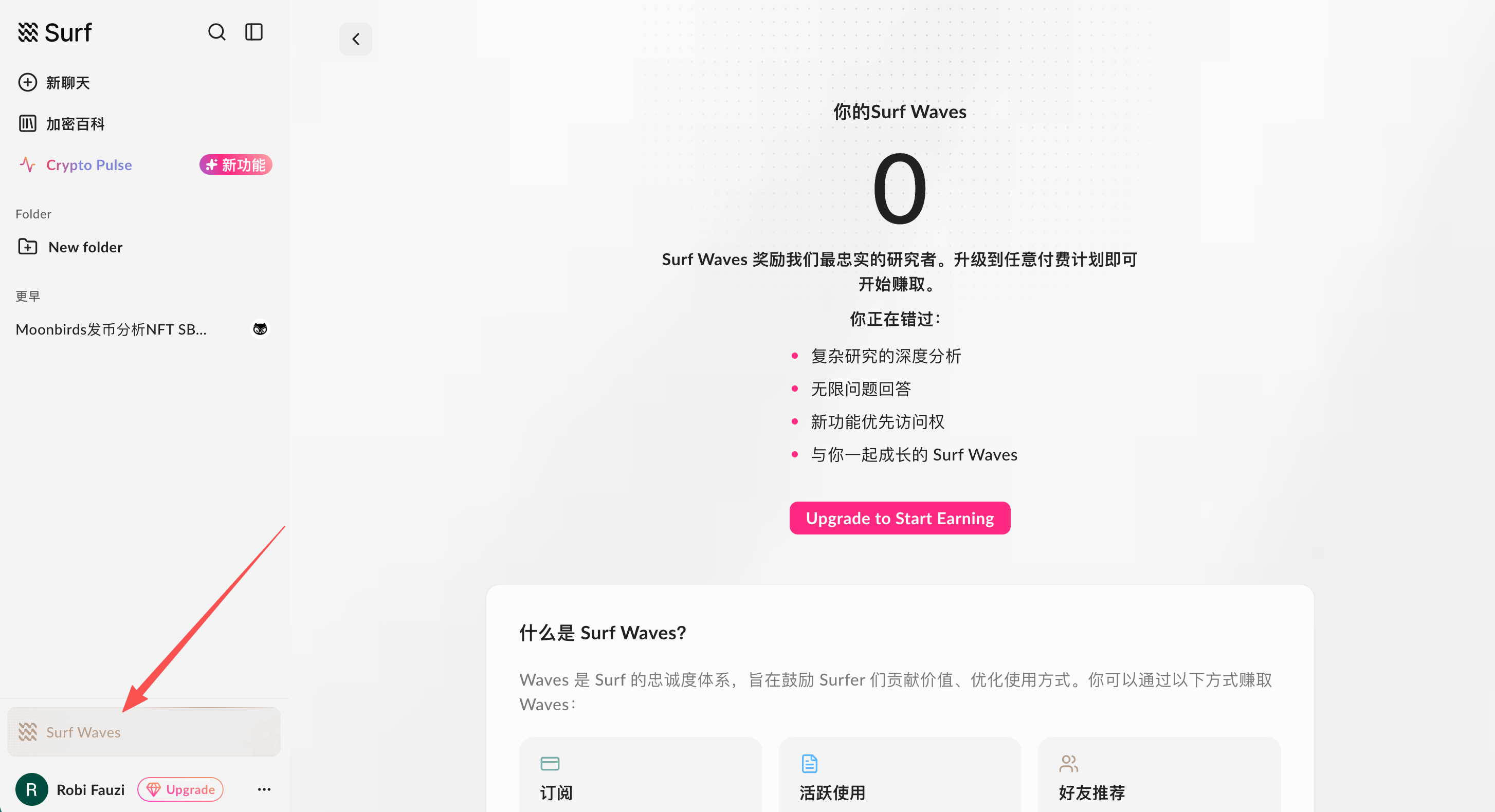
STEP 2. Click on "Surf Waves" to view your current personal points.
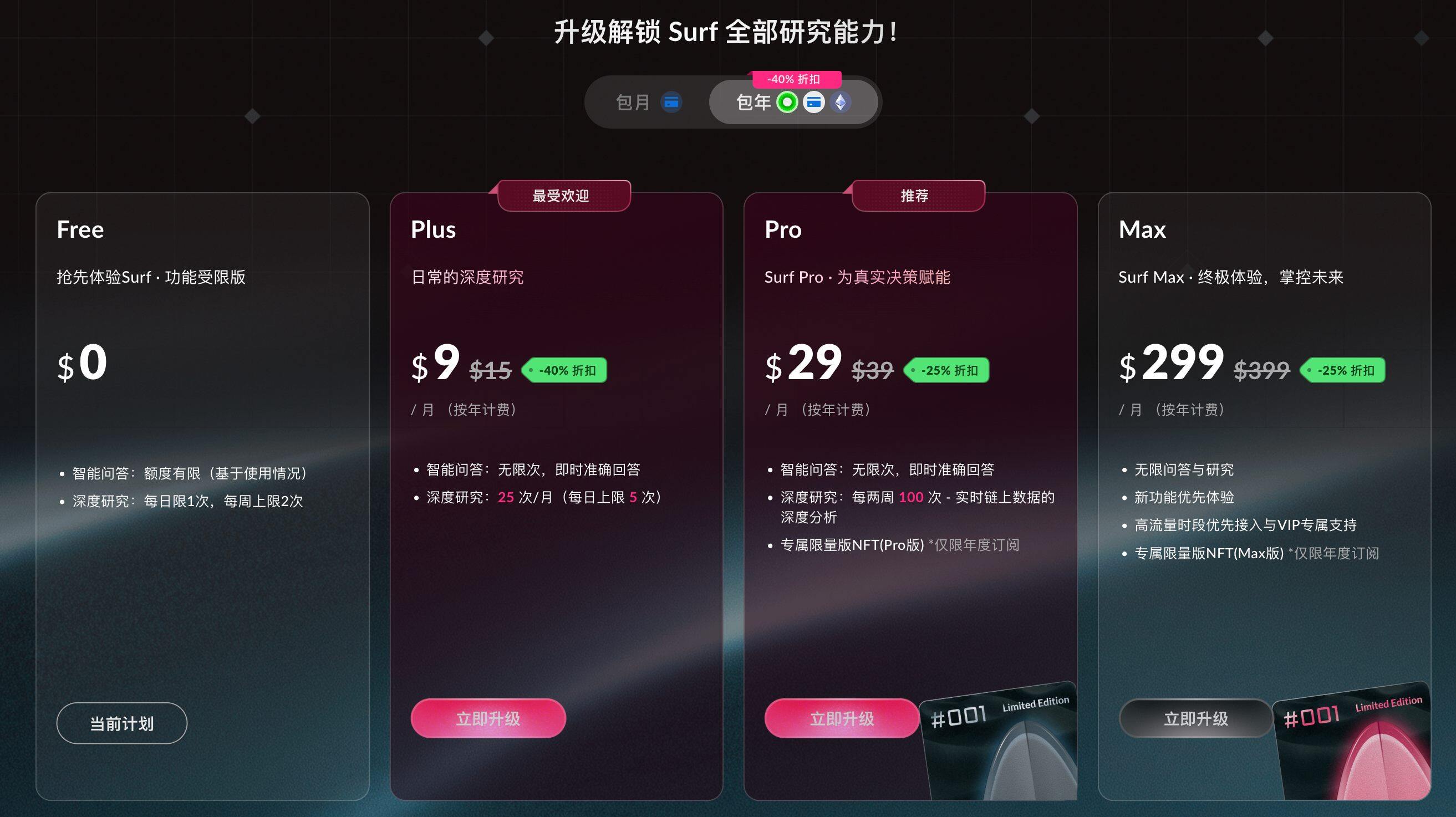
STEP 3. There are currently three ways to earn points: 1. Pay for a subscription to Plus, Pro, and Max level memberships (40% discount for annual payment) to receive points; 2. Actively use the platform - Pro users can perform 100 deep researches every two weeks, Plus users can perform 25 deep researches per month, and free users get 2 deep research opportunities per week; 3. Invite friends to earn points.
MemeMax: A Decentralized Exchange Built for Memes

Project Introduction

MemeMax is a decentralized exchange built specifically for Memes, operating on the MemeCore chain. Yesterday, MemeMax posted on platform X announcing that the Pre-Launch event will end at 8:00 AM Beijing Time on January 31st. You can still send 10 transactions on the MemeCore chain to obtain MaxPacks.

Interaction Tutorial

STEP 1. Go to the interaction website (Link: https://mememax.com/), connect your wallet to log into your personal account, and link your X account.
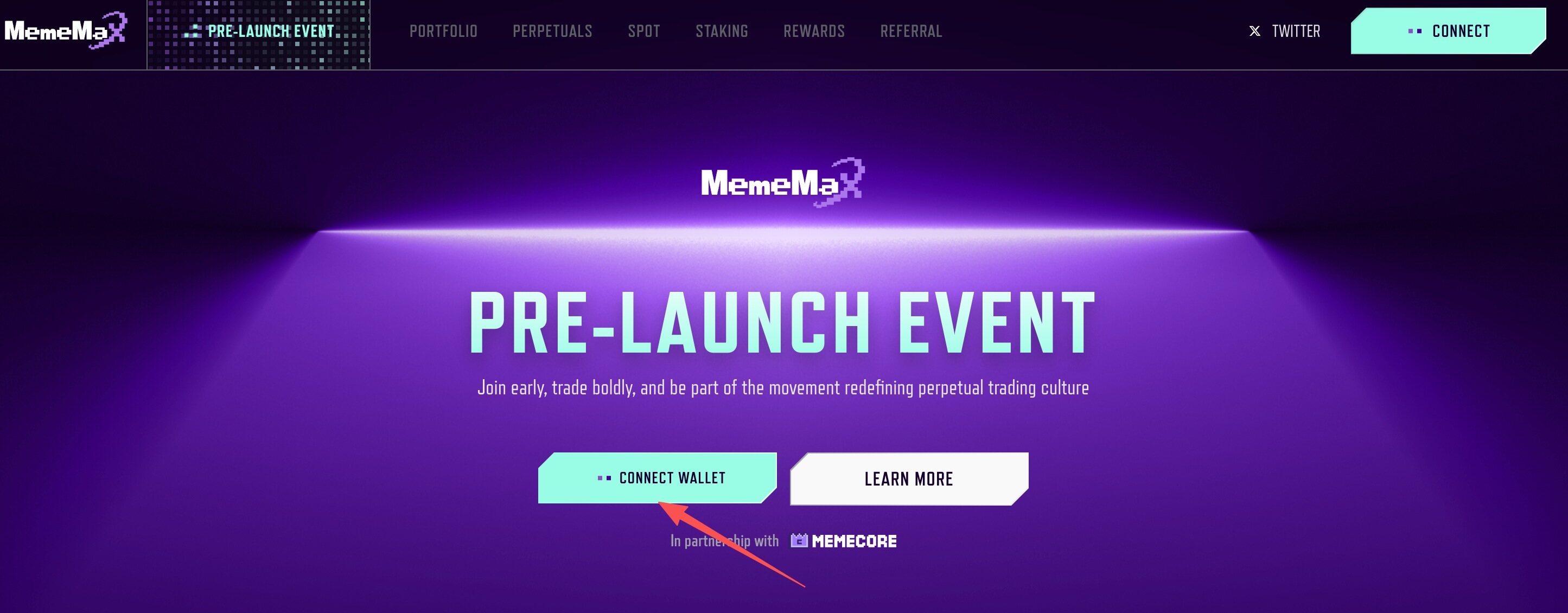
STEP 2. Send 10 transactions on the MemeCore chain to obtain MaxPacks.

Twin: Build Infinitely Scalable AI Agents with One Click

Project Introduction

Twin is a platform that allows users to build infinitely scalable AI agents with one click using natural language. It enables users to create, deploy, and run fully autonomous AI agents to automate complex business processes, operational tasks, and even build entire autonomous companies (such as AI hedge funds, retail automation, etc.) without writing code.

Recently, Twin announced the completion of a $10 million seed funding round, which was subsequently shared by Zama founder Rand, who mentioned that the project's CTO is a former engineer at Zama.

Interaction Tutorial

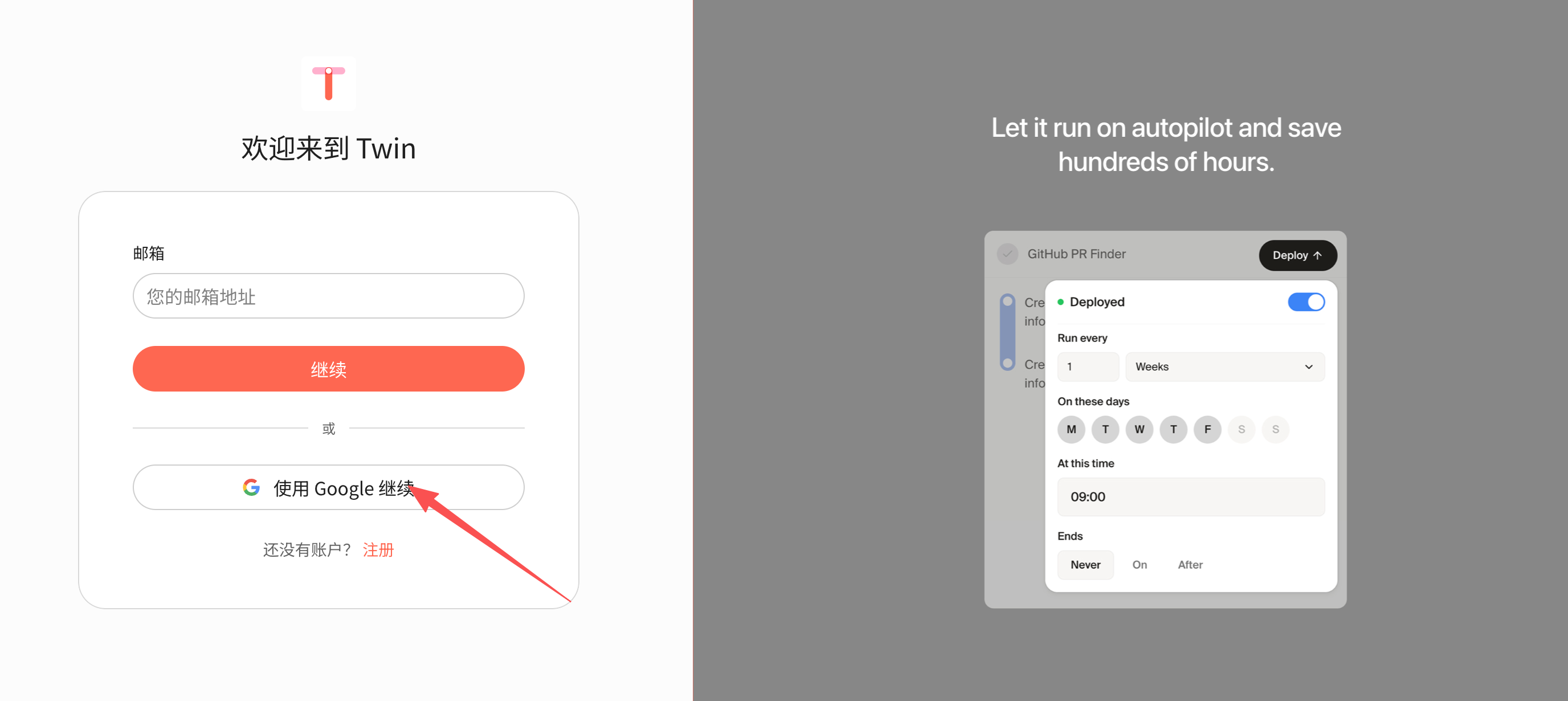
STEP 1. Visit the interaction website (Link: https://builder.twin.so/), log in to your personal account using your Google email to receive 500 points.
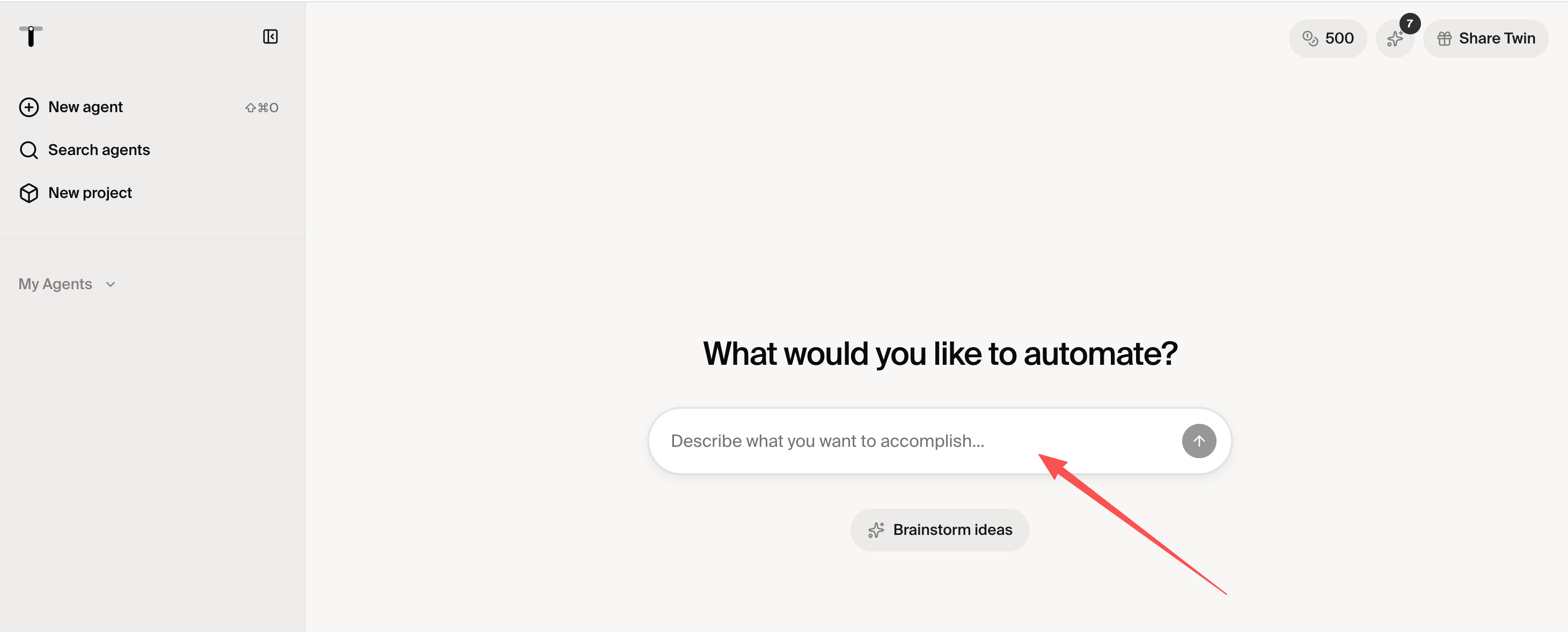
STEP 3. Click on the middle chatbox to converse with the bot; launching the AI Agent will enable real-time email alerts for prices of Bitcoin, gold, silver, etc.
İlgili Sorular

QWhat is Surf and what recent update did it announce on January 21st?

ASurf is an AI platform built for the crypto space, developed by the Cyber team. On January 21st, it announced the official launch of Surf 1.5 and introduced a personal points system.

QHow can users earn points on the Surf platform?

AUsers can earn points in three ways: 1. By paying for a Plus, Pro, or Max membership (with a 40% discount for annual payment). 2. By actively using the platform (Pro users get 100 deep research opportunities every two weeks, Plus users get 25 per month, and free users get 2 per week). 3. By inviting friends.

QWhat is MemeMax and what is the deadline for its Pre-Launch activity mentioned in the article?

AMemeMax is a decentralized trading platform built specifically for Meme tokens, operating on the MemeCore chain. The Pre-Launch activity is set to end at 8:00 AM Beijing Time on January 31st.

QWhat recent funding milestone did Twin achieve and who was one of its notable supporters?

ATwin recently completed a $10 million seed round of funding. The project gained recognition after a转发 (repost/endorsement) from Rand, the founder of Zama, who also mentioned that Twin's CTO is a former Zama engineer.

QWhat is the primary function of the Twin platform as described in the article?

ATwin's primary function is to allow users to build infinitely scalable AI agents using natural language, without writing code. Users can create, deploy, and run fully autonomous AI agents to automate complex business processes, operational tasks, or even build entire autonomous companies.

İlgili Okumalar

Global Stock Market's Storm Center: South Korea's Stock Market De-leveraging Is Largely Complete

Storm's Eye: South Korean Market De-leveraging Nears Completion The recent sharp correction in South Korean equities, with the KOSPI index dropping 32% from its June high, has been a key trigger for global tech stock volatility. The core driver was not a fundamental shift but a forced de-leveraging process within the market's unique structure, which is now largely complete. Two main leverage channels amplified the sell-off: 1. **Leveraged ETFs:** Their size, proportionally four times larger than in the U.S., peaked near $50 billion. Their mandatory daily rebalancing mechanism created a vicious cycle of "price drop → forced selling → further drop." Approximately 75% of this excess has been unwound, shrinking to $26 billion, with regulatory curbs now blocking new inflows. 2. **Hedge Fund Leverage:** Using swaps to magnify exposure, hedge funds saw their net long positioning fall by over 50% from peak levels. The most intense phase of this institutional de-leveraging is over. In contrast, **retail margin debt** poses minimal systemic risk. At 0.5% of market cap, it is far lower than in the U.S. or China, lacks automatic triggers, and is concentrated in smaller stocks. The conclusion: the high-leverage structures most prone to "chain-reaction selling" have been substantially cleared. The market is transitioning from a liquidity-driven crash to one priced more on fundamentals. The article argues that the AI trend—centered on Korean memory chips—remains intact. This episode represents a painful but necessary clearing of crowded trades, not the end of the AI revolution. For investors, the key question is conviction in the long-term AI direction; if the trend is real, current volatility is a cost of entry, not a terminal risk.

链捕手1 saat önce

Global Stock Market's Storm Center: South Korea's Stock Market De-leveraging Is Largely Complete

链捕手1 saat önce

The Eternal Fragments of Money: Third-Party Payment Has No First Principle

"The Enduring Fragments of Money: Third-Party Payments Lack a First Principle" Stripe is reportedly attempting to acquire PayPal, marking a significant shift reminiscent of PayPal's merger with the original X.com 30 years ago. The article analyzes Stripe's strategic challenges and the broader payments industry landscape. Despite its initial success with a developer-friendly API model, Stripe missed its optimal IPO window during the pandemic and has since seen its valuation decline. Its attempts to expand through acquisitions and new ventures, particularly in stablecoins (like its OUSD project) and Agent-focused payments (ACP/MPP protocols), have faced headwinds. The author argues that the payment industry remains highly fragmented and is ultimately an adjunct to the traditional banking system. This structure limits the potential for any single player, including Stripe, to achieve complete dominance. While stablecoins and the future rise of autonomous Agent economies present potential growth avenues, they are not yet mainstream and still require integration with the existing financial system. For now, Agent-based transactions are largely used for speculative "volume boosting" rather than substantive business applications. Stripe's current move to acquire PayPal is seen as an attempt to bolster its weak consumer-facing (C-side) business after its stablecoin-focused strategies faltered. Meanwhile, PayPal is described as structurally outdated, unable to revive itself through new products like Venmo or PYUSD. The future of payments may lie not in payments themselves but in value-added services like more efficient settlement networks. The author suggests that companies like Stripe and Circle, which are building their own blockchains (Tempo, Arc) and stablecoins, are positioning themselves to eventually profit from high-efficiency settlement systems. These new networks could potentially bypass some traditional banking layers. In conclusion, the article posits that third-party payment is a perpetually fragmented battlefield where scale alone cannot ensure victory. Players must find new models, focusing on efficiency to compete with the entrenched banking system. Stripe's acquisition of PayPal represents a bet on this uncertain future.

链捕手1 saat önce

The Eternal Fragments of Money: Third-Party Payment Has No First Principle

链捕手1 saat önce

İşlemler

Spot
活动图片





