Hot Interaction Collection | SimpleChain Testnet Activity is Now Live; Giggles Waitlist Application (April 16)

Odaily星球日报2026-04-16 tarihinde yayınlandı2026-04-16 tarihinde güncellendi

Özet

Hot Interactive Projects Digest: SimpleChain Testnet, Giggles Waitlist, and Arc Network Points Program SimpleChain, an RWA-focused Layer 1 blockchain, has launched its testnet campaign. Users can register on the official website, connect their wallets, bind social accounts (X, Telegram, Discord), and complete both social and on-chain tasks. The project recently raised $15 million in seed funding. Giggles, a social app combining prediction markets with content trading, has opened its waitlist for early access (currently iOS only). It recently secured $1.2 million in pre-seed funding. Arc, a new stablecoin-optimized Layer 1 blockchain from Circle, has introduced a points program. Users can earn points by registering with a Google account, completing their profile, reading articles, watching videos, and registering for events. Circle's CEO has hinted at a potential future token for governance and incentives. Early participants are encouraged to reach at least 500 points to achieve the first "Architects" tier.

Original | Odaily Planet Daily (@OdailyChina)

Author | Asher (@Asher_ 0210)

SimpleChain: RWA Sector L1 Project

Project Introduction

SimpleChain is a Layer 1 blockchain specifically designed for RWA, positioned as the "Institutional OS for RWA" (Institutional Operating System for RWA). Its goal is to enable real-world assets (such as credit, energy infrastructure, supply chain logistics, structured financial products, etc.) to be securely, compliantly, and efficiently tokenized on-chain and achieve institutional-level circulation.

On April 10th, SimpleChain announced the completion of a $15 million seed round funding, supported by family offices and institutional investors.

Last night, SimpleChain announced on the X platform that the testnet activity is now live.

Interaction Tutorial

STEP 1. Visit the official website (Link: https://task.simplechain.com/), complete personal account registration via wallet.
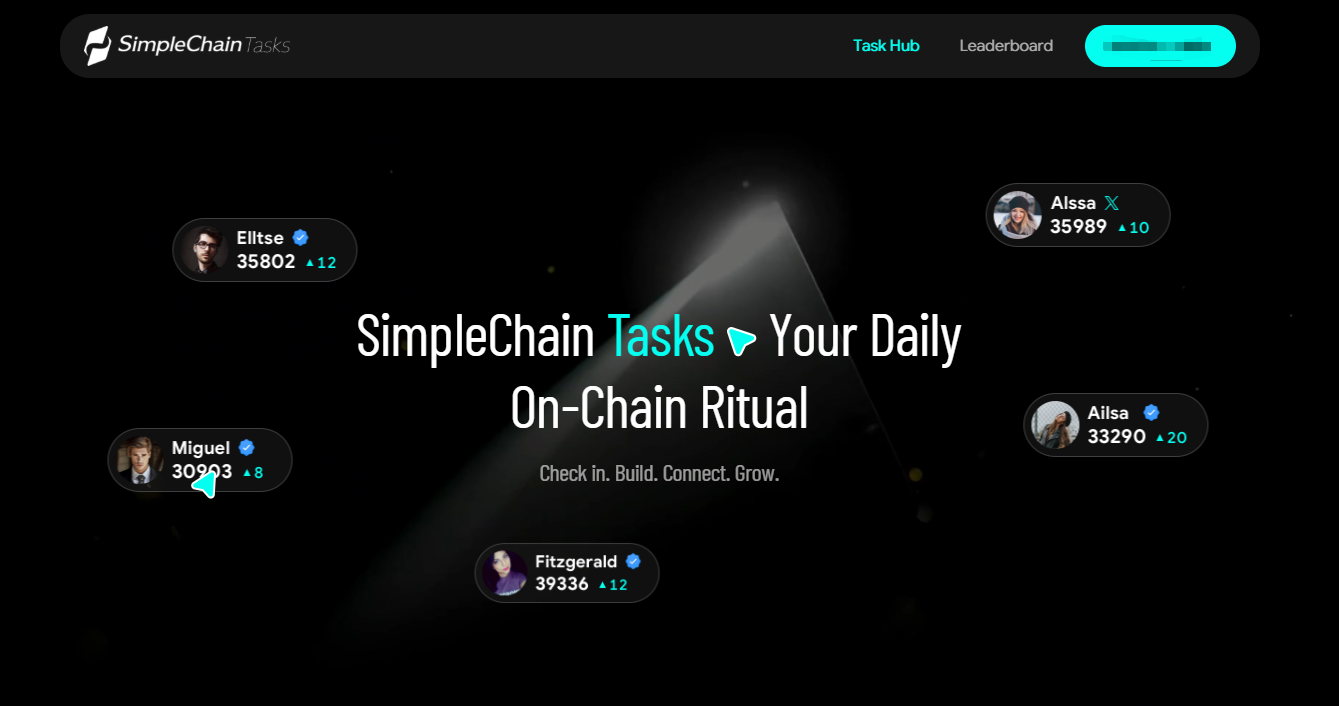
STEP 2. Bind personal social media accounts in the profile to unlock daily tasks.
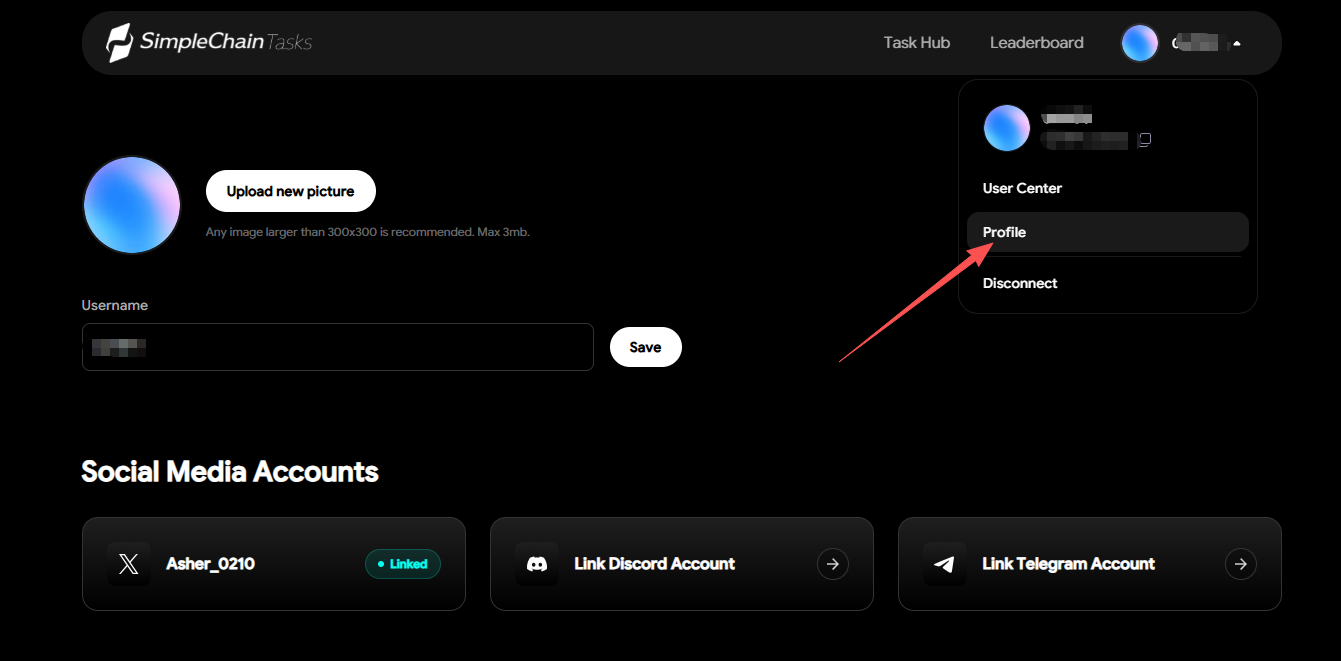
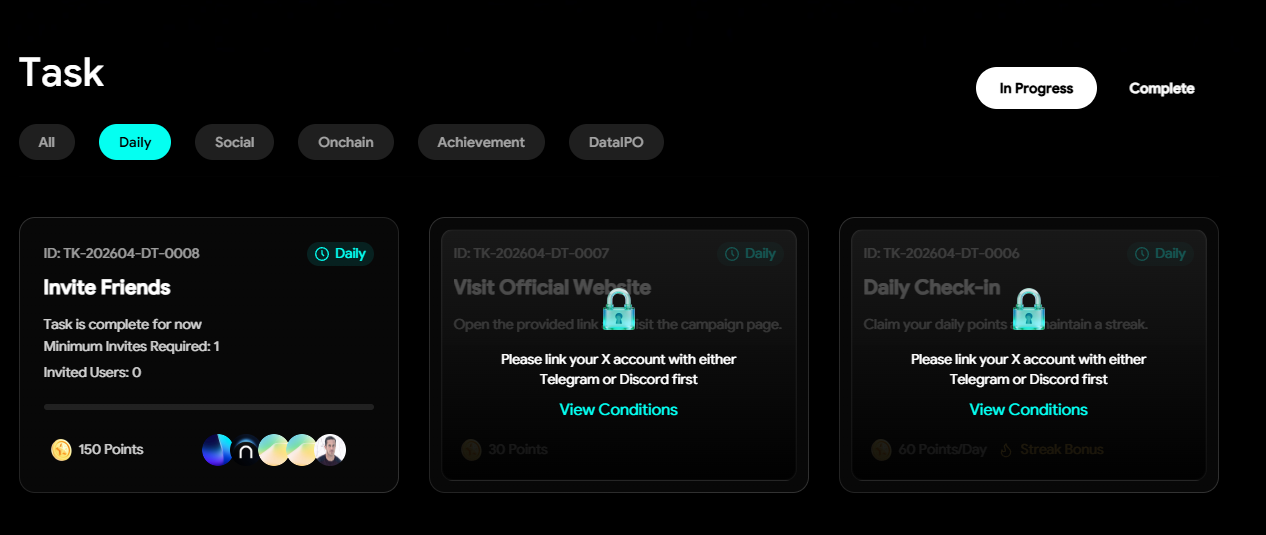
STEP 3. Complete social tasks, including X, Telegram, and Discord tasks.
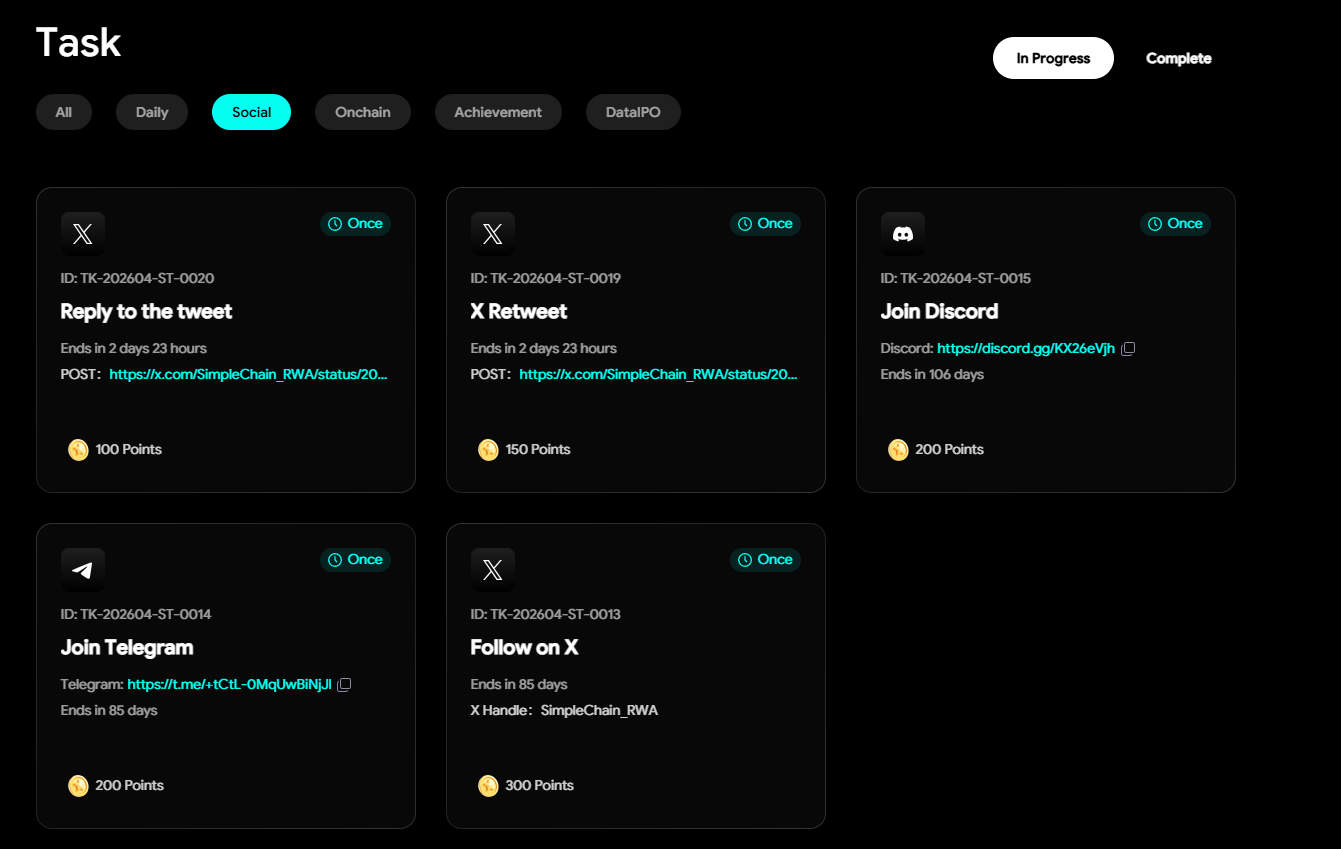
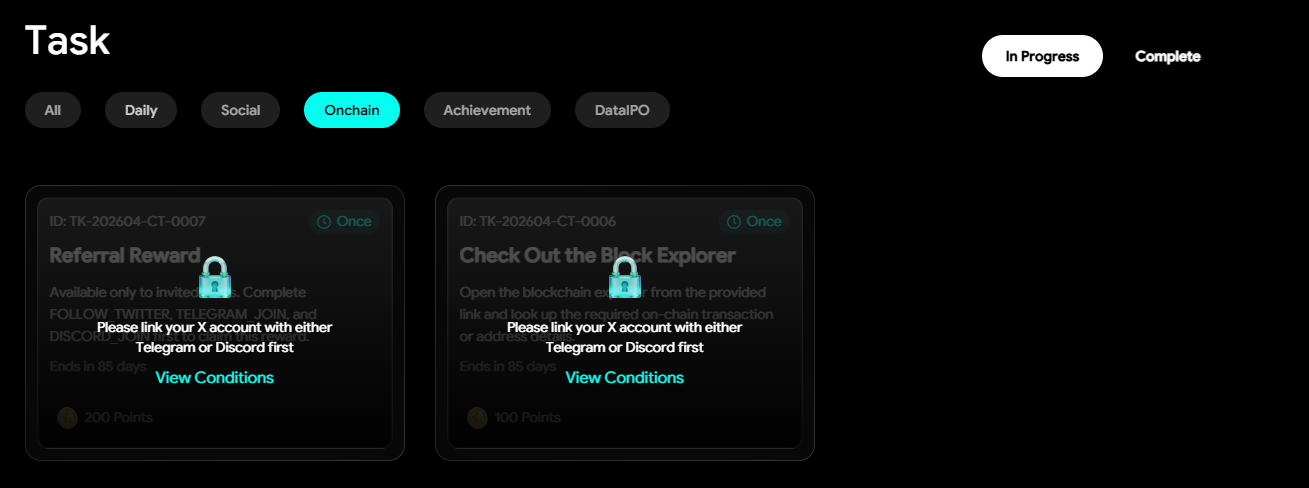
STEP 4. Complete on-chain tasks (also requires binding personal social accounts first to unlock).
Giggles: Social App Integrating Prediction Market Mechanisms

Project Introduction

Giggles is a social application that integrates prediction market mechanisms, featuring a "tradable content" model. It allows users to "buy in" during the early stages of videos, combining prediction market mechanisms to transform "content discovery" into quantifiable economic behavior.

On April 9th, Giggles announced the completion of a $1.2 million Pre-Seed funding round. Investors included institutions such as 1kx Capital, Virtuals Protocol, Social Graph Ventures, as well as angel investors with backgrounds from OpenAI, Bain Capital, and others.

Interaction Tutorial

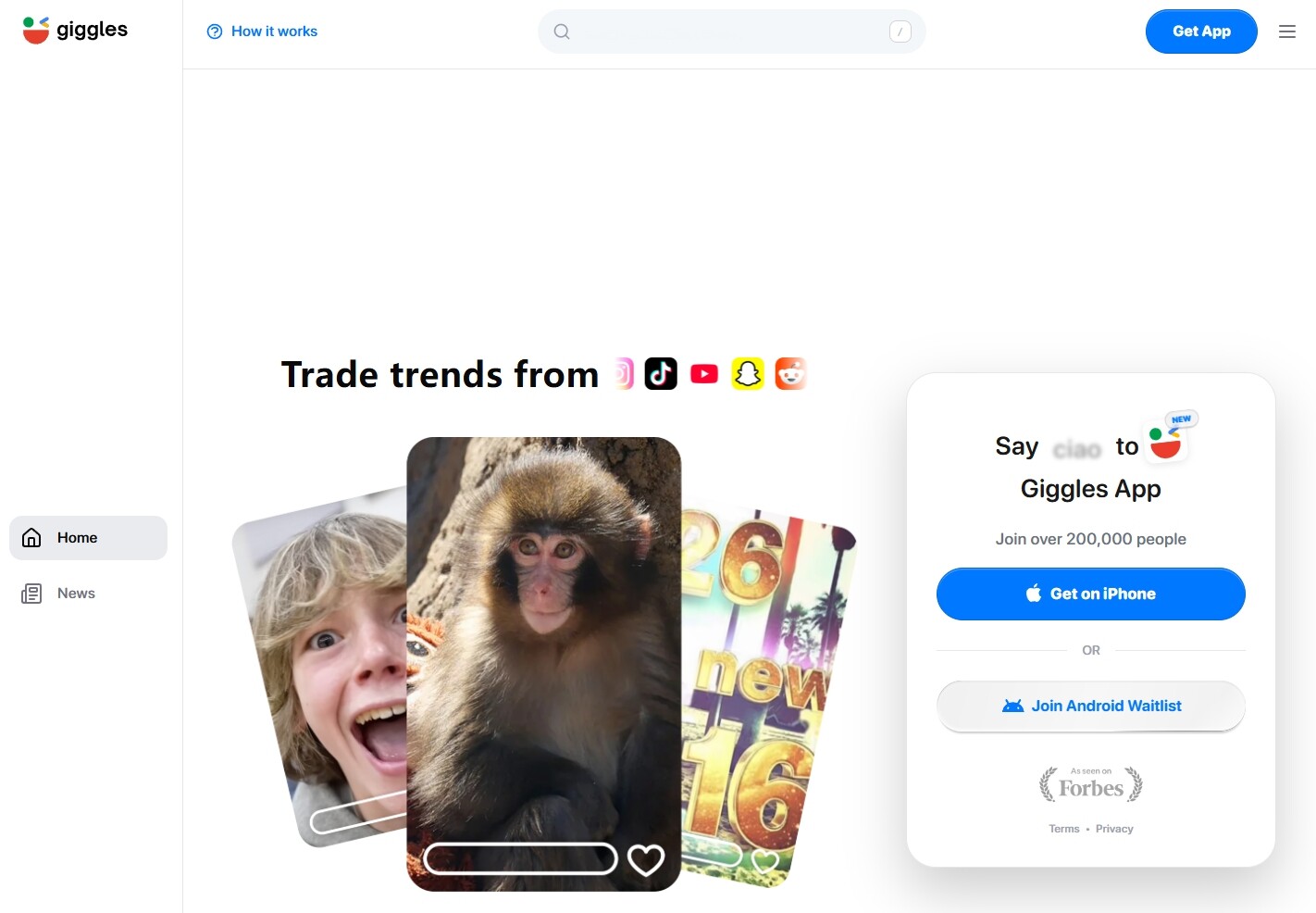
The app is currently available for early experience on the Apple App Store, but the Android version is still pending. You can now apply for the waitlist via the official link: https://giggles.me/home.
Arc: A Layer 1 Dedicated to Stablecoins Launched by Circle

Project Introduction

Arc is a new-generation EVM-compatible Layer 1 blockchain launched by Circle, the "Stablecoin First Stock". It aims to build the economic operating system for the internet, deeply integrating programmable stablecoins with on-chain financial innovation. Arc is specifically designed for financial applications, focusing on global payments, foreign exchange, lending, and capital markets. Its goal is to provide a secure, low-cost, compliant, and scalable foundational settlement layer for the internet's programmable money.

Recently, Jeremy Allaire, Founder and CEO of Circle, stated in a speech at an offline event in Seoul, South Korea: "We are exploring issuing a token for the Arc Network (the stablecoin payment public chain being developed by Circle) to achieve governance, incentives, and economic interest alignment, and gradually transition it to a PoS system. We hope to announce more details in the near future."

According to the official documentation, this points system has five levels with corresponding requirements:

  • Architects Level 1: Over 500 points;
  • Architects Level 2: Over 3500 points;
  • Architects Level 3: Over 15000 points;
  • Architects Level 4: Over 40000 points;
  • Architects Level 5: Over 90000 points.

It is recommended that early participants strive to exceed 500 points to obtain the Architects Level 1 title. Specific ways to earn points are as follows:

Interaction Tutorial

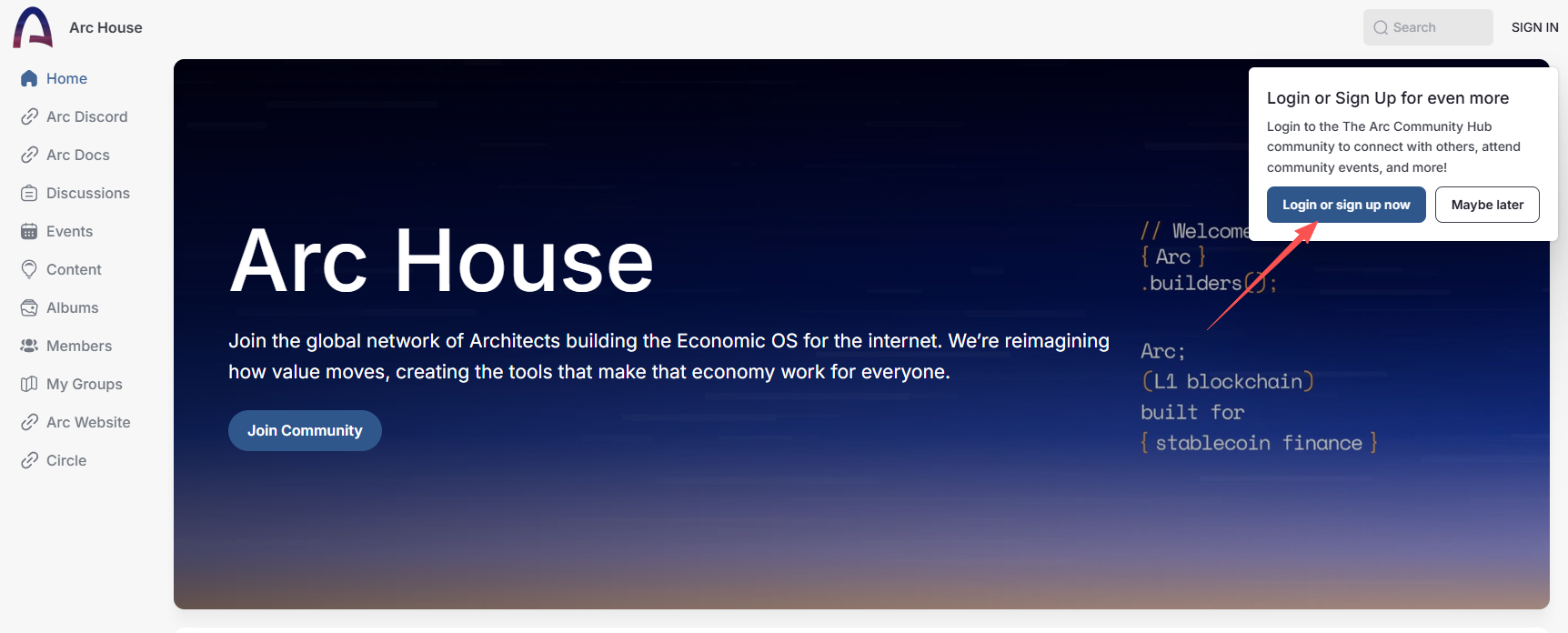
STEP 1. Visit the interaction website (Link: https://community.arc.network/), register an account using a Google email, complete verification, and log in.
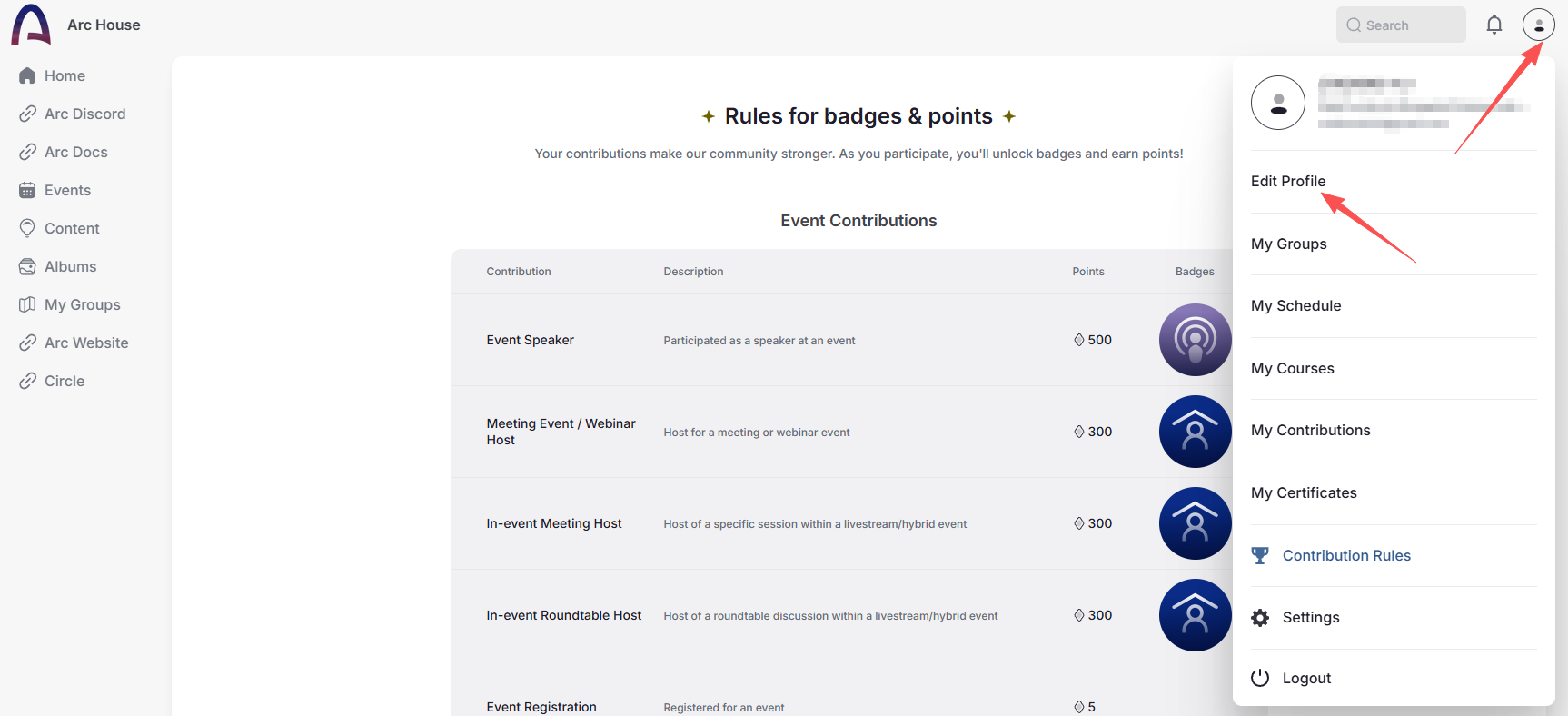
STEP 2. Two community tasks: First, daily login to the website earns 5 points; Click the avatar in the top right corner, select "Edit Profile" to enter the personal information page and complete your profile to earn 100 points.
STEP 3. Click "Content", read related articles, each read earns 5 points (maximum 5 articles per day).
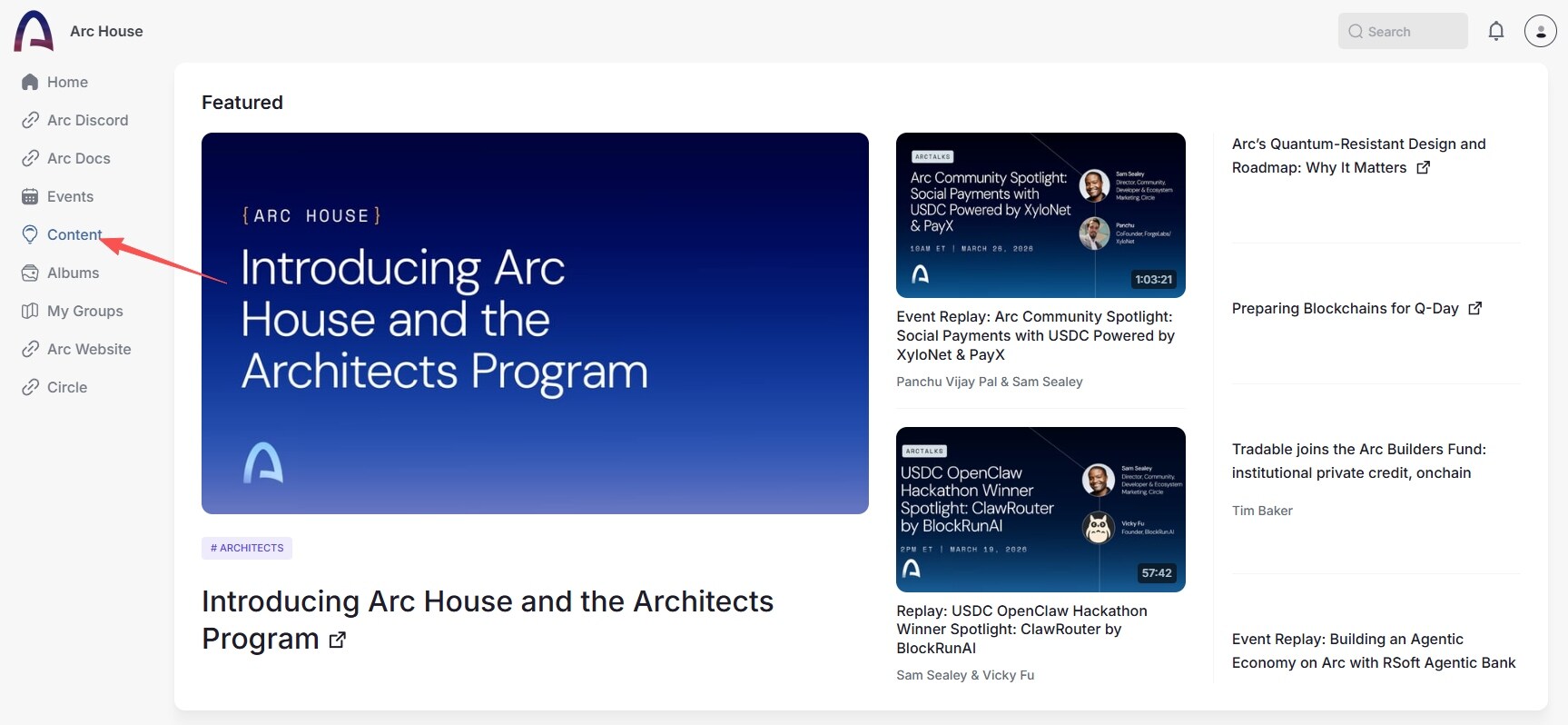
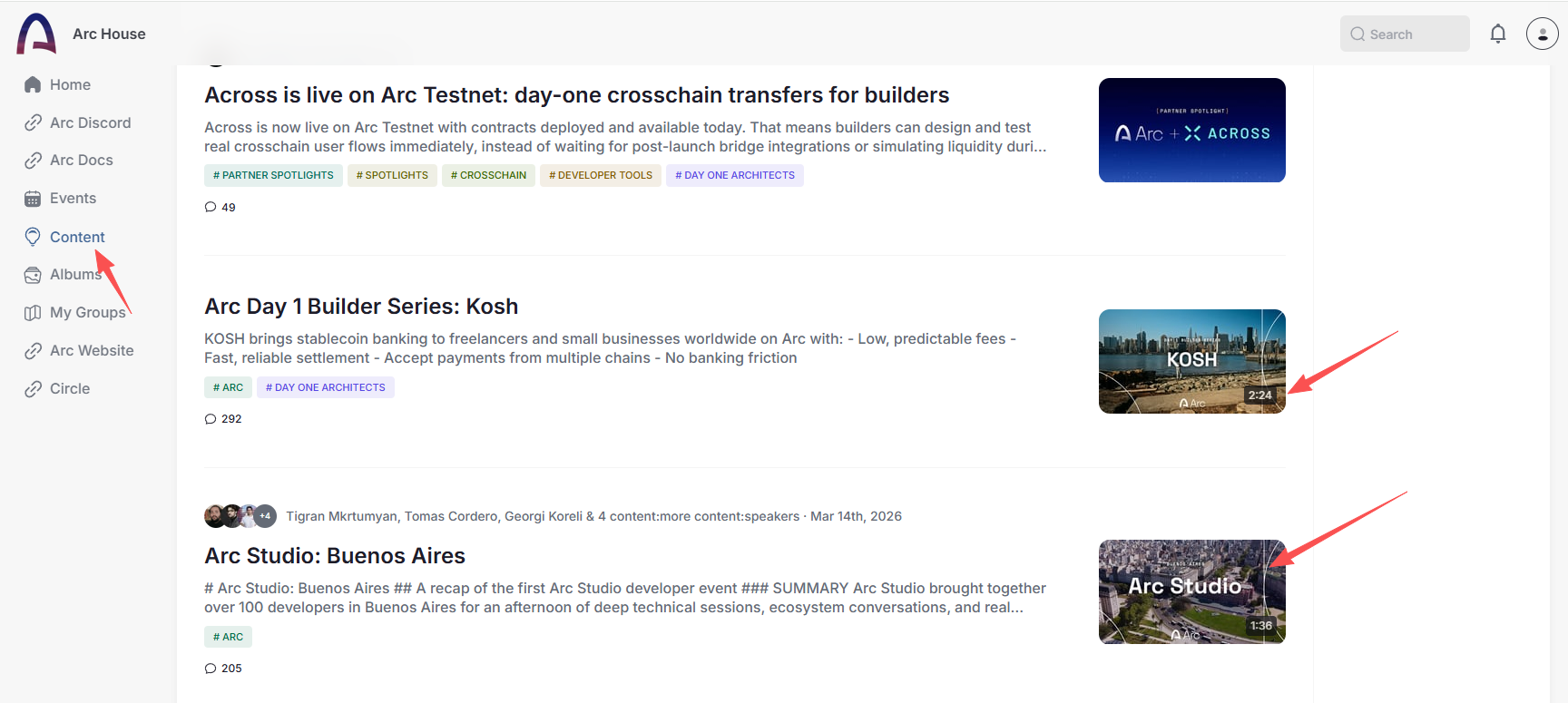
STEP 4. Click "Content", scroll down to find articles with videos, watch a video to earn 5 points (maximum 1 video per day).
STEP 5. Click "Events", participate in events of interest and complete registration, each participation earns 5 points.

STEP 6. Click "My Contributions" to view the points earned.

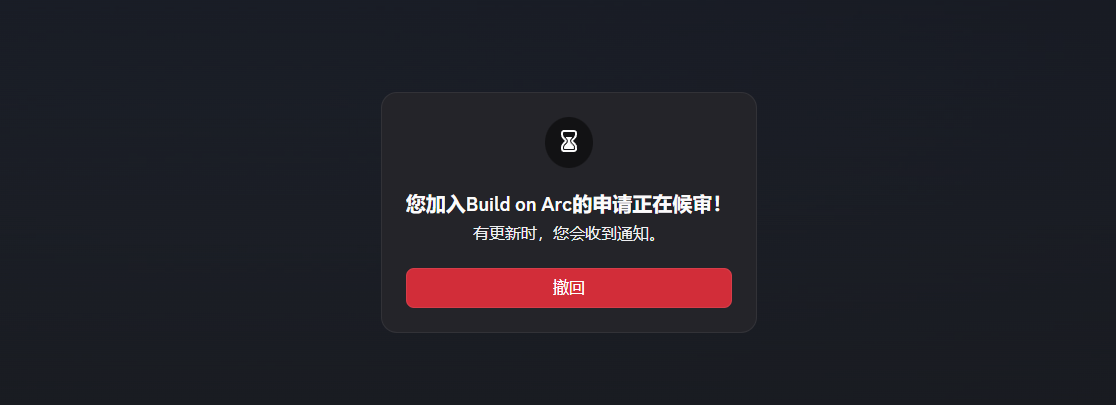
STEP 7. Join the official Discord and pass verification to enter (difficult to pass), wait for early access roles (Link: https://discord.com/invite/buildonarc).
Related Content

Kraken is also issuing a token? Understand the Ink Season 1 Points Program in One Article

Hot Interaction Collection | Cascade Private Beta is Live; KARPAK SBT Minting (April 10)

İlgili Sorular

QWhat is the main purpose of the SimpleChain blockchain?

ASimpleChain is a Layer 1 blockchain specifically designed for RWA (Real World Assets), aiming to serve as an 'Institutional OS for RWA'. Its goal is to enable the secure, compliant, and efficient tokenization and institutional circulation of real-world assets like credit, energy infrastructure, supply chain logistics, and structured financial products.

QHow much funding did SimpleChain recently raise and from whom?

AOn April 10th, SimpleChain announced it completed a $15 million seed round of funding, which was supported by family offices and institutional investors.

QWhat is the unique concept behind the Giggles social application?

AGiggles is a social application that integrates a prediction market mechanism. It features a 'content is tradable' model, allowing users to 'buy into' videos at an early stage. This combines prediction markets to turn 'content discovery' into a quantifiable economic behavior.

QWhat is Arc and which major company is behind its development?

AArc is a new EVM-compatible Layer 1 blockchain specifically for stablecoins. It is being developed by Circle, the company known as the 'stablecoin first stock' (referring to USDC). Its purpose is to build an economic operating system for the internet by deeply integrating programmable stablecoins with on-chain financial innovation.

QWhat is the minimum积分 (points) required to achieve the first level (Architects一级) in the Arc Network community program?

AThe minimum points required to achieve the first level (Architects一级) in the Arc Network community program is more than 500 points.

İlgili Okumalar

Global Stock Market's Storm Center: South Korea's Stock Market De-leveraging Is Largely Complete

Storm's Eye: South Korean Market De-leveraging Nears Completion The recent sharp correction in South Korean equities, with the KOSPI index dropping 32% from its June high, has been a key trigger for global tech stock volatility. The core driver was not a fundamental shift but a forced de-leveraging process within the market's unique structure, which is now largely complete. Two main leverage channels amplified the sell-off: 1. **Leveraged ETFs:** Their size, proportionally four times larger than in the U.S., peaked near $50 billion. Their mandatory daily rebalancing mechanism created a vicious cycle of "price drop → forced selling → further drop." Approximately 75% of this excess has been unwound, shrinking to $26 billion, with regulatory curbs now blocking new inflows. 2. **Hedge Fund Leverage:** Using swaps to magnify exposure, hedge funds saw their net long positioning fall by over 50% from peak levels. The most intense phase of this institutional de-leveraging is over. In contrast, **retail margin debt** poses minimal systemic risk. At 0.5% of market cap, it is far lower than in the U.S. or China, lacks automatic triggers, and is concentrated in smaller stocks. The conclusion: the high-leverage structures most prone to "chain-reaction selling" have been substantially cleared. The market is transitioning from a liquidity-driven crash to one priced more on fundamentals. The article argues that the AI trend—centered on Korean memory chips—remains intact. This episode represents a painful but necessary clearing of crowded trades, not the end of the AI revolution. For investors, the key question is conviction in the long-term AI direction; if the trend is real, current volatility is a cost of entry, not a terminal risk.

链捕手1 saat önce

Global Stock Market's Storm Center: South Korea's Stock Market De-leveraging Is Largely Complete

链捕手1 saat önce

The Eternal Fragments of Money: Third-Party Payment Has No First Principle

"The Enduring Fragments of Money: Third-Party Payments Lack a First Principle" Stripe is reportedly attempting to acquire PayPal, marking a significant shift reminiscent of PayPal's merger with the original X.com 30 years ago. The article analyzes Stripe's strategic challenges and the broader payments industry landscape. Despite its initial success with a developer-friendly API model, Stripe missed its optimal IPO window during the pandemic and has since seen its valuation decline. Its attempts to expand through acquisitions and new ventures, particularly in stablecoins (like its OUSD project) and Agent-focused payments (ACP/MPP protocols), have faced headwinds. The author argues that the payment industry remains highly fragmented and is ultimately an adjunct to the traditional banking system. This structure limits the potential for any single player, including Stripe, to achieve complete dominance. While stablecoins and the future rise of autonomous Agent economies present potential growth avenues, they are not yet mainstream and still require integration with the existing financial system. For now, Agent-based transactions are largely used for speculative "volume boosting" rather than substantive business applications. Stripe's current move to acquire PayPal is seen as an attempt to bolster its weak consumer-facing (C-side) business after its stablecoin-focused strategies faltered. Meanwhile, PayPal is described as structurally outdated, unable to revive itself through new products like Venmo or PYUSD. The future of payments may lie not in payments themselves but in value-added services like more efficient settlement networks. The author suggests that companies like Stripe and Circle, which are building their own blockchains (Tempo, Arc) and stablecoins, are positioning themselves to eventually profit from high-efficiency settlement systems. These new networks could potentially bypass some traditional banking layers. In conclusion, the article posits that third-party payment is a perpetually fragmented battlefield where scale alone cannot ensure victory. Players must find new models, focusing on efficiency to compete with the entrenched banking system. Stripe's acquisition of PayPal represents a bet on this uncertain future.

链捕手1 saat önce

The Eternal Fragments of Money: Third-Party Payment Has No First Principle

链捕手1 saat önce

İşlemler

Spot
活动图片