Female Crypto Mogul Survived Mining Crackdown and Market Plunge, but Paid a $60 Million Tuition to a U.S.-Style 'Pig-Butchering' Scam

Foresight News2026-06-11 tarihinde yayınlandı2026-06-11 tarihinde güncellendi

Özet

An 80s-born Chinese entrepreneur, Fiona Lyu (also known as Lv Yongshuang), CEO of the mining firm Chengdu Valarhash Technology, was defrauded of over $9.4 million (approx. RMB 60 million) in the US, according to a Caixin report. Lyu's company once operated the 1THash and Bytepool mining pools, which collectively controlled about 9% of the global Bitcoin hash rate at their peak in early 2020. The scam began in 2021 after China's crackdown on crypto mining forced Lyu to seek overseas relocation for her operations. She was introduced to Zubair Al Zubair, who posed as an "UAE royal family member" with connections to Middle Eastern capital and US local government resources. He and his brother, who impersonated a hedge fund manager, orchestrated a fake contract signing for a mining facility in Ohio, witnessed by local officials. Lyu transferred millions in contract payments. The brothers, both US citizens with fabricated backgrounds, later fraudulently sold 1,067 of her miners for $6.17 million. The scheme involved bribing a mayor's chief of staff for legitimacy. In May 2026, US courts sentenced Zubair to 24 years in prison, his brother to 23 years, and the official to 8 years. Simultaneously, Lyu faced a separate legal battle in China. A subsidiary of listed company ST Zhongchang sued her firm, seeking refunds for a 2021 contract involving Bitcoin mining equipment. Chinese courts ruled the mining contract invalid and ordered a refund of nearly RMB 19.3 million. This dual blow ma...


Author: Nicky, Foresight News


On June 11th, Caixin published an article titled 'How a Female Crypto Mogul Was Swindled of $60 Million in the U.S. – The Setup by the "Middle Eastern Royalty" Brothers'. Following the clues in the article, we investigated the storied career of this "female crypto mogul," Lyu.


According to Caixin, a female cryptocurrency tycoon from China was the victim of an investment fraud in the United States, losing over $9.4 million (approximately RMB 60 million). The individual is the CEO of a computing power technology company in southwestern China, Lyu, whose mining pool was reportedly once responsible for about 9% of the global Bitcoin hash rate at its peak.


The report states that two brothers named Zubair, who claimed to have "Middle Eastern royal" backgrounds, carried out the fraud by forging identities. One claimed to be a "son-in-law of Middle Eastern royalty," asserting control over family funds from the Middle East, international business connections, and local government resources in the U.S.; the other emulated a character from the TV series "Billions," posing as a hedge fund manager. They also successfully contacted and influenced Michael Smedley, the then-chief of staff to the mayor of East Cleveland, Ohio, ultimately inducing Lyu to sign a cryptocurrency mining farm development contract.
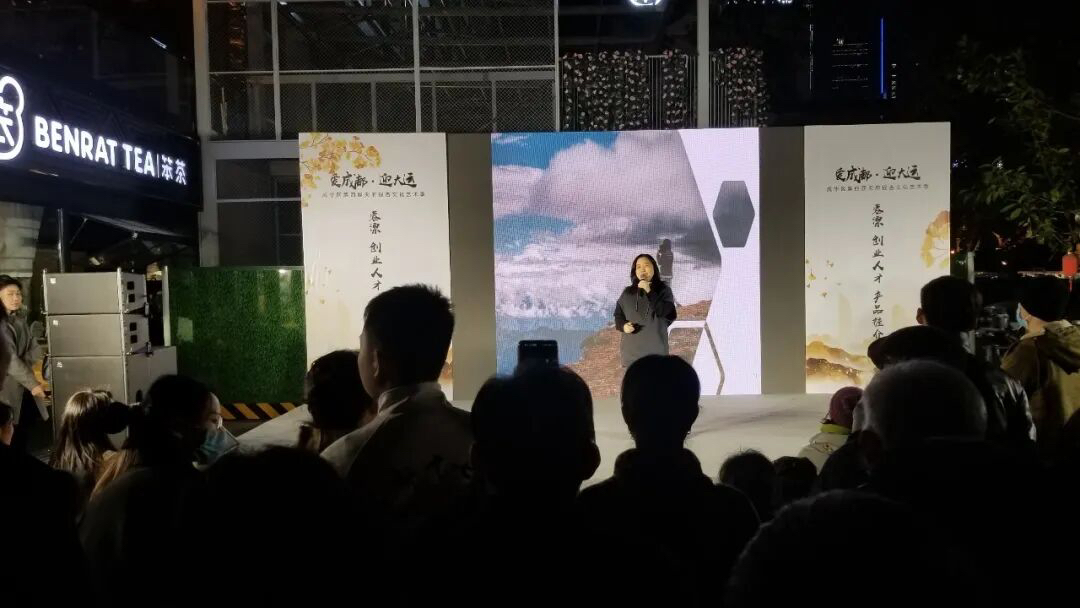


The Lyu in the report is an 80s-born female boss named Fiona Lyu. The company she founded, Chengdu Valarhash Technology Co., Ltd., operates two mining pools: 1THash and Bytepool.


According to Caixin, Fiona Lyu was born in Ningbo in the 1980s. Before entering the cryptocurrency industry, her life trajectory had no connection to finance or technology. In her early years, she worked in international trade and later started a custom tour group business. She is an avid outdoor traveler, diver, and sailing enthusiast. In a 2020 interview, she mentioned that from 2008 to 2018, she spent more than half of each year traveling, visiting places all over the world.


According to a previous TokenInsight report, she accidentally encountered Bitcoin in 2013 and immediately dove headfirst into this emerging industry. At that time, China's cryptocurrency mining industry was still in its early stages, and miners had to venture deep into the mountains of southwestern China to find cheap hydropower resources. Lyu recalled that she was among the first groups to "search for electricity" in Sichuan. "The conditions were very tough back then, but electricity was cheap, profits were high, and everyone was very excited."


In 2016, she began formally building her own mining farm; from 2017 to 2018, she transitioned to mining machine distribution; in July 2019, she established Chengdu Valarhash Technology Co., Ltd., serving as CEO, consolidating the business into a comprehensive platform integrating mining pool operation, mining farm construction, mining machine hosting, and computing power trading. In December of the same year, the company held a new product launch event in Chengdu, officially introducing the 1THash and Bytepool mining pool brands and the 1TMine computing power contract trading platform.


During its peak in the first half of 2020, 1THash ranked 7th globally among Bitcoin mining pools, and Bytepool ranked 11th. Combined, the two pools controlled about 9% of the global Bitcoin hash rate. This was a staggering figure at the time, meaning that for every 100 Bitcoins generated globally, about 9 flowed into her mining pools.


A Single Ban and a Turn of Fate


On May 21, 2021, the Financial Stability and Development Committee of the State Council held its 51st meeting, explicitly calling for "cracking down on Bitcoin mining and trading behavior."


In mid-June, the Sichuan Provincial Development and Reform Commission and the Sichuan Provincial Energy Bureau jointly issued a notice requiring power generation companies to self-inspect and self-correct, and to immediately stop supplying electricity to virtual currency "mining" companies. For miners in Sichuan, this was the most fatal blow. Sichuan was the largest mining hub in China, with hydropower prices during the rainy season as low as 0.2-0.3 RMB per kilowatt-hour, making it one of the cheapest power sources in the world.


According to Caixin, Lyu later told friends that it was a period of "extreme anxiety." Her company had nine data centers distributed across China, the United States, Canada, Russia, Sweden, and other locations, but several large mining farms in China were the core source of computing power. "Overnight, thousands of mining machines were forced to shut down, hundreds of shipping containers were waiting to be transported out, and money was burning every single day."
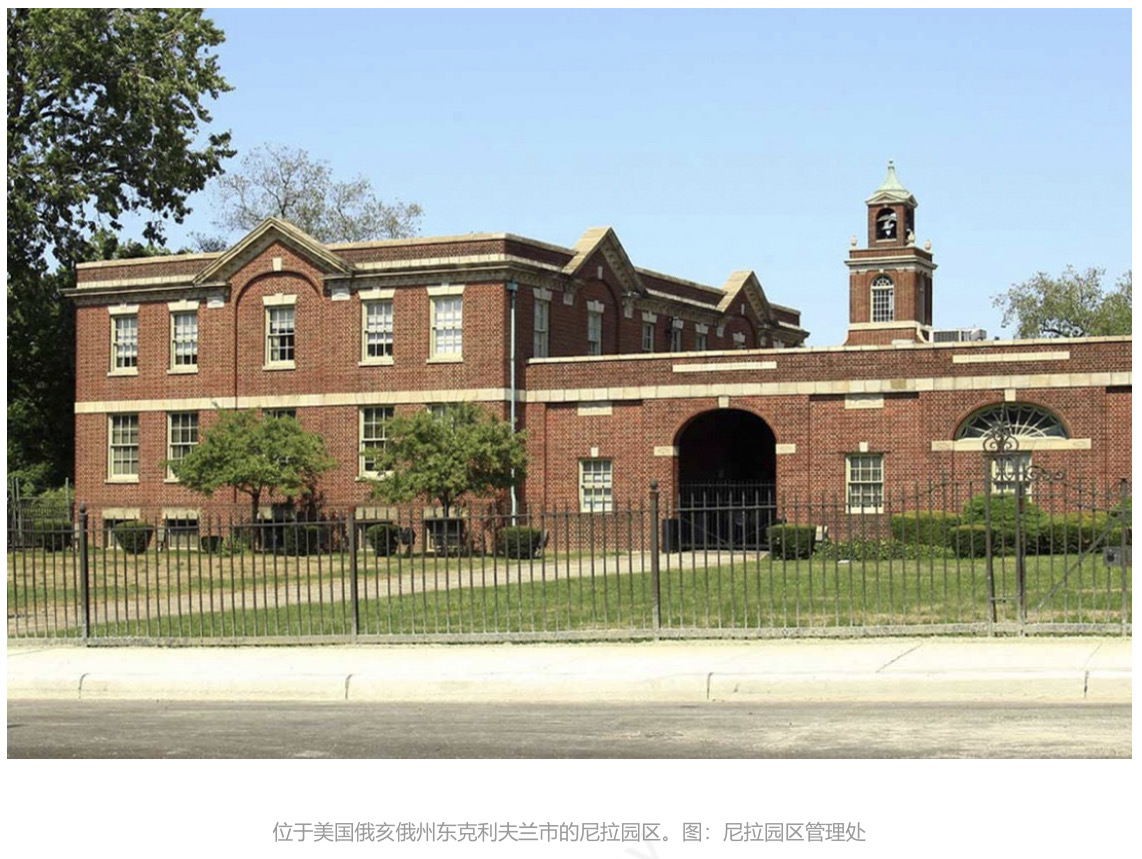

Image Source: Caixin


She ultimately chose the United States as the first stop for her overseas expansion. However, when she traveled across the ocean with hundreds of containers of mining machines, searching for a new foothold in Ohio, what awaited her was an elaborately orchestrated scam.


According to Caixin, in July 2021, through an intermediary, she met Zubair Al Zubair, a man who claimed to be a "son-in-law of UAE royalty" and asserted control over Middle Eastern family funds and local U.S. government resources. Zubair recommended to her an industrial property in East Cleveland, Ohio—the Nela Park—claiming it could provide electricity at a low rate of $0.04 per kilowatt-hour.


On August 11, 2021, inside the East Cleveland City Hall in Ohio, a seemingly formal signing ceremony took place. Witnessed by then-Mayor Brandon King and other city officials, Lyu signed her name on a cryptocurrency mining farm development contract, full of hope. She paid $3 million to Zubair's company, "Dubai Bridge," and wired the first $1 million from a Hong Kong account.
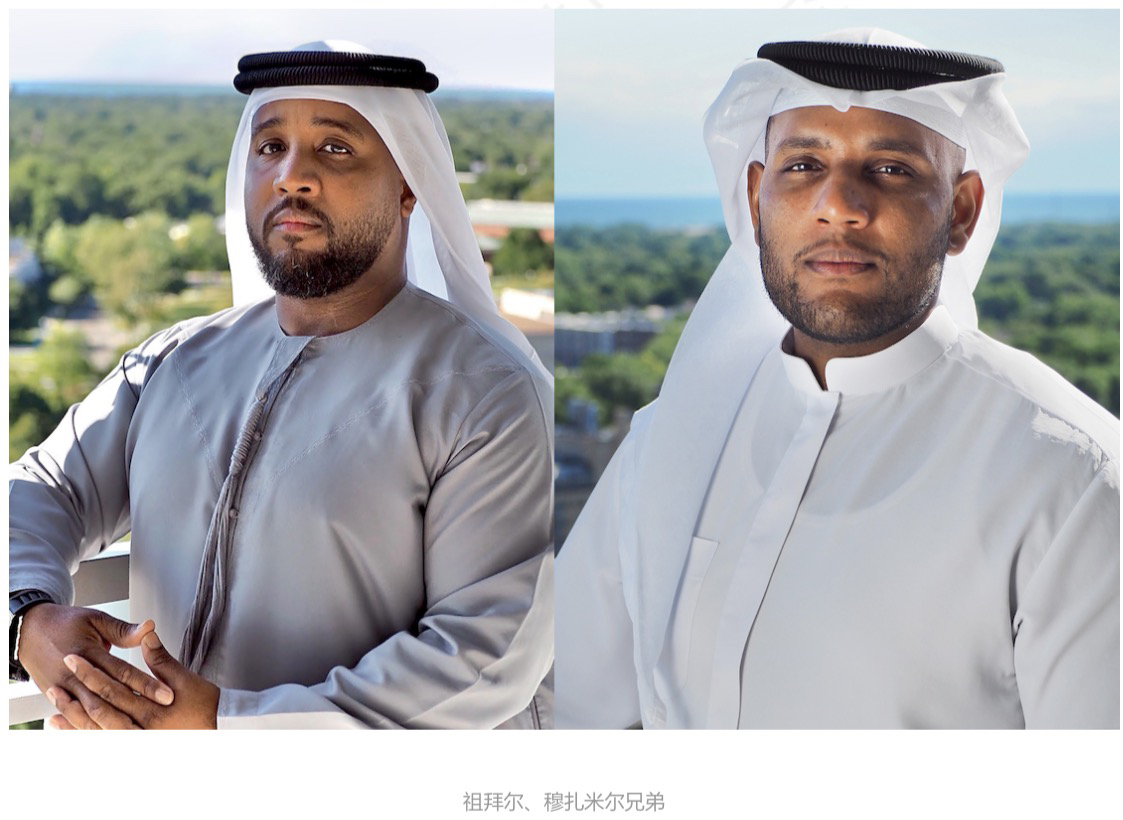

Image Source: Caixin


However, this was just the beginning of an elaborately planned scam. In reality, Zubair and his younger brother, Muzamil, were native-born Americans with no relation to any Middle Eastern royalty. The older brother's claimed identity as a "son-in-law" was completely fabricated; the younger brother's purported title of "hedge fund manager" was self-taught through watching YouTube videos and the TV series "Billions."


During subsequent interactions, Zubair established a "close personal relationship" with Lyu. In Lyu's view, this relationship had a romantic nature. Prosecutors later pointed out that such personal relationships were part of Zubair's fraud pattern, aimed at lowering the victim's likelihood of questioning his claims.


The scam ultimately cost Lyu over $9.4 million (approximately RMB 60 million), including contract payments and 1,067 mining machines (sold for $6.17 million) that were later deceived away by Zubair's brother and resold in Canada. And that signing ceremony in the mayor's office was nothing more than a false endorsement obtained by Zubair through bribing the mayor's chief of staff, Michael Smedley.


In May 2026, the U.S. Department of Justice announced the verdict: Zubair was sentenced to 24 years in prison, Muzamil to 23 years, and Smedley to 8 years. Lyu appeared in the case under the code name "Victim 2."


Another Lawsuit Back Home


While entangled in the U.S. scam, Lyu was simultaneously facing another legal dispute in China—a lawsuit with Shanghai Jincai Network Technology Co., Ltd., a subsidiary of the A-share listed company ST Zhongchang (600242.SH).
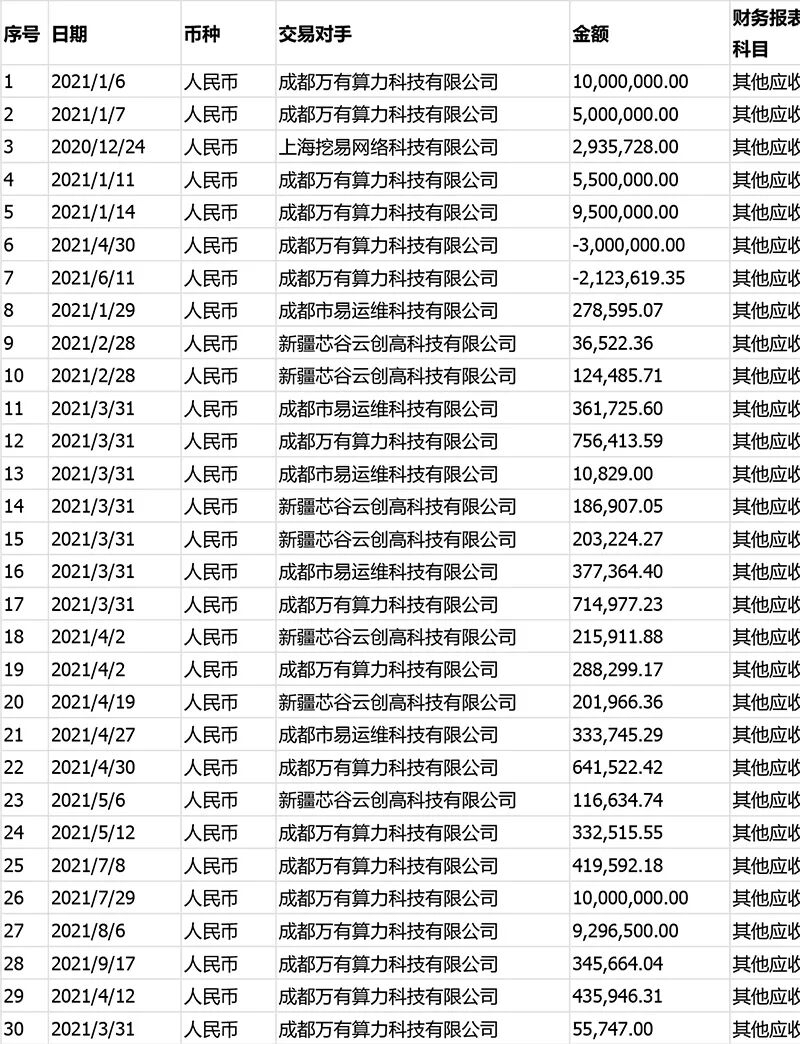

Image Source: Shanghai Securities News


According to earlier reports by Economic Observer and Jiemian News, the trigger for the incident was Li Qunan, the then-chairman of ST Zhongchang. Between January and September 2021, Li was suspected of misappropriating listed company funds to purchase Bitcoin mining machines and pay related hosting fees, totaling as high as 53.5472 million RMB. Among these, the company spent 30 million RMB purchasing servers (Bitcoin mining machines) from Chengdu Valarhash. These purchases were disclosed in the 2021 interim report as "company fixed assets used for actual operations," but audits revealed that the related payments did not actually form assets on the company's books.


Against this backdrop, ST Zhongchang's new management, seeking to recover losses, sued Chengdu Valarhash in the name of Shanghai Jincai in April 2022, demanding the termination of the 'Computing Power Service Contract' signed by both parties on April 1, 2021, and the return of the contract price of 19.2965 million RMB.


In October 2022, the Chengdu High-Tech Industrial Development Zone People's Court issued a first-instance judgment: the contract was deemed invalid because it involved Bitcoin "mining" activities, and Chengdu Valarhash was ordered to refund 19.2965 million RMB within ten days. The company appealed, and the second instance upheld the original judgment.


This lawsuit, from filing to final judgment, proceeded almost simultaneously with Lyu's victimization in the United States. On one side was a loss of $9.4 million overseas, and on the other was a court-ordered refund of nearly 20 million RMB in contract payments domestically. Under this dual blow, the "Mining Queen" who once controlled 9% of the global Bitcoin hash rate entered the darkest moment of her life.


İlgili Sorular

QAccording to the article, how did the victim, Lyu Yongshuang, enter the cryptocurrency industry and what was the peak achievement of her company?

ALyu Yongshuang entered the cryptocurrency industry in 2013 after first encountering Bitcoin. She began building her own mining facilities in 2016. In 2019, she founded Chengdu Wanyou Hashrate Technology Co., Ltd. and launched the 1THash and Bytepool mining pools. At its peak in the first half of 2020, her company's combined mining pools controlled approximately 9% of the global Bitcoin hashrate.

QWhat was the main reason that forced Lyu Yongshuang to relocate her mining operations from China to the United States?

AThe primary reason was a policy crackdown by the Chinese government. In May 2021, the State Council's Financial Stability and Development Committee explicitly called for a crackdown on Bitcoin mining and trading. In June 2021, authorities in Sichuan province, a major hub for mining due to its cheap hydropower, ordered power companies to stop supplying electricity to crypto mining operations, forcing Lyu's domestic mining farms to shut down.

QWho were the Zubair brothers and what fraudulent identities did they use to deceive the victim?

AThe Zubair brothers, Zubair Al Zubair and Muzamir, were native-born Americans who fabricated their backgrounds. Zubair Al Zubair falsely claimed to be a 'son-in-law of a Middle Eastern royal family,' possessing access to family funds and U.S. local government resources. His brother, Muzamir, pretended to be a hedge fund manager, a persona he reportedly learned by watching YouTube and the TV show 'Billions.'

QHow did the fraudsters gain access to and use the credibility of the East Cleveland Mayor's Office for their scheme?

AThey bribed Michael Smedley, the then Chief of Staff to the Mayor of East Cleveland, Brandon King. Through this connection, they arranged a formal-looking signing ceremony at East Cleveland City Hall in August 2021, where the victim signed a cryptocurrency mining facility development contract in the presence of Mayor King and other officials, lending false legitimacy to the fraudulent deal.

QBesides the international scam, what was the other major legal issue Lyu Yongshuang faced domestically in China?

AHer company, Chengdu Wanyou Hashrate Technology, was sued by Shanghai Jincai Network Technology, a subsidiary of the listed company ST Zhongchang. The lawsuit stemmed from a previous deal where ST Zhongchang's former chairman allegedly misappropriated company funds to purchase Bitcoin mining machines from Lyu's company. A Chinese court ruled the contract invalid as it involved Bitcoin 'mining' activities, ordering her company to return approximately 19.3 million RMB (about $2.9 million at the time).

İlgili Okumalar

STAR 50 Soars 10.73%, Why Did A-Shares Stage a "V-Shaped Reversal"?

After a prolonged decline, the Chinese A-share market staged a strong rally on July 21. The STAR 50 index surged 10.73%, its largest single-day gain in nearly a year, leading a broad-based "V-shaped" reversal. The Shanghai Composite Index rose 1.79%, the Shenzhen Component Index gained 4.81%, and the ChiNext Index jumped 7.05%. Total market turnover reached 2.97 trillion yuan, an increase of 256.1 billion yuan from the previous session, with over 3,100 stocks advancing. The semiconductor sector spearheaded the rebound, with related ETFs posting significant gains. Analysts attribute the surge to three converging factors. First, coordinated capital inflows from "national team" institutions, insurance funds, listed company buybacks, and fund house self-purchases have bolstered market liquidity and confidence. Second, supportive policy signals, including commitments from regulators to ensure stable market operations, provided a favorable backdrop. Third, a stabilization and recovery in overseas markets, notably South Korea, created a positive external environment. Institutions suggest the most severe panic selling phase for the tech sector has likely passed, following a significant digestion of crowded positions and leveraged funds. While short-term volatility may persist, the medium to long-term outlook remains underpinned by enduring trends like AI computing demand expansion and semiconductor localization. The market's focus now shifts to the sustainability of supportive fund flows, earnings reports, and upcoming catalysts from the global AI industry chain.

marsbit18 dk önce

STAR 50 Soars 10.73%, Why Did A-Shares Stage a "V-Shaped Reversal"?

marsbit18 dk önce

U.S. Tech Momentum Stocks Post Largest Single-Day Gain Ever, But Is the Plunge Over?

US tech momentum stocks staged a sharp rebound on Tuesday (July 21st). Morgan Stanley's TMT Momentum Factor surged over 12%, marking its largest single-day gain on record, exceeding even peaks from the 2000 dot-com bubble. Key momentum indices from Goldman Sachs also posted their strongest daily performances in years. The rally was led by semiconductors, with the Philadelphia Semiconductor Index jumping 4.6%. This rebound followed three consecutive down days and a cumulative 33% plunge in momentum stocks, one of the steepest drawdowns since the dot-com era. Analysts attribute the surge largely to a short squeeze. Heavy selling had pushed high-beta momentum stocks into deeply oversold territory, forcing many short sellers, particularly in Asia, to cover their positions, creating a self-reinforcing buying spiral. However, the rebound's internals appear weak. Trading volume was notably low, and advancing stocks still lagged decliners on the S&P 500, indicating a narrow, concentrated rally rather than broad market participation. Diverging views emerge on the outlook. BTIG warns the bounce has hit key resistance and recommends selling into strength, citing extreme volatility and historical parallels to past market tops. Conversely, Goldman Sachs and UBS believe the momentum unwind is nearing its end, suggesting it may be time to gradually add exposure, as positioning has been significantly reduced. They caution, however, that high volatility warrants a measured approach, potentially using defined-risk strategies. The upcoming earnings season, particularly reports from major tech firms like Alphabet, is seen as a critical test for the rally's sustainability. Simultaneously, bond markets flashed a warning, with yields rising partly due to spiking oil prices. Analysts note that if long-term Treasury yields break decisively higher, it could pose a significant headwind for equities, especially growth stocks.

marsbit25 dk önce

U.S. Tech Momentum Stocks Post Largest Single-Day Gain Ever, But Is the Plunge Over?

marsbit25 dk önce

U.S. Tech Momentum Stocks Record Largest Single-Day Gain Ever, but Has the Rout Ended?

U.S. tech momentum stocks staged a dramatic rebound on Tuesday, July 21st. Key momentum indices like the Morgan Stanley TMT Momentum Factor and Goldman Sachs' High Beta Momentum Long Index posted historic or near-historic single-day gains, fueled largely by semiconductor stocks. This sharp rally followed a severe three-day sell-off that saw momentum stocks plunge 33%, marking one of the steepest pullbacks since the dot-com bubble. Analysts attribute the bounce primarily to a short squeeze, as forced covering from over-leveraged traders, particularly in Asia, created a buying spiral. However, the rally's health is questioned due to weak market breadth—overall trading volume was low, and decliners outnumbered advancers in the S&P 500 despite the index's gain—suggesting a narrow, concentrated surge rather than broad recovery. Opinions on the sustainability diverge. BTIG strategists warn the rebound has hit key resistance levels, citing extreme volatility and historic stock dispersion as signs of an ongoing broader correction, and recommend selling into strength. Conversely, Goldman Sachs and UBS view the aggressive momentum unwinding as nearing its end, noting reduced positioning and a lack of new fundamental catalysts. They suggest the sell-off presents a selective opportunity to add exposure, albeit cautiously and gradually using defined-risk strategies. The immediate trajectory hinges on the ongoing earnings season, with market focus on Alphabet's capital expenditure guidance for AI investment clarity. Meanwhile, bond markets present a risk, with rising Treasury yields—potentially heading toward 5.5%—and widening credit spreads for mega-cap tech companies posing a threat to equity valuations. The combination of technical factors, earnings results, and macro conditions leaves the durability of the rebound in doubt.

链捕手27 dk önce

U.S. Tech Momentum Stocks Record Largest Single-Day Gain Ever, but Has the Rout Ended?

链捕手27 dk önce

Long-Divided Must Unite, Long-United Must Divide: When L1 Becomes Its Own Rollup, What Is Ethereum's Endgame?

"The Inevitable Cycle: When L1 Becomes Its Own Rollup – What is Ethereum's Endgame?" For years, the Ethereum community grappled with concerns that L2s were fragmenting the ecosystem and eroding L1's value. While L2s provided cheaper execution, they also splintered liquidity and the unified user experience of a single chain. This has prompted a fundamental reassessment of the relationship between L1 and L2. Ethereum's roadmap is evolving. The "Scale" initiative merges L1 and L2 expansion into a holistic framework. L1 itself is advancing with higher gas limits, statelessness, and zkEVM verification, no longer content to be just a low-throughput settlement layer. Consequently, the primary value proposition of L2s is shifting from merely providing cheap blockspace to offering L1 cannot easily provide: application-specific optimizations, privacy features, and flexible governance models. L2s are becoming a spectrum of execution environments with varying degrees of security inheritance from Ethereum. A critical challenge in this multi-chain future is interoperability. The vision is to make Ethereum "feel like one chain again." This relies on advancements in native account abstraction (like EIP-7702) and intent-based architectures (Open Intents Framework), where users declare desired outcomes, and solvers handle the complex cross-chain execution. Furthermore, shortening Ethereum's finality time from minutes to seconds is crucial, as it underpins trust between chains for bridges, stablecoins, and cross-chain applications. Perhaps the most provocative idea is that Ethereum L1 itself could become a form of "its own Rollup." As zkEVM and proof systems mature, high-performance nodes could execute transactions and generate validity proofs. Regular validators would then verify these proofs instead of re-executing all transactions. This blurs the traditional L1/L2 hierarchy, making "Rollup" more of a general execution-verification architecture. Native Rollup aims to integrate L2 validation more directly into the Ethereum protocol, allowing L2s to inherit L1's security more fully and move away from reliance on security councils. In the end, L2s are not destined to replace L1 or be made obsolete by it. The likely future is a unified system where diverse execution environments—each optimized for specific use cases like DeFi, gaming, or privacy—coexist. They will share a common foundation of security, liquidity, and verifiable state, seamlessly connected to restore a cohesive user experience. The next phase for Ethereum is not just about scaling through separation, but about intelligently reintegrating what was separated back into a coherent whole.

链捕手43 dk önce

Long-Divided Must Unite, Long-United Must Divide: When L1 Becomes Its Own Rollup, What Is Ethereum's Endgame?

链捕手43 dk önce

İşlemler

Spot
活动图片




