App Gold Rush Guide: How to Develop and Promote an App with Zero Experience to Achieve 'Passive Winning'?

marsbit2026-01-25 tarihinde yayınlandı2026-01-25 tarihinde güncellendi

Özet

How to Build and Market an App for Passive Income: A Step-by-Step Guide This guide outlines a strategy for developing and marketing a B2C app to achieve significant Monthly Recurring Revenue (MRR), based on the author's experience of earning $20k in the first 30 days. **1. Validate Your App Idea:** Avoid building an app no one wants. Find a proven niche with existing paid apps (e.g., habit tracking, mental health, productivity). Research competitors on app stores and TikTok/Instagram to confirm demand and analyze their marketing strategies (influencers, UGC, paid ads). **2. Build the App Quickly:** Use an efficient tool stack (e.g., AI coders like Rork/Cursor, Superwall for paywalls, Firebase) to build an MVP in 3-7 days. Heavily "borrow" the onboarding flow and pricing from successful competitors, as this is crucial for converting users. Force an upfront paywall or free trial. **3. Publish on the App Store:** Key elements for the listing are a clear app name, a benefit-driven subtitle, and simple, conversion-focused screenshots. A guide is provided to avoid common App Store rejection pitfalls. **4. Market the App:** Five key channels are recommended: * **UGC Creators:** Pay creators (~$15/video) to post content, with bonuses for viral videos. * **Influencers:** Negotiate cost-per-mille (CPM) deals (~$1 per 1k views). * **Faceless Accounts:** Post consistent, branded slideshow or screen-recorded content for free. * **Founder-Led Content:** challenging but can be ...

Author: Ernesto Lopez

Compiled by: Felix, PANews

How can a complete beginner earn MRR (Monthly Recurring Revenue) by developing an app? Recently, a blogger (Ernesto Lopez) shared a practical guide based on personal experience on how to develop and promote an app from scratch to achieve high MRR. The details are as follows.

My first app made $20,000 within 30 days of launch. What I'm about to share might change your life. The reason I entered the B2C app space is that apps are the only business model that can truly generate passive income.

Build once, sell forever, no phone calls or annoying meetings, and it's subscription-based. More importantly, having an app feels really cool.

In the next five years, apps will create more millionaires than e-commerce. But opportunities are limited, and only a very few will succeed. How to start developing a B2C app? It's not that hard.

I launched my first app, "Snapout," with zero experience and made $20,000 in 30 days with 2 viral videos.
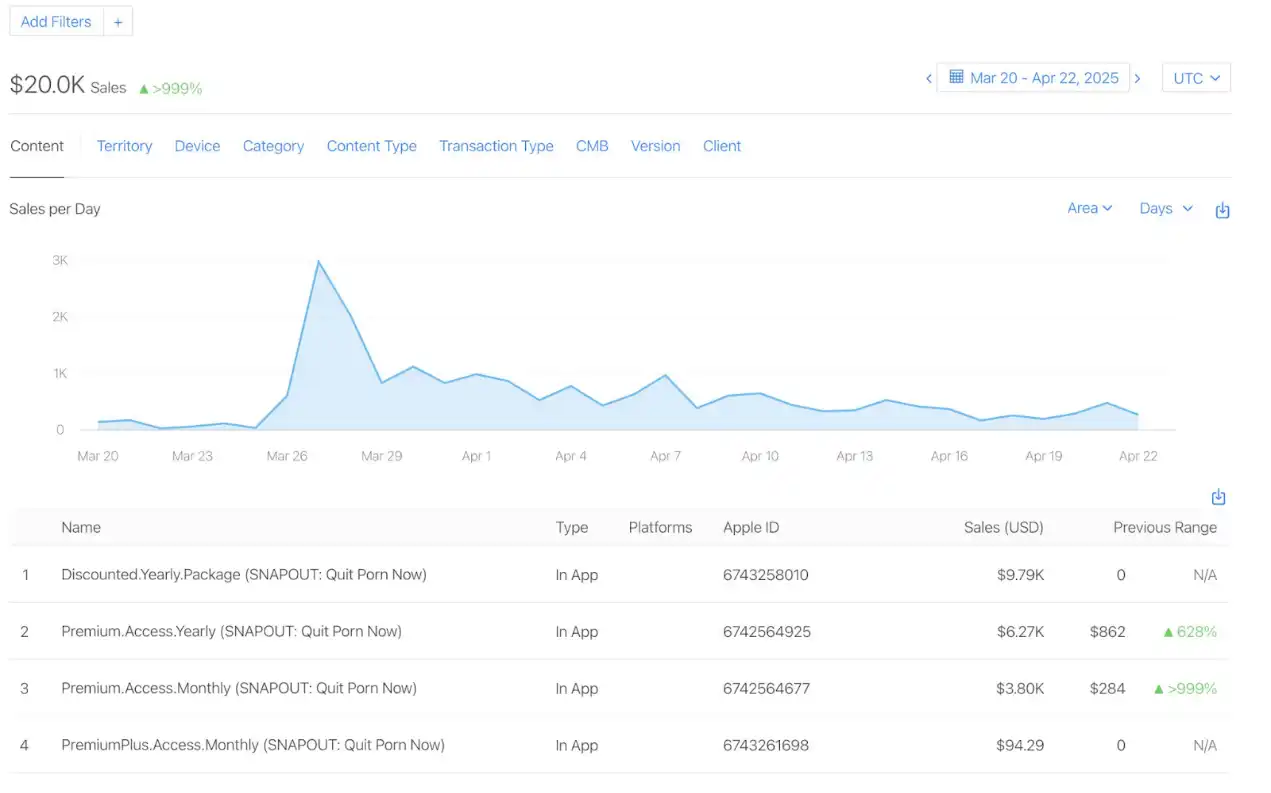
Was it luck? Of course not, it was the result of a series of carefully planned steps. If you follow the steps below, you can achieve similar results.

1. Validate Your App Idea (Don't Waste Time)

Most people fail before they even start. Ideas are a double-edged sword; everyone wants to develop their "dream app." But the most important step before you start building is to choose a niche and validate your app idea. Make sure it's something consumers actually want.

Here is the process I use for developing 10 apps:

1. Find a Pain Point: Find a problem that people struggle with every day, which you can solve with an app. Here are some proven app niche areas for you to choose from:
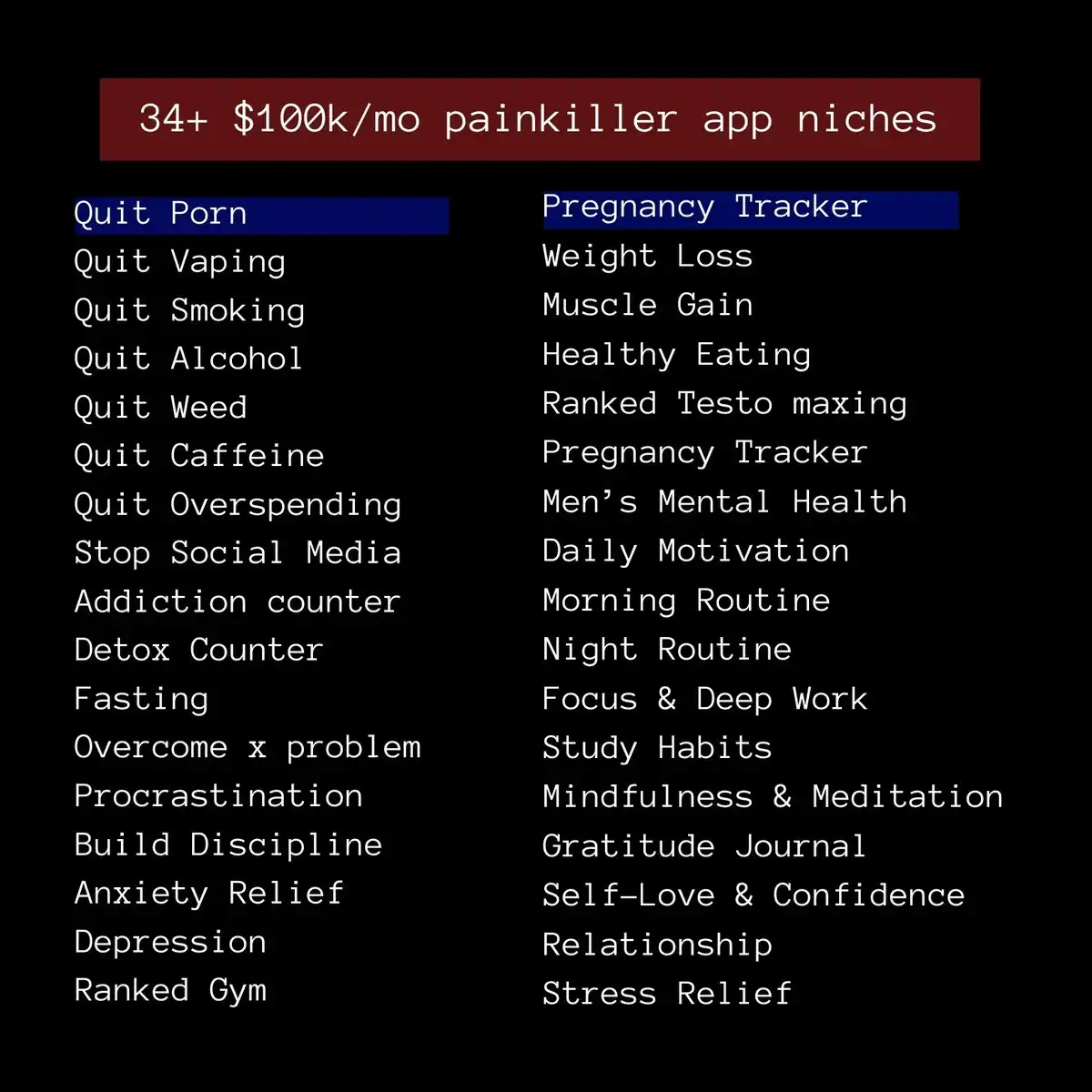
(34 App Niches with Over $100k MRR: NoFap, Quit Vaping, Quit Smoking, Quit Drinking, Quit Weed, Quit Caffeine, Quit Overspending, Quit Social Media, Sobriety Counter, Detox Counter, Fasting, Overcoming X Problem, Overcoming Procrastination, Building Discipline, Anxiety Relief, Depression, Gym Rankings, Pregnancy Tracking, Weight Loss, Muscle Gain, Healthy Eating, Testosterone Maximization, Pregnancy Tracking, Men's Mental Health, Daily Motivation, Morning Habits, Night Habits, Focus & Deep Work, Study Habits, Mindfulness & Meditation, Gratitude Journal, Self-Love & Confidence, Relationships, Stress Relief)

2. Check the App Stores: Make sure people are already paying in this space.

If there are apps making over $10k MRR, it's a good sign.
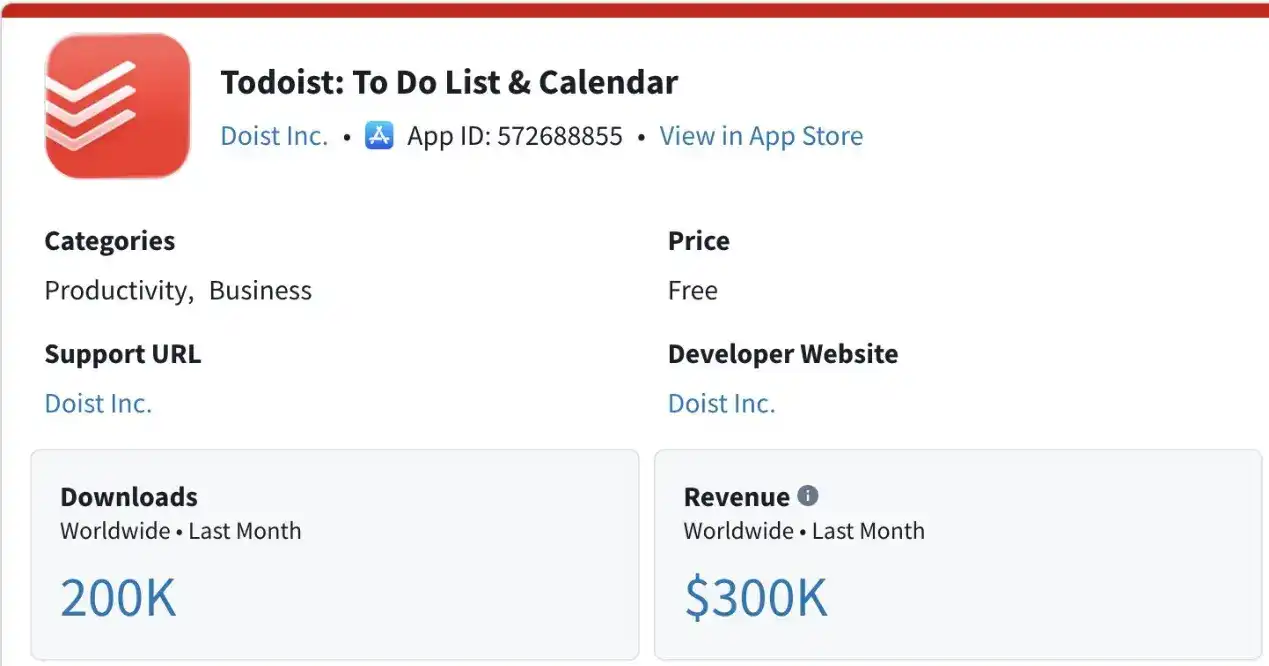
3. Download Top Competitor Apps: You need to study your competitors' strategies (the ones making the most money) carefully.

After downloading the app, take screenshots of the onboarding and core app loop. Study every detail.

4. Search on TikTok/Instagram: Figure out their main growth strategies.

It usually boils down to these four points:

  • Influencer Marketing
  • Faceless Slideshows
  • User-Generated Content (UGC) Creators
  • Paid Ads

Once you see competitors making money and creators consistently producing related content, your idea is validated, and you can start building.

2. Build the App + Tool Stack

In 2026, building an app has never been easier. The key is to build fast.

The first MVP version of all my apps is usually ugly. Sometimes weeks equal decades; sometimes decades equal weeks. For apps, it's about doing decades of work in weeks.

I usually build apps in 3-7 days using the following tool stack:

  • Rork and Cursor → Write code with AI
  • ChatGPT → Write prompts
  • Superwall → Build paywalls
  • Firebase → Database (not always needed)
  • Pinterest and Dribbble → Design inspiration
  • Xcode → Publish the app

The process is like this:

1. Get inspiration from Pinterest,Dribbble and competitors.
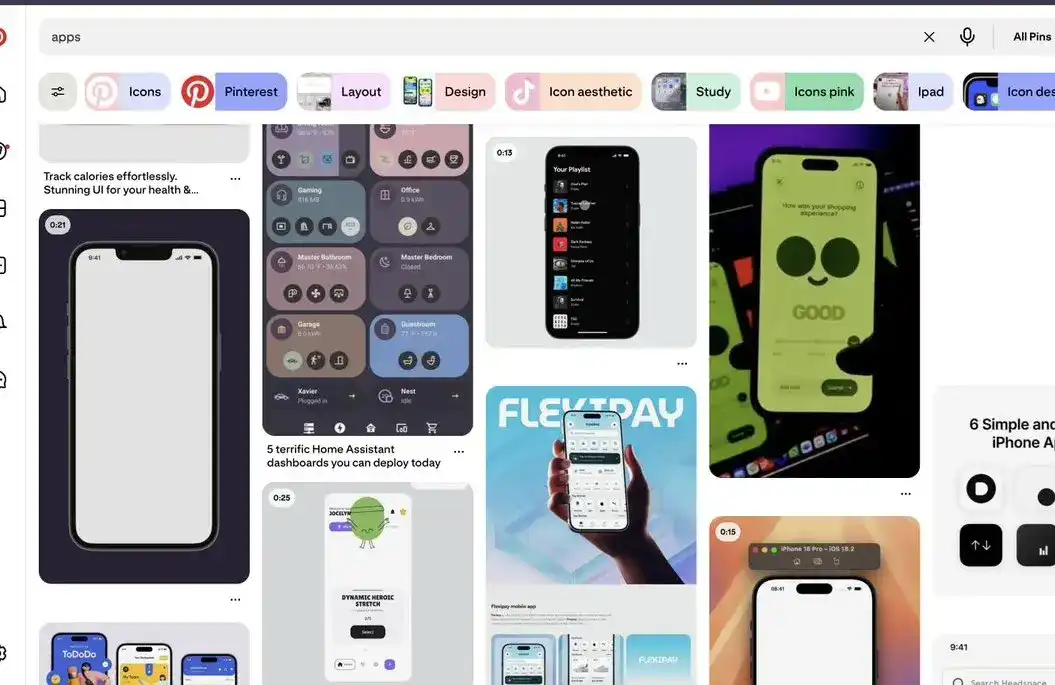
Once you find an app style you like, save the image and send it to ChatGPT along with the following prompt:
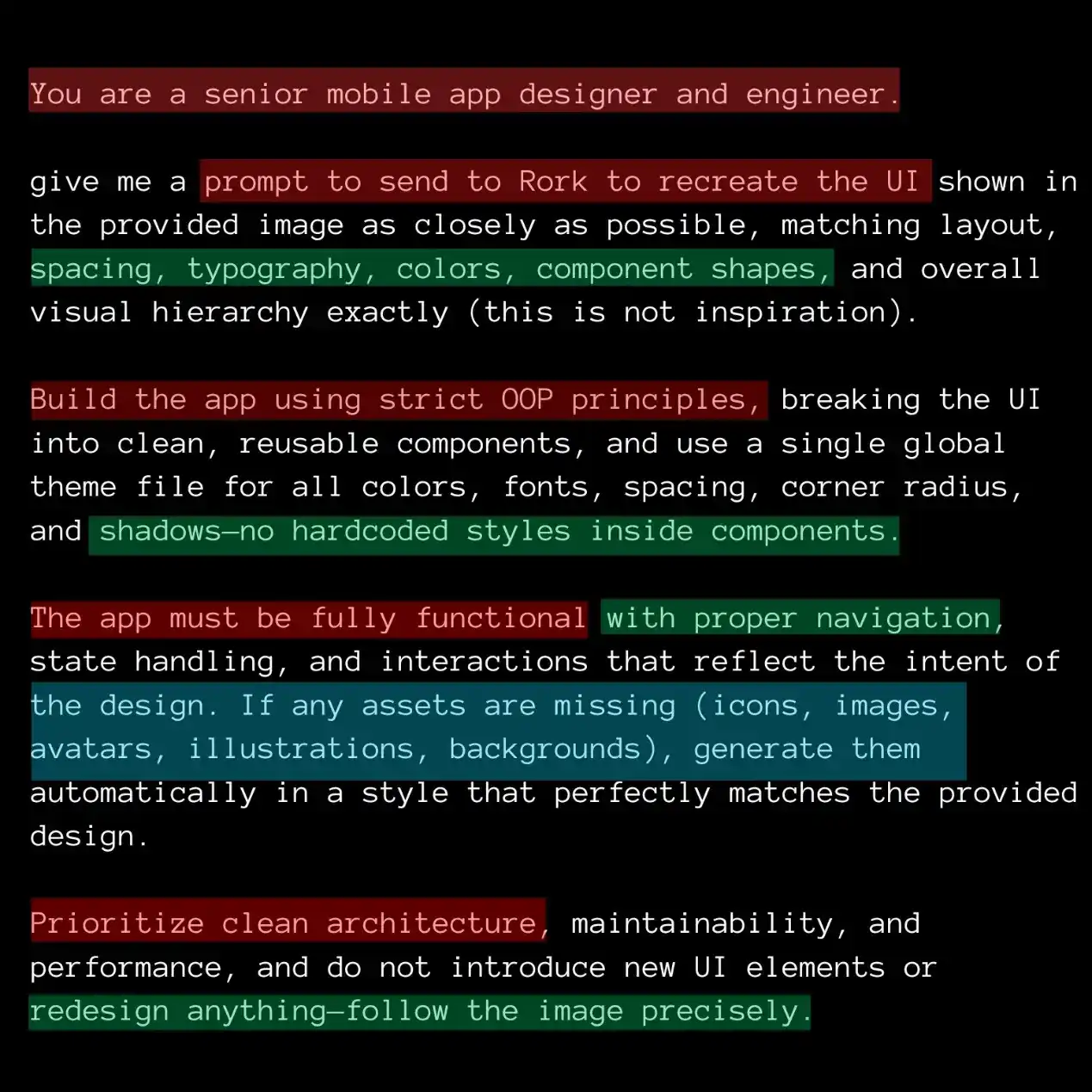
It will generate a prompt that you can send to Rork or Cursor to turn your design into a working app.

Important: Be sure to add the reference image to Rork or Cursor along with the prompt for best results.

2. Copy the Onboarding and Pricing

Once you have an app design and style you're happy with, copy the onboarding flow from your main competitor.

Onboarding accounts for 70% of an app. It's what actually converts downloads into paying users. If your onboarding is bad, no one will pay for your app.

If their app is making over $10k MRR, it means their onboarding is proven to work.

The main purpose of onboarding is to remind users why they downloaded the app in the first place, make them aware they have a problem, and that your app is the solution.

Here is the best onboarding structure:
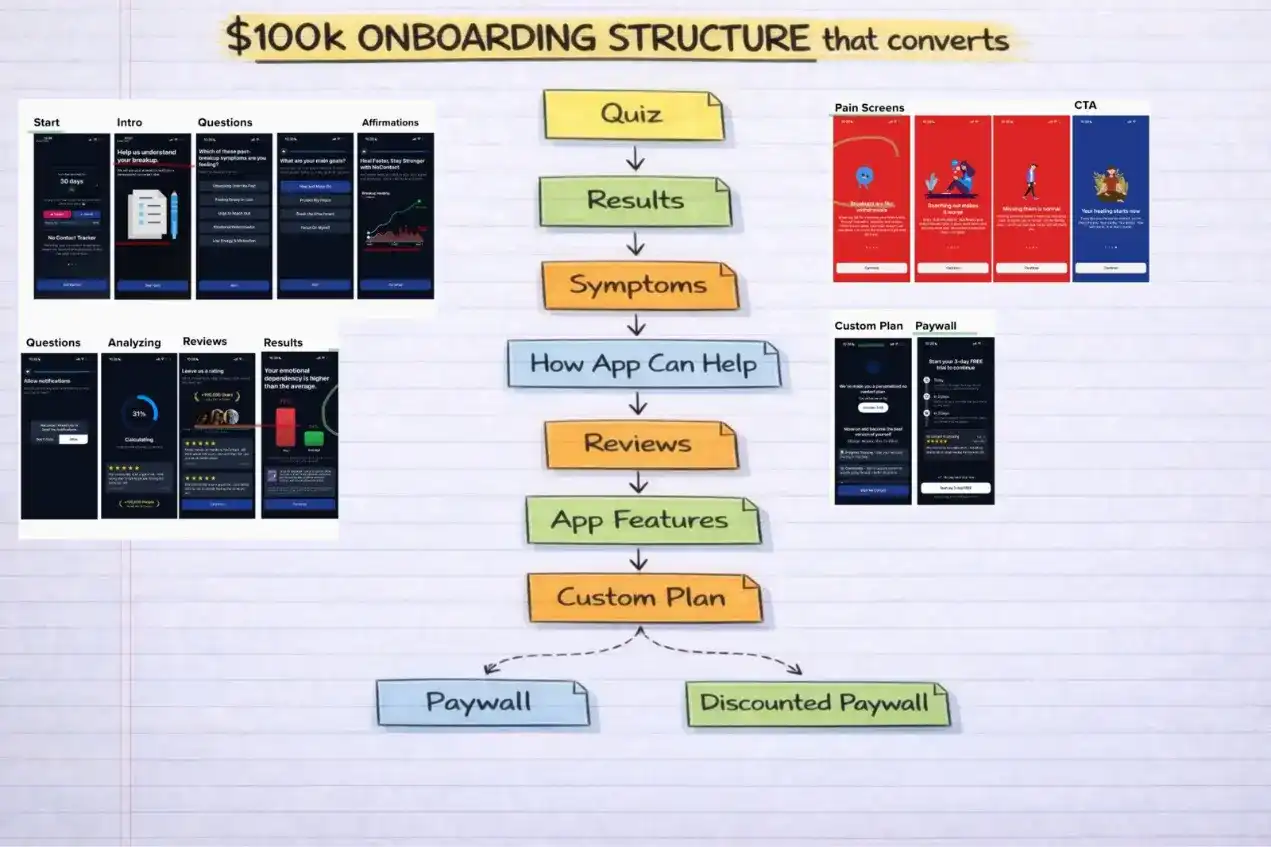
"Copying the onboarding" doesn't mean copying it exactly, but copying the structure they follow.

You can design the onboarding in your own style, and of course, the internal content of the app must be unique,

but the key is that you are building your onboarding based on validated data that your competitors have already gathered.

After the onboarding is complete, add a non-skippable paywall at the end.

Force users to pay upfront or start a free trial. This method has been proven repeatedly and is the best way to maximize revenue.

Don't be afraid to charge, use the same pricing and offers as your competitors. You can use Superwall or RevenueCat to build the paywall. I personally use Superwall.

3. Publish the App

To publish an app, you first need an Apple Developer license, which costs $99 per year. Apply as it usually takes 3-5 days for review.

1. App Store Setup (Minimum Requirements)

You only need the following:

  • App Name (Make it clear)
  • A catchy subtitle
  • 3-5 screenshots
  • A concise description

The subtitle + the first screenshot decide everything.

  • Bad example: "An AI-powered productivity experience"
  • Good example: "Block distractions, stay focused longer"

State clearly what the app does, don't be fancy.

2. Converting Screenshots

Screenshots are key to conversion. They should be clear, straight to the point, with large fonts, one concept per screen, and a clean interface. Like Cal AI (an app making $3.6M MRR):
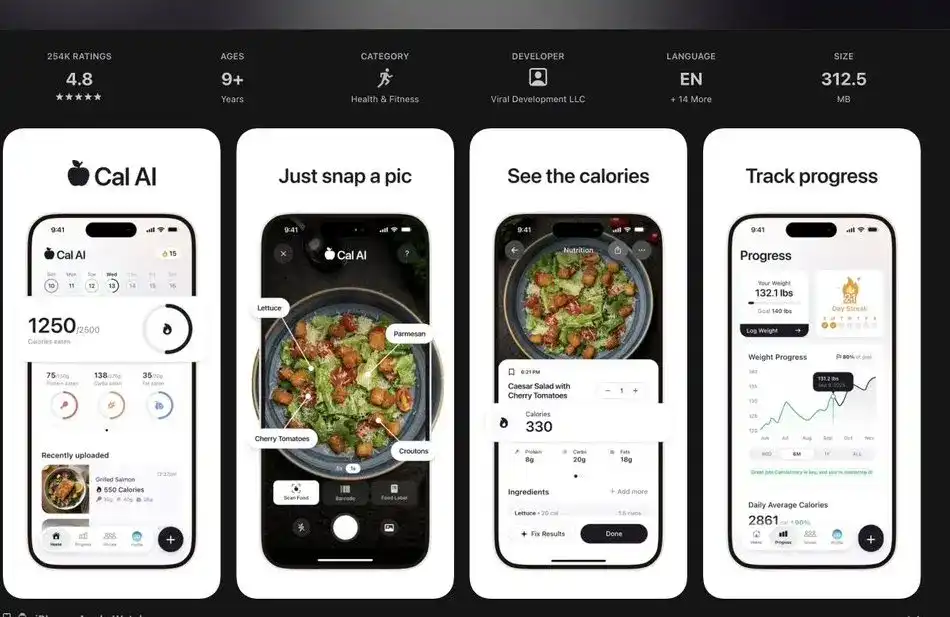
Ugly but clear screenshots > Beautiful but confusing screenshots.

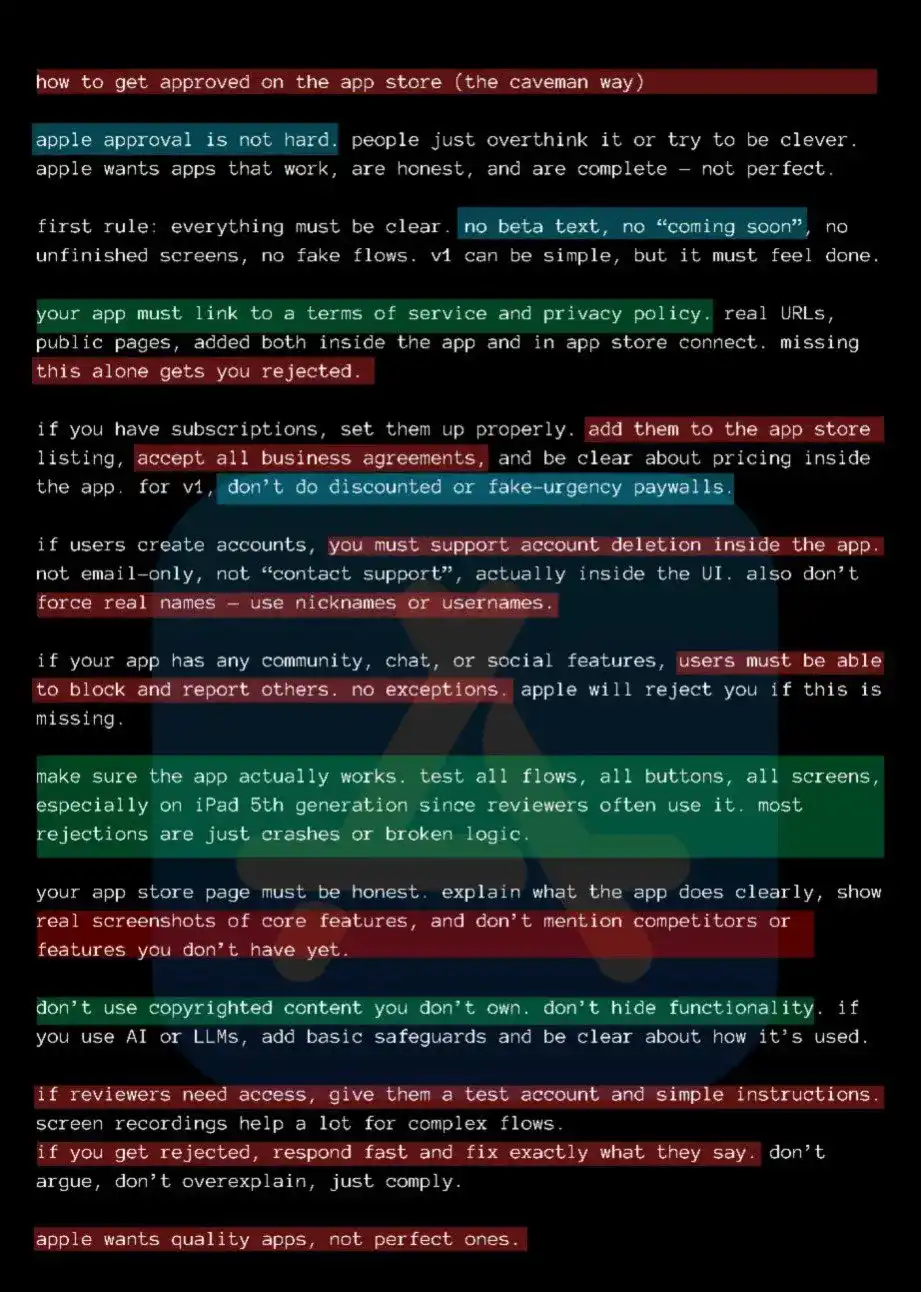
3. How to Avoid App Store Rejection

The App Store loves to reject apps, so here is a guide to avoid pitfalls:
4. Promote the App

Once the "idea code" is live on the App Store, it's time to start making money.

Attention brings wealth, so you need to be good at marketing. If you master this part, you will eventually make a fortune from apps.

You can use the following 5 channels to attract user attention to your app:

1. User-Generated Content (UGC)(Paid)

UGC stands for User-Generated Content. Hire creators to open new TikTok/Instagram accounts specifically for your app and post videos. Usually 30-60 posts per month. They are great for generating ad creatives, and if one of your creators finds a viral content pattern, you can have other creators replicate it. It's common to reach 100 million views in 30 days.

I usually pay UGC creators $15 per video, with extra bonuses if the video goes viral:

  • 100k views = $150
  • 250k views = $300
  • 500k views = $600
  • 1M views = $800

A single video can earn up to $850, and 1 million views will bring you far more revenue than that.

Where to find UGC creators? Two methods:

  • Find creators through platforms or agencies like Sideshift
  • Scroll like crazy on TikTok and manually email creators

I don't recommend using agencies. My method is to hire a relative who is addicted to TikTok. Have them scroll daily and send 100 DMs and emails to creators.

Make sure to optimize your For You page (raise the account) to only relevant creators.

Pro Tip: Always have a contract and text them at least once a day.

2. Influencers (Paid)

This is one of my favorite methods. Because one good influencer can make your app blow up quickly. I hired an influencer for $1 per thousand views (CPM). That is, 1000 views = $1.

This influencer's first video went viral quickly, bringing in $20,000 for my first app. All within 30 days.

You can find influencers using the same method discussed in the "User-Generated Content" (UGC) section above.

If you can get a deal for $1 CPM, you have nothing to lose. Because if they don't perform, you don't lose money. And if they perform well, you get a ton of app sales.

Pro Tip: Set a cap of $1000 for the CPM deal.

3. Faceless Content (Free)

This is the most underestimated method, and most people don't do it. These faceless accounts usually take the form of:

  • Slideshow videos
  • Screen recordings
  • On-screen text
  • Stock footage + captions
  • Eye-catching app demos

Using these accounts, you can post 3-5 times a day, for free.

If a format goes viral, double down immediately. Same hook, same structure, but different text. This is the secret to faceless accounts getting millions of views.

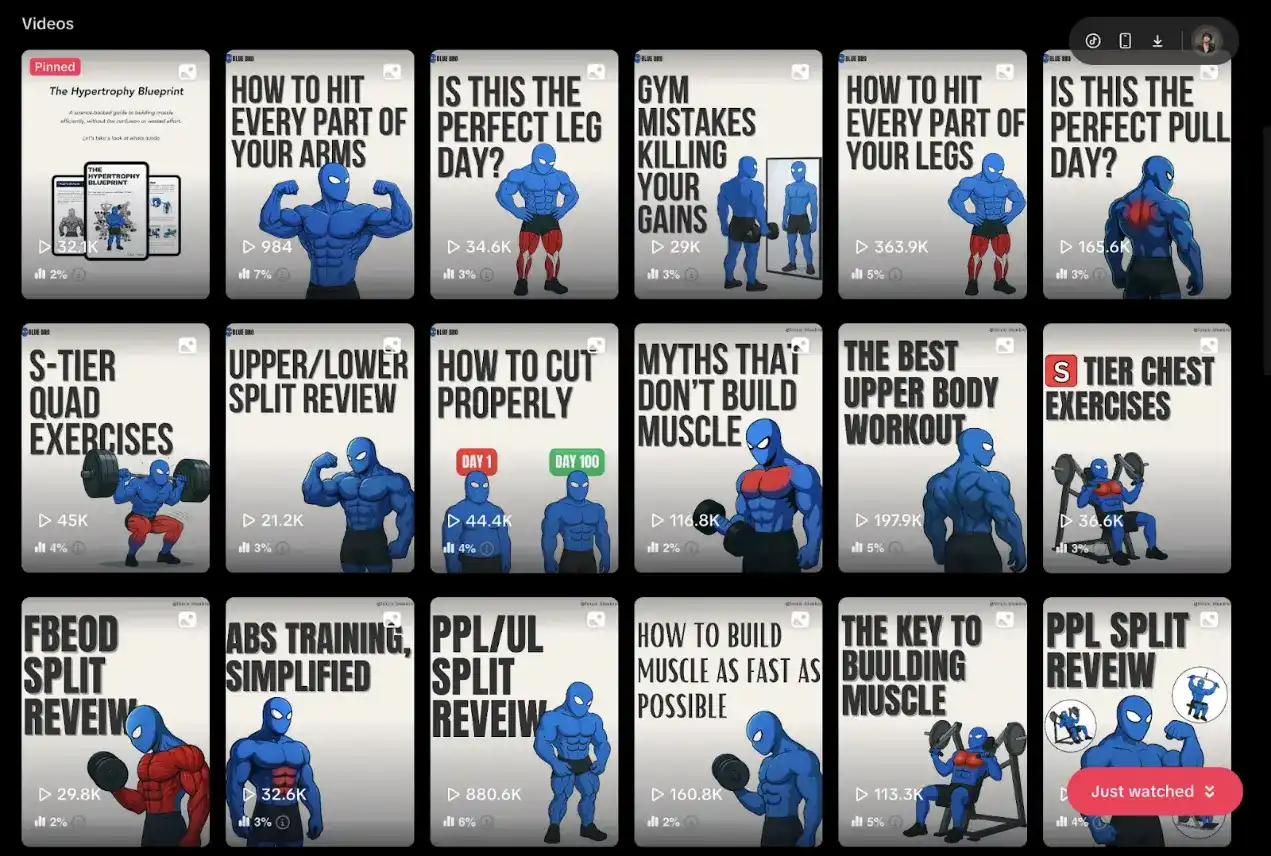
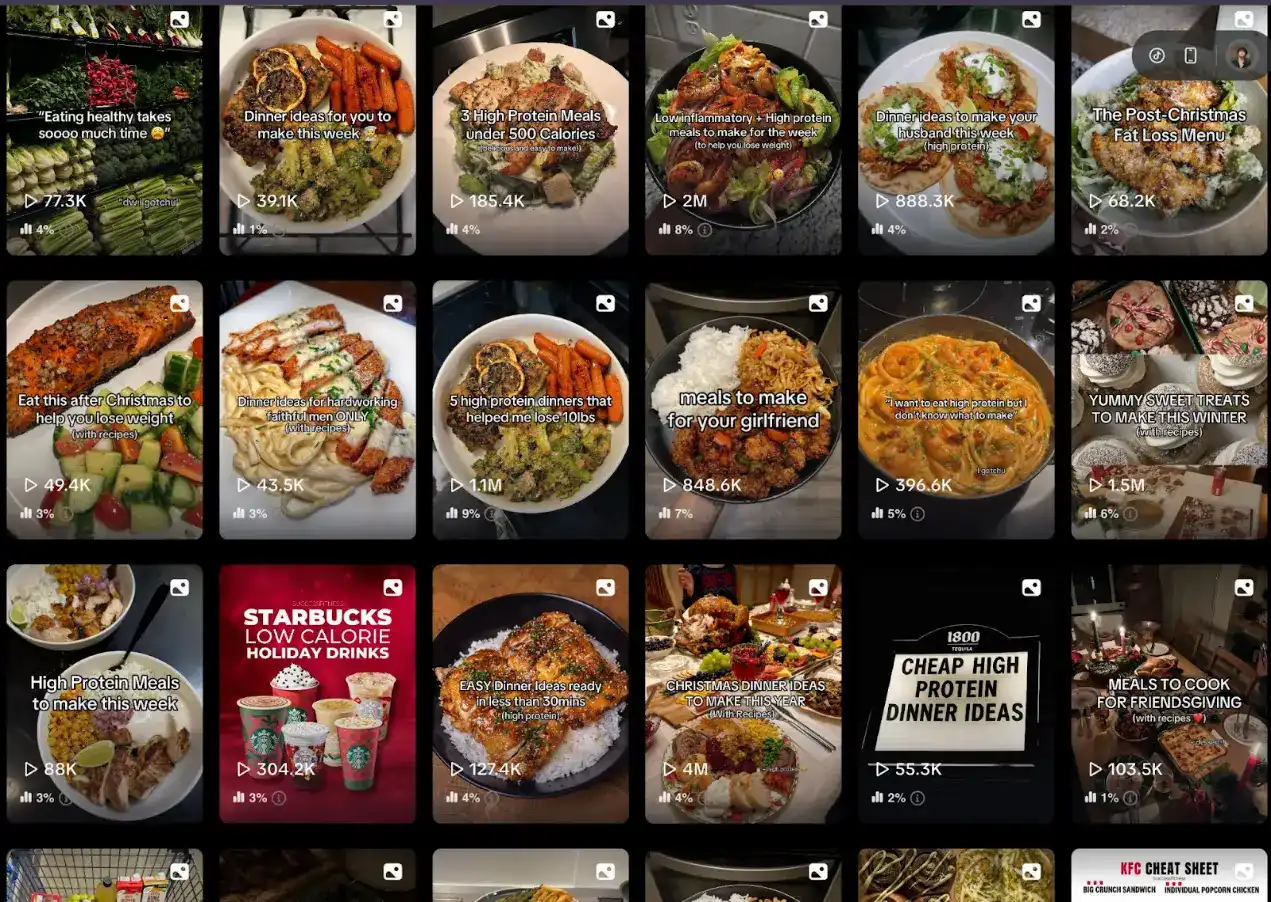
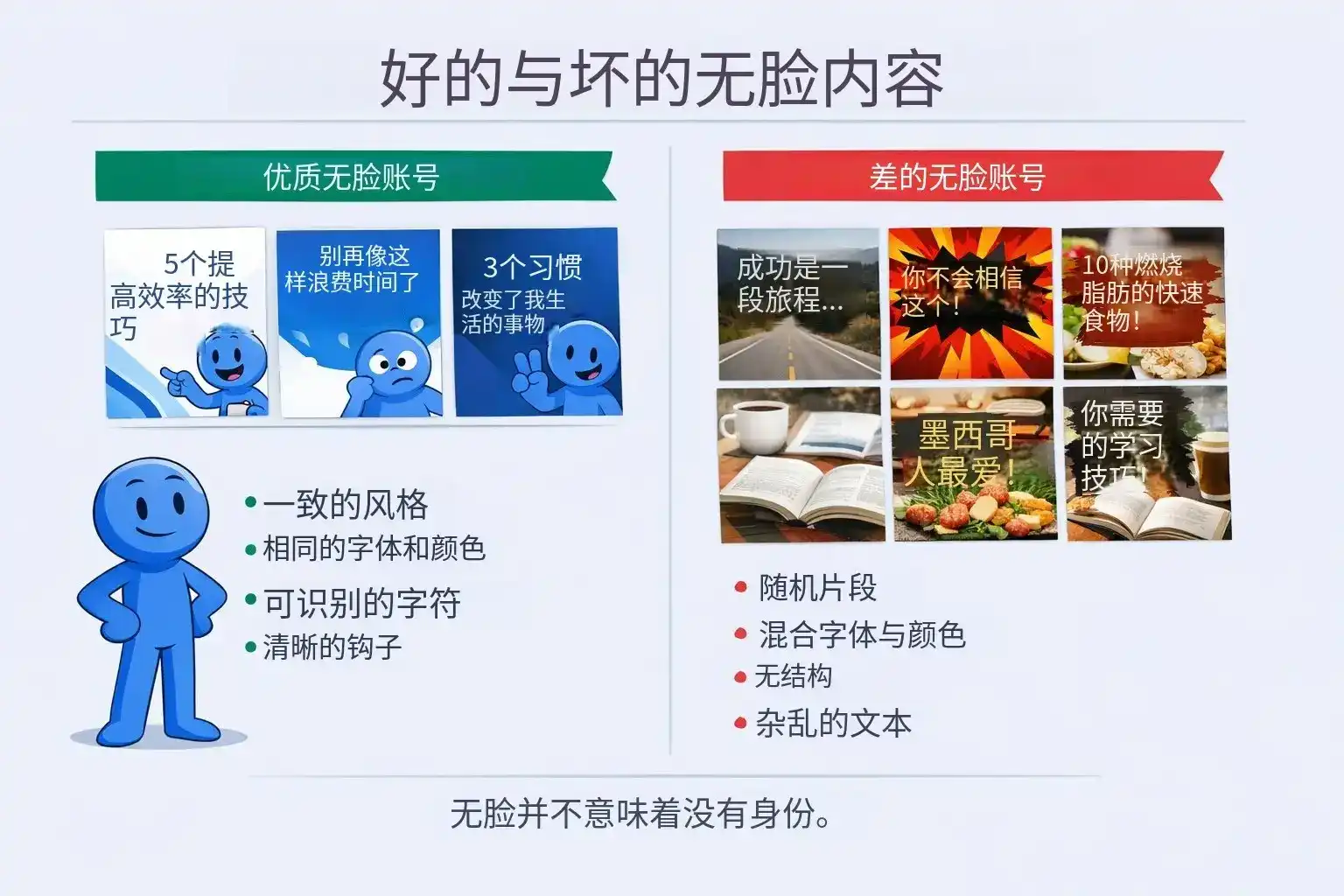
The most important advice is consistency. Even for faceless accounts, build a brand. If your faceless account looks like a Pinterest feed, it's over. Instead, maintain a consistent style. Sometimes, even use a fixed character.

For example, the blue character below got over 50 million views, all generated with CHATGPT.
Here is another example of an account using the slideshow format with millions of views:
Here is an example of a bad faceless account:
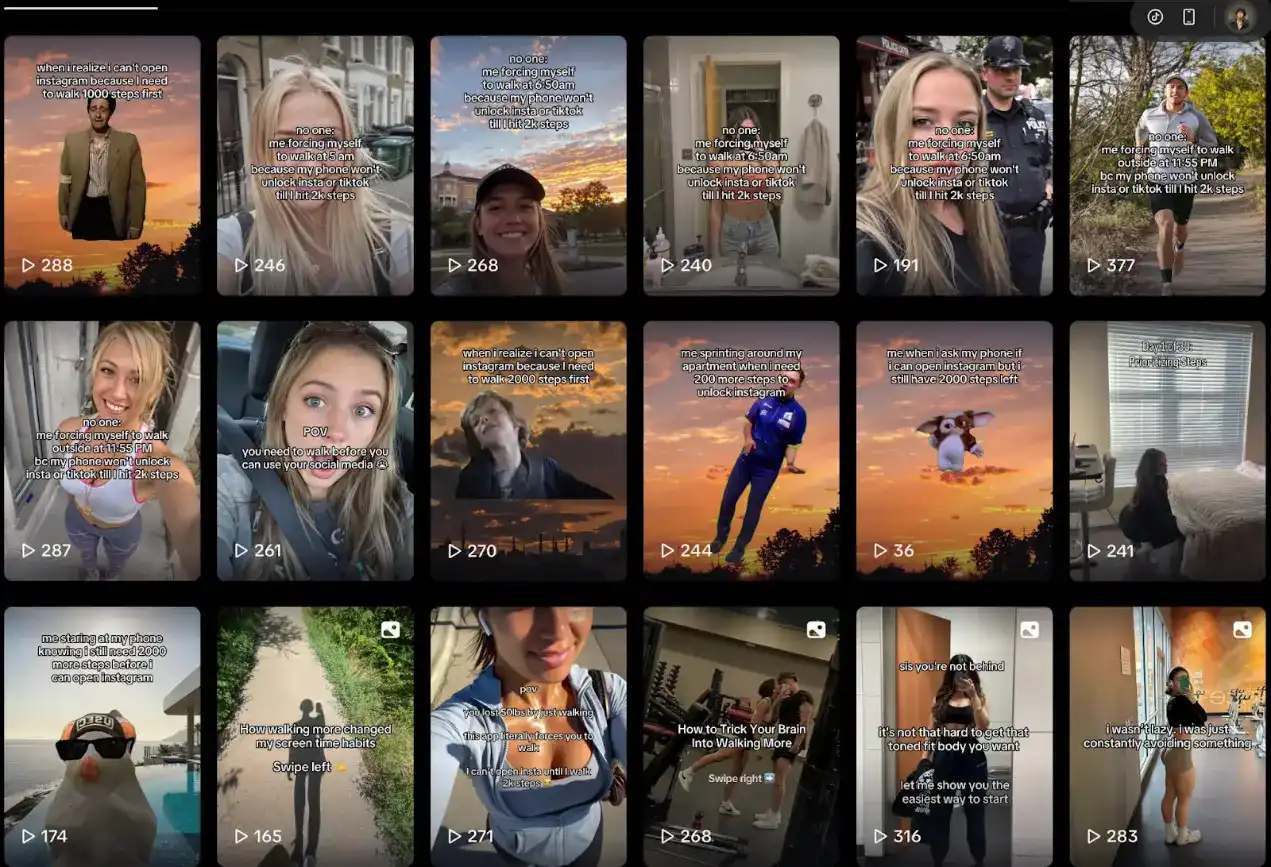
It looks random and lacks consistency.

Summary:
4. Founder-Led Content (Free)

This model is hard to succeed with if you have no content creation experience. But I still encourage you to try.

A great example of founder-led content is Cormac, whose Oasis Health App found a viral pattern and got millions of views with it. His MRR last month was over $100k.
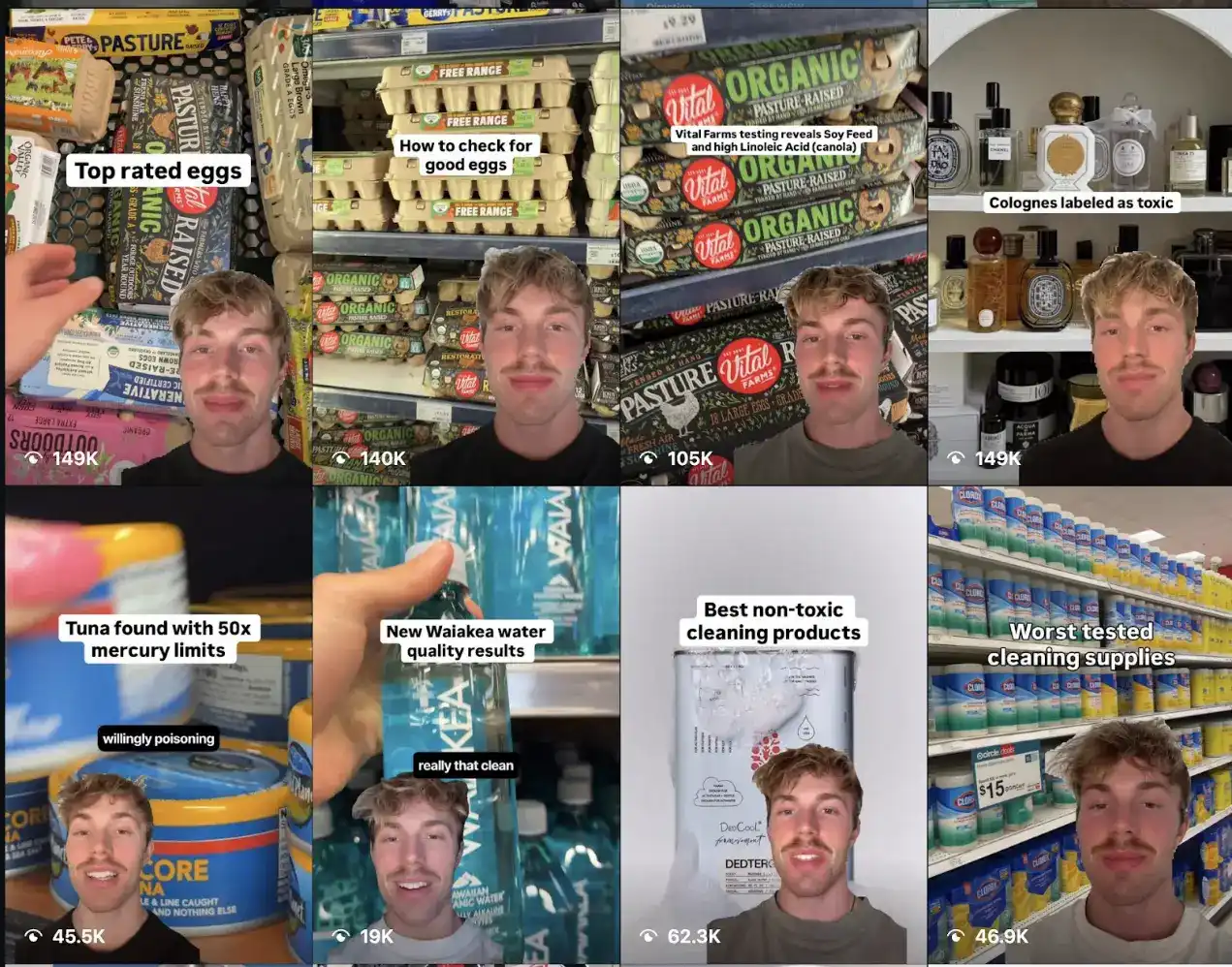
I tried it recently, copied a 200k view content pattern, and the video got 549k views. Even if you have money for influencers, do founder content. Because it helps you develop a sense of virality. Then you can pass that sense to your creators and operate like a real founder.

5. Paid Ads (Costs Money)

Paid ads are severely underestimated, but in my opinion, they are the best growth channel. Because they are scalable and predictable. Once you find the right CPA (Cost Per Acquisition) and have some winning creatives, you can scale almost infinitely.

Summary

Developing an app is like developing digital real estate. Think of the app as property and users as tenants. Once you understand this formula, you can replicate it infinitely.

Recurring revenue is the only true business model, and apps are the perfect way to achieve it.

Related reading: Deconstructing X's New Algorithm: The Ultimate Guide to Content Gold Mining in 2026


İlgili Sorular

QWhat is the most important step before starting to build an app according to the author?

AThe most important step is to validate the app idea by choosing a niche and ensuring it's something consumers actually want, rather than building a 'dream app' without validation.

QWhat tools does the author recommend for building an app quickly in 2026?

AThe author recommends using Rork and Cursor for AI-assisted coding, ChatGPT for prompts, Superwall for paywalls, Firebase for databases (if needed), Pinterest and Dribbble for design inspiration, and Xcode for publishing the app.

QWhat is the key to converting app downloads into paying users?

AThe key is a well-designed onboarding flow, which accounts for 70% of the app's success. It should remind users why they downloaded the app, make them aware of their problem, and present the app as the solution, ending with a non-skippable paywall.

QHow did the author achieve $20,000 in revenue for their first app within 30 days?

AThe author achieved this by leveraging influencer marketing, specifically hiring an influencer at a rate of $1 per thousand views, which resulted in a viral video that drove significant app sales.

QWhat are the five marketing channels suggested for promoting an app?

AThe five channels are: 1) User-Generated Content (UGC) (paid), 2) Influencer marketing (paid), 3) Faceless content (free), 4) Founder-led content (free), and 5) Paid ads (paid).

İlgili Okumalar

STAR 50 Soars 10.73%, Why Did A-Shares Stage a "V-Shaped Reversal"?

After a prolonged decline, the Chinese A-share market staged a strong rally on July 21. The STAR 50 index surged 10.73%, its largest single-day gain in nearly a year, leading a broad-based "V-shaped" reversal. The Shanghai Composite Index rose 1.79%, the Shenzhen Component Index gained 4.81%, and the ChiNext Index jumped 7.05%. Total market turnover reached 2.97 trillion yuan, an increase of 256.1 billion yuan from the previous session, with over 3,100 stocks advancing. The semiconductor sector spearheaded the rebound, with related ETFs posting significant gains. Analysts attribute the surge to three converging factors. First, coordinated capital inflows from "national team" institutions, insurance funds, listed company buybacks, and fund house self-purchases have bolstered market liquidity and confidence. Second, supportive policy signals, including commitments from regulators to ensure stable market operations, provided a favorable backdrop. Third, a stabilization and recovery in overseas markets, notably South Korea, created a positive external environment. Institutions suggest the most severe panic selling phase for the tech sector has likely passed, following a significant digestion of crowded positions and leveraged funds. While short-term volatility may persist, the medium to long-term outlook remains underpinned by enduring trends like AI computing demand expansion and semiconductor localization. The market's focus now shifts to the sustainability of supportive fund flows, earnings reports, and upcoming catalysts from the global AI industry chain.

marsbit36 dk önce

STAR 50 Soars 10.73%, Why Did A-Shares Stage a "V-Shaped Reversal"?

marsbit36 dk önce

U.S. Tech Momentum Stocks Post Largest Single-Day Gain Ever, But Is the Plunge Over?

US tech momentum stocks staged a sharp rebound on Tuesday (July 21st). Morgan Stanley's TMT Momentum Factor surged over 12%, marking its largest single-day gain on record, exceeding even peaks from the 2000 dot-com bubble. Key momentum indices from Goldman Sachs also posted their strongest daily performances in years. The rally was led by semiconductors, with the Philadelphia Semiconductor Index jumping 4.6%. This rebound followed three consecutive down days and a cumulative 33% plunge in momentum stocks, one of the steepest drawdowns since the dot-com era. Analysts attribute the surge largely to a short squeeze. Heavy selling had pushed high-beta momentum stocks into deeply oversold territory, forcing many short sellers, particularly in Asia, to cover their positions, creating a self-reinforcing buying spiral. However, the rebound's internals appear weak. Trading volume was notably low, and advancing stocks still lagged decliners on the S&P 500, indicating a narrow, concentrated rally rather than broad market participation. Diverging views emerge on the outlook. BTIG warns the bounce has hit key resistance and recommends selling into strength, citing extreme volatility and historical parallels to past market tops. Conversely, Goldman Sachs and UBS believe the momentum unwind is nearing its end, suggesting it may be time to gradually add exposure, as positioning has been significantly reduced. They caution, however, that high volatility warrants a measured approach, potentially using defined-risk strategies. The upcoming earnings season, particularly reports from major tech firms like Alphabet, is seen as a critical test for the rally's sustainability. Simultaneously, bond markets flashed a warning, with yields rising partly due to spiking oil prices. Analysts note that if long-term Treasury yields break decisively higher, it could pose a significant headwind for equities, especially growth stocks.

marsbit43 dk önce

U.S. Tech Momentum Stocks Post Largest Single-Day Gain Ever, But Is the Plunge Over?

marsbit43 dk önce

U.S. Tech Momentum Stocks Record Largest Single-Day Gain Ever, but Has the Rout Ended?

U.S. tech momentum stocks staged a dramatic rebound on Tuesday, July 21st. Key momentum indices like the Morgan Stanley TMT Momentum Factor and Goldman Sachs' High Beta Momentum Long Index posted historic or near-historic single-day gains, fueled largely by semiconductor stocks. This sharp rally followed a severe three-day sell-off that saw momentum stocks plunge 33%, marking one of the steepest pullbacks since the dot-com bubble. Analysts attribute the bounce primarily to a short squeeze, as forced covering from over-leveraged traders, particularly in Asia, created a buying spiral. However, the rally's health is questioned due to weak market breadth—overall trading volume was low, and decliners outnumbered advancers in the S&P 500 despite the index's gain—suggesting a narrow, concentrated surge rather than broad recovery. Opinions on the sustainability diverge. BTIG strategists warn the rebound has hit key resistance levels, citing extreme volatility and historic stock dispersion as signs of an ongoing broader correction, and recommend selling into strength. Conversely, Goldman Sachs and UBS view the aggressive momentum unwinding as nearing its end, noting reduced positioning and a lack of new fundamental catalysts. They suggest the sell-off presents a selective opportunity to add exposure, albeit cautiously and gradually using defined-risk strategies. The immediate trajectory hinges on the ongoing earnings season, with market focus on Alphabet's capital expenditure guidance for AI investment clarity. Meanwhile, bond markets present a risk, with rising Treasury yields—potentially heading toward 5.5%—and widening credit spreads for mega-cap tech companies posing a threat to equity valuations. The combination of technical factors, earnings results, and macro conditions leaves the durability of the rebound in doubt.

链捕手46 dk önce

U.S. Tech Momentum Stocks Record Largest Single-Day Gain Ever, but Has the Rout Ended?

链捕手46 dk önce

Long-Divided Must Unite, Long-United Must Divide: When L1 Becomes Its Own Rollup, What Is Ethereum's Endgame?

"The Inevitable Cycle: When L1 Becomes Its Own Rollup – What is Ethereum's Endgame?" For years, the Ethereum community grappled with concerns that L2s were fragmenting the ecosystem and eroding L1's value. While L2s provided cheaper execution, they also splintered liquidity and the unified user experience of a single chain. This has prompted a fundamental reassessment of the relationship between L1 and L2. Ethereum's roadmap is evolving. The "Scale" initiative merges L1 and L2 expansion into a holistic framework. L1 itself is advancing with higher gas limits, statelessness, and zkEVM verification, no longer content to be just a low-throughput settlement layer. Consequently, the primary value proposition of L2s is shifting from merely providing cheap blockspace to offering L1 cannot easily provide: application-specific optimizations, privacy features, and flexible governance models. L2s are becoming a spectrum of execution environments with varying degrees of security inheritance from Ethereum. A critical challenge in this multi-chain future is interoperability. The vision is to make Ethereum "feel like one chain again." This relies on advancements in native account abstraction (like EIP-7702) and intent-based architectures (Open Intents Framework), where users declare desired outcomes, and solvers handle the complex cross-chain execution. Furthermore, shortening Ethereum's finality time from minutes to seconds is crucial, as it underpins trust between chains for bridges, stablecoins, and cross-chain applications. Perhaps the most provocative idea is that Ethereum L1 itself could become a form of "its own Rollup." As zkEVM and proof systems mature, high-performance nodes could execute transactions and generate validity proofs. Regular validators would then verify these proofs instead of re-executing all transactions. This blurs the traditional L1/L2 hierarchy, making "Rollup" more of a general execution-verification architecture. Native Rollup aims to integrate L2 validation more directly into the Ethereum protocol, allowing L2s to inherit L1's security more fully and move away from reliance on security councils. In the end, L2s are not destined to replace L1 or be made obsolete by it. The likely future is a unified system where diverse execution environments—each optimized for specific use cases like DeFi, gaming, or privacy—coexist. They will share a common foundation of security, liquidity, and verifiable state, seamlessly connected to restore a cohesive user experience. The next phase for Ethereum is not just about scaling through separation, but about intelligently reintegrating what was separated back into a coherent whole.

链捕手1 saat önce

Long-Divided Must Unite, Long-United Must Divide: When L1 Becomes Its Own Rollup, What Is Ethereum's Endgame?

链捕手1 saat önce

İşlemler

Spot
活动图片




