"AI Burning Books" Is Actually a Misunderstanding

marsbit2026-08-19 tarihinde yayınlandı2026-08-19 tarihinde güncellendi

Özet

"AI Book-Burning" Is Actually a Misunderstanding Recent reports about AI companies purchasing used books, scanning them, and then destroying the physical copies have sparked widespread outrage. Terms like "AI is devouring human knowledge" have become common, fueled by dramatic visuals of books being cut and shredded. However, the actual facts reveal a more nuanced story. While companies like Anthropic have indeed spent millions to buy and "destructively scan" several million books for AI training, this volume is a small fraction of the global second-hand book market. The core act—digitizing content and then discarding the physical object—is the opposite of historical book-burning, which aimed to erase knowledge. A key point of contention is the purchase of rare or out-of-print books. Yet, if these books were legally for sale on the open market, the buyer (whether an AI firm or an individual) has the right to do with them as they wish. The real question is whether society has adequate systems to protect books of genuine cultural heritage *before* they are sold. Expecting profit-driven companies to self-regulate on this is unreliable; the solution lies in establishing public rules, such as protected lists for rare editions or granting libraries priority purchase rights. Much of the intense public reaction stems not from the scale of actual harm, but from the powerful symbolism. The image of books being fed into machines taps into deeper anxieties about AI: fears of job disp...

By Zimubiao

In Silicon Valley, the "AI burning books" saga just keeps getting wilder.

In a recent report, a media outlet collaborated with second-hand book dealers, placing an AirTag in a batch of books purchased by a mysterious buyer. They tracked it all the way to an Amazon factory in Las Vegas.

Factory employees indicated this was part of an Amazon project called VGT3, specifically dedicated to cutting and scanning books.

A second-hand book ended up following the plotline of a crime drama.

At this point, the situation has become somewhat surreal.

Over the past month, reports about "AI burning books" have emerged one after another, yet they haven't revealed much new information—AI companies are indeed buying large quantities of old paper books, cutting off the spines, high-speed scanning them to digitize the content, and then disposing of the original books. When Anthropic's "Project Panama" was exposed earlier this year, the most sensational elements were already laid out on the table: millions of books, tens of millions of dollars in procurement, and destructive scanning.

Later, when second-hand booksellers worldwide noticed unusual orders, ISBNdb was exposed for sourcing paper books specifically for AI companies, and now AirTags have been tracked into an Amazon warehouse—these developments have merely been confirming the same fact repeatedly: yes, this is really happening, and more than one company is doing it.

Clearly, the facts remain the same, but the public sentiment around "AI burning books" is intensifying.

"AI companies are devouring books," "Human civilization is being fed to machines," "They won't even spare out-of-print books"—countless human fingers fly across social media leaving horrified comments, with videos and photos of books being cut being particularly provocative.

But to be fair, at this stage, there's a significant disconnect between the known facts and the meaning ascribed to them.

AI companies are indeed destroying books; let's not sugarcoat that.

But exactly how many are they destroying? Does destroying a physical book equate to destroying knowledge? When an out-of-print book is bought and then cut up, is the responsibility solely on the AI companies?

It's time to debunk some myths.

01

Let's start with the conclusion here. Much of the current anger towards "AI destroying books" is directed at the symbolic meaning of the act, rather than the actual harm that has occurred so far.

Of course, the two are easily conflated. After all, headlines like "AI companies are buying and destroying antique books" and "AI companies are shredding millions of books after scanning them" are genuinely frightening, and the visual impact of books being cut is powerful. It's hard to find a more fitting image to represent "AI devouring human civilization."

But if we zoom out a little, the situation isn't quite as apocalyptic as it appears in those images.

The largest known scale of this activity comes from Anthropic. After launching "Project Panama" in 2024, aiming to scan all the world's books, it spent tens of millions of dollars over roughly a year to purchase and destructively scan millions of physical books, sometimes buying tens of thousands at a time.
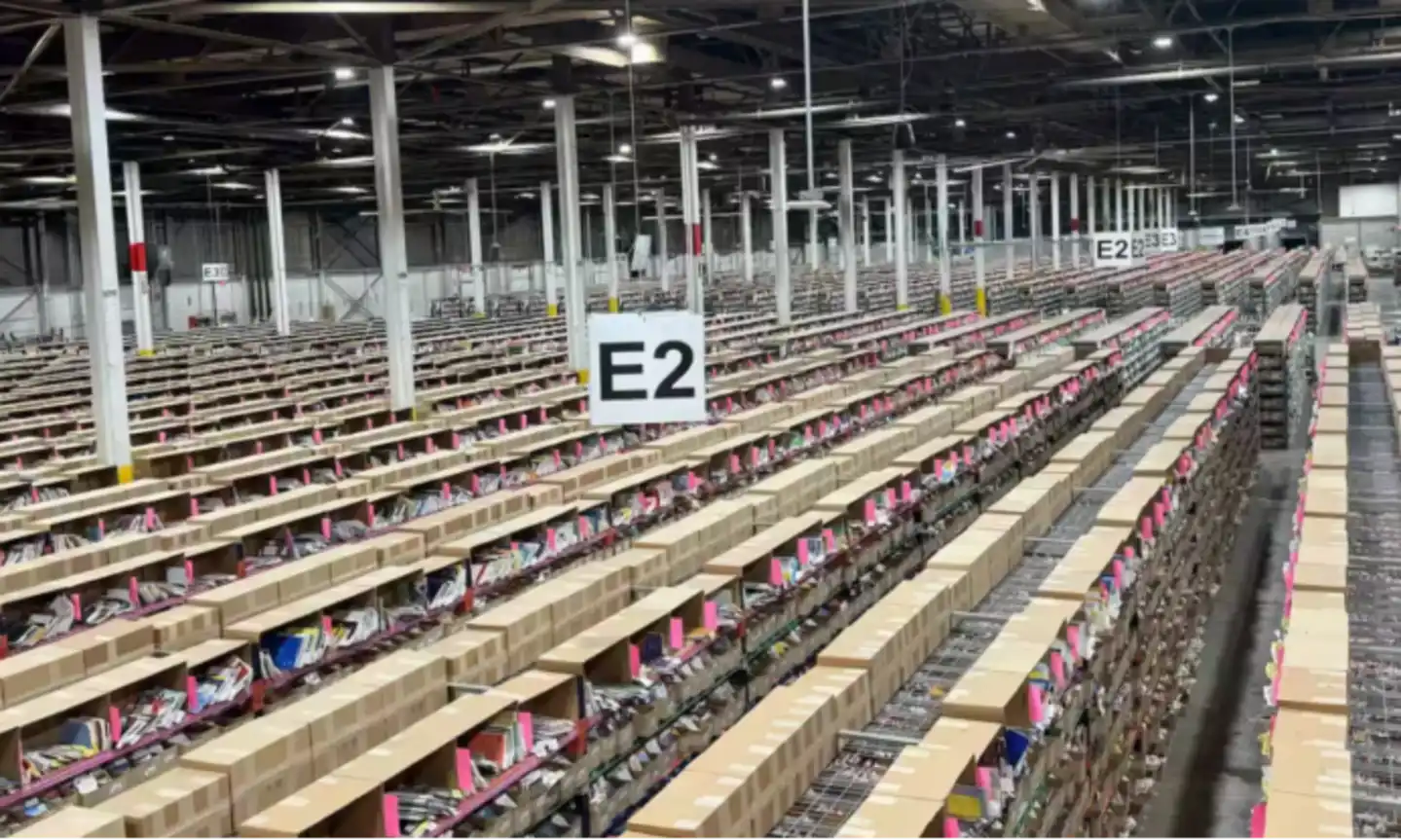
However, "millions of books" placed within the entire second-hand book market is not as staggering as one might imagine.

Take the large second-hand bookseller World of Books alone: in 2024, it sold 31 million books globally, maintained a long-term inventory of about 7 million books, and its website typically lists around 2 million different titles.

In other words, Anthropic's processing volume, compared to the normal circulation scale of a major second-hand bookseller, is just a few months' worth of their business.

So, "AI companies have scanned and destroyed millions of books" is true, but the leap from there to "AI is exhausting the supply of second-hand books" is a long one.

Furthermore, there's another issue easily loaded with emotional significance that needs clarification: the disappearance of a physical book does not equal the disappearance of the knowledge within it.

Anthropic bought these books precisely to preserve their content. In the copyright lawsuit against Anthropic by writer Andrea Bartz and others, court documents revealed that after each physical book is disassembled and scanned, it becomes a PDF containing full-page images and machine-readable text, entering Anthropic's own digital library.

If we only discuss the process of "buying a book, cutting it open, scanning it, and destroying the original," it is almost the opposite action of "burning books" in a historical sense.

Burning books aims to make content disappear. AI companies, by cutting books open, specifically aim to preserve the content. Moreover, once used for model training, it will become a living resource in new forms. Judges have expressed similar views: the content from books used to train models is transformed into new capabilities during the training process.

Those cut-up physical books are indeed painful to look at, but human knowledge hasn't been sold for scrap along with them.

02

There is a point worth noting, and it's one of the strongest arguments in the current wave of criticism. AI companies' procurement doesn't consist solely of common old books available everywhere; it does include some rare second-hand books, even out-of-print ones.

This issue cannot simply be glossed over with "the physical book is gone, but the knowledge remains." Because the value of some books isn't only in the text. Special editions, unique bindings, author inscriptions and annotations, even the provenance of a book—whose collection it passed through, what marks it left—can make the physical object itself irreplaceable.

But first, we need to distinguish one thing: scarcity does not equal preciousness, and being out-of-print does not equal being cultural heritage.

Your university professor self-published 300 copies of "Handbook of County Sewage Pipeline Construction" in 1994. Today, perhaps only a dozen copies remain worldwide—this is certainly scarce, even long out of print. But whether it is a treasure of human civilization that must be protected at all costs is probably self-evident.

The second-hand book market is full of such items. The reason they are hard to find might simply be that they were printed in small numbers or never reprinted. It doesn't mean that the loss of each copy represents a loss to public culture.

Secondly, even if we narrow our focus to those books whose physical forms are genuinely valuable, the problem is still not that simple.

As long as a book is still freely circulating as a commodity in the second-hand market, it can be legally bought by a "crazy person."

This buyer could buy it to enshrine in a climate-controlled glass cabinet, or use it as a table leg coaster. Even crazier, they could tear out two pages to soak in milk for breakfast. As long as the book isn't under special legal protection, others can only call them wasteful; they can't stop them.

So why does the situation suddenly change when the buyer is an AI company? It's as if after Anthropic or Amazon pays, even though the book nominally belongs to them, they are actually obligated to preserve it for all of humanity.

This kind of debate has happened before among humans themselves.

In 2010, Christie's auctioned a Book of Hours made in France in the 1460s. It had gold leaf decoration, exquisite calligraphy, and 17 full-page illustrations, and was largely intact at auction, finally selling for £25,000.

A few years later, Elaine Treharne, a Stanford University scholar of medieval literature, acquired the remnants of this book. Originally 254 pages, only 7 remained.

She later discovered that after the Christie's auction, the buyer—a German antiquarian bookseller—deliberately disassembled the book. The pages were sold off one by one, with ordinary pages fetching a few hundred dollars and beautiful illustrations selling for more.

But the antiquarian's subsequent defense was quite interesting:

When Christie's held the public auction, museums could have bought it, large collecting institutions could have bought it, wealthy collectors could have bought it. Everyone saw it. No one was willing to pay a higher price in the end; I paid for it and bought it. Why is it only after the transaction concludes that you suddenly tell me this thing actually belongs to all humanity and I must preserve it for you?

Well, the words might be crude, but the reasoning is sound—and the more you think about it, the more intriguing it becomes.

The same applies to AI companies today.

If a particular book is truly so precious that cutting a single page constitutes an irreparable cultural loss, then where were the museums? The libraries? The public collecting institutions? Those humans who supposedly care more about humanity's precious assets?

Why is it only after the AI company actually pays and buys it that everyone gathers around to say: You are not allowed to destroy this; it belongs to all of humanity.

You didn't buy it, yet you want to control what I do with it after I buy it. Isn't that a bit excessive?

Of course, this doesn't mean that AI companies destroying valuable old books is praiseworthy. "Having the legal right to do so" and our belief that "doing so is awful" can absolutely coexist.

But if a type of book is truly important enough that its owner shouldn't be allowed to dispose of it freely, then what really needs to change probably isn't the moral standards of AI companies.

03

To clarify the logic earlier, the language was a bit extreme.

From the perspective of humanity's common interest, AI companies' large-scale procurement of second-hand books, especially their focus on obscure, out-of-print, and small-language books, is indeed a cause for concern.

As mentioned, Anthropic buying a few million books a year isn't much in the context of the entire second-hand book market. However, a procurement volume that's a drop in the bucket for the overall market can still cause large-scale depletion if heavily concentrated on scarce titles within that niche.

So, "AI is buying up all the second-hand books" is an exaggeration, but "AI companies' procurement may be concentrated on consuming some already fragile book stocks" is not groundless.

The problem is, don't expect AI companies to be the saints in this scenario.

They certainly can be.

But "it would be nice if they did" and "society can only rely on them to do so" are two different things.

Companies are, after all, companies. Today, a certain company might think protecting rare books is important and be willing to spend more on non-destructive scanning. Tomorrow, with a different manager who finds this process 30% more expensive, they could very well cut it.

Relying on commercial companies to long-term safeguard cultural heritage for society based on conscience is a bit like expecting Sun Wukong to put the tightening band on his own head and recite the incantation himself—of course, it's great if he occasionally has an epiphany, but system design better not count on that kind of miracle.

If AI companies' procurement truly begins to threaten books with public value, then this is no longer a question of "whether a company has good ethics," but rather a question of public interest.

Since it involves public interest, the solution should also come from public rules.

For example, we could establish a more comprehensive registration system for rare book titles and editions. If a book is confirmed to have extremely few surviving copies and its physical form possesses clear historical, edition-specific, or artifact value, it enters a protected list. AI companies could buy it but not perform destructive scanning. Or, after purchase, they must prioritize non-destructive digitization.

We could also give libraries, museums, and public collecting institutions some form of right of first refusal. When commercial procurement systems detect suspected unique copies or editions with extremely few surviving copies, they first submit the information to public institutions, giving them a certain period to decide whether to collect them. If the institutions don't want it, then you can buy and process it.

Second-hand book platforms aren't entirely without responsibility either. If algorithms today can accurately detect "only three copies of this 1987 book remain online," platforms can certainly trigger alerts when the same book is suddenly subject to concentrated bulk purchasing by multiple large buyers.

We could even require large-scale procurers to bear some informational obligations. If you're destructively scanning millions of books a year, you should at least record what editions you processed, which books were exceptionally scarce, and contribute this data to public bibliographic systems.

Which of these solutions is best is debatable; perhaps none will be used in the end. But at the very least, there needs to be a rule.

04

Having said all this, there might be one final question left.

When people furiously accuse AI companies of "destroying humanity's books" and "swallowing human knowledge," what are they really accusing? When seeing books being cut open and fed into scanners, where does that intense discomfort and fear truly come from?

The increasingly ambivalent feelings humans now harbor towards AI itself cannot be ignored. People are becoming more reliant on AI, while simultaneously becoming more afraid of it, even growing to hate it.

A Pew survey this year shows the proportion of U.S. adults using ChatGPT has risen from 18% in 2023 to 44% in 2026, with 38% of the employed population already using AI for work tasks. Yet simultaneously, 63% of Americans believe AI is developing too quickly, and 40% expect it to have negative impacts on society in the future.

This contradiction is particularly evident among young people.

A Gallup survey this year of Americans aged 14 to 29 found that 51% use generative AI at least once a week, with 22% using it daily. But compared to a year ago, their excitement about AI dropped 14 percentage points, hope dropped 9 points, while anger rose 9 points.

Now, 31% explicitly state they feel angry about AI, and 42% feel anxious.

Even more interestingly, even among those who use AI daily, excitement and hope have significantly declined compared to last year.

In other words, using it more hasn't automatically led to liking it more.

What happened at American university graduation ceremonies this year is almost a live demonstration of this sentiment.

In May, when former Google CEO Eric Schmidt mentioned at Arizona State University's commencement that AI would enter all industries, the audience booed. Similar scenes subsequently occurred at multiple universities. One survey claimed about 70% of college students worry AI threatens their employment prospects.

This is likely the real situation many face with AI today. Not using it risks falling behind, but the more they use it, the clearer they become about the potential consequences.

The negative associations triggered by "book cutting" are almost inevitable—machines are growing by consuming everything humanity has created in the past.

And then they will come back to take your job.

Thus, copyright anxiety, employment anxiety, distrust of tech companies, and even that fear and dread of "is humanity in the process of creating its own replacement"—all are triggered by the visual symbol of "book cutting."

This also explains why the public sentiment surrounding this issue has far outpaced the actual losses.

That's not just a book being cut open; that is me being sliced by the knife, and then turning into useless garbage.


Trend Kriptolar

İlgili Sorular

QWhat is the main argument of the article regarding the 'AI book-burning' controversy?

AThe article argues that the public outrage over 'AI book-burning' is largely based on its symbolic meaning rather than the actual scale of harm. It points out that the number of books destroyed by AI companies is small relative to the global second-hand book market, and that the knowledge within the books is preserved digitally, not erased. The core issue is misdirected anger stemming from broader anxieties about AI's societal impact.

QAccording to the article, how does the scale of Anthropic's book scanning compare to the broader second-hand book market?

AThe article states that Anthropic scanned millions of books over about a year. However, it compares this to a single large second-hand book dealer, World of Books, which sold 31 million books in 2024 alone and maintains millions in inventory. Therefore, Anthropic's activity represents just a few months' business for one major dealer, indicating it is not depleting the global market.

QWhat point does the article make about the destruction of rare or out-of-print books by AI companies?

AThe article argues that while the destruction of rare books is concerning, responsibility should not fall solely on AI companies. It uses the analogy of a rare manuscript being legally purchased and dismembered by a human collector. If a book is truly a cultural treasure, public institutions like museums or libraries had the chance to acquire it first. The problem highlights a lack of public rules, not just corporate ethics.

QWhat potential solutions does the article suggest for protecting culturally valuable books from destructive scanning?

AThe article suggests establishing public rules rather than relying on corporate goodwill. Solutions could include: creating a registry of rare books that require non-destructive scanning; granting public institutions a right of first refusal for rare books; requiring platforms to flag bulk purchases of scarce titles; and mandating that large-scale scanners contribute data to public bibliographic systems.

QHow does the article explain the intense public emotional reaction to images of books being cut and scanned?

AThe article explains that the visceral reaction stems from deeper, widespread anxieties about AI, not just the physical destruction. It cites surveys showing rising use of AI alongside growing fear, anger, and anxiety about its negative impacts on jobs and society. The image of books being 'consumed' by machines becomes a powerful symbol for fears of human creativity being digested to create a potential replacement for humans themselves.

İlgili Okumalar

Robinhood CEO: The Tokenization Wave of U.S. Stocks is Coming, America Must Not Be Left Behind

We are at the early stage of a global supercycle for asset tokenization, a transformative force reshaping finance. Robinhood has actively expanded this frontier outside the US, recently launching Robinhood Chain, a public EVM chain designed for Real World Assets (RWA) and focused on stock tokens. It enables global users to access over 190 US stocks backed 1:1 by underlying securities. However, a key gap remains: these tokenized stocks are not yet available within the United States itself. In the US, the debate around stock tokenization centers on its practical value, given existing low-cost access to equities. Critics question the need, but this misses the core innovation: tokenizing premium financial assets to make them portable, programmable, self-custodied, and tradable 24/7 within an open financial ecosystem. This is more than moving stocks onto a blockchain; it's rebuilding the foundational infrastructure of asset ownership. For US investors, this new infrastructure offers three core advantages: 1. **Real-time clearing and settlement**, enhancing market resilience by eliminating the systemic risks and capital burdens inherent in the traditional T+2/T+1 settlement cycle, as starkly revealed during events like the GameStop volatility. 2. **Native 24/7 trading capability**, allowing all investors to manage risk and react to global news outside standard market hours, a tool previously largely accessible only to institutions. 3. **Greater user control and portability of assets**, enabling instant transfers between platforms and into DeFi. This self-custody model fosters competition among service providers and unlocks new use cases like lending and using tokens as collateral. Realizing these benefits in the US requires more than technology; it necessitates modernizing a century-old securities regulatory framework built for legacy infrastructure. Policymakers must act swiftly to adapt rules for this new paradigm while preserving investor protections. Other jurisdictions are advancing, and the US risks being left behind in shaping the future of asset ownership—a future largely built around American assets and innovation. Tokenizing publicly traded stocks is just the beginning, paving the way for broadening access to other asset classes like private equity. US investors deserve to participate in this innovation.

marsbit32 dk önce

Robinhood CEO: The Tokenization Wave of U.S. Stocks is Coming, America Must Not Be Left Behind

marsbit32 dk önce

BIT Trading Moment: BTC Buying Pressure Rises but Bearish Sentiment Remains Strong, 50-Month EMA Difficult to Break, SK Hynix Attempts to Stabilize Memory

BIT Trading Hours: BTC Buying Rebounds but Bearish Sentiment Persists; 50-Month EMA Presents Resistance; SK Hynix Attempts to Stabilize the Memory Sector. Bitcoin briefly reclaimed $65,000, its first time since August 10th, showing a temporary decoupling from traditional risk assets pressured by soaring long-term U.S. Treasury yields. Key support is seen at $62k-$63k, with resistance near the 50-month Exponential Moving Average around $65.4k. While on-chain data indicates recovering spot demand, potentially signaling a local bottom, the options market remains skewed bearish. BIT analysis notes significant downside risk remains if historical bear market patterns repeat, with a potential drop to ~$45.5k. Global equity markets faced intense selling pressure, driven by a bond market storm. The U.S. 30-year yield hit a multi-year high above 5.33%, raising global funding costs. The AI sector was at the epicenter of the sell-off, with the Philadelphia Semiconductor Index plunging ~5% as investors questioned the sustainability of massive AI capital expenditures amid high debt costs. Storage stocks like Micron led declines. SK Hynix's announcement of a major share buyback provided some stability to the memory sector during after-hours trading. However, most tech stocks remained under pressure. In Asia, South Korean and Japanese indices fell sharply, heavily impacted by chip stock declines. Chinese robotics company Unitree Tech had a volatile market debut on Shanghai's STAR Market, soaring over 600% at one point before paring gains, making its founder a billionaire. Despite this individual success, the broader robotics sector in A-shares sold off heavily. Key upcoming events include the U.S. 20-year Treasury auction and the release of the Federal Reserve's July meeting minutes, which will be crucial tests for bond market stability and monetary policy expectations.

marsbit34 dk önce

BIT Trading Moment: BTC Buying Pressure Rises but Bearish Sentiment Remains Strong, 50-Month EMA Difficult to Break, SK Hynix Attempts to Stabilize Memory

marsbit34 dk önce

İşlemler

Spot

Popüler Makaleler

GROK AI Nedir

Grok AI: Web3 Döneminde Konuşma Teknolojisini Devrim Niteliğinde Yenilik Giriş Hızla gelişen yapay zeka alanında, Grok AI, ileri teknoloji ve kullanıcı etkileşimi alanlarını birleştiren dikkate değer bir proje olarak öne çıkıyor. Ünlü girişimci Elon Musk'ın liderliğindeki xAI tarafından geliştirilen Grok AI, yapay zeka ile etkileşim şeklimizi yeniden tanımlamayı hedefliyor. Web3 hareketi devam ederken, Grok AI, karmaşık sorgulara yanıt vermek için konuşma yapay zekasının gücünden yararlanmayı amaçlıyor ve kullanıcılara sadece bilgilendirici değil, aynı zamanda eğlenceli bir deneyim sunuyor. Grok AI Nedir? Grok AI, kullanıcılarla dinamik bir şekilde etkileşimde bulunmak üzere tasarlanmış sofistike bir konuşma yapay zeka sohbet botudur. Birçok geleneksel yapay zeka sisteminin aksine, Grok AI, genellikle uygunsuz veya standart yanıtların dışında kabul edilen daha geniş bir sorgu yelpazesini benimsemektedir. Projenin temel hedefleri şunlardır: Güvenilir Akıl Yürütme: Grok AI, bağlamsal anlayışa dayalı mantıklı yanıtlar sağlamak için sağduyu akıl yürütmeyi vurgular. Ölçeklenebilir Denetim: Araç yardımı entegrasyonu, kullanıcı etkileşimlerinin hem izlenmesini hem de kalite için optimize edilmesini sağlar. Resmi Doğrulama: Güvenlik en önemli önceliktir; Grok AI, çıktılarının güvenilirliğini artırmak için resmi doğrulama yöntemlerini entegre eder. Uzun Bağlam Anlayışı: AI modeli, kapsamlı konuşma geçmişini saklama ve hatırlama konusunda mükemmel bir performans sergileyerek anlamlı ve bağlamsal olarak farkında tartışmaların yapılmasını kolaylaştırır. Saldırgan Dayanıklılık: Manipüle edilmiş veya kötü niyetli girdilere karşı savunmalarını geliştirmeye odaklanarak, Grok AI kullanıcı etkileşimlerinin bütünlüğünü korumayı hedefler. Özünde, Grok AI sadece bir bilgi alma cihazı değil; dinamik diyalogu teşvik eden, etkileyici bir konuşma partneridir. Grok AI'nın Yaratıcısı Grok AI'nın arkasındaki beyin, otomotiv, uzay yolculuğu ve teknoloji gibi çeşitli alanlarda yenilikle özdeşleşen Elon Musk'tır. Yapay zeka teknolojisini faydalı yollarla geliştirmeye odaklanan xAI çatısı altında, Musk'ın vizyonu, yapay zeka etkileşimlerinin anlaşılmasını yeniden şekillendirmeyi amaçlıyor. Liderlik ve temel etik, Musk'ın teknolojik sınırları zorlamaya olan bağlılığı tarafından derinden etkilenmektedir. Grok AI'nın Yatırımcıları Grok AI'yi destekleyen yatırımcılarla ilgili spesifik detaylar sınırlı kalmakla birlikte, projenin kuluçka merkezi olan xAI'nin, esasen Elon Musk tarafından kurulduğu ve desteklendiği kamuya açık bir şekilde kabul edilmektedir. Musk'ın önceki girişimleri ve mülkleri, Grok AI'nın güvenilirliğini ve büyüme potansiyelini daha da artıran sağlam bir destek sağlar. Ancak, şu anda Grok AI'yı destekleyen ek yatırım fonları veya kuruluşlarıyla ilgili bilgiye kolayca erişim sağlanamamaktadır; bu da potansiyel gelecekteki keşif alanını işaret etmektedir. Grok AI Nasıl Çalışır? Grok AI'nın operasyonel mekanikleri, kavramsal çerçevesi kadar yenilikçidir. Proje, benzersiz işlevselliklerini kolaylaştıran birkaç son teknoloji ürünü teknolojiyi entegre eder: Sağlam Altyapı: Grok AI, konteyner orkestrasyonu için Kubernetes, performans ve güvenlik için Rust ve yüksek performanslı sayısal hesaplama için JAX kullanılarak inşa edilmiştir. Bu üçlü, sohbet botunun verimli çalışmasını, etkili bir şekilde ölçeklenmesini ve kullanıcılara zamanında hizmet vermesini sağlar. Gerçek Zamanlı Bilgi Erişimi: Grok AI'nın ayırt edici özelliklerinden biri, X platformu (önceden Twitter olarak biliniyordu) aracılığıyla gerçek zamanlı verilere erişim yeteneğidir. Bu yetenek, yapay zekaya en son bilgilere erişim sağlar ve diğer yapay zeka modellerinin gözden kaçırabileceği zamanında yanıtlar ve öneriler sunmasına olanak tanır. İki Etkileşim Modu: Grok AI, kullanıcılara “Eğlenceli Mod” ve “Normal Mod” arasında seçim yapma imkanı sunar. Eğlenceli Mod, daha eğlenceli ve mizahi bir etkileşim tarzı sağlarken, Normal Mod, kesin ve doğru yanıtlar vermeye odaklanır. Bu çok yönlülük, çeşitli kullanıcı tercihlerine hitap eden özelleştirilmiş bir deneyim sağlar. Özünde, Grok AI performansı etkileşimle birleştirerek, hem zenginleştirici hem de eğlenceli bir deneyim yaratmaktadır. Grok AI'nın Zaman Çizelgesi Grok AI'nın yolculuğu, gelişim ve dağıtım aşamalarını yansıtan önemli dönüm noktalarıyla işaretlenmiştir: İlk Geliştirme: Grok AI'nın temel aşaması, modelin ilk eğitim ve ince ayarının yapıldığı yaklaşık iki ay boyunca gerçekleşmiştir. Grok-2 Beta Yayını: Önemli bir ilerleme olarak, Grok-2 beta duyurulmuştur. Bu sürüm, sohbet etme, kodlama ve akıl yürütme yetenekleriyle donatılmış iki versiyon—Grok-2 ve Grok-2 mini—sunmuştur. Halka Açık Erişim: Beta geliştirmesinin ardından, Grok AI X platformu kullanıcılarına sunulmuştur. Telefon numarasıyla doğrulanan ve en az yedi gün aktif olan hesap sahipleri, sınırlı bir versiyona erişim sağlayarak teknolojiyi daha geniş bir kitleye ulaştırmaktadır. Bu zaman çizelgesi, Grok AI'nın kuruluşundan kamu etkileşimine kadar sistematik büyümesini kapsar ve sürekli iyileştirme ve kullanıcı etkileşimine olan bağlılığını vurgular. Grok AI'nın Ana Özellikleri Grok AI, yenilikçi kimliğine katkıda bulunan birkaç ana özelliği kapsamaktadır: Gerçek Zamanlı Bilgi Entegrasyonu: Güncel ve ilgili bilgilere erişim, Grok AI'yı birçok statik modelden ayırarak, etkileyici ve doğru bir kullanıcı deneyimi sağlar. Çeşitli Etkileşim Tarzları: Farklı etkileşim modları sunarak, Grok AI çeşitli kullanıcı tercihlerine hitap eder ve yapay zeka ile konuşurken yaratıcılığı ve kişiselleştirmeyi teşvik eder. Gelişmiş Teknolojik Altyapı: Kubernetes, Rust ve JAX kullanımı, projeye güvenilirlik ve optimal performans sağlamak için sağlam bir çerçeve sunar. Etik Tartışma Dikkati: Görüntü üreten bir işlevin dahil edilmesi, projenin yenilikçi ruhunu sergiler. Ancak, aynı zamanda tanınabilir figürlerin saygılı bir şekilde tasvir edilmesi ve telif hakkı ile ilgili etik konuları da gündeme getirir—bu, yapay zeka topluluğunda süregelen bir tartışmadır. Sonuç Konuşma yapay zekası alanında öncü bir varlık olarak Grok AI, dijital çağda dönüştürücü kullanıcı deneyimlerinin potansiyelini kapsar. xAI tarafından geliştirilen ve Elon Musk'ın vizyoner yaklaşımıyla yönlendirilen Grok AI, gerçek zamanlı bilgiyi gelişmiş etkileşim yetenekleriyle birleştirir. Yapay zekanın neler başarabileceği konusunda sınırları zorlamayı hedeflerken, etik konulara ve kullanıcı güvenliğine odaklanmayı sürdürmektedir. Grok AI, sadece teknolojik ilerlemeyi değil, aynı zamanda Web3 manzarasında yeni bir konuşma paradigmasını da temsil eder ve kullanıcılara hem yetkin bilgi hem de eğlenceli etkileşim sunma vaadinde bulunur. Proje gelişmeye devam ederken, teknolojinin, yaratıcılığın ve insan benzeri etkileşimin kesişim noktasında nelerin başarılabileceğinin bir kanıtı olarak durmaktadır.

688 Toplam GörüntülenmeYayınlanma 2024.12.26Güncellenme 2024.12.26

GROK AI Nedir

ERC AI Nedir

Euruka Tech: $erc ai ve Web3'teki Hedefleri Üzerine Bir Genel Bakış Giriş Blockchain teknolojisi ve merkeziyetsiz uygulamaların hızla gelişen manzarasında, her biri benzersiz hedefler ve metodolojilerle yeni projeler sıkça ortaya çıkmaktadır. Bu projelerden biri, kripto para ve Web3 alanında faaliyet gösteren Euruka Tech'tir. Euruka Tech'in, özellikle $erc ai token'ının ana odak noktası, merkeziyetsiz teknolojinin büyüyen yeteneklerinden yararlanmak için tasarlanmış yenilikçi çözümler sunmaktır. Bu makale, Euruka Tech'in kapsamlı bir genel görünümünü, hedeflerini, işlevselliğini, yaratıcısının kimliğini, potansiyel yatırımcılarını ve Web3'teki daha geniş bağlam içindeki önemini keşfetmeyi amaçlamaktadır. Euruka Tech, $erc ai Nedir? Euruka Tech, Web3 ortamının sunduğu araçlar ve işlevsellikleri kullanan bir proje olarak tanımlanmaktadır ve operasyonlarında yapay zekayı entegre etmeye odaklanmaktadır. Projenin çerçevesine dair spesifik detaylar biraz belirsiz olsa da, kullanıcı etkileşimini artırmayı ve kripto alanındaki süreçleri otomatikleştirmeyi amaçlamaktadır. Proje, yalnızca işlemleri kolaylaştırmakla kalmayıp, aynı zamanda yapay zeka aracılığıyla öngörücü işlevsellikleri de entegre eden merkeziyetsiz bir ekosistem yaratmayı hedeflemektedir; bu nedenle token'ının adı $erc ai'dir. Amaç, büyüyen Web3 alanında daha akıllı etkileşimleri ve verimli işlem işleme süreçlerini kolaylaştıran sezgisel bir platform sunmaktır. Euruka Tech'in Yaratıcısı Kimdir, $erc ai? Şu anda, Euruka Tech'in arkasındaki yaratıcı veya kurucu ekip hakkında bilgi verilmemiştir ve bu durum biraz belirsizdir. Bu veri eksikliği, ekibin geçmişi hakkında bilgi sahibi olmanın genellikle blockchain sektöründe güvenilirlik oluşturmak için gerekli olduğu endişelerini doğurmaktadır. Bu nedenle, somut detaylar kamuya sunulana kadar bu bilgiyi bilinmeyen olarak sınıflandırdık. Euruka Tech'in Yatırımcıları Kimlerdir, $erc ai? Benzer şekilde, Euruka Tech projesinin yatırımcıları veya destekleyen organizasyonları hakkında mevcut araştırmalarla kolayca sağlanan bir bilgi yoktur. Euruka Tech ile etkileşimde bulunmayı düşünen potansiyel paydaşlar veya kullanıcılar için kritik bir unsur, kurumsal finansal ortaklıklar veya saygın yatırım firmalarından gelen destekle sağlanan güvencedir. Yatırım ilişkileri hakkında açıklamalar olmadan, projenin finansal güvenliği veya sürdürülebilirliği hakkında kapsamlı sonuçlar çıkarmak zordur. Bulunan bilgilere paralel olarak, bu bölüm de bilinmeyen durumundadır. Euruka Tech, $erc ai Nasıl Çalışır? Euruka Tech için detaylı teknik spesifikasyonların eksik olmasına rağmen, yenilikçi hedeflerini göz önünde bulundurmak önemlidir. Proje, yapay zekanın hesaplama gücünden yararlanarak kripto para ortamında kullanıcı deneyimini otomatikleştirmeyi ve geliştirmeyi hedeflemektedir. AI'yi blockchain teknolojisiyle entegre ederek, Euruka Tech otomatik ticaret, risk değerlendirmeleri ve kişiselleştirilmiş kullanıcı arayüzleri gibi özellikler sunmayı amaçlamaktadır. Euruka Tech'in yenilikçi özü, kullanıcılar ile merkeziyetsiz ağların sunduğu geniş olanaklar arasında kesintisiz bir bağlantı yaratma hedefinde yatmaktadır. Makine öğrenimi algoritmaları ve AI kullanarak, ilk kez kullanıcı zorluklarını en aza indirmeyi ve Web3 çerçevesindeki işlem deneyimlerini düzene sokmayı amaçlamaktadır. AI ve blockchain arasındaki bu simbiyoz, $erc ai token'ının önemini vurgulamakta ve geleneksel kullanıcı arayüzleri ile merkeziyetsiz teknolojilerin gelişmiş yetenekleri arasında bir köprü işlevi görmektedir. Euruka Tech, $erc ai Zaman Çizelgesi Maalesef, Euruka Tech hakkında mevcut olan sınırlı bilgiler nedeniyle, projenin yolculuğundaki önemli gelişmeler veya kilometre taşları hakkında detaylı bir zaman çizelgesi sunamıyoruz. Genellikle bir projenin evrimini haritalamak ve büyüme eğrisini anlamak için değerli olan bu zaman çizelgesi şu anda mevcut değildir. Önemli olaylar, ortaklıklar veya işlevsel eklemeler hakkında bilgiler belirgin hale geldikçe, güncellemeler kesinlikle Euruka Tech'in kripto alanındaki görünürlüğünü artıracaktır. Diğer “Eureka” Projeleri Üzerine Açıklama Birden fazla projenin ve şirketin “Eureka” benzeri bir isimlendirmeye sahip olduğunu belirtmek önemlidir. Araştırmalar, robotlara karmaşık görevler öğretmeye odaklanan NVIDIA Research'ten bir AI ajanı gibi girişimleri, ayrıca eğitim ve müşteri hizmetleri analitiğinde kullanıcı deneyimini geliştiren Eureka Labs ve Eureka AI'yi tanımlamıştır. Ancak, bu projeler Euruka Tech'ten farklıdır ve hedefleri veya işlevleri ile karıştırılmamalıdır. Sonuç Euruka Tech, $erc ai token'ı ile birlikte, Web3 manzarasında umut verici ancak şu anda belirsiz bir oyuncuyu temsil etmektedir. Yaratıcısı ve yatırımcıları hakkında detaylar açıklanmamış olsa da, yapay zekayı blockchain teknolojisiyle birleştirme konusundaki temel hedefi ilgi odağı olmaktadır. Projenin, gelişmiş otomasyon aracılığıyla kullanıcı etkileşimini teşvik etme konusundaki benzersiz yaklaşımları, Web3 ekosistemi ilerledikçe onu farklı kılabilir. Kripto piyasası gelişmeye devam ederken, paydaşların Euruka Tech etrafındaki gelişmelere dikkat etmeleri önemlidir; belgelenmiş yeniliklerin, ortaklıkların veya tanımlanmış bir yol haritasının gelişimi, önümüzdeki dönemde önemli fırsatlar sunabilir. Şu an itibarıyla, Euruka Tech'in potansiyelini ve rekabetçi kripto manzarasındaki konumunu açığa çıkarabilecek daha somut içgörüler beklemekteyiz.

669 Toplam GörüntülenmeYayınlanma 2025.01.02Güncellenme 2025.01.02

ERC AI Nedir

DUOLINGO AI Nedir

DUOLINGO AI: Dil Öğrenimini Web3 ve AI İnovasyonu ile Entegre Etmek Teknolojinin eğitimi yeniden şekillendirdiği bir çağda, yapay zeka (AI) ve blok zinciri ağlarının entegrasyonu dil öğrenimi için yeni bir ufuk açmaktadır. DUOLINGO AI ve ona bağlı kripto para birimi $DUOLINGO AI ile tanışın. Bu proje, önde gelen dil öğrenme platformlarının eğitimsel yeteneklerini merkeziyetsiz Web3 teknolojisinin faydalarıyla birleştirmeyi hedefliyor. Bu makale, DUOLINGO AI'nın temel yönlerini, hedeflerini, teknolojik çerçevesini, tarihsel gelişimini ve gelecekteki potansiyelini incelerken, orijinal eğitim kaynağı ile bu bağımsız kripto para girişimi arasındaki netliği korumaktadır. DUOLINGO AI Genel Görünümü DUOLINGO AI'nın temelinde, öğrenicilerin dil yeterliliğinde eğitimsel kilometre taşlarına ulaşmaları için kriptografik ödüller kazanabilecekleri merkeziyetsiz bir ortam oluşturma hedefi yatmaktadır. Akıllı sözleşmeler uygulayarak, proje beceri doğrulama süreçlerini ve token tahsislerini otomatikleştirmeyi amaçlamakta, şeffaflık ve kullanıcı sahipliğini vurgulayan Web3 ilkelerine uymaktadır. Model, dil edinimindeki geleneksel yaklaşımlardan ayrılarak, token sahiplerinin kurs içeriği ve ödül dağıtımları üzerinde iyileştirmeler önermesine olanak tanıyan topluluk odaklı bir yönetişim yapısına dayanmaktadır. DUOLINGO AI'nın bazı dikkat çekici hedefleri şunlardır: Oyunlaştırılmış Öğrenme: Proje, dil yeterlilik seviyelerini temsil etmek için blok zinciri başarıları ve değiştirilemez tokenleri (NFT'ler) entegre ederek, katılımcıları motive eden dijital ödüller sunmaktadır. Merkeziyetsiz İçerik Üretimi: Eğitmenler ve dil meraklılarının kendi kurslarını katkıda bulunmalarına olanak tanıyarak, tüm katkıda bulunanların fayda sağladığı bir gelir paylaşım modeli oluşturmaktadır. AI Destekli Kişiselleştirme: Gelişmiş makine öğrenimi modellerini kullanarak, DUOLINGO AI dersleri bireysel öğrenme ilerlemesine uyacak şekilde kişiselleştirmekte, köklü platformlarda bulunan uyarlamalı özelliklere benzer bir deneyim sunmaktadır. Proje Yaratıcıları ve Yönetişim Nisan 2025 itibarıyla, $DUOLINGO AI'nın arkasındaki ekip takma isimler kullanmaktadır; bu, merkeziyetsiz kripto para alanında sıkça görülen bir uygulamadır. Bu anonimlik, bireysel geliştiricilere odaklanmak yerine kolektif büyümeyi ve paydaş katılımını teşvik etmek amacıyla tasarlanmıştır. Solana blok zincirinde dağıtılan akıllı sözleşme, geliştiricinin cüzdan adresini not etmekte, bu da yaratıcıların kimliğinin bilinmemesine rağmen işlemlerle ilgili şeffaflık taahhüdünü simgelemektedir. Yol haritasına göre, DUOLINGO AI, Merkeziyetsiz Otonom Organizasyon (DAO) haline gelmeyi hedeflemektedir. Bu yönetişim yapısı, token sahiplerinin özellik uygulamaları ve hazine tahsisleri gibi kritik konularda oy kullanmalarına olanak tanımaktadır. Bu model, çeşitli merkeziyetsiz uygulamalarda bulunan topluluk güçlendirme ethosu ile uyumlu olup, kolektif karar verme sürecinin önemini vurgulamaktadır. Yatırımcılar ve Stratejik Ortaklıklar Şu anda, $DUOLINGO AI ile bağlantılı olarak kamuya açık tanımlanabilir kurumsal yatırımcılar veya risk sermayedarları bulunmamaktadır. Bunun yerine, projenin likiditesi esas olarak merkeziyetsiz borsa (DEX) kaynaklıdır ve bu, geleneksel eğitim teknolojisi şirketlerinin finansman stratejileriyle keskin bir zıtlık oluşturmaktadır. Bu tabandan gelen model, merkeziyetsizliğe olan bağlılığını yansıtan topluluk odaklı bir yaklaşımı işaret etmektedir. DUOLINGO AI, beyaz kitabında, kurs tekliflerini zenginleştirmeyi amaçlayan belirsiz “blok zinciri eğitim platformları” ile işbirlikleri kurmayı planladığını belirtmektedir. Belirli ortaklıklar henüz açıklanmamış olsa da, bu işbirlikçi çabalar, blok zinciri yeniliğini eğitim girişimleri ile birleştirmeyi amaçlayan bir stratejiyi ima etmektedir ve çeşitli öğrenme yollarında erişimi ve kullanıcı katılımını genişletmektedir. Teknolojik Mimari AI Entegrasyonu DUOLINGO AI, eğitimsel tekliflerini geliştirmek için iki ana AI destekli bileşen içermektedir: Uyarlanabilir Öğrenme Motoru: Bu sofistike motor, kullanıcı etkileşimlerinden öğrenmekte olup, büyük eğitim platformlarından gelen özel modellere benzer. Belirli öğrenici zorluklarını ele almak için ders zorluğunu dinamik olarak ayarlamakta ve zayıf alanları hedeflenmiş alıştırmalarla pekiştirmektedir. Konuşma Ajanları: GPT-4 destekli sohbet botlarını kullanarak, DUOLINGO AI kullanıcıların simüle edilmiş konuşmalara katılmalarına olanak tanıyarak, daha etkileşimli ve pratik bir dil öğrenme deneyimi sunmaktadır. Blok Zinciri Altyapısı $DUOLINGO AI, Solana blok zincirinde inşa edilmiş kapsamlı bir teknolojik çerçeve kullanmaktadır: Beceri Doğrulama Akıllı Sözleşmeleri: Bu özellik, yeterlilik testlerini başarıyla geçen kullanıcılara otomatik olarak token ödülleri vermekte, gerçek öğrenim sonuçları için teşvik yapısını güçlendirmektedir. NFT Rozetleri: Bu dijital tokenler, öğrenicilerin kurslarının bir bölümünü tamamlamak veya belirli becerileri ustalaşmak gibi ulaştıkları çeşitli kilometre taşlarını simgelemekte ve bunları dijital olarak takas etmelerine veya sergilemelerine olanak tanımaktadır. DAO Yönetişimi: Token sahibi topluluk üyeleri, anahtar öneriler üzerinde oy kullanarak yönetişime katılabilir, bu da kurs teklifleri ve platform özelliklerinde yeniliği teşvik eden katılımcı bir kültürü kolaylaştırmaktadır. Tarihsel Zaman Çizelgesi 2022–2023: Kavramsallaştırma DUOLINGO AI için temel, dil öğrenimindeki AI ilerlemeleri ile blok zinciri teknolojisinin merkeziyetsiz potansiyeli arasındaki sinerjiyi vurgulayan bir beyaz kağıdın oluşturulmasıyla başlar. 2024: Beta Lansmanı Sınırlı bir beta sürümü, popüler dillerdeki teklifleri tanıtarak, erken kullanıcıları token teşvikleri ile ödüllendirir ve projenin topluluk katılım stratejisinin bir parçası olarak sunulmaktadır. 2025: DAO Geçişi Nisan ayında, tokenlerin dolaşıma girmesiyle tam bir ana ağ lansmanı gerçekleşir ve topluluk, Asya dillerine ve diğer kurs gelişmelerine olası genişlemeler hakkında tartışmalara başlar. Zorluklar ve Gelecek Yönelimleri Teknik Engeller Hırslı hedeflerine rağmen, DUOLINGO AI önemli zorluklarla karşı karşıyadır. Ölçeklenebilirlik, AI işleme ile merkeziyetsiz bir ağı sürdürme maliyetleri arasında denge kurma konusunda sürekli bir endişe kaynağıdır. Ayrıca, merkeziyetsiz bir teklif arasında kaliteli içerik üretimi ve moderasyonu sağlamak, eğitim standartlarını koruma konusunda karmaşıklıklar yaratmaktadır. Stratejik Fırsatlar İleriye dönük olarak, DUOLINGO AI, akademik kurumlarla mikro yeterlilik ortaklıkları kurma potansiyeline sahiptir ve dil becerilerinin blok zinciri ile doğrulanmış onaylarını sağlamaktadır. Ayrıca, çapraz zincir genişlemesi, projenin daha geniş kullanıcı tabanlarına ve ek blok zinciri ekosistemlerine erişim sağlamasına olanak tanıyabilir, böylece birlikte çalışabilirliğini ve erişimini artırabilir. Sonuç DUOLINGO AI, yapay zeka ve blok zinciri teknolojisinin yenilikçi bir birleşimini temsil etmekte olup, geleneksel dil öğrenim sistemlerine topluluk odaklı bir alternatif sunmaktadır. Takma isimli geliştirme süreci ve ortaya çıkan ekonomik modeli bazı riskler taşısa da, projenin oyunlaştırılmış öğrenme, kişiselleştirilmiş eğitim ve merkeziyetsiz yönetişim konusundaki taahhüdü, Web3 alanında eğitim teknolojisi için bir yol haritası aydınlatmaktadır. AI gelişmeye devam ederken ve blok zinciri ekosistemi evrim geçirirken, DUOLINGO AI gibi girişimler, kullanıcıların dil eğitimi ile etkileşim biçimlerini yeniden tanımlayabilir, toplulukları güçlendirebilir ve yenilikçi öğrenme mekanizmaları aracılığıyla katılımı ödüllendirebilir.

692 Toplam GörüntülenmeYayınlanma 2025.04.11Güncellenme 2025.04.11

DUOLINGO AI Nedir

Tartışmalar

HTX Topluluğuna hoş geldiniz. Burada, en son platform gelişmeleri hakkında bilgi sahibi olabilir ve profesyonel piyasa görüşlerine erişebilirsiniz. Kullanıcıların AI (AI) fiyatı hakkındaki görüşleri aşağıda sunulmaktadır.

活动图片