Strategy Scoops Up 10,000 BTC in a Single Week: Is Market Supply Running Low?

比推2025-12-17 tarihinde yayınlandı2025-12-17 tarihinde güncellendi

Özet

In a significant market move, investment firm Strategy purchased over 10,000 BTC (worth approximately $900 million) in a single week, reinforcing its position as one of the world’s largest Bitcoin holders with a total of 671,000 BTC valued at over $50 billion. This aggressive accumulation has raised questions about Bitcoin’s actual available supply. Although 19.96 million BTC (95% of the total 21 million cap) have been mined, the truly liquid supply is far smaller. An estimated 30% of Bitcoin is held long-term without movement, and around 20% is likely permanently lost. Additionally, exchange reserves have dropped to multi-year lows, reducing immediately tradable supply. Key institutional players include 153 companies with non-zero BTC balances—29 of which are public firms holding 1.082 million BTC. Strategy alone accounts for 671,000 BTC (62% of corporate holdings). Bitcoin ETFs hold about 1.311 million BTC, led by BlackRock, Fidelity, and Grayscale. Governments hold approximately 615,000 BTC, with the U.S. and China as top holders. Around 3.409 million BTC haven’t moved in over a decade, with at least 2.14 million considered permanently inaccessible due to lost keys—including an estimated 1 million BTC possibly owned by Satoshi Nakamoto. With rising institutional demand and shrinking liquid supply, the market is experiencing structural tightening, potentially driving future price dynamics as available BTC becomes scarcer.

Author: Ding Dang

Original Title: Strategy Buys 10,000 BTC in a Week: How Much is Left Available in the Market?


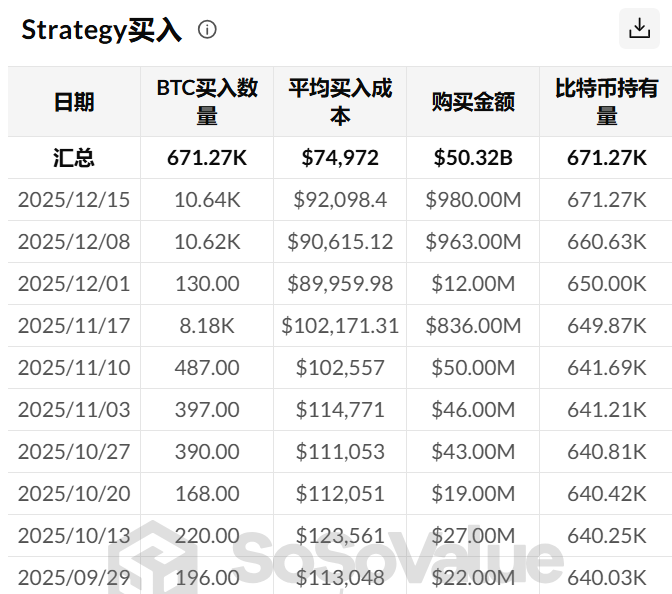
Over the past two weeks, Strategy has once again significantly increased its Bitcoin holdings: acquiring over 10,000 BTC in a single week, valued at more than $900 million.

As a well-known long-term holder in the market, against the backdrop of Bitcoin's continued price decline and its own mNAV falling below 1, Strategy did not sell as the market had feared, but instead provided the opposite answer—firmly buying. To date, Strategy holds approximately 671,000 BTC in total, with a total value exceeding $50 billion, continuously solidifying its position as one of the world's largest institutional Bitcoin holders.
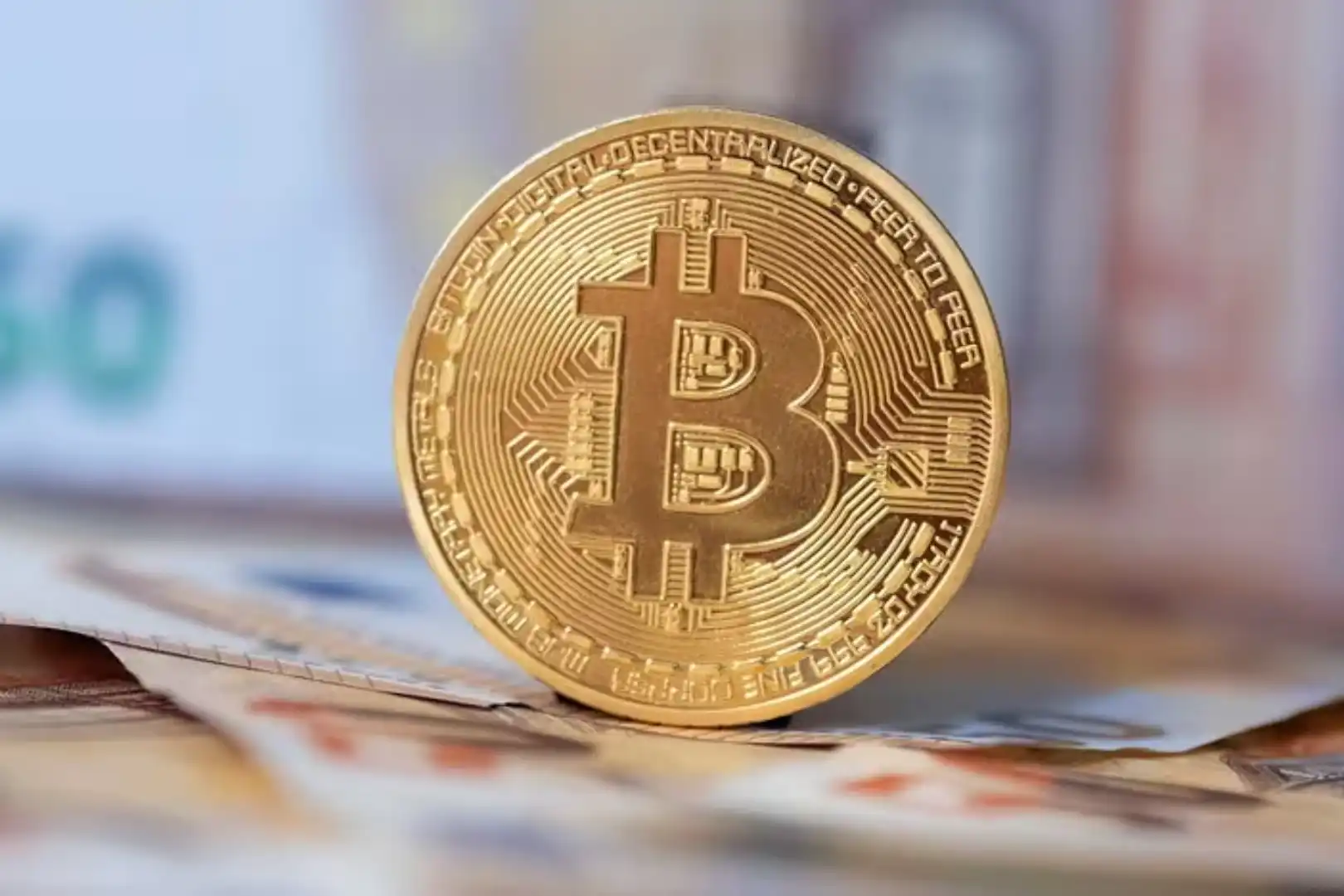
This move has also sparked deeper market reflection: with such large-scale continuous buying, how much Bitcoin is truly available for trading in the market?

The theoretical maximum supply of Bitcoin is 21 million, but the actual circulating supply is far smaller. Approximately 19.96 million BTC have been mined so far, accounting for 95% of the total supply, with only about 1.04 million yet to be produced. The current block reward is 3.125 BTC, with around 450 new coins added daily, and it will halve again in 2028. At this pace, the last Bitcoin is expected to be mined around 2140.

However, what truly determines market supply is not the unmined new coins but the liquid portion of the existing supply.

According to statistics, over 30% of Bitcoin has not moved for a long time and is considered "dormant holdings"; another approximately 20% is suspected to be permanently lost. Additionally, institutional and public holdings, including listed companies, ETFs, and national funds, continue to rise, with most of these BTC exiting high-frequency circulation. Furthermore, Bitcoin reserves on exchanges have dropped to multi-year lows, meaning the "floating supply" available for immediate sale is rapidly shrinking. Against the backdrop of whales quietly buying and long-term holders holding tightly, market liquidity is facing structural tightening.

Regarding the issue of Bitcoin's true circulating supply, crypto analyst Murphy conducted a systematic analysis. Odaily Planet Daily further integrated data and perspectives on this basis, attempting to present the full picture behind the scarcity narrative—as buying power persists and available supply shrinks, the market structure may be quietly shifting.

Long-Term Holders' "Institutionalized Hoarding" is Taking Over Circulating Supply

Long-term holders have now become the most important structural force in the Bitcoin market. According to Glassnode, this group collectively holds approximately 14.35 million BTC, accounting for over 70% of the circulating supply.

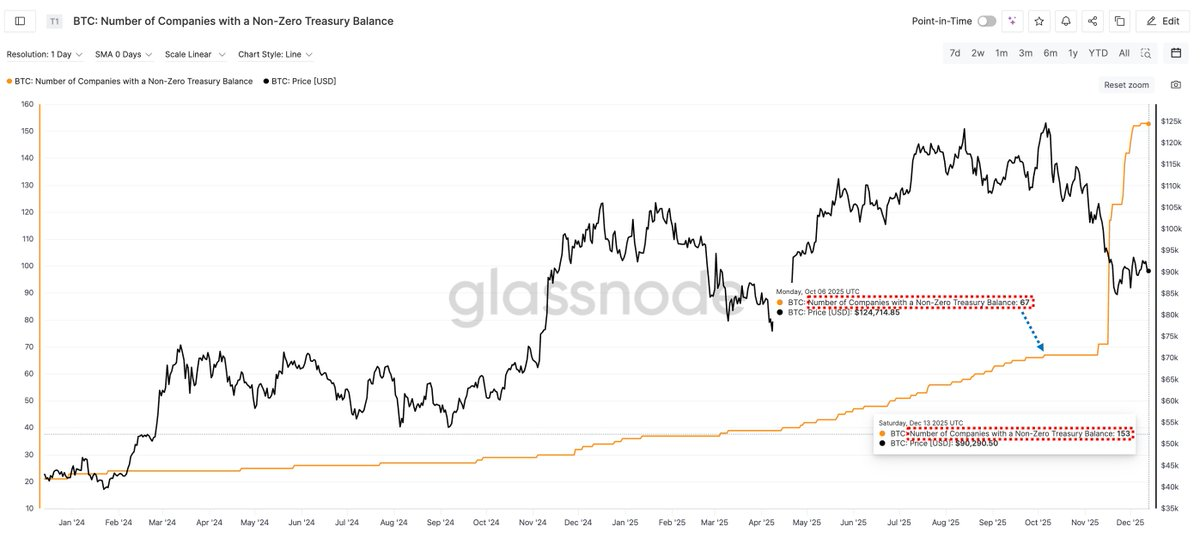
Further breakdown: There are currently 153 companies holding BTC with "non-zero balances," the core of which are 29 listed companies, collectively holding 1.082 million BTC (including Other holding 54,331 BTC). Among these 29 listed companies, Strategy alone holds 671,000 BTC, accounting for 62%.

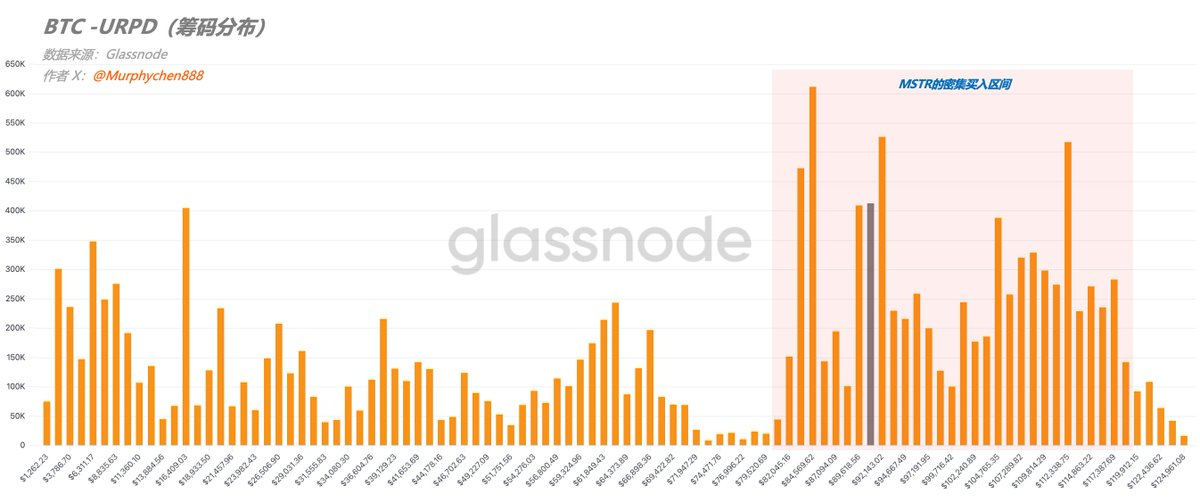
Combined with URPD (UTXO Realized Price Distribution) data, Strategy's intensive buying range coincides with the most densely concentrated area in BTC's supply structure, roughly between $80,000 and $118,000. This means that Strategy played a significant role in the large-volume trading at high price levels. This is also why MSTR and ETFs are considered the driving force behind this bull cycle.
It is worth noting that on October 6, there were only 67 companies holding "non-zero BTC balances." However, as BTC experienced a deep correction, this number suddenly surged, and there are now 153. Does this mean that new corporate players are quietly entering the market during the price decline?
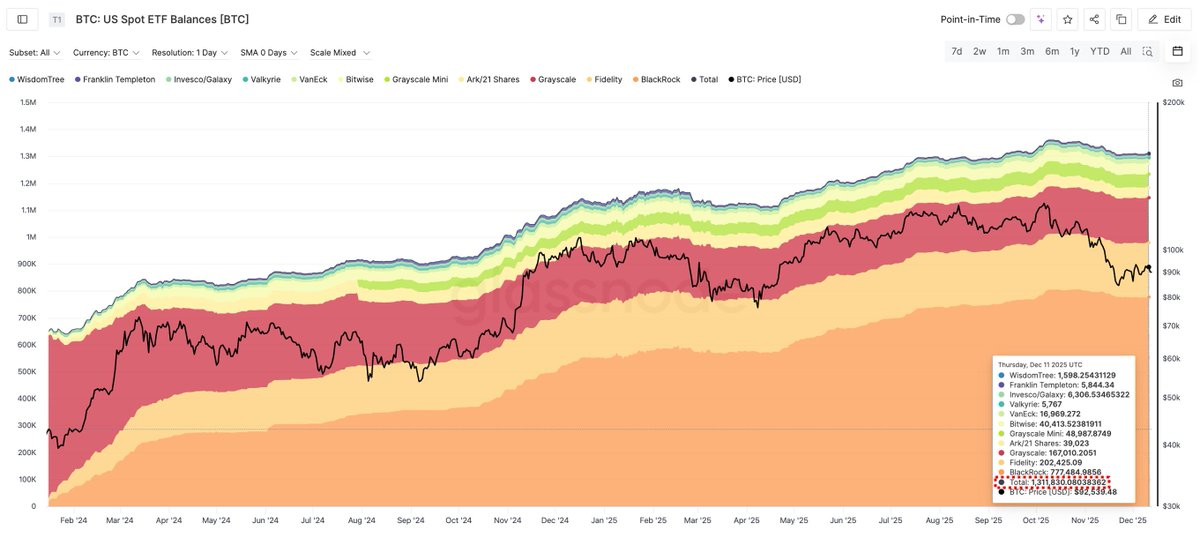
In addition to corporate reserves, spot Bitcoin ETFs currently hold approximately 1.311 million BTC. The top three are: BlackRock with about 777,000, Fidelity with about 202,000, and Grayscale with about 167,000.
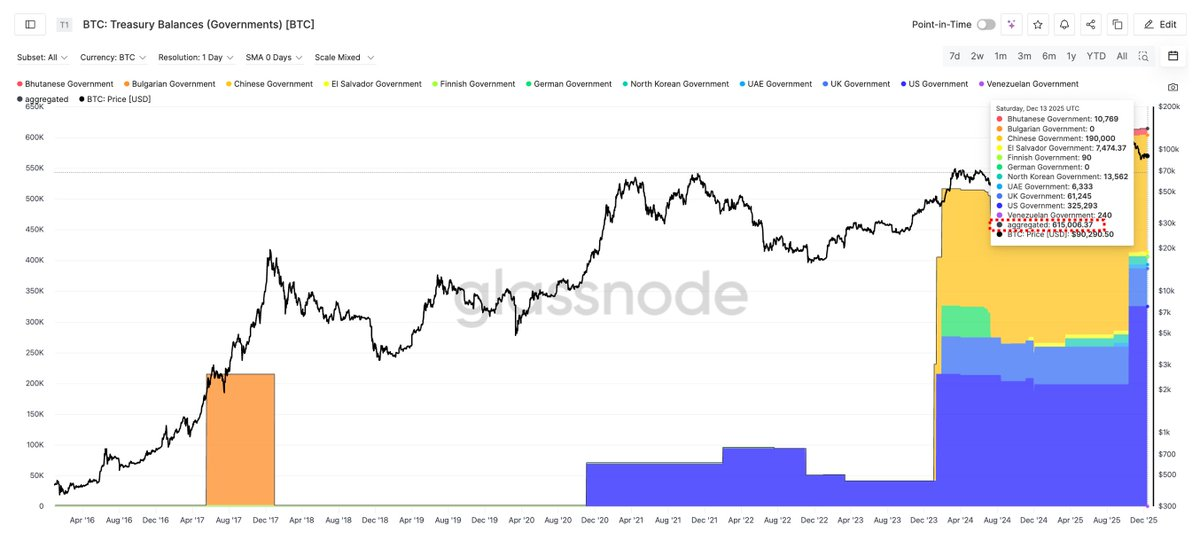
Furthermore, governments worldwide hold approximately 615,000 BTC. The U.S. government leads with 325,000, while the Chinese government ranks second with about 190,000 BTC. It should be noted that the Chinese government has never officially disclosed such holdings; this data primarily comes from Glassnode, and its statistical scope may still have uncertainties compared to the real situation.
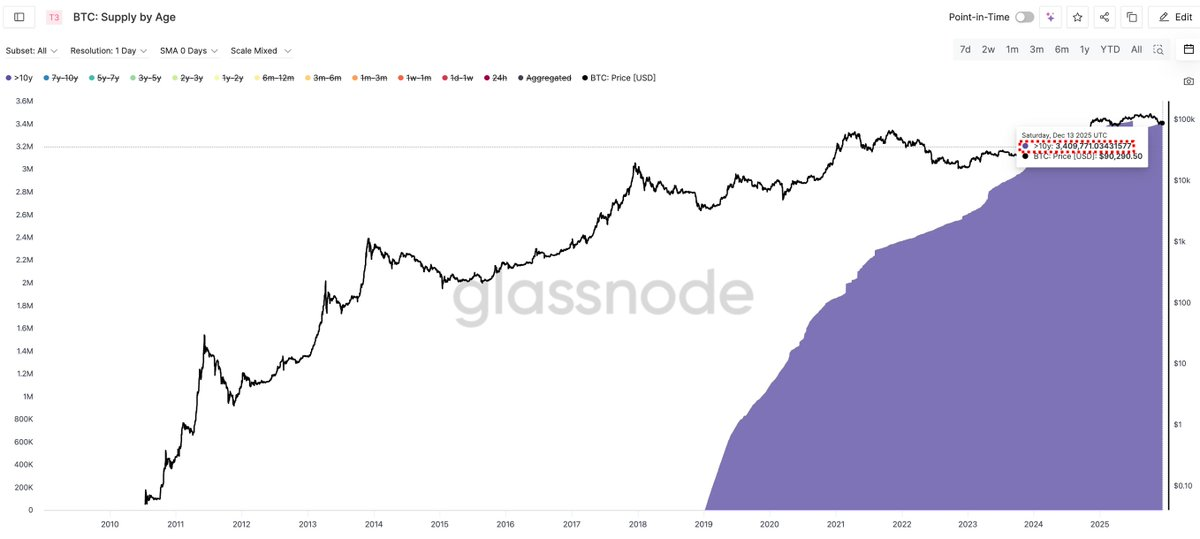
Additionally, about 3.409 million BTC have not moved for over 10 years. These assets include cold wallets of early exchanges and truly "faith-based OGs"; however, it is also important to note that a significant portion has likely exited the circulation system due to reasons such as lost private keys or the holder's death, including the approximately 1 million BTC widely believed to belong to Satoshi Nakamoto.
How Much of the Mined BTC is Actually "Unbuyable"?

Murphy later provided a more detailed analysis of this data. Unlike traditional bank accounts with "password recovery" features, Bitcoin relies entirely on private keys to prove ownership. Once a private key is lost or inaccessible, the corresponding Bitcoin can never be moved or spent. Although they remain recorded on the blockchain, economically, they are equivalent to being permanently destroyed.

If we break down the circulating supply by date range, where each range refers to the creation date of the UTXO, we can see that the cumulative amount of BTC "born" between 2010-2014 peaked in December 2014, then declined rapidly (as they were spent); since January 2019, there has been almost no significant change.
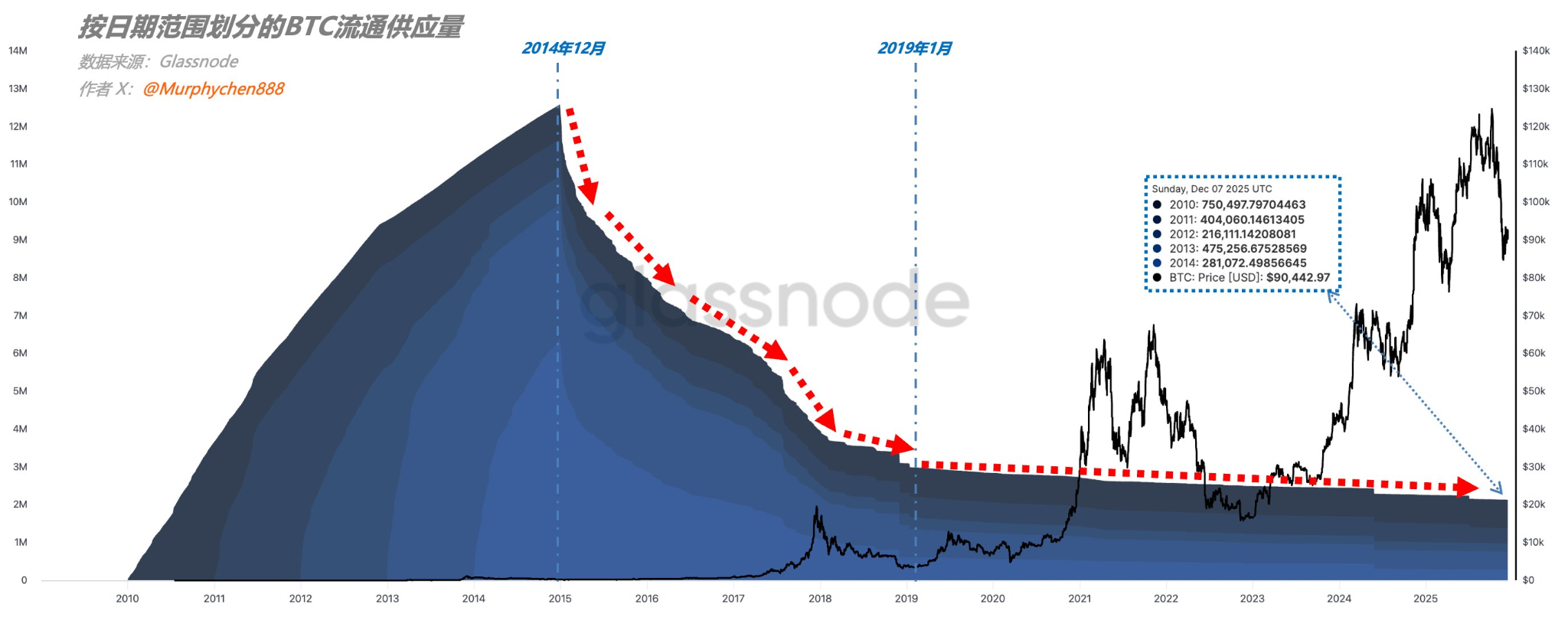
These ancient BTC that remain today, aside from those held by absolute believers, are likely mostly lost. According to Murphy's estimate, this proportion is at least 50%, meaning at least 1.06 million BTC.

There is also a group of "supreme" coins with UTXO creation dates in 2009. They have hardly moved since December 2011, and to this day, this address group holds 1.08 million BTC.

In other words, at least approximately 2.14 million BTC may be permanently immovable in practice.

Truly Liquid Supply

Looking at the most direct indicator—exchange balances—the Bitcoin held in exchange wallets is currently about 2.49 million, and this trend continues to decline, hitting a new low since 2023.
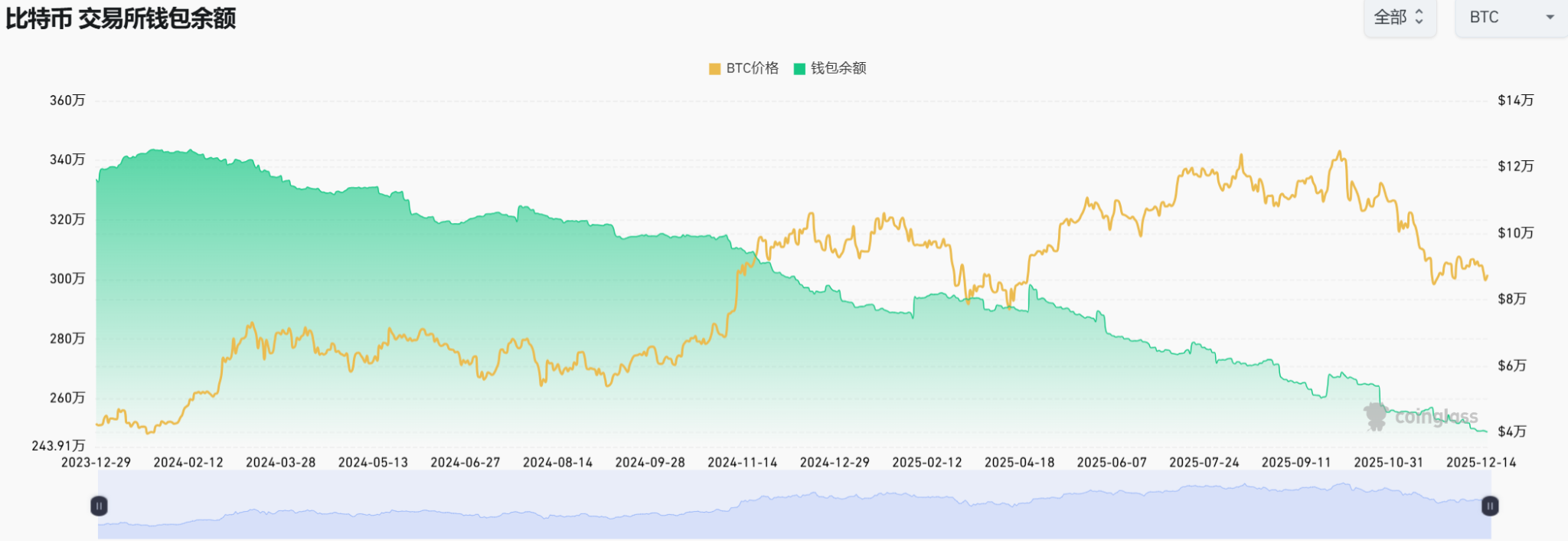
In other words, while demand continues to become "institutionalized," supply is constantly contracting, and the pool of Bitcoin available for trading is becoming increasingly smaller.


Twitter:https://twitter.com/BitpushNewsCN

Bitpush TG Discussion Group:https://t.me/BitPushCommunity

Bitpush TG Subscription: https://t.me/bitpush

Original link:https://www.bitpush.news/articles/7596458

İlgili Sorular

QHow many bitcoins did Strategy purchase in a single week, and what was the approximate value?

AStrategy purchased over 10,000 bitcoins in a single week, with a value exceeding $900 million.

QWhat is the total number of bitcoins that Strategy currently holds, and what is its total value?

AStrategy currently holds approximately 671,000 bitcoins, with a total value exceeding $50 billion.

QAccording to the article, what percentage of the total Bitcoin supply has already been mined?

AApproximately 95% of the total Bitcoin supply has been mined, which is about 19.96 million bitcoins.

QWhat are the two main categories of Bitcoin that are considered illiquid or permanently lost, and what is their combined estimated impact on the circulating supply?

AThe two main categories are 'dormant holdings' (over 30% long-term unmoved) and 'presumed permanently lost' coins (about 20%). Combined, they significantly reduce the liquid circulating supply, with an estimated 2.14 million bitcoins potentially permanently unmovable.

QHow much Bitcoin is currently held in exchange wallets, and what trend is observed in this metric?

AThere are currently about 2.49 million bitcoins held in exchange wallets, a number that is trending downward and has hit a new low since 2023.

İlgili Okumalar

Why is the RWA Boom Failing to Benefit DeFi?

The rapid growth of the tokenized real-world assets (RWA) market, now nearing $30 billion on-chain, has largely bypassed the DeFi ecosystem. Only about $2.47 billion is actively locked in DeFi protocols, indicating a penetration rate of just 9%. A major barrier is the "permissioned" architecture of most RWA products, like BlackRock's BUIDL fund, which are designed for institutional compliance. They require whitelisting, off-chain settlement, and strict investor accreditation, making them incompatible with open, permissionless DeFi applications like Aave or Uniswap. This is evident in categories like bonds/money market funds ($16.6B on-chain, $920M in DeFi) and tokenized equities ($2.7B on-chain, $78M in DeFi). Notable exceptions are private credit protocols (e.g., Maple Finance, Centrifuge) and assets like Ondo's USDY, which were designed from inception for DeFi composability, allowing them to be used freely as collateral. Morpho and Aave Horizon also demonstrate successful RWA lending integrations. However, industry reports (IOSCO, ECB) warn that growth may remain confined within traditional financial systems due to fragmented regulations, lack of unified standards, and inherent conflicts between DeFi's open logic and compliance requirements like minimum investments and fixed redemption windows. The RWA sector is effectively split into two markets: a compliant, permissioned on-chain finance market and a smaller DeFi-native market focused on composability. For DeFi penetration to rise significantly, asset issuers must prioritize designs that enable permissionless circulation from the start, moving away from models centered solely on institutional compliance.

marsbit10 dk önce

Why is the RWA Boom Failing to Benefit DeFi?

marsbit10 dk önce

Clarity Act Outlook: No Yield, No Payment

"Clear Act Outlook: No Yield, No Payment" analyzes the evolving U.S. regulatory landscape for stablecoins, focusing on the interplay between the proposed "Clarity Act" and the existing "Genius Act." The article argues that the Genius Act successfully fostered "payment stablecoins" by permitting tokenized assets like U.S. Treasuries as reserves. This created a structured market where stablecoin issuers (like USDC) must hold these reserves, often purchased as Tokenized Money Market Funds (TMMFs) from giants like BlackRock. These TMMFs are primarily B2B products, ensuring user-facing stablecoins remain non-interest-bearing and used primarily for payments. The upcoming Clarity Act is seen as the next phase, aiming to restrict passive yield on stablecoins. Its goal is to dismantle the arbitrage advantage of offshore stablecoins like USDT by redirecting Treasury demand towards compliant, U.S.-sanctioned TMMFs. For on-chain and compliant offshore dollars, this creates new pressure: they must spur adoption and utility to generate yield, as simple Treasury staking may be restricted. This indirectly promotes dollar circulation and sustained Treasury purchases. Ultimately, the analysis posits that U.S. regulation seeks to create a new dollar distribution model. By separating payment function from yield generation and anchoring both to U.S. debt instruments, it aims to embed the dollar and Treasury demand into the global crypto economy, managing yields through sanctioned intermediaries while leaving room for DeFi and cross-border arbitrage.

marsbit39 dk önce

Clarity Act Outlook: No Yield, No Payment

marsbit39 dk önce

Money Has Gone to Bonds and IPOs, Leaving Only HYPE Rising in Crypto

The article "Where Has All the Money Gone? Bonds and IPOs Are Soaring, While Crypto Only Sees HYPE Rising" analyzes the recent underperformance of major cryptocurrencies like Bitcoin and Ethereum compared to traditional financial markets. It identifies three primary factors diverting capital away from crypto: First, surging bond yields, with the 30-year U.S. Treasury hitting a near 20-year high of 5.12%, are attracting capital seeking safe, predictable returns. This is evidenced by Bitcoin spot ETFs experiencing a significant $10.39 billion net outflow in mid-May. Second, a massive $4 trillion IPO pipeline, highlighted by SpaceX's upcoming listing, is absorbing risk capital that might otherwise flow into crypto. Platforms like Hyperliquid are even channeling on-chain crypto liquidity into pre-IPO trading for traditional stocks. Third, uncertainty surrounds new Federal Reserve Chair Warsh's ability to deliver expected interest rate cuts this year due to conflicting political pressures and stubborn inflation expectations, potentially eliminating a hoped-for source of new market liquidity. Consequently, while traditional equities and bonds rally, the crypto market's post-leverage crash recovery is stalled. The notable exception is assets like Hyperliquid (HYPE), which is rising due to its role in facilitating traditional asset trading, underscoring a market divergence where only crypto projects with novel, cross-market narratives are gaining. The article concludes that Bitcoin's next major catalyst may be the August enactment of the CLARITY Act, but warns of a potential retest of the $70,000 support level before then.

marsbit54 dk önce

Money Has Gone to Bonds and IPOs, Leaving Only HYPE Rising in Crypto

marsbit54 dk önce

İşlemler

Spot
Futures

Popüler Makaleler

ACN Nasıl Satın Alınır

HTX.com’a hoş geldiniz! AITECH CLOUD NETWORK (ACN) satın alma işlemlerini basit ve kullanışlı bir hâle getirdik. Adım adım açıkladığımız rehberimizi takip ederek kripto yolculuğunuza başlayın. 1. Adım: HTX Hesabınızı OluşturunHTX'te ücretsiz bir hesap açmak için e-posta adresinizi veya telefon numaranızı kullanın. Sorunsuzca kaydolun ve tüm özelliklerin kilidini açın. Hesabımı Aç2. Adım: Kripto Satın Al Bölümüne Gidin ve Ödeme Yönteminizi SeçinKredi/Banka Kartı: Visa veya Mastercard'ınızı kullanarak anında AITECH CLOUD NETWORK (ACN) satın alın.Bakiye: Sorunsuz bir şekilde işlem yapmak için HTX hesap bakiyenizdeki fonları kullanın.Üçüncü Taraflar: Kullanımı kolaylaştırmak için Google Pay ve Apple Pay gibi popüler ödeme yöntemlerini ekledik.P2P: HTX'teki diğer kullanıcılarla doğrudan işlem yapın.Borsa Dışı (OTC): Yatırımcılar için kişiye özel hizmetler ve rekabetçi döviz kurları sunuyoruz.3. Adım: AITECH CLOUD NETWORK (ACN) Varlıklarınızı SaklayınAITECH CLOUD NETWORK (ACN) satın aldıktan sonra HTX hesabınızda saklayın. Alternatif olarak, blok zinciri transferi yoluyla başka bir yere gönderebilir veya diğer kripto para birimlerini takas etmek için kullanabilirsiniz.4. Adım: AITECH CLOUD NETWORK (ACN) Varlıklarınızla İşlem YapınHTX'in spot piyasasında AITECH CLOUD NETWORK (ACN) ile kolayca işlemler yapın.Hesabınıza erişin, işlem çiftinizi seçin, işlemlerinizi gerçekleştirin ve gerçek zamanlı olarak izleyin. Hem yeni başlayanlar hem de deneyimli yatırımcılar için kullanıcı dostu bir deneyim sunuyoruz.

154 Toplam GörüntülenmeYayınlanma 2026.04.28Güncellenme 2026.04.28

ACN Nasıl Satın Alınır

HPP Nedir

I. Proje TanıtımıArbitrum üzerinde bir Layer 2 olarak inşa edilen ve Aergo'nun kanıtlanmış mirasını geliştiren HPP, modern AI uygulamalarının talep ettiği altyapıyı sunar — ölçeklenebilir, güvenilmez ve kurumsal hazır.II. Kripto Para Bilgileri1) Temel Bilgilerİsim: House Party Protocol (HPP)III. İlgili BağlantılarResmi Web Sitesi:https://www.hpp.io/Whitepaper:https://www.hpp.io/assets/HPP%20Whitepaper_ENG_vF_20250725-Bb-xX5Yd.pdfBlockchain Gezgini:https://explorer.hpp.io/Sosyal Medya:Twitter: https://x.com/aergo_ioMedium: https://medium.com/aergoTelegram: https://t.me/aergoofficial%22Not: Proje tanıtımı, yalnızca referans amaçlı olan ve yatırım tavsiyesi oluşturmayan resmi proje ekibi tarafından yayımlanan veya sağlanan materyallerden gelmektedir. HTX, ortaya çıkan doğrudan veya dolaylı kayıplardan sorumluluk almaz.

198 Toplam GörüntülenmeYayınlanma 2026.04.29Güncellenme 2026.04.29

HPP Nedir

HPP Nasıl Satın Alınır

HTX.com’a hoş geldiniz! House Party Protocol (HPP) satın alma işlemlerini basit ve kullanışlı bir hâle getirdik. Adım adım açıkladığımız rehberimizi takip ederek kripto yolculuğunuza başlayın. 1. Adım: HTX Hesabınızı OluşturunHTX'te ücretsiz bir hesap açmak için e-posta adresinizi veya telefon numaranızı kullanın. Sorunsuzca kaydolun ve tüm özelliklerin kilidini açın. Hesabımı Aç2. Adım: Kripto Satın Al Bölümüne Gidin ve Ödeme Yönteminizi SeçinKredi/Banka Kartı: Visa veya Mastercard'ınızı kullanarak anında House Party Protocol (HPP) satın alın.Bakiye: Sorunsuz bir şekilde işlem yapmak için HTX hesap bakiyenizdeki fonları kullanın.Üçüncü Taraflar: Kullanımı kolaylaştırmak için Google Pay ve Apple Pay gibi popüler ödeme yöntemlerini ekledik.P2P: HTX'teki diğer kullanıcılarla doğrudan işlem yapın.Borsa Dışı (OTC): Yatırımcılar için kişiye özel hizmetler ve rekabetçi döviz kurları sunuyoruz.3. Adım: House Party Protocol (HPP) Varlıklarınızı SaklayınHouse Party Protocol (HPP) satın aldıktan sonra HTX hesabınızda saklayın. Alternatif olarak, blok zinciri transferi yoluyla başka bir yere gönderebilir veya diğer kripto para birimlerini takas etmek için kullanabilirsiniz.4. Adım: House Party Protocol (HPP) Varlıklarınızla İşlem YapınHTX'in spot piyasasında House Party Protocol (HPP) ile kolayca işlemler yapın.Hesabınıza erişin, işlem çiftinizi seçin, işlemlerinizi gerçekleştirin ve gerçek zamanlı olarak izleyin. Hem yeni başlayanlar hem de deneyimli yatırımcılar için kullanıcı dostu bir deneyim sunuyoruz.

152 Toplam GörüntülenmeYayınlanma 2026.04.29Güncellenme 2026.04.29

HPP Nasıl Satın Alınır

Tartışmalar

HTX Topluluğuna hoş geldiniz. Burada, en son platform gelişmeleri hakkında bilgi sahibi olabilir ve profesyonel piyasa görüşlerine erişebilirsiniz. Kullanıcıların A (A) fiyatı hakkındaki görüşleri aşağıda sunulmaktadır.

活动图片