经济衰退担忧引发加密产品5.28亿美元流出:CoinShares

币界网2024-08-05 tarihinde yayınlandı2024-08-05 tarihinde güncellendi

币界网报道:

数字资产管理公司CoinShares表示,上周机构加密投资者从数字资产投资工具中撤出了数亿美元。

CoinShares在其最新的数字资产基金流量报告中表示,由于担心美国经济衰退,上周机构加密投资产品遭遇了5.28亿美元的资金外流。

“数字资产投资产品在4周内首次出现总计5.28亿美元的资金外流,我们认为这是对美国经济衰退的担忧、地缘政治担忧以及随之而来的大多数资产类别的更广泛市场清算的反应。”

来源:CoinShares

以美国为首的资金外流为5.31亿美元。德国和香港的资金流出分别为1200万美元和2700万美元,加拿大和瑞士的资金流入分别为1700万美元和2800万美元。

在连续五周的资金流入后,比特币(BTC)上周流失了4亿美元。以太坊(ETH)同样遭受了1.46亿美元的资金外流,使ETH今年迄今的资金外流达到4.3亿美元。然而,CoinShares看到了领先的智能合约平台的一线希望。

“这一数据掩盖了上周新推出的美国ETF 4.3亿美元的正流入,但被现有灰度信托6.03亿美元的流出所抵消。欧洲ETP也出现了小幅流出。”

多资产加密投资工具获得了1810万美元的流入,而XRP和Litecoin(LTC)分别获得了40万美元和20万美元的收益。

不要错过任何节拍-订阅以直接将电子邮件提醒发送到您的收件箱

检查价格操作

在X、Facebook和Telegram上关注我们

冲浪每日Hodl混合

特色图片:Shutterstock/亚历山大·库哈尔斯基

İlgili Okumalar

OpenClaw Founder Peter Steinberg's Latest Speech: The Life and Death Revelation of an Open Source Project, How OpenClaw Emerged from the Eye of the Storm

Peter Steinberg, founder of the wildly popular open-source AI agent project OpenClaw, reflects on its turbulent journey from creation to near-collapse and resurgence. It began in late 2024 from his personal frustration with sending prompts from phone to computer. He built a WhatsApp relay that felt "magical," but initial excitement was limited to friends. After adding Discord support and launching a public server, the project exploded virally overnight, attracting massive attention, rebranding requests (from "Claudis" to OpenClaw), and even praise from NVIDIA's CEO. The intense scrutiny and pressure nearly broke Steinberg. The biggest technical crisis came from over-optimizing for a specific AI model provider, which suddenly canceled subscriptions, forcing a rushed shift to open-weight models. OpenClaw's weekly downloads plummeted before surging to a record high after being "declared dead." Steinberg realized he had stopped enjoying the build process and using his own product, making it a duty rather than a passion. His key lesson: "Fun is speed." Recovery came by refocusing on building for himself, forming a non-profit, and receiving crucial support (e.g., from NVIDIA for security). The team is now using OpenClaw to build OpenClaw itself, emphasizing its core value: a private, open alternative where "your agent, your machine, your life." He shares insights: the first user should be yourself; balance bug fixes with new features to maintain interest; the current bottleneck is reliable toolchains, especially for Mac testing. His story underscores that creation thrives on personal need, endures through storms when the joy of building returns, and persists by "living in the future and building what's missing."

marsbit34 dk önce

OpenClaw Founder Peter Steinberg's Latest Speech: The Life and Death Revelation of an Open Source Project, How OpenClaw Emerged from the Eye of the Storm

marsbit34 dk önce

US Stocks and Gold Rise Together, Bitcoin Rebound Absent, Have Bottom Signals Appeared?

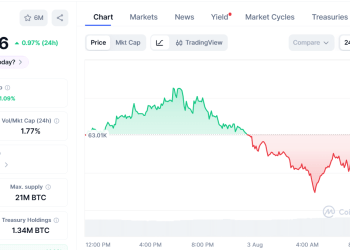
While traditional assets like U.S. stocks and gold have rebounded strongly, Bitcoin continues to consolidate without following the uptrend. Since hitting an all-time high near $126,000 in October last year, Bitcoin has remained in a corrective phase, trading between $62,000 and $66,000 over the past month. Although U.S. spot Bitcoin ETFs have seen renewed net inflows recently—with the past week marking the best performance since mid-April—this buying pressure has been insufficient to counter persistent selling from miners and crypto companies. For instance, miner-linked wallets have seen their BTC balance drop by about 72% since late 2021. Some long-term indicators are showing early signs of a potential bottom. Metrics such as Reserve Risk, BTC price relative to its 2-year moving average, and the AHR999 index have entered historically oversold territory, suggesting improved long-term value. However, key indicators like MVRV Ratio, NUPL, and the Fear & Greed Index have not yet reached the extreme levels typically seen at major cycle lows. Furthermore, over 53% of Bitcoin supply remains in profit, and stablecoin liquidity is still contracting, indicating the market may need more time for a full capitulation phase. In summary, while select bottom signals are emerging, Bitcoin lacks the broad-based confirmation needed to declare a definitive cycle low. A sustained recovery will likely depend on continued ETF inflows, a reduction in structural selling pressure, and further deterioration in key on-chain metrics toward historical extremes.

marsbit36 dk önce
US Stocks and Gold Rise Together, Bitcoin Rebound Absent, Have Bottom Signals Appeared?

marsbit36 dk önce

After Yushu Got Hot, a 68-Year-Old Auto Parts Boss Bet 1.85 Billion

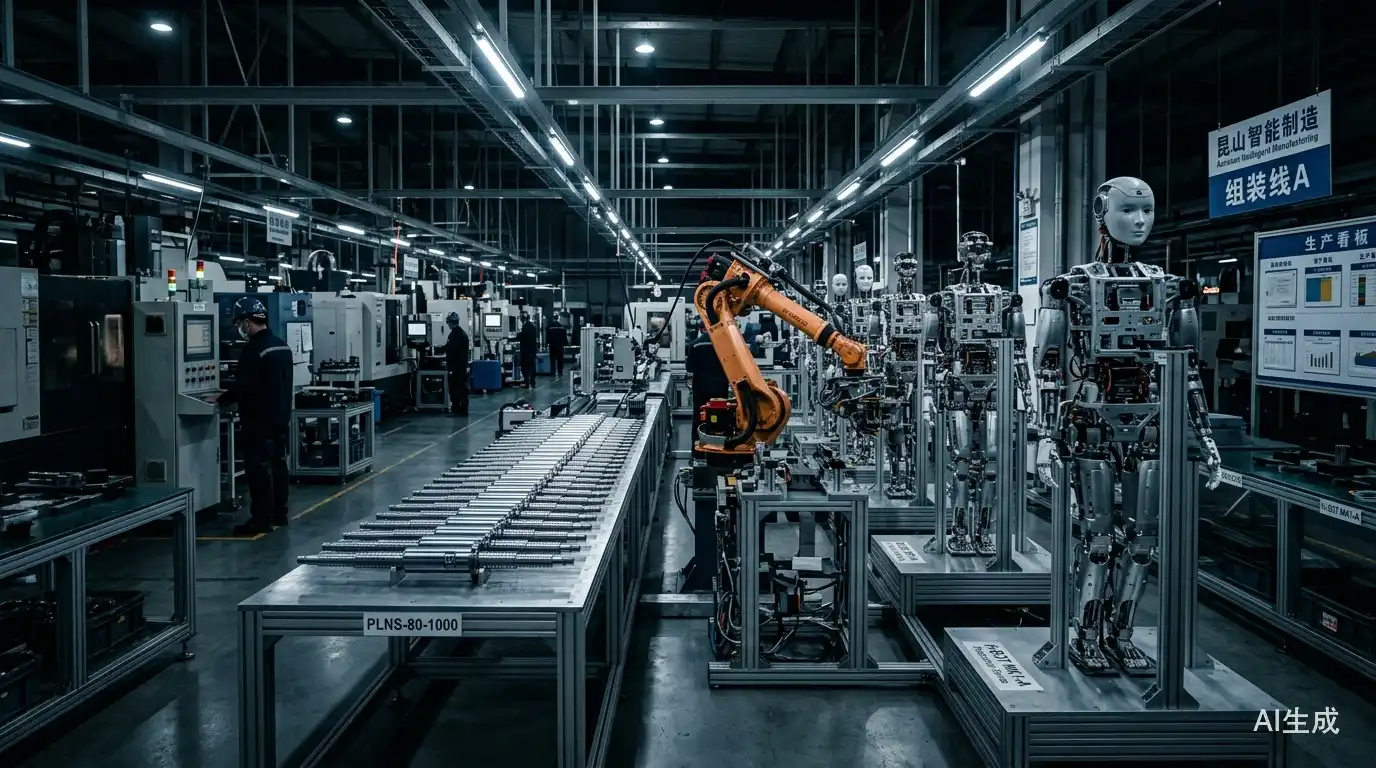
After staying relatively low-profile for years, Shanghai Bate Technology, a traditional auto parts supplier, has recently been thrust into the spotlight as a leading humanoid robotics concept stock. This shift is largely tied to the impending IPO of robotics company Unitree, with which Bate collaborates on prototype development. Bate's founder, 68-year-old Jin Kun, is making a bold bet on this new frontier. The company is investing 1.85 billion yuan to build a major R&D and production base in Kunshan for planetary roller screws—a key component in robot joints. With an annual capacity of 2.6 million sets planned, plus overseas expansion, this represents a massive, forward-looking commitment from a firm whose 2025 revenue of 2.3 billion yuan still relies almost entirely on its traditional automotive business (over 98%). The investment highlights a strategic pivot. Bate aims to leverage decades of expertise in metal processing, precision manufacturing, and heat treatment from the automotive sector and apply it to the burgeoning robotics industry. However, this move carries significant risk. The company has not yet secured formal supplier contracts or begun mass deliveries for its roller screws. It is essentially betting on future demand in a market that remains nascent. The broader industry context adds to the uncertainty. While multiple Chinese manufacturers are racing to invest in similar robotics component capacity (totaling over 6 billion yuan), the downstream humanoid robot market is still in its early stages. Estimates put 2025 global shipments at only around 18,000 units, primarily for entertainment, education, and data collection rather than large-scale industrial use. This creates a critical mismatch: the speed of upstream component factory construction and capital investment is far outpacing the commercialization and adoption of the robots themselves. Bate's story, driven by Jin Kun's decisive gamble, encapsulates the high-stakes transition facing traditional manufacturers seeking a "second growth curve" in robotics—a future full of potential but currently backed more by market anticipation than concrete financial results.

marsbit40 dk önce

After Yushu Got Hot, a 68-Year-Old Auto Parts Boss Bet 1.85 Billion

marsbit40 dk önce

İşlemler

Spot
活动图片