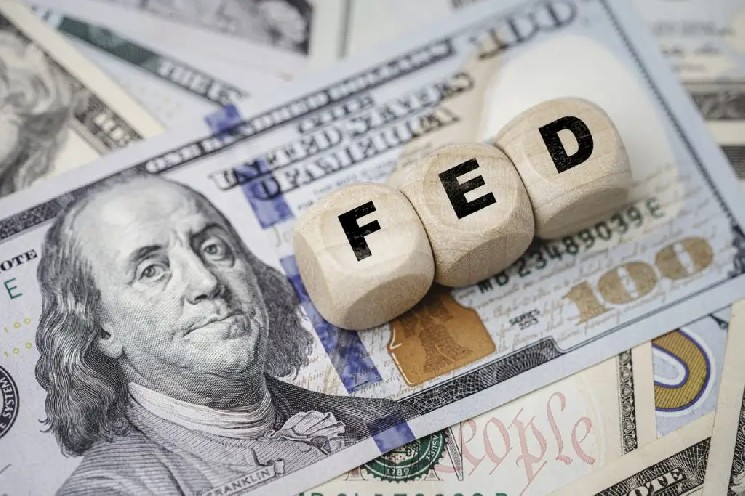
- Coinbase threat actors behind the May breach have become active again, transferring $5 million DAI.
- The hackers then swapped DAI to USDC using Circle’s CCTP bridge.
- The stolen funds sat in a USDC address for over 35 minutes, but Circle’s compliance norms failed to freeze it.
After five months, the May Coinbase exploit hacker has swiped $5 million of DAI stablecoins for USDC using Circle’s CCTP bridge.
The incident is linked to a breach in which Coinbase users had been tricked into sending funds to attackers after they gained access to personal information.
At the time, Coinbase had estimated that the losses could mount to $400 million.


 88
88
-
Bitcoin
-
Ethereum
-
Tether
-
Litecoin
-
Bitcoin Cash
-
 TRON
TRON
-
 Binance Coin
-
 XRP
XRP
-
 Cardano
-
 Binance USD
-
 USD Coin
-
 Polkadot
-
 Shiba Inu
-
 Basic Attention Token
-
 Qtum
Qtum
-
 Ethereum Classic
-
 Chainlink
-
 Solana
-
 Polygon Matic
-
 Cosmos
-
 Wrapped Bitcoin
-
 PancakeSwap
-
 The Sandbox
-
 Storj
Storj
-
 iExec RLC
-
 Bancor
-
 Uniswap
-
 Enjin Coin
-
 1inch Network
-
 Chiliz
-
 Aave
Aave
-
 Synthetix
-
 Maker
Maker
-
 Compound
-
 Theta Network
-
 Celo
Celo
-
 Curve DAO Token
-
 Decentraland
-
 JUST
JUST
-
 Axie Infinity
-
 Gala
Gala
-
 Internet Computer
-
 The Graph
-
 Filecoin
-
 dYdX
dYdX
-
 Mask Network
-
 Lido DAO Token
-
 Reserve Rights
-
 Chromia
-
 Ankr
Ankr
-
 Ocean Protocol
-
 Adventure Gold
-
 Origin Protocol
-
 Celer Network
-
 NKN
NKN
-
 Bitget Token
-
 Alchemix
-
 Immutable
-
 Ethereum Name Service
-
 Avalanche
-
 Zilliqa
-
 JasmyCoin
-
 Toncoin
-
 Convex Finance
-
 Spell Token
-
 Holo
Holo
-
 Render Token
-
 SushiSwap
-
 MetisDAO
-
 Audius
-
 Illuvium
-
 ARPA Chain
-
 Osmosis
-
 Fantom
-
 Neo
Neo
-
 Arweave
-
 Algorand
-
 Kusama
-
 XDC Network
-
 APEcoin
-
 MultiversX
-
 THORChain
-
 NEAR Protocol
-
 Nexo
Nexo
-
 Amp
Amp
-
 Livepeer
-
 PAX Gold
-
 TrueUSD
-
 BitTorrent
-
 Golem
Golem
-
 FLUX
FLUX
-
 Helium
-
 Dai
Dai
 151
151
-
Bitcoin
-
Ethereum
-
Tether
-
Binance Coin
-
USD Coin
-
Solana
-
XRP
-
 Dogecoin
-
Cardano
-
Toncoin
-
Shiba Inu
-
Avalanche
-
TRON
-
Chainlink
-
Polygon Matic
-
Polkadot
-
Wrapped Bitcoin
-
Litecoin
-
Dai
-
NEAR Protocol
-
Bitcoin Cash
-
 Stellar
-
Cosmos
-
Filecoin
-
Ethereum Classic
-
 Aptos
Aptos
-
 Hedera Hashgraph
-
Immutable
-
 Optimism
-
 Arbitrum
-
 VeChain
-
The Sandbox
-
Decentraland
-
Axie Infinity
-
 Injective Protocol
-
 Render
-
The Graph
-
Maker
-
Aave
-
Chiliz
-
Helium
-
PAX Gold
-
Compound
-
Lido DAO Token
-
 Sui
Sui
-
 Conflux Network
-
 Lido Staked ETH
-
 OKB
OKB
-
Uniswap
-
 Pepe
Pepe
-
 Ondo
Ondo
-
 Mantle
-
 First Digital USD
-
XDC Network
-
 Artificial Superintelligence Alliance
-
 Jupiter
-
 Quant
Quant
-
 Worldcoin
-
 Bonk
Bonk
-
 Tether Gold
-
 JITO
JITO
-
JasmyCoin
-
 Core
Core
-
 Floki Inu
-
Ethereum Name Service
-
SushiSwap
-
1inch Network
-
 Tezos
Tezos
-
Algorand
-
 Flow
Flow
-
 Trust Wallet Token
-
Curve DAO Token
-
MultiversX
-
Basic Attention Token
-
Enjin Coin
-
 Ethena
-
 Ethena Staked USDe
-
Audius
-
 Alchemy Pay
-
 Arkham
-
 API3
API3
-
 Bounce Token
-
 Altlayer
-
 Aergo
Aergo
-
Amp
-
 Aevo
Aevo
-
Ankr
-
 Axelar
-
 Alpaca Finance
-
 Blur
Blur
-
 Biconomy
-
 Tranchess
-
Celer Network
-
 Shentu
-
 Civic
Civic
-
Convex Finance
-
 Cartesi
-
 Cyber
Cyber
-
 COTI
COTI
-
 DIA
DIA
-
dYdX
-
 ether.fi
-
FLUX
-
 Ampleforth
-
Golem
-
Holo
-
 IoTeX
IoTeX
-
Illuvium
-
JUST
-
Livepeer
-
 Memecoin
-
 Manta Network
-
 Treasure
-
Mask Network
-
Origin Protocol
-
 ORDI
ORDI
-
 Ontology
-
 Phala Network
-
 Pendle
-
 Portal
-
 Pyth Network
-
 ConstitutionDAO
-
iExec RLC
-
Reserve Rights
-
 Ravencoin
-
Storj
-
 Status
-
Spell Token
-
 Sun (New)
-
 SuperVerse
-
 Tellor
-
 LayerZero
-
 Scroll
-
 Usual
Usual
-
 Eigenlayer
-
 Hamster Kombat
-
 Catizen
-
 Berachain
-
 KAITO
KAITO
-
 Pudgy Penguins
-
 Solayer
-
 Bio Protocol
-
 ChainGPT
-
 Cookie DAO
-
 Solv Protocol
-
 Movement
-
 DeXe
DeXe
-
Nexo
-
 Hyperliquid
-
 STEPN
STEPN
-
Synthetix
-
Neo
-
APEcoin
-
Gala
-
Internet Computer
-
 Pi Network


ZachXBT Alerts Community
On-chain Seluth ZachXBT shared the incident in his Telegram group, which tracked the movement of funds on the blockchain after months of idleness.
The on-chain investigator said that the threat actor from the “Coinbase breach swapped ~5M DAI for ~5M USDC, which had been sitting as USDC for 35 minutes.”
Due to Circle’s compliance policies and slow response times in freezing suspicious addresses, the funds were successfully extracted via bridges, including Circle’s official Cross-Chain Transfer Protocol (CCTP).
ZachXBT called out Circle for being inactive and non-compliant
“Due to Circle not being compliant, the funds were just bridged away. A portion was bridged using the official Circle CCTP bridge.”
Circle’s policy allows blacklisting USDC addresses but requires manual review. The 35-minute idle was flagged in this case, but processing delays prevented a freeze. CCTP transfers are “validated” post-burn, so recovery is harder once they are minted at the destination.
Theat Actors and Social Engineering Technique
The May Coinbase breach was one of the largest in crypto exchange history. It exposed sensitive customer data for around 69,461 users and enabled social engineering attacks that led to direct thefts totaling $200–400 million.
Hackers bribed overseas customer support agents from Indian call centers like TaskUs to access internal Coinbase systems. These insiders stole data for <1% of monthly active users but targeted high-value accounts with 7–8 figure balances.
The threat actors managed to gain access to emails, phone numbers, the last four digits of SSNs, photo IDs, and physical addresses. This fueled phishing campaigns in which actors posed as Coinbase reps, tricking users into sending crypto.
The hackers behind the whole operation contacted Coinbase, demanding a $20 million bounty. However, the crypto exchange denied the ransom and converted it into a reward for anyone who could help them identify and recover funds.