Kalshi and Polymarket Founders at Odds? This Business War Is Far More Brutal Than You Imagine

Foresight NewsDipublikasikan tanggal 2026-07-21Terakhir diperbarui pada 2026-07-21

Abstrak

The New York Times details the fierce, personal rivalry between Kalshi CEO Tarek Mansour and Polymarket founder Shayne Coplan, which has escalated beyond typical business competition into a conflict marked by legal complaints, regulatory battles, and public hostilities. The feud intensified in late 2024 when FBI agents raided Coplan's New York apartment. While Coplan publicly blamed political motives, sources indicate his team privately suspected Mansour, noting that Kalshi's lawyers had previously reported Polymarket's operational model to federal prosecutors, highlighting that U.S. users could still access its offshore platform despite a ban. The animosity extends through their companies' operations. Kalshi positions itself as a compliance-focused, fully licensed U.S. operator, while Polymarket has historically operated its core platform offshore without a U.S. license, offering more anonymity and controversial betting markets. Mansour has publicly called Polymarket's model "illegal and immoral," while Coplan privately dismisses Kalshi as a copycat. Their competition has played out in Washington lobbying, attempts to sabotage each other's major deals (such as Kalshi's efforts to dissuade Intercontinental Exchange from investing in Polymarket), competing sponsorships, and poaching staff. The rivalry continues as both platforms experience massive growth, with Kalshi currently holding a valuation and trading volume edge, but facing ongoing regulatory scrutiny alongside Poly...


By:David Yaffe-Bellany, William K. Rashbaum, The New York Times

Translated by:Luffy, Foresight News


On a morning in November 2024, Shayne Coplan, founder of Polymarket, awoke to unwelcome visitors in his home. Several FBI agents, armed with a battering ram, stormed into his New York apartment, searching for evidence related to illegal gambling on the platform.


Coplan took to social media, claiming the raid was a politically motivated crackdown by the Biden administration. But privately, he and his team's advisors suspected another party, attributing Polymarket's many troubles to its biggest competitor—Tarek Mansour, the CEO of prediction market platform Kalshi.


Four sources familiar with the matter revealed that months before the FBI raid, lawyers for Kalshi had visited the Manhattan U.S. Attorney's office to report issues related to Polymarket—a fact never before disclosed. The sources said the lawyers detailed Polymarket's operational model to prosecutors, highlighting a key issue: despite being supposedly banned in the U.S., users could still access the platform.


This confrontation was merely the peak of a long-simmering feud between Kalshi and Polymarket. The two are among the hottest startups in tech today. Clashes of ambition among Silicon Valley founders are nothing new; ego-driven industry battles are common, like Uber vs. Lyft fighting for the ride-hailing market. The public sparring between OpenAI's Sam Altman and Anthropic's Dario Amodei has become a compelling side story in the AI industry.


But the rivalry between 28-year-old Coplan and 30-year-old Mansour has long crossed the boundaries of normal business competition. Over forty individuals in their circles, speaking anonymously, described two newly-minted billionaires determined to monopolize the prediction market across sports, politics, entertainment, and more. Their mutual loathing has seeped into almost every interaction between the two companies.
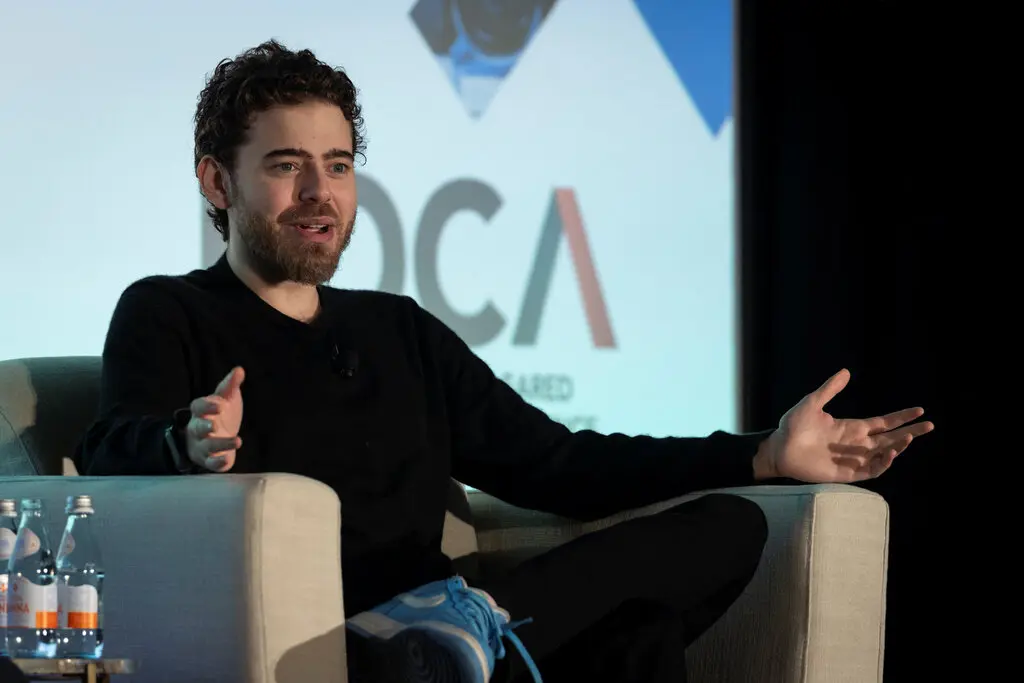

Shayne Coplan, Polymarket Founder


Dustin Gouker, who writes a long-running column on prediction markets, said: "The resentment runs so deep, the fight has become personal."


This feud has spilled into corporate meetings, U.S. Congressional hearings, influenced regulatory policy in Washington, and triggered unprecedented industry scrutiny and regulatory anxiety. The companies have trademarked each other's names, competed for the same deals, poached talent, traded barbs in the media, and launched direct personal attacks on social platforms. Both have established business ties with Donald Trump Jr., a common lobbying tactic in Washington during the Trump era.


Noah Zingler-Sternig, a former Kalshi employee and manager of a prediction market investment fund, commented: "Both companies have crossed the line on many things, making it hard for the public to take either platform seriously."


The animosity is not just about market share; a deeper divide lies in ethical boundaries and business conduct. Kalshi projects an image of regulatory compliance, insisting on obtaining U.S. regulatory approval before operating domestically. Polymarket operates its core platform offshore without a domestic license. Kalshi enforces strict KYC (Know Your Customer) rules and blocks sensitive betting categories; Polymarket users can register without submitting personal information and can even bet on events like the timing of missile strikes in Israel.


While Coplan and Mansour have met over the years, they now barely communicate, preferring to disparage each other from afar. Mansour, an MIT graduate who calls himself a math enthusiast, once likened their competition to the healthy rivalry between legendary quarterbacks Tom Brady and Eli Manning. Recently, however, he stated bluntly that Polymarket's model is "illegal and unethical," noting its offshore platform is operated by a Panamanian entity.


In April of this year, Mansour said at an industry conference in Washington: "I don't know what regulations Panama has for insider trading in prediction markets—probably none."


Coplan, a dropout from New York University who excels at public pitchmanship, rarely mentions Kalshi publicly. But two sources said he privately calls Kalshi a mere copycat of Polymarket and believes Mansour has been trying to sabotage him. Coplan is convinced his platform is the industry's best solution, stating on "60 Minutes" last year: "It's the most accurate information tool humanity currently has."


Kalshi spokesperson Elisabeth Diana said the company learned of the FBI raid through news reports. She added that Kalshi regularly communicates with regulators about compliance and has publicly stated that "some companies harm users and tarnish the industry's reputation."
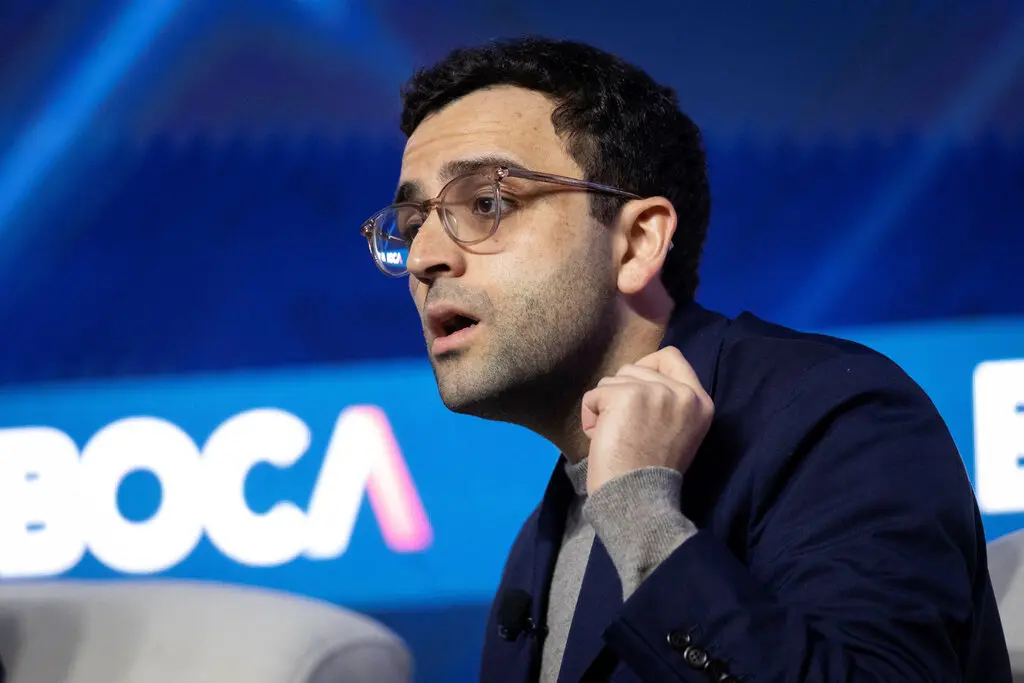

Tarek Mansour, Kalshi Co-founder


Diana said, "Tarek has no personal animosity towards Shayne. His only frustration is that while Kalshi spent years pushing for industry compliance, the other side operates with no regard for rules."


A Polymarket spokesperson responded to Mansour's comments by quoting Ralph Waldo Emerson: "The louder he talked of his honor, the faster we counted our spoons." The spokesperson also stated the platform has robust insider trading screening mechanisms, having referred suspicious activity to authorities nearly a hundred times, and emphasized: "We are committed to building an accurate, fair, and transparent trading market."


As prediction markets move from niche to mainstream, regulatory pressure on both companies continues to mount. Multiple state attorneys general have sued both platforms, alleging their sports betting operations violate gambling laws; Polymarket is also under investigation by the U.S. Commodity Futures Trading Commission (CFTC).


Kalshi's targeting of Polymarket has become more overt. In May, former CFTC commissioner and current Kalshi board member Brian Quintenz posted on X about Polymarket's user verification process, tagging the official account of the U.S. Attorney's Office for the Southern District of New York.


The Origin of the Rivalry


Coplan, a native New Yorker, founded Polymarket in 2020, initially working from an apartment in Lower Manhattan where a bathroom was converted into an office and a laptop served as the entire setup. At the time, he saw himself as an industry newcomer pioneering a completely unconventional new product.


He soon faced a formidable opponent. Mansour, who grew up in Lebanon and was a former trader at Citadel, co-founded Kalshi in 2018 with MIT classmate and current COO Luana Lopes Lara. Colleagues describe Mansour as brilliant, aggressive, and somewhat reserved; Coplan is easygoing, an art collector and music lover with a laid-back, quintessential New Yorker demeanor.
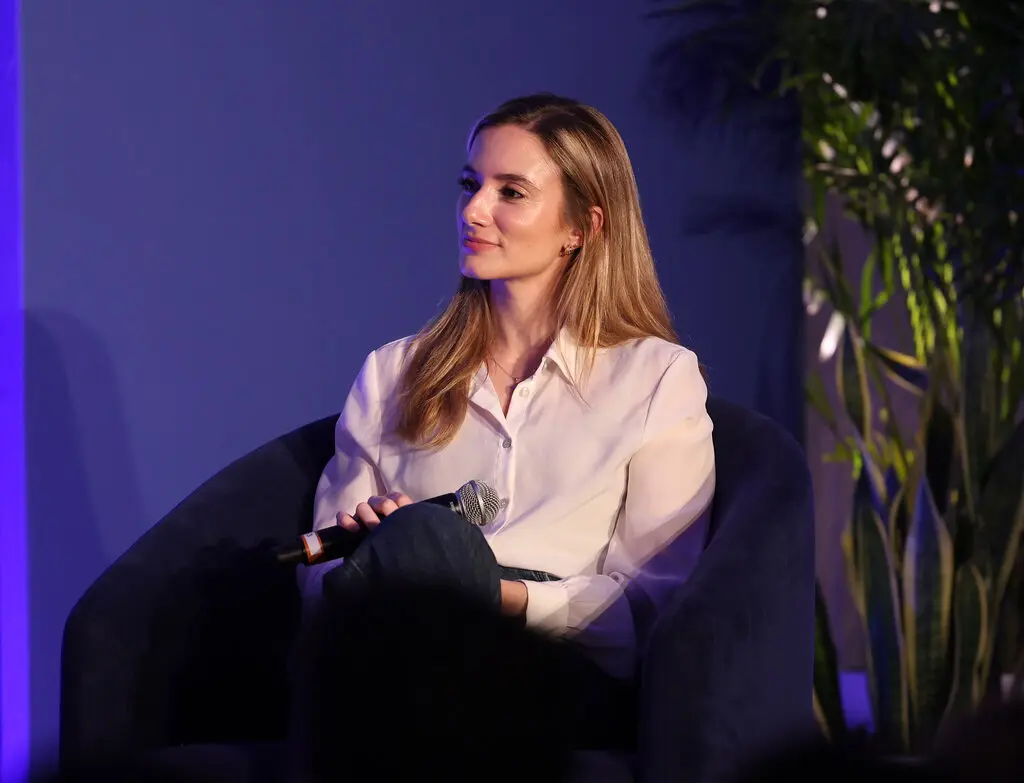

Luana Lopes Lara, Kalshi Co-founder


The two never got along well. Sources recall an awkward early meeting where Coplan mentioned both were raised by single mothers—a comment that made Mansour deeply uncomfortable.


But they shared one conviction: prediction markets would reshape finance and media, using "the wisdom of the crowd" to produce highly valuable information. Both Polymarket and Kalshi present bets as yes/no questions on topics ranging from weather to the Super Bowl. The collective amount users wager determines the odds for each event.


Kalshi applied for a full operating license from the CFTC long before launching its betting business in 2021. Three sources said that even during early communications with regulators, Kalshi raised compliance issues about Polymarket.


The main contact was Kalshi strategic advisor Jeff Bandman, who repeatedly urged the CFTC to scrutinize Coplan's company, pointing out that the platform was accessible in the U.S. without permission. In January 2022, regulators fined Polymarket $1.4 million and ordered it to stop accepting bets from U.S. users.


This ban gave Kalshi a potential monopoly on the U.S. market, but the company still had to negotiate with regulators for more favorable rules. During the Biden administration, the CFTC banned election betting, leading Kalshi to sue the agency in 2023.


While Kalshi was entangled in litigation, Polymarket went viral—even while banned from serving U.S. users. Americans could simply use a VPN to access the offshore site. Ahead of the 2024 presidential election, the platform's odds sparked widespread discussion, showing Trump's chances significantly higher than traditional polls.


Mansour said on a podcast in June: "They completely skipped the compliance process, launched the product, and had no scruples."


Just before the election, Kalshi won its court case, allowing licensed prediction markets to operate legally in the U.S. Polymarket still lacked a domestic license, but its traffic skyrocketed, and Coplan became an industry celebrity.


In 2024, the U.S. Attorney's Office for the Southern District of New York launched an investigation into whether Polymarket was illegally serving U.S. users. A week after Trump's victory, the FBI raided Coplan's Manhattan apartment, seizing all electronic devices.


Kalshi immediately capitalized. Tech media outlet Pirate Wires published chat logs showing Kalshi employee Keaton Inglis contacting former NFL star Antonio Brown, instructing him to post on X that Coplan was "guilty."


Antonio Brown, former NFL star


Brown later apologized, saying he was in a business partnership with Kalshi at the time and had forwarded the content without thinking. Mansour also apologized, stating on a podcast in December 2024: "Some of our team members got a bit too emotional."


The raid made Coplan and his team deeply suspicious, and rumors spread quickly through media circles. Four sources said Polymarket insiders privately speculated that Kalshi or its affiliates had hired private investigators to follow Coplan, who then tipped off the media after witnessing the FBI raid.


Kalshi spokesperson Diana dismissed this: "It's completely baseless. Their paranoia has reached absurd levels."


Sabotaging a Major Deal


Last July, Coplan went to Manhatta, a penthouse restaurant in Manhattan with 60th-floor panoramic views, for a crucial business dinner. He dressed casually, carrying a bagel in a paper bag.


On the other side of the table was billionaire Jeffrey Sprecher, founder of Intercontinental Exchange (ICE). The $80 billion giant operates the New York Stock Exchange. The meeting between old and new industry titans marked a pivotal turn in the Polymarket-Kalshi rivalry.


For years, Kalshi boasted top-tier VC backers like Sequoia Capital; Coplan had repeatedly struggled to secure funding from large institutions. But both Coplan and Mansour were courting ICE for investment, as the giant sought to enter the prediction market space.


Coplan and Sprecher hit it off. ICE, which had been considering an investment in Kalshi, ultimately struck a deal to invest in Polymarket last fall.


Sources said Mansour was furious upon learning the news. Five individuals familiar with the matter said that before the deal was announced, Mansour and Kalshi investor Alex Immerman, a partner at a16z, separately met with ICE's senior management.


Descriptions of the conversations vary, but three sources confirmed that Mansour and Immerman's communications were essentially attempts to dissuade ICE from making the investment by any means necessary.


Kalshi spokesperson Diana stated the company itself "had no intention of pursuing a partnership with Sprecher."
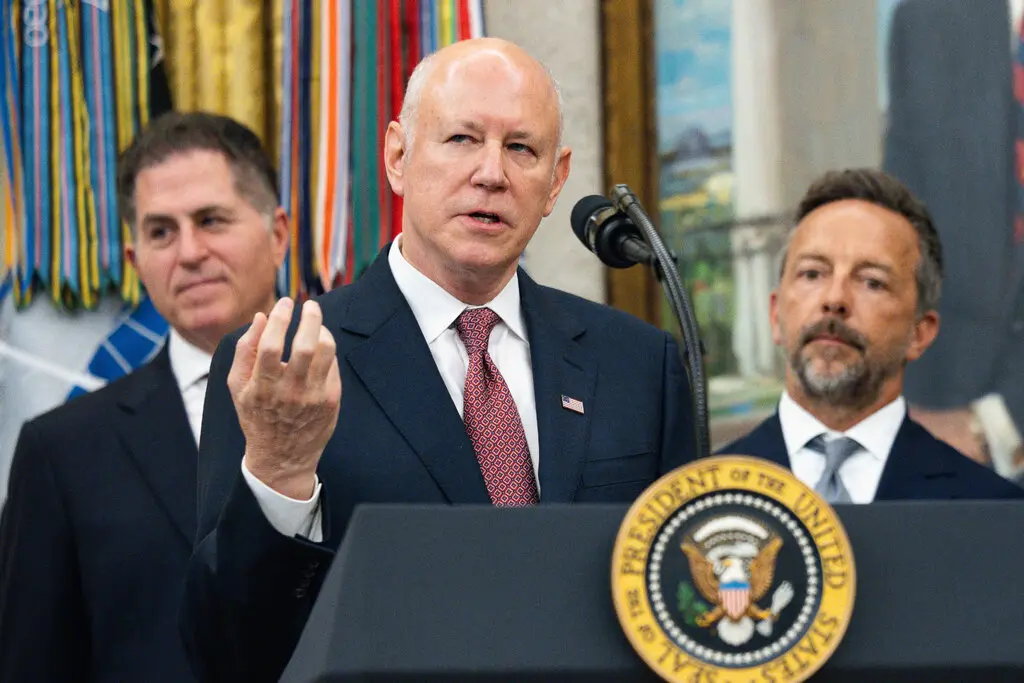

Jeffrey Sprecher, Founder of Intercontinental Exchange


Ultimately, Sprecher bet on Coplan, announcing a deal in October to invest up to $2 billion in Polymarket. This was just one in a series of wins for Polymarket: In July last year, the Trump administration's shift in enforcement led the Southern District to drop its investigation into Coplan; that same summer, Trump Jr.'s venture firm, 1789 Capital, also announced an investment in Polymarket.


Coplan said on "60 Minutes" last year: "This administration is strongly supporting innovation, the crypto industry, and especially Polymarket. It's quite remarkable."


To capitalize on this policy shift, Polymarket needed a U.S. operating license. Coplan planned to acquire a company that already had one.


He ran into Kalshi's obstruction again. Five sources said rumors swirled that Coplan was targeting the small prediction platform Railbird for acquisition. Mansour then reported potential issues with that target to senior CFTC officials.


Kalshi's report didn't work; the CFTC approved Railbird's license in June 2025. Coplan ultimately spent $112 million to acquire another licensed firm, QCX. Although its main offshore platform remained restricted, the acquisition allowed Polymarket to launch a lightweight U.S. app, reaching a massive domestic user base.


Announcing the acquisition in July, Coplan posted a picture of the American flag on social media with the caption: "Waited so long for this day. Polymarket is officially back in the USA."


Business Gambits Designed to Provoke


This past spring, when the New York Knicks made the playoffs, Mansour posted a courtside photo from Madison Square Garden, wearing team colors and grinning widely.


Officially, it was a celebration of a new partnership between Kalshi and the arena, which named its sixth-floor concourse the "Kalshi Concourse." But industry observers saw another layer: a deliberate provocation.


Long before his fame, Coplan frequently shared Knicks content on social media and was a regular courtside presence during the regular season. Sources said Polymarket had also been in talks for a similar sponsorship before Kalshi secured the deal but was unwilling to match Kalshi's offer.


This marked the moment the rivalry, once confined to the crypto niche, entered the mainstream spotlight. In the first six months of this year, the two platforms' combined trading volume surpassed $150 billion, a 1200% increase, undoubtedly intensifying the competition.


By current metrics, Mansour is temporarily ahead. After a funding round in May, Kalshi's valuation reached $22 billion, $7 billion higher than Polymarket's. Data from The Block shows Kalshi's trading volume last month was $33 billion, double that of Polymarket.


Diana denied the Madison Square Garden deal was aimed at Coplan: "We don't make business decisions to provoke competitors. That notion is ridiculous."


The surge in prediction market popularity has also attracted stricter regulatory scrutiny, much of it focused on Polymarket. In April, a U.S. Army Special Forces soldier was indicted for using classified information, accessed via VPN on Polymarket's offshore platform, to bet on the arrest of Venezuelan President Nicolás Maduro, profiting over $400,000. A Polymarket spokesperson said the platform explicitly prohibits VPN access.


The two platforms' approaches to curbing insider trading are starkly different. Kalshi requires users to submit full personal information before betting, including occupation in some cases. All Polymarket trades are publicly recorded on the blockchain, allowing the community to self-police for violations. Users of the U.S. app must undergo KYC, but the main offshore platform still does not force users to disclose names, employers, or other private information.


Polymarket-paid influencer Aj Pleasanton commented that this model is common in crypto, where users generally prefer anonymity.


Privately, Mansour has grown increasingly critical of Polymarket's model; two sources said he often calls Polymarket's chief legal officer, Neal Kumar, to express his anger.


Clashes are frequent. According to sources and documents reviewed by The New York Times, in the spring of 2025, several influencers partnered with Polymarket widely spread news about Kalshi's failed partnership talks with Elon Musk's xAI.


That same year, Polymarket hired early Uber employee Max Crowley as VP of Partnerships. Within two months, Crowley jumped to Kalshi, infuriating Coplan. Sources said during the transition, Coplan and company board lawyer Alex Spiro sent Crowley a cease-and-desist letter threatening litigation, though no case was filed.


Even when they share common industry goals, the two companies refuse to collaborate. Kalshi formed an industry lobbying group to fight restrictive prediction market legislation in various states, uniting several competitors—but pointedly excluding Polymarket.


The following month, after Kalshi lost a sports betting lawsuit in one state, Polymarket promptly listed a new market: betting on when Kalshi's Massachusetts sports betting operations would shut down.


Kripto yang Sedang Tren

Pertanyaan Terkait

QWhat was the core accusation made by Kalshi's lawyers to federal prosecutors about Polymarket?

AKalshi's lawyers informed the Manhattan federal prosecutor's office that the Polymarket platform was still accessible to users in the United States despite a previous regulatory order that was supposed to block U.S. access.

QAccording to the article, what is a fundamental difference in the operational ethics and compliance approach between Kalshi and Polymarket?

AKalshi positions itself as a compliance leader, insisting on obtaining U.S. regulatory approval before operating locally and enforcing strict identity verification rules. Polymarket, in contrast, has operated its core platform offshore without a U.S. license and historically allowed users to register and bet without submitting personal information.

QHow did Tarek Mansour allegedly try to derail the potential investment deal between Polymarket and ICE (Intercontinental Exchange)?

AWhen Mansour learned that ICE was finalizing an investment deal with Polymarket, he and Alex Immerman, a partner at Kalshi's investor a16z, separately met with ICE executives. The conversations were reportedly aimed at discouraging ICE from making the investment in Polymarket.

QWhat significant event triggered Polymarket's internal suspicion that Kalshi was involved in a campaign against them?

AAfter FBI agents raided Shayne Coplan's apartment, rumors spread within Polymarket that Kalshi or its associates might have hired a private investigator to follow Coplan and then leaked the news of the raid to the media. Kalshi's spokesperson dismissed this as baseless.

QWhat recent acquisition allowed Polymarket to officially offer its services to users in the United States, and how did they announce it?

APolymarket acquired a licensed company called QCX. After the acquisition was finalized in July, Shayne Coplan announced it on social media with a picture of an American flag and the message: 'Waited a very long time for this. Polymarket is officially back on US soil.'

Bacaan Terkait

Setelah Tiga Kuartal Berturut-Turut Turun, Bisakah Pasar Kripto Menyambut Jendela Stabilitas di Kuartal Ketiga?

Pasar kripto mengalami kuartal terburuk sejak 2022, dengan kapitalisasi pasar turun 12.6% menjadi $2.1 triliun, didorong oleh keluarnya modal dan penurunan volume perdagangan. Bitcoin dan Ethereum masing-masing jatuh 14.2% dan 25.4% di kuartal kedua. Aliran keluar bersih dari ETF Bitcoin AS mencapai $4.67 miliar, menandakan tekanan jual yang berkelanjutan. Faktor utama meliputi terputusnya hubungan dengan saham AS, kebijakan moneter Federal Reserve yang ketat, dan pelepasan aset oleh perusahaan seperti Strategy. Proses legislasi UU CLARITY yang akan memberikan kejelasan regulasi terhambat, meningkatkan premi risiko di sektor ini. Namun, ada tanda-tanda potensi stabilisasi. Aliran keluar ETF yang besar secara historis sering terjadi di akhir fase penurunan, dan para pemegang Bitcoin jangka panjang mulai menambah kepemilikan lagi. Sementara sebagian besar sektor menyusut, pasar prediksi dan aset koleksi yang ditokenisasi mencatat pertumbuhan signifikan. Pandangan untuk kuartal ketiga sangat bergantung pada pertemuan Fed akhir Juli. Sinyal kebijakan yang lunak dapat mendukung pemulihan Bitcoin, sementara sikap yang hawkish dapat memicu konsolidasi lebih lanjut. Meskipun tantangan regulasi tetap ada, indikator teknis seperti harga Bitcoin yang mendekati rata-rata bergerak 200-mingguannya menunjukkan dasar jangka panjang belum rusak. Logika pasar telah bergeser dari mengandalkan narasi ke faktor fundamental seperti kebijakan dan ekspektasi suku bunga.

marsbit18j yang lalu

Setelah Tiga Kuartal Berturut-Turut Turun, Bisakah Pasar Kripto Menyambut Jendela Stabilitas di Kuartal Ketiga?

marsbit18j yang lalu

The SpaceX Trade, Terbuka: SPCXON Mulai Diperdagangkan di WEEX

SpaceX meluncurkan IPO terbesar dalam sejarah pada Juni 2026, namun akses bagi banyak pedagang terhambat oleh batasan regional dan prosedur broker. WEEX kini menghadirkan SPCXON/USDT di pasar spotnya, sebuah instrumen tokenisasi yang memungkinkan paparan terhadap pergerakan harga SpaceX melalui akun kripto yang diselesaikan dengan USDT, tanpa memerlukan broker AS atau pembiayaan bank. SPCXON adalah produk tokenisasi yang mencerminkan ekonomi kepemilikan SpaceX bagi pedagang yang memenuhi syarat di luar AS, dengan dividen diinvestasikan kembali. Aset ini diperdagangkan di WEEX sebagai pasangan spot dengan USDT, tersedia selama jam pasar, memberikan akses mudah bagi trader kripto. Kasus investasi untuk SpaceX didasarkan pada pertumbuhan pendapatan Starlink dan pencapaian Starship, meskipun valuasinya yang tinggi (sekitar 90-110 kali pendapatan) telah memperhitungkan eksekusi sempurna selama bertahun-tahun. Faktor seperti jumlah saham publik yang terbatas dan masa buka kunci (unlock) insider pertama menjadi pertimbangan penting. Penting untuk diingat bahwa SPCXON memberikan paparan, bukan kepemilikan langsung atas saham atau hak suara. Harganya dapat diperdagangkan pada premium atau diskon terhadap nilai aset bersih. WEEX menawarkan akses ke berbagai aset TradFi yang ditokenisasi seperti ini dalam satu akun terpadu, bersama dengan pasar futures dan kampanye perdagangan dengan pool hadiah.

TheNewsCrypto18j yang lalu

The SpaceX Trade, Terbuka: SPCXON Mulai Diperdagangkan di WEEX

TheNewsCrypto18j yang lalu

Momen Perdagangan BIT: BTC Masih Tertekan oleh EMA 200 Mingguan, Setelah Ditolak Mungkin Kembali Turun, Saham Penyimpanan dan Semikonduktor yang Melonjak Malam Kemudian Mulai Anjlok di Pasar Malam

**PASAR KRIPTO & SAHAM: BTC Hadapi Resistensi, Saham Semikonduktor Turun di Perdagangan Malam** Pasar kripto melanjutkan pemulihan, dengan harga Bitcoin bertahan di sekitar $66,000 setelah rebound lebih dari 15% dari titik terendah Juli. Namun, BTC menghadapi **tembok resistensi kuat di dekat $68,000**, yang bertepatan dengan biaya rata-rata investor selama lima bulan terakhir dan titik gagalnya rebound pertengahan Juni. Secara teknis, perhatian tertuju pada **200 EMA mingguan (~$68,328) sebagai level kunci**. Jika BTC ditolak di level ini, potensi penurunan menuju support $63,000 terbuka. Analis menyoroti volume rendah dan penurunan open interest futures di CME, menandakan rebound ini lebih dipicu likuiditas rendah musim panas daripada awal bull run penuh. Di pasar saham AS, **indeks futures utama turang** setelah sesi kemarin yang kuat. Sektor semikonduktor dan penyimpanan (storage), yang melonjak pada hari Selasa (contoh: Micron +12%), **mengalami koreksi di perdagangan malam (night trading)**. ETF semikonduktor turun 2,22% dan saham Micron turun 2,29%. Meski begitu, ada sorotan positif seperti **Super Micro Computer (SMCI)** yang naik lebih dari 15% setelah melaporkan pandangan pendapatan yang kuat dan pesanan baru yang sangat besar, mengonfirmasi permintaan server AI tetap solid. Kekhawatiran makro muncul dari **kenaikan harga minyak mentah (di atas $91)** akibat ketegangan geopolitik dan **lonjakan imbal hasil (yield) obligasi pemerintah AS**, dengan imbal hasil 10-tahun mencapai sekitar 4,64%. Faktor-faktor ini dapat menambah tekanan inflasi dan membatasi ruang gerak pasar saham. Saham terkait kripto seperti Coinbase dan Robinhood naik kuat didorong oleh perkembangan regulasi yang lebih jelas di AS. Di Asia, **Korea Selatan** dan **Jepang** menunjukkan kinerja beragam. Indeks KOSPI Korea naik didukung pemulihan saham semikonduktor, sementara pasar Jepang melemah dengan **Yen terus melemah ke level terendah sejak 1986**, meningkatkan kekhawatiran akan intervensi bank sentral. **Yang Perlu Diperhatikan Selanjutnya:** * **22 Juli:** Acara AI AMD, rilis laporan keuangan dari Google (Alphabet), Tesla, IBM. * **23 Juli:** Keputusan suku bunga Bank Sentral Eropa (ECB), data klaim pengangguran AS, laporan keuangan Intel. * Perkembangan lebih lanjut dari **harga minyak, imbal hasil obligasi, dan dinamika Yen Jepang** akan menjadi penentu sentimen pasar risiko secara keseluruhan.

marsbit18j yang lalu

Momen Perdagangan BIT: BTC Masih Tertekan oleh EMA 200 Mingguan, Setelah Ditolak Mungkin Kembali Turun, Saham Penyimpanan dan Semikonduktor yang Melonjak Malam Kemudian Mulai Anjlok di Pasar Malam

marsbit18j yang lalu

Mantan Ketua CFTC dan Presiden Circle, Tarbert: Satu Pihak Menasihati Anda untuk Berpikir Jangka Panjang, di Sisi Lain Menguangkan $30 Juta Sendiri

Penulis: Zen, PANews Heath Tarbert, mantan Ketua CFTC dan Presiden Circle, baru-baru ini menyerukan kepada investor untuk mengadopsi pandangan jangka panjang terhadap saham Circle, meskipun harganya telah turun 70% dari puncaknya. Namun, ia sendiri secara konsisten menjual saham CRCL sejak perusahaan go public, menguangkan sekitar $30 juta tanpa pernah membeli saham tambahan di pasar terbuka. Tarbert, yang bergabung dengan Circle pada Juli 2023 dan menjadi Presiden pada awal 2025, dikenal sebagai pendukung kuat narasi "jangka panjang" perusahaan. Namun, sehari sebelum IPO Circle, ia menetapkan rencana perdagangan 10b5-1 untuk menjual hingga 353.290 saham dalam setahun. Dalam 13 bulan setelah IPO, ia menjual lebih dari 360.000 saham, termasuk penjualan tunggal senilai $11,5 juta pada Maret 2026. Ia bahkan menetapkan rencana 10b5-1 kedua untuk menjual hingga 160.000 saham lagi pada akhir tahun 2026. Langkah Tarbert ini menuai kecaman karena dianggap tidak konsisten dengan pesan "jangka panjang" yang ia sampaikan kepada publik. Perjalanan kariernya sering dikaitkan dengan "revolving door" antara regulator dan dunia keuangan. Setelah mengundurkan diri sebagai Ketua CFTC pada Maret 2021, ia bergabung dengan Citadel Securities hanya 27 hari kemudian sebagai Kepala Penasihat Hukum, tepat saat perusahaan itu menghadapi pengawasan ketat terkait peristiwa GameStop. Di Citadel, ia juga mendukung undang-undang yang memperluas wewenang CFTC atas pasar crypto, sementara Citadel diketahui berencana berekspansi ke aset kripto. Tarbert kemudian pindah ke Circle pada 2023, membantu perusahaan mengatasi tantangan regulasi dan akhirnya go public melalui IPO langsung. Meskipun sangat berharga bagi perusahaan, tindakannya menjual saham dalam jumlah besar sambil mendorong investor untuk bertahan menimbulkan pertanyaan tentang komitmennya yang sebenarnya terhadap masa depan jangka panjang Circle.

marsbit19j yang lalu

Mantan Ketua CFTC dan Presiden Circle, Tarbert: Satu Pihak Menasihati Anda untuk Berpikir Jangka Panjang, di Sisi Lain Menguangkan $30 Juta Sendiri

marsbit19j yang lalu

Gate Research Institute: Produk Keuangan Kripto Menggulirkan Gelombang "Wall Street-ization", Kompetisi atau Integrasi?

**Ringkasan: Gelombang "Wall Street-ization" Produk Keuangan Kripto: Kompetisi atau Integrasi?** Artikel ini membahas fenomena konvergensi antara keuangan tradisional (TradFi) dan keuangan kripto (Crypto). Meskipun Bitcoin awalnya dirancang sebagai sistem peer-to-peer yang terdesentralisasi dan bebas dari perantara seperti bank, pasar kripto kini semakin diintegrasikan ke dalam infrastruktur keuangan tradisional. **Tren "Wall Street-ization":** Dimulai dengan disetujuinya ETF spot Bitcoin pada 2024, aset kripto kini dikemas menjadi produk seperti ETF (oleh BlackRock, Fidelity, dll.), futures, dan sekuritisasi aset riil (RWA) seperti obligasi pemerintah yang ditokenisasi. Ini memberikan akses yang mudah dan teregulasi bagi investor institusional, tetapi juga berarti kekuasaan atas penerbitan, penentuan harga, kustodian, dan distribusi aset kripto semakin bergeser ke lembaga keuangan besar. **Dua Jalur Konvergensi (1+1>2):** Artikel ini menyoroti dua arah integrasi: 1. **Dari CEX ke TradFi:** Dilambangkan oleh **Gate.io**, yang berkembang dari bursa kripto menjadi platform multi-aset. Gate kini menawarkan perdagangan saham nyata (AS, Hong Kong, Korea) menggunakan USDT, menyediakan akses tanpa batas waktu ke pasar tradisional. 2. **Dari TradFi ke Crypto:** Dilambangkan oleh **Robinhood**, platform broker tradisional yang memperluas layanannya ke aset kripto (termasuk melalui akuisisi Bitstamp) dan mengembangkan produk seperti token saham di blockchain. **Tujuan Bersama: Akun Keuangan "Super" Terpadu:** Kedua jalur ini bertujuan menciptakan **akun keuangan generasi berikutnya yang terpadu**. Pengguna di masa depan mungkin dapat memperdagangkan Bitcoin, saham Apple, ETF, emas, dan obligasi pemerintah yang ditokenisasi dalam satu antarmuka yang sama, menggunakan stablecoin sebagai lapisan dana. **RWA dan Obligasi Pemerintah di On-Chain sebagai Lapisan Tengah:** Tokenisasi aset dunia nyata, terutama obligasi pemerintah AS, menyediakan aset berpenghasilan rendah risiko di ekosistem on-chain. Pasar ini tumbuh pesat (naik 40% pada paruh pertama 2026) meskipun pasar kripto turun, menunjukkan permintaan nyata. **Kesimpulan:** "Wall Street-ization" bukanlah pengambilalihan sepihak, melainkan **transformasi timbal balik**. TradFi dan Crypto saling melengkapi: Crypto mendapatkan akses ke likuiditas, kepatuhan, dan jaringan distribusi yang luas, sementara TradFi mengadopsi efisiensi, kecepatan, dan pasar 24/7 dari Crypto. Hasil akhirnya adalah pembentukan **pasar modal terpadu yang lebih efisien dan global**, di mana batas antara aset tradisional dan kripto semakin kabur.

marsbit19j yang lalu

Gate Research Institute: Produk Keuangan Kripto Menggulirkan Gelombang "Wall Street-ization", Kompetisi atau Integrasi?

marsbit19j yang lalu

Trading

Spot

Artikel Populer

Cara Membeli WAR

Selamat datang di HTX.com! Kami telah membuat pembelian WAR (WAR) menjadi mudah dan nyaman. Ikuti panduan langkah demi langkah kami untuk memulai perjalanan kripto Anda.Langkah 1: Buat Akun HTX AndaGunakan alamat email atau nomor ponsel Anda untuk mendaftar akun gratis di HTX. Rasakan perjalanan pendaftaran yang mudah dan buka semua fitur.Dapatkan Akun SayaLangkah 2: Buka Beli Kripto, lalu Pilih Metode Pembayaran AndaKartu Kredit/Debit: Gunakan Visa atau Mastercard Anda untuk membeli WAR (WAR) secara instan.Saldo: Gunakan dana dari saldo akun HTX Anda untuk melakukan trading dengan lancar.Pihak Ketiga: Kami telah menambahkan metode pembayaran populer seperti Google Pay dan Apple Pay untuk meningkatkan kenyamanan.P2P: Lakukan trading langsung dengan pengguna lain di HTX.Over-the-Counter (OTC): Kami menawarkan layanan yang dibuat khusus dan kurs yang kompetitif bagi para trader.Langkah 3: Simpan WAR (WAR) AndaSetelah melakukan pembelian, simpan WAR (WAR) di akun HTX Anda. Selain itu, Anda dapat mengirimkannya ke tempat lain melalui transfer blockchain atau menggunakannya untuk memperdagangkan mata uang kripto lainnya.Langkah 4: Lakukan trading WAR (WAR)Lakukan trading WAR (WAR) dengan mudah di pasar spot HTX. Cukup akses akun Anda, pilih pasangan perdagangan, jalankan trading, lalu pantau secara real-time. Kami menawarkan pengalaman yang ramah pengguna baik untuk pemula maupun trader berpengalaman.

323 Total TayanganDipublikasikan pada 2024.12.11Diperbarui pada 2026.06.02

Cara Membeli WAR

Diskusi

Selamat datang di Komunitas HTX. Di sini, Anda bisa terus mendapatkan informasi terbaru tentang perkembangan platform terkini dan mendapatkan akses ke wawasan pasar profesional. Pendapat pengguna mengenai harga WAR (WAR) disajikan di bawah ini.

活动图片