Not long ago, I read an open letter from IOSG founder Jocy to China's Crypto OGs. In the letter, Jocy quoted a saying from Warren Buffett: "For the next 100 years, ensure the cathedral is not swallowed by the casino."
Jocy used this metaphor to describe the dilemma of the crypto industry: on one side is the grand cathedral built with code and ideals; on the other is a huge casino filled with speculation and hype.
Just days after this letter was sent, a developer named Peter Steinberger saw his open-source AI project, Clawd bot, which he developed in his spare time, go viral overnight.
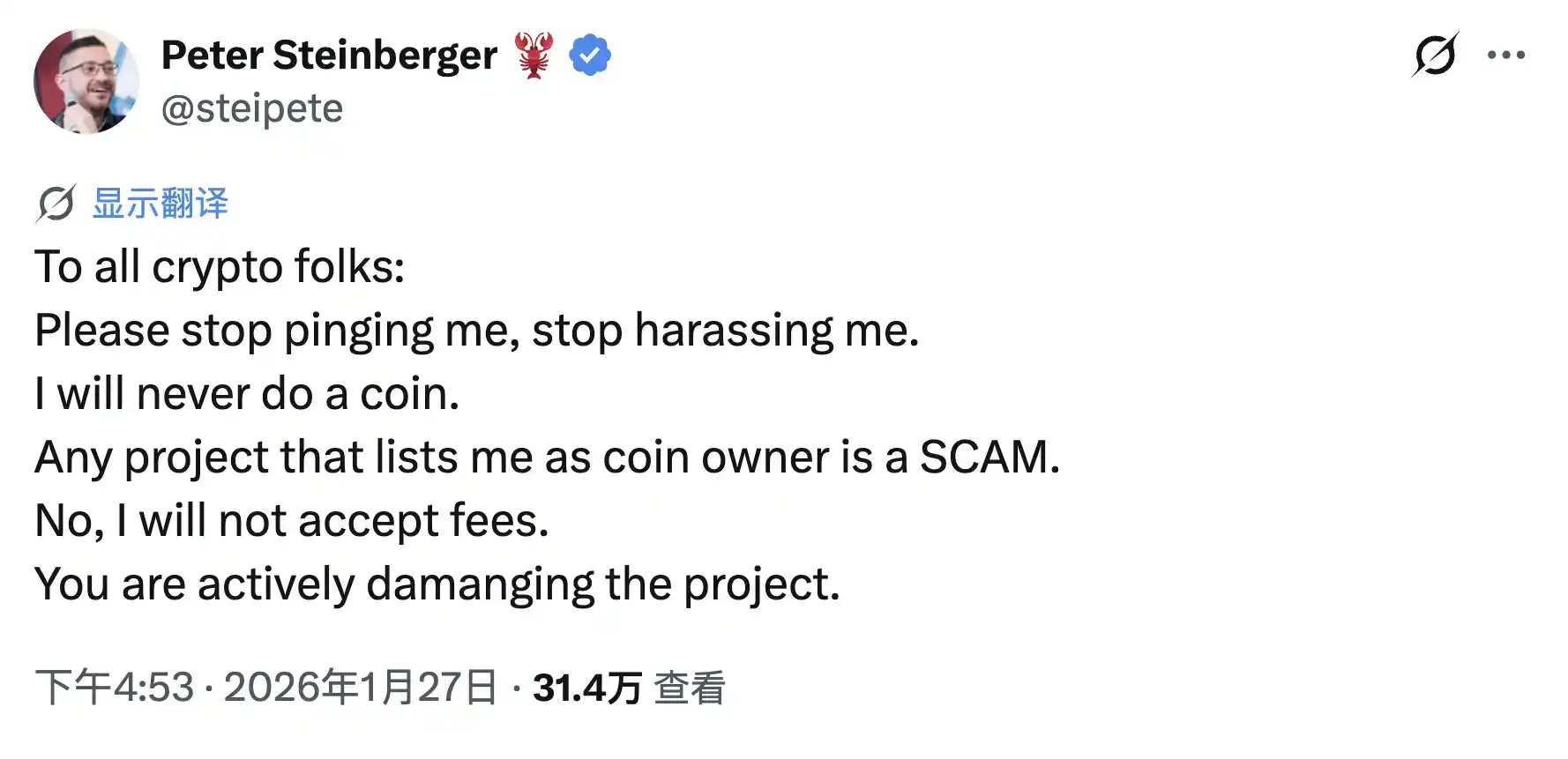
But on the very day the project exploded in popularity, a group of cryptocurrency speculators, without Peter's knowledge, quickly issued a Meme coin named CLAWD, whose market value was once pumped to $16 million. Subsequently, Peter posted on Twitter stating that he would absolutely not issue any cryptocurrency and would not participate in any meme coin, and requested that "Crypto Folks" stop harassing him.
The speculators believed Peter's statements caused the coin's price to crash. They took over his GitHub account during a project rename process and launched a frenzied online siege and personal harassment against him, demanding that Peter take responsibility for the scam they themselves had created.
This was probably the moment in recent times when I least wanted to admit that I am a crypto industry practitioner.
The entire crypto industry is experiencing a great collapse. The prosperity of the casino not only fails to give back to the cathedral but is actively destroying those who try to build it.
From 2009 when Satoshi Nakamoto mined Bitcoin's genesis block to 2026—these seventeen years—what exactly happened in the crypto industry? How was that grand cathedral built with code and ideals step by step transformed into a casino filled with the sounds of dice and wails?
The Bells of the Cathedral
To answer this question, let's go back to the very beginning, back to that era when the bells were clear.
For a long time after Bitcoin's birth, the mainstream narrative of this industry was about building. Early participants were mostly cypherpunks, libertarians, and tech geeks. They were fascinated by the decentralized utopia depicted by Satoshi Nakamoto and tried to add bricks and tiles to this cathedral with lines of code.
Even the industry's most famous Memecoin, Dogecoin, initially shone with idealistic brilliance.
In December 2013, two software engineers, Billy Markus and Jackson Palmer, working at IBM and Adobe respectively, decided to create an "absurd" cryptocurrency to satirize the increasingly intense speculation in cryptocurrencies at the time. Markus slightly modified Bitcoin's code, changed the font to a comical comic style, and replaced Bitcoin's icon with a Shiba Inu meme that was popular on the internet at the time. Dogecoin was born.
"It was born just for a joke," Markus recalled years later in an open letter. "We had no expectations or plans."
But this joke unexpectedly gave birth to one of the most unique communities in the crypto world. Early Dogecoin players didn't care about price fluctuations; they were passionate about tipping culture, using Dogecoin worth less than a cent to like their favorite content on social media. They used this almost free method to transmit happiness, kindness, and creativity.
In 2014, they raised $30,000 worth of Dogecoin for the Jamaican bobsled team, which couldn't afford the fees, helping them compete in the Sochi Winter Olympics; they raised funds to build wells in water-scarce areas of Kenya; they also sponsored a NASCAR driver named Josh Wise, letting a car emblazoned with the Shiba Inu head race in America's most popular motorsport event.

"Happiness, kindness, learning, giving, empathy, fun, community, inspiration, creativity, generosity, silliness, and absurdity," Markus defined the true value of Dogecoin in his open letter. "If the community embodies these things, that is the true value."
This is one of the most moving profiles of the cathedral era. In that era, people believed that the power of consensus could turn a joke into a force for good.
This enthusiasm for building reached its peak during the DeFi Summer of 2020. Ethereum builders used smart contracts to construct a permissionless, trustless decentralized financial world. From the decentralized exchange Uniswap to lending protocols like Compound and Aave, financial applications were built like Lego bricks. The entire crypto world's Total Value Locked (TVL) soared from less than $700 million to $117.6 billion in just one year. A new financial paradigm was rising on the horizon.
Until 2021, the flavor began to change. That year, under the impact of the COVID-19 pandemic, global central banks launched unprecedented money-printing sprees, with the US alone rolling out a $5 trillion economic stimulus plan. Trillions in hot money flooded the market, searching for any asset to speculate on. Cryptocurrency became the wildest main course in this liquidity feast.
Bitcoin's price rose 788% in a year, Ethereum rose 1264%. According to surveys, American young adults aged 25 to 34 invested half of their stimulus checks into the cryptocurrency and stock markets.
Money had never been so cheap; the dream of getting rich overnight had never felt so real.
The bells of the cathedral were gradually drowned out by the sound of dice rolling in the casino.
The Tyranny of the Mob
French social psychologist Gustave Le Bon made a surgically precise assertion in his book "The Crowd:"
"As part of a group, an individual ceases to be responsible for his actions. At this point, everyone reveals instincts that would be restrained when alone.... The crowd is impulsive, fickle, and irritable. It is entirely dominated by unconscious motives."
In the crypto world after 2021, when communities were no longer united by shared vision and values but merely bound by the fragile interest of shared holdings, "community-driven" quickly degenerated into "the tyranny of the mob."
The first to be sacrificed was the spiritual totem of Dogecoin, its creator Billy Markus.
As Dogecoin was hyped up hundreds or thousands of times during the 2021 frenzy, Markus's social media inbox was flooded with frantic private messages. People desperately demanded that he "do something" to make their Dogecoin more valuable.
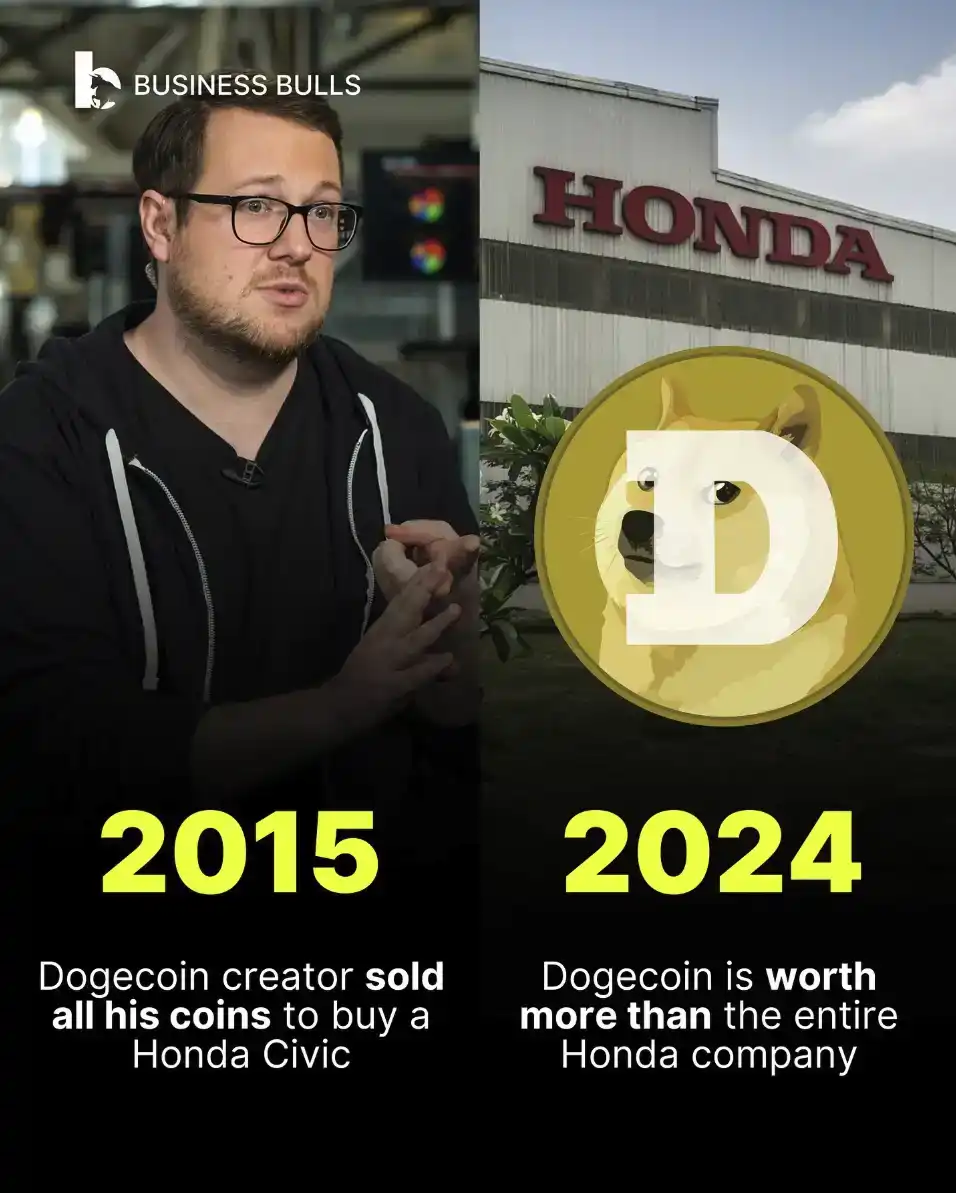
They didn't care that Markus had already sold all his Dogecoin in 2015 after being laid off, getting only a used Honda in return; they didn't care that Markus's mother was about to lose her house because she couldn't pay the mortgage.
They only cared about themselves.
"When I see pump-and-dumps, greed, scams, and these things," Markus wrote in his open letter, "I'm not angry, just disappointed."
If the attack on Markus was just the prelude to this tyranny, then the siege of Vitalik Buterin (V神) pushed this farce to its first climax.
In May 2021, SHIB, without any communication, directly sent 50% of the project's total token supply to V神's public wallet address, nominally worth up to $8 billion at the time. Their calculation was very shrewd: V神 was the公认的 "god" of the crypto world. As long as he didn't sell, it would provide the strongest credit endorsement for SHIB; if he sold, a large number of tokens would be burned, which was also bullish.
This was a carefully designed moral绑架. They placed V神 in a dilemma: no matter what he chose, it seemed he could only serve the interests of the speculators.
But V神 used the most resolute method to reject this献祭. He donated $1.3 billion worth of SHIB to the India COVID-19 relief fund, burned most of the remaining tokens, sold a large amount of the animal meme coins he received as "donations," and made real donations to charitable organizations.
He was like the head of a household cleaning house, trying to use一次次砸盘 to warn those信徒沉迷于 Meme fever. From 2021 to 2025, he多次抛售和捐赠收到的 Meme 币, turning them into animal welfare funds, biotech research funding, and disaster relief funds. He even publicly appealed multiple times: "I hope meme coin creators will donate directly to charity instead of sending coins to me."
But his resistance seemed so powerless in the face of collective speculative desire. The信徒 quickly found new explanations for his actions: "V神 is helping us burn tokens, this is bullish!" "V神 is doing marketing, he actually supports us!"
In the group logic described in "The Crowd," any fact can be twisted to serve the collective emotion and fantasy.
If the献祭 of V神 still had a touch of religious absurdity, then by 2026, when the iron fist of tyranny struck Clawd bot developer Peter Steinberger, it had evolved into a赤裸裸的绑架.
Speculators no longer needed the endorsement of a god; they could directly "create" a god and tie him to their chariot. When Peter refused to endorse the CLAWD scam they issued, he transformed from a追捧的英雄 into a叛徒 that must be eliminated. Account theft, verbal attacks, private message harassment... all means were used to force him to comply.
In the name of community, they practiced tyranny, with the K-line as their only program.
When an industry's community degenerates from a collaborative network based on common ideals into a暴力机器 based on common仓位, how large a scale of disaster can it create?
11.6 Million Bullets
The answer is: a collectively suicidal prosperity.
According to the annual report released by crypto data analysis company CoinGecko, in 2025, the crypto world created 11.9 million new tokens. This means that on average, over 32,000 new "assets" were born every single day. Correspondingly, another set of data shows that in the same year, 11.6 million crypto projects died.
For comparison, at the peak of the 2021 bull market, the number of failed projects that year was 2,584. In four years, this number grew by 4,489 times.
When token issuance becomes an industry, what we get is not value diversity but garbage on a规模化 scale.
This disaster occurred due to the combined effects of technological progress, macro liquidity, and human greed. On one hand,新一代公链 like Solana increased transaction speed by 100 times while reducing costs by 1000 times, and the emergence of发币工具 like pump.fun, which cost a few dollars, lowered the barrier to issuing a token from creating a blockchain to a click of a mouse. Technological progress意外地 provided the perfect breeding ground for the规模化 of disaster.
On the other hand, the unprecedented global money printing of 2020-2021彻底改变了 market risk appetite. When money became less valuable, when traditional value investment returns were pitifully low, people began疯狂追逐波动性. Whether an asset had value" no longer mattered; what mattered was whether it could provide enough volatility to satisfy the desire for快速致富.
Thus, we witnessed the most absurd scene in the crypto world: the entire industry争先恐后地 Meme化.
Those social applications claiming to颠覆 Web2, those blockchain games宣称要构建元宇宙, those star projects with the光环 of Layer2 scaling solutions—the sole value of their tokens was to be bought and sold by retail investors on the secondary market.
When a Layer2 token is functionally no different from a Shiba Inu coin, we must admit that within the casino, everything is a Meme.
These 11.6 million zeroed-out tokens are like 11.6 million bullets shot into the future of the crypto world. Each one宣告 to the world that this industry is not worthy of trust. And when an industry's incentive mechanism completely tilts towards speculation rather than innovation, what price will those who truly want to build the cathedral pay?
The Death of the Builders
They are experiencing a triple death.
The first death is the social death of body and spirit.
The experience of Clawd bot developer Peter Steinberger is just one example of the plight of countless builders. When a developer invests months or even years of effort to create a truly valuable, popular product, what he might receive is not flowers and applause but a group of sharks smelling blood.
They turn your project, your name, your reputation into chips in their casino. If you comply, you become an accomplice to the scam; if you resist, you become an enemy that must be eliminated.
The second death is the偶像死亡 of the spiritual leader.
V神's resistance is a Quixotic tragedy. He tried to use personal strength to fight against the sinking of an entire industry. He sold repeatedly, donated repeatedly, appealed publicly repeatedly, but in return received only the mockery of the mob and intensified绑架.
When the善举 of an industry's spiritual leader, practiced personally, is only interpreted as bullish by gamblers, the industry loses its last shred of moral covering.
In this偶像的黄昏, the lighthouse of spirit is彻底熄灭.
The third death is the资本死亡 of top-level design.
When the casino image of Meme coins becomes the most distinct label of the entire industry, those smart money试图进行长期价值投资 also begin to hesitate. In 2025, Eddy Lazzarin, Chief Technology Officer of the top crypto VC a16z crypto, known for its willingness to bet on the future, publicly stated on social media: "Meme coins are damaging the long-term vision of many builders. It looks at best like a risky casino."
This is not just a complaint from an executive; it is a dangerous signal. It means that the industry's top designers are losing confidence in the future. When capital is no longer willing to provide funds for cathedral projects that require long-term investment but only chases short, flat, fast casino games, the source of innovation is彻底切断.
More致命的是, the泛滥 of Meme coins provides the most perfect ammunition for global regulators. It labels the entire industry with tags of fraud, money laundering, and high-risk speculation, causing projects and enterprises that have worked for years on compliance to suffer unjustly. In 2025, class-action lawsuits against platforms like pump.fun have already begun citing the US "RICO Act"—a law originally used to fight the mafia.
We once looked up at the stars, dreaming that code could change the world; now we are stuck in the mire, searching for the next 100x coin in animal and celebrity头像. When builders are exiled, when spiritual leaders are消解, when capital and regulation both亮起红灯, what do we have left?
The Sounds of Bells, Dice, and Sighs, All Reach the Ears
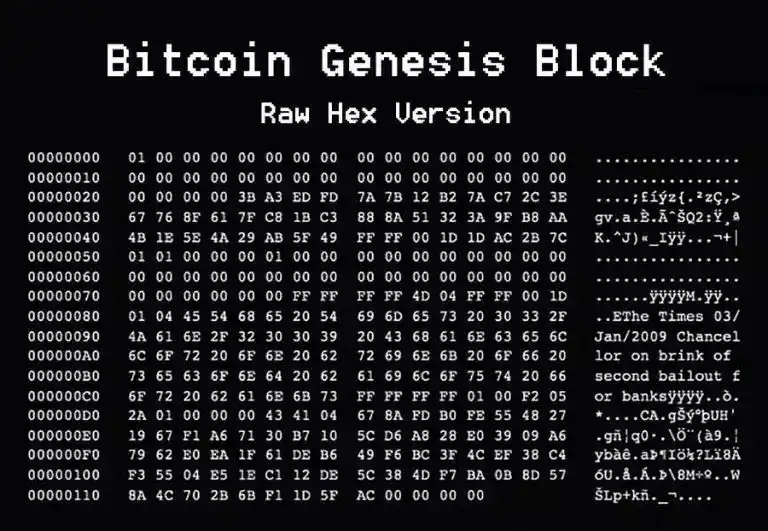
Seventeen years ago, Satoshi Nakamoto quoted a headline from The Times in the genesis block. He wanted to create a fair financial world without currency超发 and without bank malfeasance.
Seventeen years later, when a developer is attacked for creating something valuable, we must admit that this industry is proving, at the fastest speed, that it does not deserve a future.
When this狂热退潮, what will be left is a vast ruin of trust. Upon these ruins, do we choose to continue playing this game of survivor bias gambling, or do we choose to rediscover our original intention, to identify, follow, and become those who still insist on ringing the bells of the cathedral amidst the ruins?
This will be a question that every participant in the crypto world cannot avoid. The sounds of bells, dice, and sighs will continue to reverberate over this industry for a long time.
A long time.