Why Could Coinbase Halt the CLARITY Act Voting Agenda with a Single Statement?

marsbitОпубликовано 2026-01-20Обновлено 2026-01-20

Введение

This article details how Coinbase CEO Brian Armstrong's public opposition led to the abrupt postponement of a key U.S. Senate committee vote on the proposed "Clarity Act," a comprehensive cryptocurrency regulation bill. Armstrong argued the current draft would be worse than the existing regulatory framework, specifically objecting to provisions that could ban interest payments on stablecoins and grant excessive authority to the Securities and Exchange Commission (SEC). The event underscores Coinbase's significant and growing political influence in Washington, D.C., amplified by the pro-crypto stance of the Trump administration. The company has invested heavily in political action committees (PACs) to support crypto-friendly lawmakers. The article contrasts the current environment with the previous Biden administration, under which the SEC sued Coinbase. The Trump administration has since dropped that lawsuit, and the industry is pushing for legislation to cement a favorable regulatory landscape. The delayed vote highlights the intense lobbying battle between the crypto industry, which seeks lighter regulation, and traditional banking interests advocating for stricter rules, particularly on stablecoin offerings that compete with bank deposits. Negotiations are ongoing.

Editor's Note: The Clarity Act, which was about to enter a critical vote, was urgently halted due to public opposition from Coinbase CEO Brian Armstrong. The contentious issues revolve around restrictions on stablecoin interest payments and the boundaries of the SEC's authority. In fact, with the shift in regulatory direction following Trump's administration, the crypto industry has gradually transformed from being "the regulated" to "rule negotiators." This intervention not only altered the voting process but also exposed the real power struggles behind crypto legislation.

Original text:
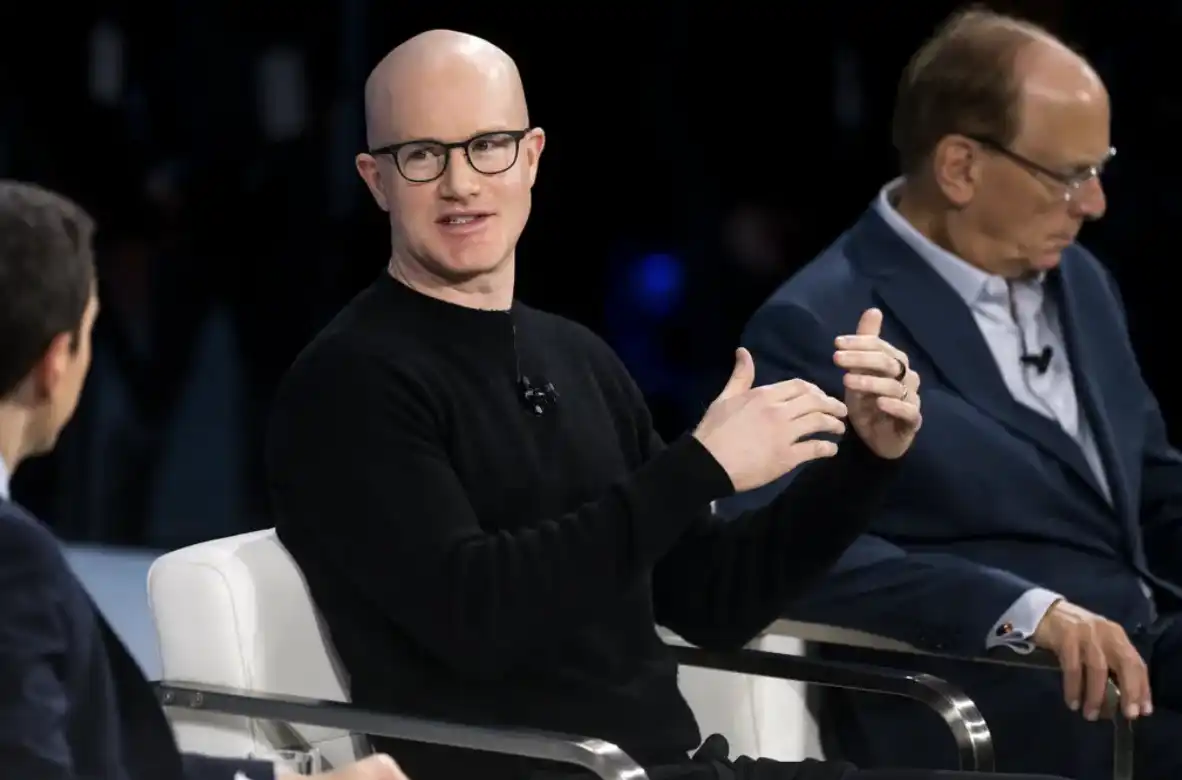
After months of negotiations, a significant cryptocurrency bill was originally scheduled to enter a committee vote in the Senate on Thursday, a crucial step in the legislative process.

But then, the top executive of the largest U.S. crypto company spoke out on social media. Coinbase CEO Brian Armstrong wrote on X on Wednesday evening: "Unfortunately, Coinbase cannot support the bill in its current text. This version would be significantly worse than the current regulatory state. We would rather have no bill than a bad bill."

Hours later, the Senate vote was canceled.

Typically, the outcome of a controversial legislative vote depends on a few key moderate lawmakers caught in partisan tug-of-war. But the shift in this milestone crypto bill this week highlights the immense influence Coinbase now wields in Washington—especially as the crypto industry's status rapidly rises under President Trump's administration.

Over the past few months, congressional staff have been advancing the drafting of the Clarity Act. This nearly 300-page bill aims to establish a regulatory framework for almost all key aspects of the crypto industry, with many rules shaped by industry participation and advocacy. However, at the last minute, Armstrong objected to a proposed wording, arguing that it could risk banning one of Coinbase's products; he also stated that the bill would grant excessive power to the U.S.'s top financial regulator, the Securities and Exchange Commission (SEC).

Coinbase's decisive move is backed by years of the company building political influence in Washington. As a publicly traded company with a market cap nearing $70 billion, Coinbase funds a network of political action committees (PACs) that have invested over $130 million in the 2024 congressional elections to support the election of more pro-crypto lawmakers.

This wave of intensive political spending sends an unmistakable message to Congress: anyone who opposes the crypto industry could become a target.

Now, leading companies in the industry have enough leverage to push for their interests. Todd Phillips, a financial expert at Georgia State University, said: "Coinbase played this move very well." A Coinbase spokesperson declined to comment.

Founded in 2012, Coinbase provides users with a platform to buy, sell, and store cryptocurrencies like Bitcoin and Ethereum. Anyone can log into its app and complete a purchase with a few clicks.

But not long ago, the company faced a much tougher environment in Washington. In 2023, the SEC sued Coinbase, accusing it of operating as an "unregistered exchange," part of the Biden administration's broader crackdown on the crypto industry. Armstrong, as a co-founder of Coinbase, criticized the SEC at the time for adopting a "regulation by enforcement" approach and called for clearer crypto regulatory rules.

The election of President Trump in 2024 completely changed the landscape. Shortly before taking office, Trump and his sons launched a crypto business, and Trump publicly declared that he would make the U.S. the "crypto capital of the world."

Within weeks of Trump taking office, the SEC dropped lawsuits against Coinbase and other crypto companies. Subsequently, the crypto industry pushed for legislation to codify this regulatory "rollback," preventing future administrations from restarting harsh crackdowns on the industry.
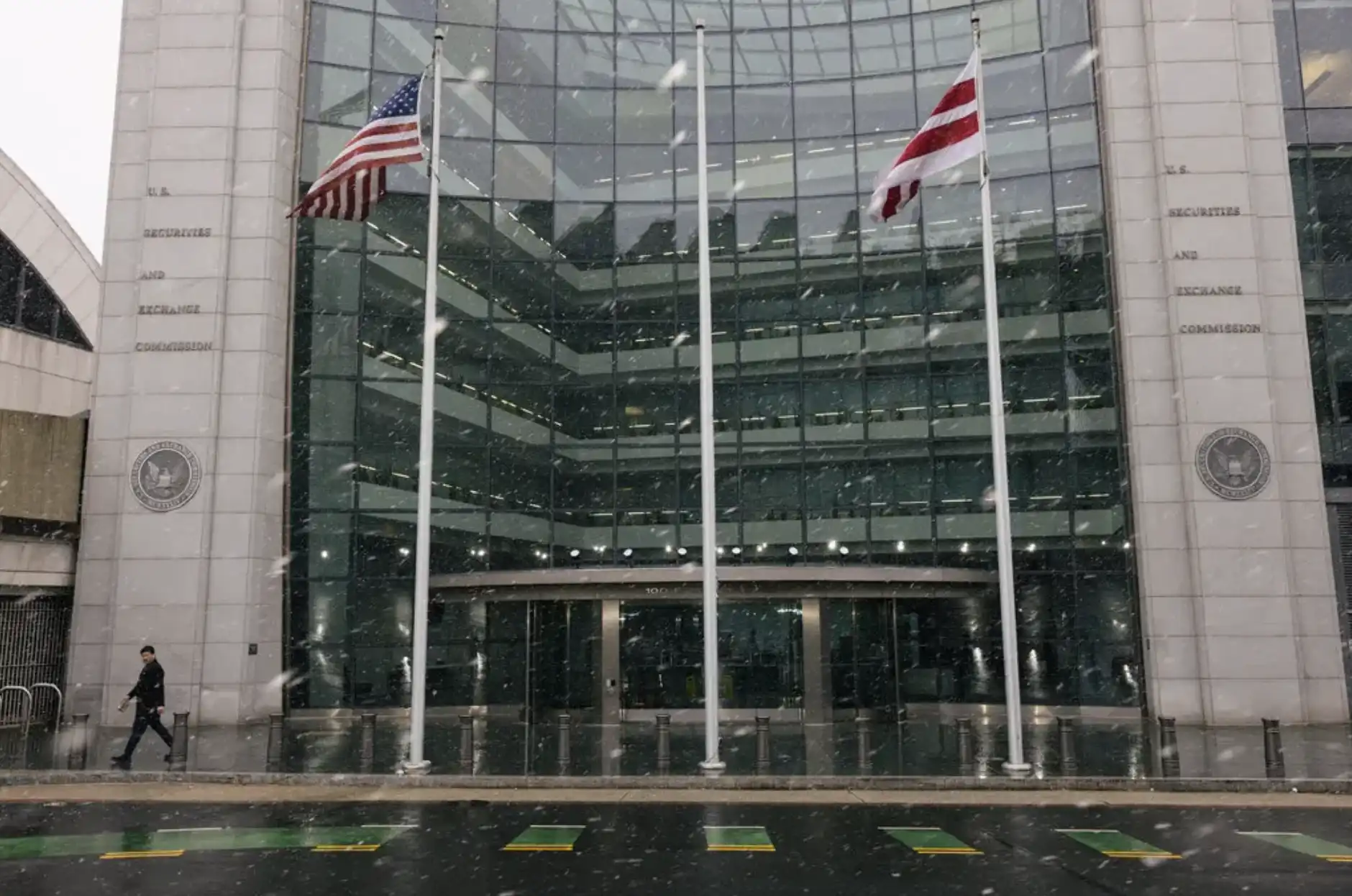
In July of this year, with government support, the House passed its version of the Clarity Act, largely adopting the crypto industry's vision for a new regulatory system. The bill would make it easier for crypto companies like Coinbase to argue that digital currencies are not securities, thus avoiding federal securities regulations designed to protect investors and markets.

But the bill encountered resistance in the Senate. Last fall, Senate Democrats proposed strict regulations for decentralized finance (DeFi), a branch of the crypto领域, sparking strong opposition from the industry.

At the same time, banking lobby groups pushed for provisions in the bill to prohibit crypto trading platforms like Coinbase from paying interest to holders of stablecoins. Stablecoins are a type of digital currency designed to maintain a price of $1. The banking industry argues that such "interest-bearing products" offered by crypto platforms would undermine banking business by competing with traditional deposit accounts.

This issue quickly became a key concern for Coinbase. A ban on interest payments could affect one of its revenue streams. Kara Calvert, Coinbase's head of policy, said: "Offering these incentive programs is crucial for competition."

The latest draft of the Clarity Act in the Senate was released near midnight on Monday. Congressional staff and crypto industry executives immediately intensified their review of the text, aiming to complete it before the scheduled Senate committee meeting on Thursday. This meeting, known as a "markup," is when senators have the opportunity to propose amendments. As the markup approached, while other crypto executives continued to express support for the bill on social media, Armstrong announced he would withdraw his support.

On Wednesday evening, South Carolina Republican Senator Tim Scott, chairman of the Senate Banking Committee, announced that the markup would be postponed, with no new date set yet. In a statement, he said: "All parties continue to communicate in good faith. Our goal is to establish clear 'rules of the road' that protect consumers, strengthen national security, and ensure the future of finance is built in the United States."


Связанные с этим вопросы

QWhy was the vote on the Clarity Act in the Senate postponed?

AThe vote was postponed after Coinbase CEO Brian Armstrong publicly opposed the current version of the bill on social media, stating it would be worse than the current regulatory state and that Coinbase would prefer no bill over a bad one.

QWhat were Coinbase's main objections to the Clarity Act?

ACoinbase objected to a proposed provision that could potentially prohibit one of its products (likely interest payments on stablecoins) and argued that the bill would grant the SEC excessive regulatory power.

QHow has the political landscape for crypto companies like Coinbase changed with the Trump administration?

AThe political landscape shifted significantly. The SEC dropped lawsuits against Coinbase and other crypto companies, and the industry gained substantial influence, moving from being regulated to actively negotiating rules, with the administration pledging to make the U.S. a 'global crypto hub'.

QWhat role did banking lobbyists play in shaping the Clarity Act?

ABanking lobbyists pushed for provisions in the bill to ban crypto trading platforms from paying interest on stablecoin holdings, arguing that these interest-bearing products compete with traditional bank deposit accounts.

QHow has Coinbase built its political influence in Washington?

ACoinbase built its influence over years by funding a network of Political Action Committees (PACs) that spent over $130 million in the 2024 election cycle to support the election of pro-crypto lawmakers, sending a clear message to Congress.

Похожее

Майкл Сэйлор заявил, что стало невозможно принять обновление биткойна, против которого он выступал!

Майкл Сэйлор заявил, что обновление Bitcoin BIP-110 математически не сможет достичь требуемого порога в 55% добровольной поддержки майнеров в текущем цикле сложности. По его данным, из 946 блоков, сгенерированных к моменту блока 960 561, лишь в 24 был зафиксирован сигнал поддержки этого предложения, и все они исходили от майнеров DATUM через пул OCEAN. Сэйлор подчеркнул, что отсутствие сигналов от остальных майнеров означает, что текущий уровень поддержки не отражает консенсуса. BIP-110 предлагает ограничить возможность добавления в блокчейн Bitcoin данных, не связанных с денежными переводами (например, изображений или текста), чтобы предотвратить «засорение» сети. Сэйлор выступает против, считая, что сеть не должна решать, какие транзакции являются «нужными», а правила не могут меняться по воле небольшой группы. Он также утверждает, что высокая статистика поддержки может быть искусственно завышена из-за автоматизированного процесса сигнализации в некотором программном обеспечении.

cryptonews.ru11 мин. назад

Майкл Сэйлор заявил, что стало невозможно принять обновление биткойна, против которого он выступал!

cryptonews.ru11 мин. назад

В рамках стратегии дивидендная доходность STRC сохраняется на уровне 12%, поскольку цена акций остается ниже номинальной стоимости

Исполнительный председатель Strategy Майкл Сэйлор подтвердил, что дивидендная ставка по бессрочным привилегированным акциям STRC сохранится на уровне 12% до августа 2026 года. Механизм «трещотки» повышает ставку на 0,5%, когда цена падает ниже $95, но не может её понизить при восстановлении цены, что призвано поддерживать стоимость акций на уровне номинала в $100. Несмотря на рекордную дивидендную доходность, акции STRC продолжают торговаться со скидкой около 10-11% от номинала, закрывшись 31 июля на отметке $89.46. Конкуренция с продуктами вроде SATA (13% доходность) и волатильность биткоина усложняют задачу. Устойчивый дисконт вынудил Strategy приостановить выпуск новых акций STRC, ограничив один из каналов финансирования закупок биткоина. Аналитики и юристы высказывают опасения по поводу долгосрочных рисков структуры «трещотки» и способности компании поддерживать выплаты при падении цены биткоина. Strategy создала финансовые резервы, покрывающие около 26 месяцев обязательств, и утвердила программу выкупа акций и монетизации биткоинов для управления рисками.

cryptonews.ru13 мин. назад

В рамках стратегии дивидендная доходность STRC сохраняется на уровне 12%, поскольку цена акций остается ниже номинальной стоимости

cryptonews.ru13 мин. назад

Аналитик: В августе курс биткоина упадет до 60 тыс. долларов, а затем восстановится до 70 тыс. долларов

Аналитик Андрей Порошин (Bitbanker) прогнозирует динамику биткоина на август. Он ожидает, что криптовалютный рынок переживёт спад из-за отсутствия макроэкономических стимулов. Решение ФРС США сохранить процентные ставки не дало рынку чётких сигналов, оставив инвесторов в состоянии осторожности. По базовому сценарию, биткоин в августе может упасть до уровня $60 000 – $62 000, после чего восстановится до $70 000. Этот уровень всё ещё ниже себестоимости майнинга в США, что вынуждает некоторых майнеров переходить в бизнес ИИ-центров обработки данных. В качестве положительного катализатора аналитик отмечает уход со рынка слабых игроков, например, сворачивание деятельности BitMEX, что традиционно снижает краткосрочное давление на цену. Геополитические факторы (эскалация конфликта Иран-США) и неопределённость вокруг закона CLARITY, по его мнению, не окажут существенного влияния на рынок в августе. Более активные ценовые колебания Порошин ожидает в сентябре в связи с новыми решениями ФРС и возможным движением по закону CLARITY Act.

cryptonews.ru13 мин. назад

Аналитик: В августе курс биткоина упадет до 60 тыс. долларов, а затем восстановится до 70 тыс. долларов

cryptonews.ru13 мин. назад

В результате взлома Coldcard, одного из крупнейших взломов биткоин-кошельков за последнее время, началась новая волна убытков! Убытки растут

В результате взлома Coldcard, одного из крупнейших взломов биткоин-кошельков за последнее время, произошла третья волна атак. Исследовательская компания Galaxy Research сообщает, что из кошельков, созданных на этих устройствах, было выведено еще 207,73 BTC. Общие потери теперь составляют около 1367 BTC (примерно 88,6 млн долларов США) по 4585 адресам. Первые две волны атак демонстрировали схожие черты, что указывало на одного злоумышленника. Однако третья волна отличается по методам: используются отдельные адреса для каждой жертвы, адреса P2WSH вместо P2WPKH, и атака нацелена на стандартный путь генерации. Это может означать либо модификацию инструментов первоначальным взломщиком, либо появление нового. Похищенные биткоины, общая стоимость которых оценивается в 88,6 млн долларов, пока не были потрачены злоумышленниками. Анализ показывает, что потери в основном пришлись на кошельки с небольшим балансом, что характерно для индивидуальных пользователей, а не институциональных сервисов. Уязвимое ПО Coldcard было выпущено 17 марта 2021 года, и все украденные средства были созданы после этой даты.

cryptonews.ru1 ч. назад

В результате взлома Coldcard, одного из крупнейших взломов биткоин-кошельков за последнее время, началась новая волна убытков! Убытки растут

cryptonews.ru1 ч. назад

Trump Media продаёт ещё 2628 BTC, запасы снижаются до 4261 BTC

Компания Trump Media & Technology Group (TMTG), стоящая за социальной сетью Truth Social, продолжает сокращать свои вложения в Bitcoin. По данным аналитической платформы Lookonchain, компания продала ещё 2628 BTC на сумму около 165 миллионов долларов через платформу Crypto.com. Это продолжение серии продаж, начавшихся семь месяцев назад. Всего за этот период TMTG продала 7281 BTC на общую сумму примерно 545 миллионов долларов по средней цене 74 855 долларов за монету. Первоначально компания приобрела 11542 BTC по средней цене 118 522 доллара. После последних транзакций её резервы сократились до 4261 BTC (около 269,8 миллиона долларов), что на 63% меньше изначальных холдингов. Эти продажи происходят на фоне усиленного внимания законодателей к криптовалютным интересам, связанным с Дональдом Трампом. В Конгрессе идут дебаты по закону CLARITY Act, который касается этических норм, владения цифровыми активами и потенциальных конфликтов интересов государственных лиц. Критики указывают на такие проекты, как мемкойны TRUMP и MELANIA, а также на токены World Liberty Financial, связывая политическое влияние с частными криптоинтересами.

cointelegraph1 ч. назад

Trump Media продаёт ещё 2628 BTC, запасы снижаются до 4261 BTC

cointelegraph1 ч. назад

Торговля

Спот
活动图片