Автор: David, Deep Tide TechFlow
За два дня два децентрализованных социальных протокола сменили владельцев.
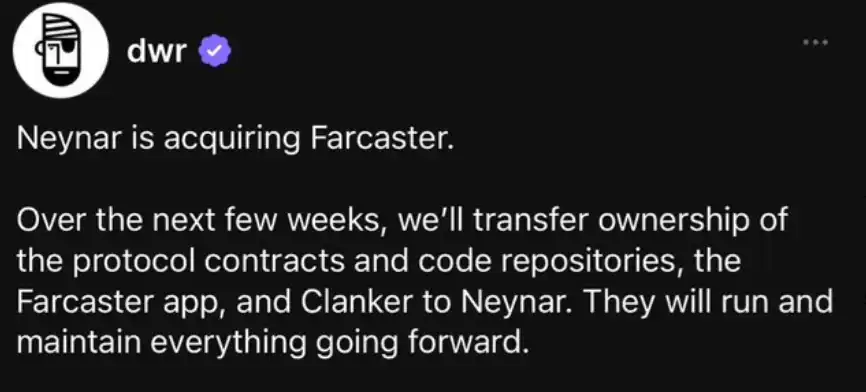
20 января Lens Protocol объявил о передаче управления Mask Network. 21 января Farcaster объявил о приобретении одним из его клиентов, Neynar.
Эти два протокола вместе привлекли более 200 миллионов долларов. В прошлом году оценка Farcaster составляла 1 миллиард, инвесторы включали a16z и Paradigm. За Lens стоит DeFi-гигант Aave.
Теперь основатели «ушли от повседневной работы, чтобы заняться новыми проектами».
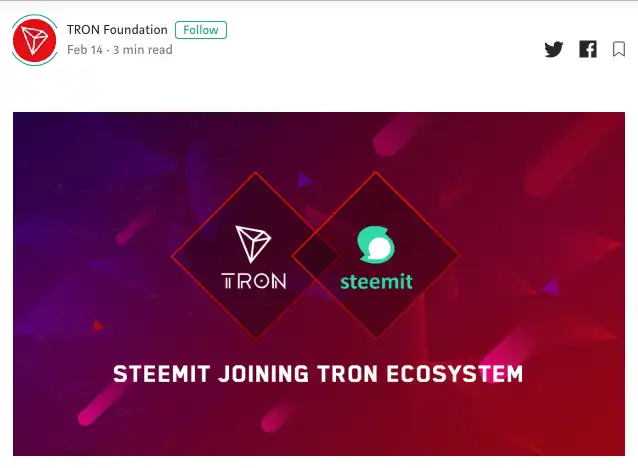
Если добавить к этому еще один известный проект Steem, приобретенный Tron в 2020 году, то из трех знаковых децентрализованных социальных протоколов два уже перешли в руки китайских команд.
Возможно, вы забыли про Steem — это был пионер «майнинга через письмо», запущенный в 2016 году, на пике он был эталонным проектом во всей нише Web3 социальных сетей. После приобретения Сунь Юйчэнем сообщество просто форкнулось и ушло, об этом позже.
Mask Network, которая взяла на себя Lens, основана Суцзи Яном. Китаец, бросил UIUC в 20 лет чтобы начать бизнес, ранее писал статьи для Caixin и Jiemian.
В 2017 году основал Mask, занимался наложением функций Web3 на такие традиционные платформы, как Twitter.
За эти годы Mask постоянно поглощала: в 2022 году приобрела два крупных японских экземпляра Mastodon, в прошлом году купила самый активный клиент Lens, Orb, а теперь взяла на себя и сам Lens.
Сунцзи Янь позиционирует себя как «Tencent Web3».
Что касается Farcaster, то два основателя Neynar, которые его приобрели, имеют индийское происхождение, оба бывшие сотрудники Coinbase. Но тот факт, что два из трех протоколов перешли к китайцам, остается верным.
Почему китайцы?
Одно из возможных объяснений — способности и предрасположенности. Две самые успешные страны в создании социальных продуктов — это США и Китай. WeChat, Douyin, Xiaohongshu — китайские команды доказали, что могут сделать социальные сети с миллиардом пользователей.
Но у этого объяснения есть проблема. Создание продукта и приобретение протокола — это не одно и то же. Протокол — это инфраструктура, он не взаимодействует напрямую с пользователем. Вы можете создавать на нем продукты, но сам протокол не создает пользовательский опыт.
Другое разумное объяснение — цена.
Посмотрите на список приобретений брата Суна: в 2018 году купил BitTorrent за 140 миллионов долларов, в 2019 году — Poloniex, в 2020 году — Steemit, в 2022 году приобрел HTX.
У этих активов есть общая черта:
Все они когда-то были辉煌 (великолепны), но шли на спад. BitTorrent был пионером P2P-загрузок, Poloniex была ведущей американской биржей, HTX была одной из трех крупнейших бирж Китая.
Сунь Юйчэнь покупал не самое лучшее, а самое дешевое из хорошего.
Сейчас оценка Farcaster составляет 1 миллиард, но месячный доход упал до 10 тысяч долларов, снизившись более чем на 95% в годовом исчислении. Основатель Дэн Ромеро в прошлом месяце написал в посте, признав: «4,5 года пробовали подход с приоритетом социальных функций — не получилось»;
У Lens только 50 тысяч активных пользователей в месяц, команда Aave хочет избавиться от него, чтобы сосредоточиться на основном бизнесе DeFi.
Самое ценное время для этих протоколов прошло, но техническая основа и бренд остались. Говоря языком акций категории A, это называется:
Переоцененные активы (упали в цене, но имеют стоимость).
Есть еще одно более тонкое соображение: децентрализованные социальные сети на Западе — это вера, а в Китае — бизнес.
Западные основатели, работающие в этой нише, в некоторой степени руководствуются идеализмом. Пользователи должны владеть своими данными, социальный граф должен быть переносимым, платформа не должна иметь права цензуры... Слоган Farcaster — «able decentralized» (способный к децентрализации), Lens — «user-owned social» (социальные сети, принадлежащие пользователю).
Но за пять лет пользователям оказалось все равно.
Обычным людям не важно, кому принадлежат данные, не важно, можно ли перенести социальный граф. Им важно, есть ли с кем пообщаться, есть ли интересный контент, есть ли связанные активы, которые могут резко вырасти.
Приобретение китайскими покупателями в некоторой степени означает передачу этого бизнеса из рук идеалистов в руки прагматиков.
Сунцзи Янь говорит, что Mask хочет «перевести децентрализованные социальные сети из лаборатории в повседневную жизнь». Переведем:
Хватит говорить об идеалах, сначала нужно, чтобы люди захотели этим пользоваться.
Конечно, в прошлый раз, когда китайцы приобретали децентрализованный социальный протокол, конец был не очень красивым.
В 2020 году Сунь Юйчэнь купил Steem. После завершения сделки он совместно с биржами получил контроль над сетевым управлением Steem, но реакция оригинального сообщества была коллективным форком новой цепи Hive, которая кодом исключила кошелек Сунь Юйчэня.
Форк в мире блокчейна — это крайняя форма протеста: мы с тобой больше не играем, мы копируем и уходим сами.
Steemit до сих пор работает, но большинство активных пользователей уже давно перебрались на Hive.
Итак, вопрос: на этот раз будет по-другому?
Официальная формулировка передачи Lens под управление Mask — «stewardship», по-китайски 管家 (управляющий, попечитель), а не слово «приобретение». Основатели продолжат работать советниками, протокол останется открытым.
Но сам факт, что «децентрализованный протокол» может быть приобретен, уже кое о чем говорит. Контракты можно передать, кодовая база может быть передана, приложение можно передать. Так где же «децентрализация»?
После развенчания иллюзий, децентрализация — это всего лишь техническая архитектура, а не бизнес-модель. Техническая децентрализация не мешает тому, чтобы в бизнесе был тот, кто принимает решения.
После смены руководства в Lens Виталик Бутерин опубликовал пост. Он сказал, что в 2026 году каждое его сообщение публиковалось через Firefly, который как раз является кроссплатформенным клиентом Mask Network.
Он также сказал: «Если мы хотим лучшее общество, нам нужны лучшие инструменты массовой коммуникации.»
Это верно. Но кто будет строить этот инструмент, кто будет им управлять, кто будет решать, как он будет выглядеть — децентрализация не дает ответов на эти вопросы.
Сейчас ответ, возможно, заключается в том, что строить будут китайцы.
Хотя, возможно, ничего и не произойдет. Ведь активных пользователей уже не так много.