Массовое производство миллионеров с капиталом в десятки миллионов долларов – зачем ждать выхода компании на биржу?
Журнал Wall Street Journal обнародовал ряд впечатляющих данных. В октябре прошлого года более 600 нынешних и бывших сотрудников OpenAI продали свои акции на общую сумму в 6,6 миллиарда долларов, при этом около 75 человек получили по 30 миллионов долларов каждый.
Это означает, что ещё до выхода OpenAI на биржу ряд руководителей и рядовых сотрудников уже получили финансовые выгоды от бума в сфере ИИ.
Это также одно из самых заметных изменений в индустрии ИИ в настоящее время. Раньше сотрудники стартапов обычно могли реализовать свои акции только после IPO. Но сейчас ведущие компании в сфере ИИ значительно ускорили процесс высвобождения богатства.
OpenAI является самым ярким примером. DeepSeek навёрстывает упущенное в вопросах внешней оценки и акционерных стимулов. Такие компании, как Anthropic, Cerebras, Character.AI, показывают, что финансирование, предложения о покупке, сделки на вторичном рынке, лицензирование технологий и переход команд... пути создания богатства в сфере ИИ становятся всё разнообразнее.
Для компаний в сфере ИИ это новое оружие для привлечения лучших талантов. Для специалистов в области ИИ технические навыки больше не просто гарантируют высокую зарплату и опционы, но и с большей вероятностью могут превратиться в реальный доход ещё до выхода компании на биржу.
1
Давайте сначала посмотрим на «миф о богатстве» от OpenAI.
То, что руководители OpenAI много зарабатывают, уже стало достоянием гласности благодаря недавним судебным баталиям.
Недавно началось судебное разбирательство по иску Маска против OpenAI, Олтмана и других.
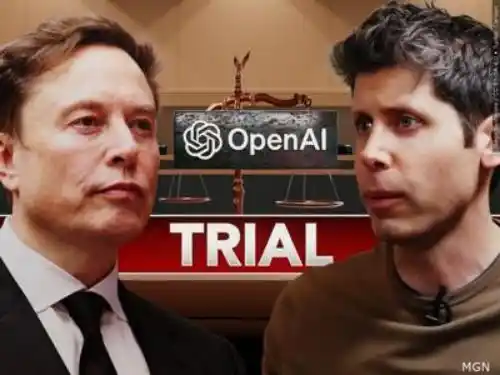
Президент Брокман, давая показания в суде, заявил, что стоимость принадлежащих ему акций составляет около 30 миллиардов долларов. В то же время бывший главный научный сотрудник Суцкевер в ходе судебного процесса по иску Маска против OpenAI раскрыл, что стоимость его акций OpenAI составляет около 7 миллиардов долларов.
Генеральный директор Сэм Олтман (Sam Altman) заявил, что не владеет акциями компании, ссылаясь на её некоммерческий статус, однако некоторые инвесторы прогнозируют, что если реструктуризация OpenAI в коммерческую организацию в итоге пройдёт успешно, Олтман в будущем всё же может получить долю в компании.
Многие рядовые сотрудники также уже реализовали значительные состояния.
По данным Wall Street Journal, в октябре прошлого года OpenAI организовала крупномасштабную продажу акций сотрудниками. Более 600 нынешних и бывших сотрудников в один день реализовали принадлежащие им акции на общую сумму около 6,6 миллиарда долларов.
Среди этих сотрудников около 75 человек достигли максимального лимита продаж, установленного компанией, и получили по 30 миллионов долларов каждый.
Некоторые сотрудники перевели оставшиеся акции в фонды, управляемые по рекомендациям доноров (donor-advised funds), для поддержки общественно полезных целей и получения налоговых льгот в текущем году.
Эта продажа стала одним из крупнейших событий по реализации акций сотрудниками в индустрии ИИ на сегодняшний день.
Эта сделка также знаменует собой первый случай с момента запуска ChatGPT, когда OpenAI разрешила новым сотрудникам продавать свои акции.
Это явное изменение – OpenAI становится всё более щедрой в вопросе реализации акций сотрудниками.
Ранее в компании действовало правило, согласно которому сотрудники должны были проработать не менее двух лет, прежде чем смогут продать свои акции, поэтому многие технические специалисты, присоединившиеся к компании, не могли этого сделать.
По сравнению с первым распределением акций семь лет назад, стоимость акций ранних сотрудников выросла более чем в 100 раз, что значительно превышает рост благосостояния в традиционных технологических компаниях, где за тот же период индекс Nasdaq вырос примерно в три раза.
Система акционерного стимулирования OpenAI сама претерпела корректировки.
Ранее лимит продаж для каждого сотрудника составлял 10 миллионов долларов, а осенью 2025 года он был повышен до 30 миллионов долларов в ответ на запросы инвесторов и сотрудников.
Такая система отвечает потребностям внешних инвесторов в покупке акций и предоставляет сотрудникам канал для монетизации их бумажного богатства. Исторические данные показывают, что если бы ранние сотрудники могли продать акции только после IPO, рост их благосостояния мог бы пострадать из-за рыночных колебаний. Механизм досрочной реализации OpenAI эффективно смягчает этот риск.
Заработная плата и акционерные стимулы являются важным инструментом OpenAI для привлечения и удержания лучших талантов.
Годовая зарплата на некоторых технических должностях в OpenAI может достигать 500 тысяч долларов плюс бонусы в виде акций и единовременные премии, некоторые из которых могут достигать миллионов долларов. Такая комбинация обеспечивает сотрудникам значительную экономическую отдачу, одновременно повышая стабильность ключевых должностей и поддерживая быстрый прогресс компании в разработке технологий и итерации продуктов.
В прошлом году Meta предложила своим ведущим специалистам в области ИИ компенсационный пакет стоимостью до 300 миллионов долларов. Конкуренция за высококвалифицированные кадры в индустрии ИИ и уровень компенсаций в целом выше, чем в традиционных технологических компаниях.
ИИ массово производит новых миллионеров в Сан-Франциско, даже настолько, что это стимулирует давно стагнирующий рынок недвижимости города.

Некоторые дома продаются по ценам, значительно превышающим запрашиваемые, из-за большого количества конкурирующих покупателей. Например, дом с запрашиваемой ценой в 1,6 миллиона долларов был продан за 2 миллиона. По данным сайта Apartment List, в феврале арендная плата в Сан-Франциско выросла на 14% в годовом выражении, что является самым высоким показателем в США.
2
Вся эта информация – будь то огромные состояния руководителей или высокая зарплата, большие бонусы и всё более «щедрые» схемы владения акциями рядовых сотрудников – имеет для OpenAI одно очевидное преимущество: это неизбежно создаст новую привлекательность для талантов.
Эта привлекательность не сводится только к «более высокой зарплате». Что более важно, она показывает сотрудникам реальный путь к обналичиванию. Присоединиться к ведущей компании в сфере ИИ, получить опционы или акции, дождаться роста оценки компании, а затем реализовать своё богатство через предложения о покупке, сделки на вторичном рынке или будущее IPO.
Именно поэтому недавние слухи о финансировании DeepSeek заслуживают внимания.
Согласно Reuters, DeepSeek готовится к первому внешнему финансированию, целевая оценка может составить 50 миллиардов долларов, а объём финансирования – около 3-4 миллиардов долларов. Менее месяца назад в слухах оценка DeepSeek составляла всего 10 миллиардов долларов.
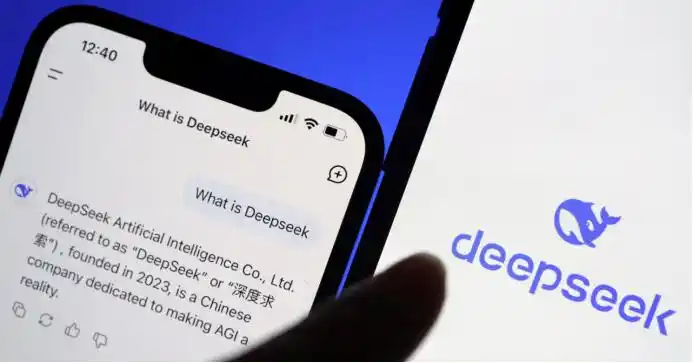
На первый взгляд, это китайская звездная компания в сфере ИИ получает признание капитала. Но в свете примера OpenAI у этого события есть и другой смысл: DeepSeek нужны не только деньги, но и цена, признанная внешним рынком.
DeepSeek в прошлом не была типичной компанией, движимой венчурным капиталом. Её финансирование в основном поступало от основателя Лян Вэньфэна (Liang Wenfeng) и стоящего за ним фонда количественных инвестиций Huan Fang.
Именно поэтому она долгое время могла сохранять имидж «исследовательской команды»: скромная, ориентированная на технологии, подчёркивающая эффективность моделей. Но когда компания действительно входит в арену глобальной конкуренции в сфере ИИ, ей трудно долго поддерживать организацию только за счёт технического престижа. Моделям нужны вычислительные мощности, продуктам – коммерциализация, а команде – долгосрочные стимулы.
Первая роль финансирования – это оценка компании. Как только оценка сформирована, опционы и акции сотрудников получают цену, которую можно обсуждать. В противном случае так называемое акционерное стимулирование больше похоже на долгосрочное обещание: теоретически ценное, но сотрудники не знают, сколько оно на самом деле стоит и когда может быть реализовано.
То, что сотрудники OpenAI смогли осуществить крупномасштабную продажу до IPO, стало возможным благодаря тому, что компания прошла несколько раундов финансирования и предложений о покупке, сформировав систему ценообразования, приемлемую для инвесторов.
Если DeepSeek хочет долго удерживать ключевых сотрудников в борьбе за таланты в Китае, ей также необходимо восполнить этот пробел.
Это особенно важно для DeepSeek. В отчёте Reuters говорится, что средства от этого раунда финансирования будут использованы для укрепления вычислительной инфраструктуры и улучшения социального пакета сотрудников.
В отчёте также упоминается, что DeepSeek сталкивается с конкуренцией за таланты и капитал со стороны китайских компаний в сфере ИИ, таких как ByteDance, Alibaba, а также MiniMax и Moonshot AI, и уже были случаи оттока кадров, например, переход Ло Фули (Luo Fuli) в Xiaomi.
Сможет ли DeepSeek предложить ключевым талантам достаточно убедительную долгосрочную отдачу в отрасли, где стандарты зарплат уже подняты такими компаниями, как OpenAI, Anthropic и Meta, – это новая задача, стоящая перед ней.
3
Реализация акций сотрудниками OpenAI показывает, что ведущие компании в сфере ИИ уже могут создавать массовое богатство до выхода на биржу. Стремление DeepSeek к внешнему финансированию показывает, что последователи также навёрстывают упущенное в оценке, акционерном стимулировании и инвестициях в вычислительные мощности.
Этот бум создания богатства в сфере ИИ не ограничивается только путём «ждать IPO компании».
Раньше самым стандартным выходом для благосостояния стартапов было IPO, но сейчас деньги циркулируют по более сложным путям.
Сотрудники могут досрочно продавать акции на вторичном рынке, стартапы могут выходить через слияния и поглощения, а компании по производству чипов и инфраструктуры также могут воспользоваться бумом ИИ для выхода на открытый рынок.
Наиболее прямым выходом по-прежнему остается IPO. Помимо OpenAI, Anthropic также является образцом компании-разработчика моделей.
В настоящее время считается, что Anthropic может выйти на биржу уже в 2026 году. Её особенность в том, что она, в отличие от DeepSeek, ещё находящейся на этапе первого внешнего финансирования, и в отличие от OpenAI с её сложными спорами о переходе от некоммерческого к коммерческому статусу, имеет Claude, корпоративных клиентов и поддержку облачных провайдеров, таких как Google и Amazon.
Другой тип примера IPO – это стартап по производству чипов Cerebras.
По данным Reuters, из-за высокого спроса инвесторов Cerebras планирует повысить ценовой диапазон IPO с 115-125 долларов за акцию до 150-160 долларов, а количество выпускаемых акций увеличить с 28 миллионов до 30 миллионов.
По максимальной цене объём привлечения средств составит около 4,8 миллиарда долларов; эта сделка получила более чем 20-кратное превышение спроса, и компания планирует выйти на Nasdaq под тикером CBRS. В отчёте также говорится, что это может стать крупнейшим IPO в мире в 2026 году.
Бум ИИ не только делает команды разработчиков моделей дороже, но и превращает чипы, вычислительные мощности и центры обработки данных в новые точки выхода для богатства.
Слияния и поглощения – это другой путь.
В июне 2023 года Databricks объявила о приобретении платформы генеративного ИИ MosaicML примерно за 1,3 миллиарда долларов. Сумма сделки включала пакеты стимулирования для удержания сотрудников. MosaicML в то время специализировалась на помощи предприятиям в обучении и развёртывании собственных моделей генеративного ИИ. Приобретение её Databricks по сути означало прямую покупку платформы обучения моделей, команды и возможностей в области корпоративного ИИ.
А в MosaicML на тот момент было всего около 62 сотрудников. Поэтому СМИ описали дороговизну этой сделки как «примерно 21 миллион долларов на сотрудника».
Слияния и поглощения также больше не сводятся к «полному поглощению какой-либо компании».
Character.AI – это более типичный новый пример.
В 2024 году Google заключила с Character.AI сделку на сумму около 2,7 миллиарда долларов по лицензированию технологий, получив лицензию на её модели, и одновременно наняла соучредителей Ноама Шазера (Noam Shazeer), Даниэля де Фрейтаса (Daniel De Freitas) и некоторых ключевых членов исследовательской команды в Google DeepMind.
Позже Financial Times сообщила, что после этой сделки Character.AI отказалась от продолжения обучения передовых больших моделей, переориентировавшись на усиление потребительского продукта в виде чат-бота.
Кроме того, компания использовала эти средства для выкупа акций инвесторов и передала право собственности на компанию сотрудникам, которые также получили единовременную денежную компенсацию. Около 30 сотрудников присоединились к Google, около 100 человек остались в Character.AI.
То есть в этом случае Google не полностью приобрела Character.AI, но через высокие лицензионные платежи получила технологии и самые востребованные кадры; первоначальная компания продолжает существовать, а инвесторы и сотрудники также досрочно получили ликвидность.
Компанию не обязательно покупают целиком, но технологии, команда и права на будущие доходы уже переоценены крупными игроками.
Это также отличие этого бума в сфере ИИ от многих предыдущих технологических циклов: богатство больше не высвобождается концентрированно только в момент IPO и не принадлежит только основателям и инвесторам.
Люди, стоящие за моделями, данными, вычислительными мощностями, продуктами и инфраструктурой, получают более ранние и сложные возможности для реализации через вторичный рынок, лицензирование технологий, переход команд, слияния и поглощения и IPO.
Для компаний в сфере ИИ это новое оружие для привлечения талантов; для специалистов в области ИИ это означает, что им не обязательно ждать IPO, чтобы раньше превратить технические навыки в реальный доход.
Эта статья взята с официального аккаунта WeChat «字母榜» (ID:wujicaijing), автор: Сяо Цзинья







