# Сопутствующие статьи по теме Exploitation

Новостной центр HTX предлагает последние статьи и углубленный анализ по "Exploitation", охватывающие рыночные тренды, новости проектов, развитие технологий и политику регулирования в криптоиндустрии.

The Small-Town Youth Labeling AI Giants

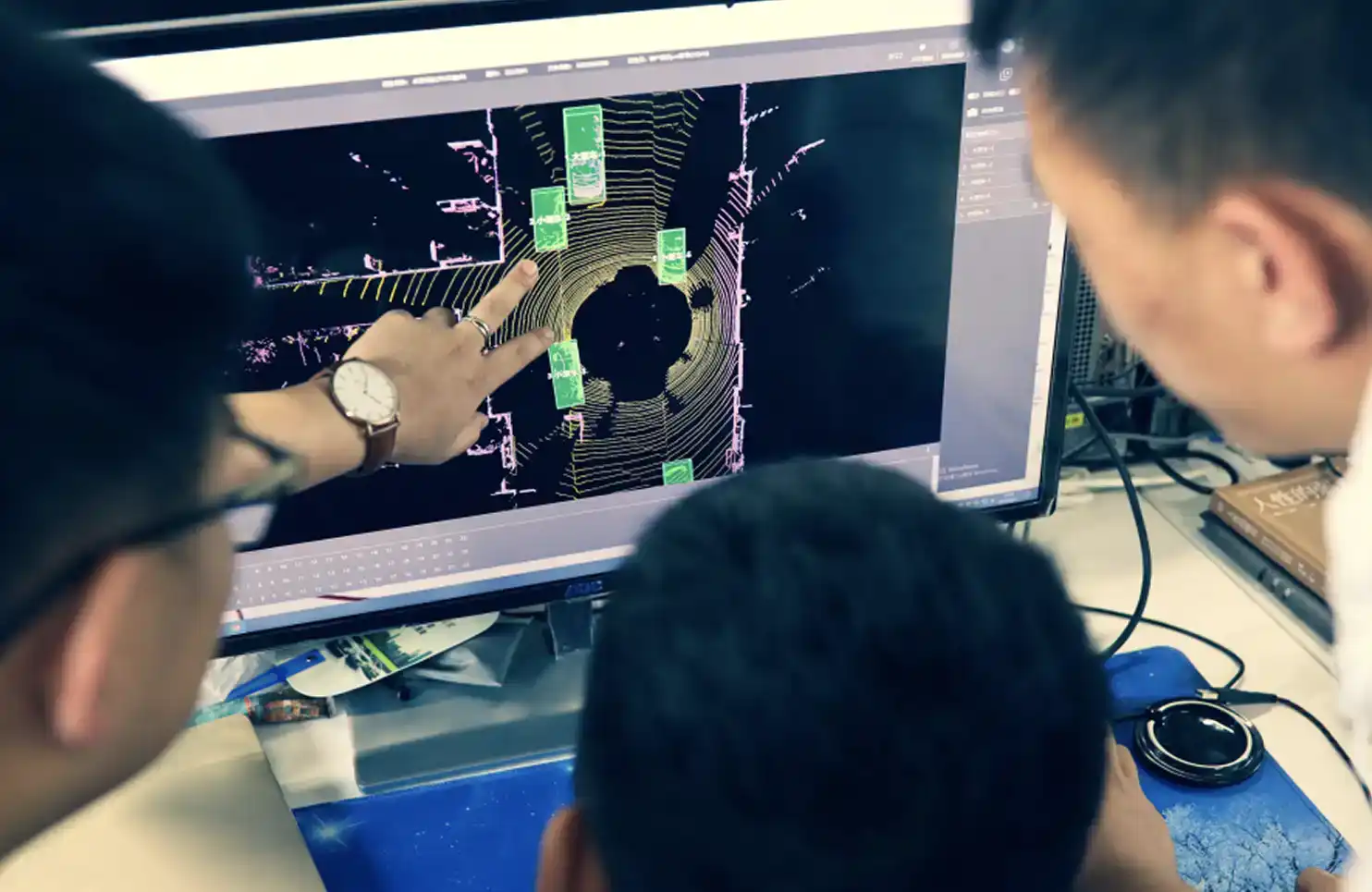
In China's hinterland cities like Datong, Shanxi, thousands of young people are working as data annotators—the invisible workforce behind AI development. They perform repetitive tasks like drawing bounding boxes on images or rating AI-generated responses, earning piece-rate wages as low as a few cents per task. These workers, mostly from rural areas or small towns, endure intense labor conditions: strict monitoring, high error tolerance thresholds, and mental exhaustion. Despite the cognitive nature of their work, they are often paid meager salaries, with some earning as little as ¥30 ($4) for a day’s work. As AI industry evolves, even highly educated workers—including master’s graduates—are being drawn into similar precarious freelance roles, evaluating complex AI outputs under vague and shifting standards. Yet the industry is structured through layers of outsourcing, where most profits flow to tech giants like OpenAI and Microsoft, while annotators see dwindling incomes. Worse, as AI models become more self-sufficient, the demand for human annotators is declining. Companies like Li Auto have slashed annotation costs by using AI-powered tools that complete in hours what used to take humans years. These annotators, who helped train the very systems now replacing them, face an uncertain future—a stark contrast to the booming valuations and optimistic narratives of the global AI industry. No one seems to see a problem with any of this.

marsbit04/07 04:37

The Small-Town Youth Labeling AI Giants

marsbit04/07 04:37

Solana Users Beware: Your SOL Is Being Quietly Harvested in These Ways

A recent article titled "Payment for Order Flow on Solana" has exposed exploitative practices in Solana’s fee market, drawing widespread attention. Similar to traditional finance PFOF models—like Robinhood’s zero-commission trading—Solana applications are leveraging information asymmetry to extract hidden fees from users. Front-end apps and wallets control transaction routing, execution, and fee structures, creating multiple avenues for rent-seeking. These include selling user order flow to market makers, enabling toxic MEV strategies like sandwich attacks, and inflating priority fees and tips. Users—especially retail—are often overcharged due to fear of transaction failure, even when the network isn’t congested. Data shows significant fee disparities: for instance, Axiom users pay median priority fees 200x higher than those paid by high-frequency traders. Much of these excess fees are believed to be captured by the applications themselves, often through kickback arrangements with landing services like Jito. To address these issues, Solana is proposing protocol-level upgrades such as Multiple Concurrent Proposers (MCP) to reduce monopolistic control, Priority Ordering to ensure fair transaction ordering, and a Dynamic Base Fee mechanism to return fee pricing power to the protocol and users. These changes aim to create a more transparent and equitable market structure, essential for Solana’s long-term growth and credibility.

marsbit01/07 06:05

Solana Users Beware: Your SOL Is Being Quietly Harvested in These Ways

marsbit01/07 06:05

活动图片