По мере того как 2025 год подходит к концу, крипторынок вновь окутан знакомым чувством тревоги: макроэкономические ожидания ликвидности колеблются, кривая популярности ончейн-нарративов постепенно выравнивается, а рыночные настроения переходят от летнего подъема к рациональному осмыслению. Колебания активов, которые раньше двигались эмоциями и трендами, уступают место более фундаментальному вопросу — когда краткосрочный шум стихает, какие ценности останутся и действительно смогут пережить циклы?
В этом контексте фокус рыночных дискуссий незаметно сместился с вопроса «вырастет ли цена» к вопросу «как обеспечить устойчивость». Инвесторы и разработчики пытаются понять, где находится структурная опора отрасли на пути к 2026 году. Будет ли это зависеть от пассивного подъема макроэкономической ликвидности или от реального дохода, создаваемого самими протоколами? Следует ли перепозиционироваться в существующей структуре или искать прорыв в новых экологических нишах?
С этой целью SunnPump недавно провел онлайн-круглый стол на тему «2026 год приближается, криптосообщество не сдается», пригласив нескольких глубоко погруженных в отрасль наблюдателей и разработчиков, чтобы вместе сосредоточиться на внутренней логике行情 в конце года, ключевых элементах устойчивости DeFi, а также на месте и роли Tron в следующем этапе. В этой статье回顾要点 обсуждения, с多个 измерений, таких как структура капитала и эволюция экосистемы,试图нарисовать рациональную дорожную карту к 2026 году.
Отступление нарративов, расцвет полезности: цикл 2026 года принадлежит зрелым экосистемам с реальным спросом
В первой теме круглого стола участники проанализировали сущностное различие между «行情 в конце года» и «путем к 2026 году» с точек зрения потоков капитала, рыночной психологии и структурных изменений. Несмотря на различные формулировки, консенсус был ясен: колебания в конце года больше похожи на краткосрочную игру, а путь к 2026 году зависит от способности построить долгосрочную, устойчивую структуру ценности.
JaegerC率先задал тон обсуждению, образно сравнив行情 в конце года с «вдохом» рынка после пережитых колебаний, «балансировкой и зондированием позиций» на交易 уровне. Он считает, что当前рынок переходит от этапа, движимого спекуляциями и нарративами, к новому этапу, движимому реальными денежными потоками и структурой активов. Поэтому, «тестирование» в конце года предназначено для отбора проектов, имеющих право войти в следующую долгосрочную структуру, а ядром 2026 года станет全面перестройка эффективности капитала и логики ценности.
Точка зрения Anna汤圆 была более прямой и острой. Она четко заявила, что行情 в конце года решает краткосрочную проблему «вырастет ли цена», зависящую от эмоций и импульсов; а 2026 год решает проблему выживания «можно ли выжить», зависящую от бизнес-модели, способной стабильно работать без субсидий.
Когда обсуждение сосредоточилось на конкретной экосистеме, Tron стал отличным案例 для наблюдения. Участники единогласно认为, что Tron, благодаря своему абсолютно доминирующему положению в области расчетов стейблкоинами и производной от этого мощной, самодостаточной финансовой экосистемы, уже вступил в зрелую стадию «инфраструктуры цифровых финансов».
甜甜Sweety привела一组убедительных ончейн-данных, предоставив扎实обоснование экосистемного статуса Tron: объем обращения ончейн USDT近80 миллиардов, занимающий половину全球рынка; ежедневные переводы стейблкоинов на сумму 200-240 миллиардов долларов,构建持续работающий канал ценности; общая заблокированная стоимость (TVL) протокола JUST突破10.4 миллиарда долларов, а общий TVL сети Tron接近24 миллиарда долларов,描绘出глубоко осевший капитал и健康активную финансовую картину.
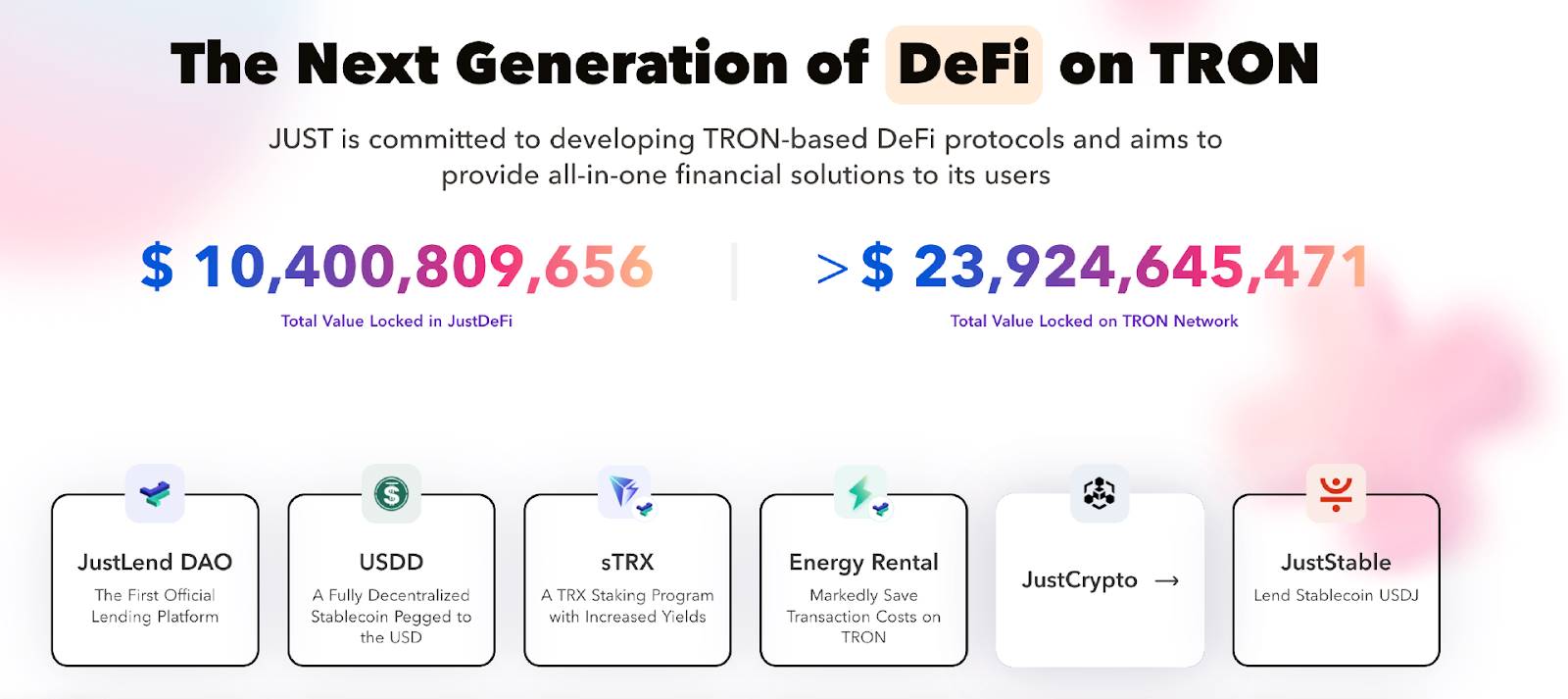
Она подчеркнула, что эти цифры получены не за счет краткосрочных стимулов или спекуляций, а自然движимы реальным спросом на платежи, кредитование и стейкинг в全球масштабе, формируя坚韧且自我усиливающуюся «систему循环ценности». Она定位Tron как «мозг инфраструктуры, несущий ответственность за全球стейблкоины и платежи», чья полная экосистемная матрица и абсолютная глубина в треке стейблкоинов构成难以动摇的壁垒.
Anna汤圆 с最直观的 точки зрения пользовательского опыта усилила это判断. Она сказала, что Tron для нее и многих пользователей уже не является «объектом инвестиций», за ценой которого нужно постоянно следить, а удобным, надежным и дешевым инструментом для переводов, подобным «встроенному приложению-инструменту в телефоне». Эта черта «душевного спокойствия» и «не нуждающаяся в обсуждении» как раз и является признаком зрелой инфраструктуры, что определяет其уникальную стабильность в рыночных колебаниях.
В综上所述, Tron давно перестал быть «конкурентом публичных блокчейнов», которому нужны рыночные нарративы для доказательства ценности, а превратился в关键расчетный слой глобальной экономики, обрабатывающий高频和高стоимостные переводы ценности. Его процветающие DeFi-приложения, низкие交易издержки и极致эффективность переводов共同构成不依赖短期补贴、具备强大内生循环能力的商业系统. Это соответствует核心логике «пути к 2026 году»: построение структуры ценности, способной пережить циклы и自我поддерживаться.
Краеугольный камень, переживающий бычьи и медвежьи рынки: реальные денежные потоки, стабильный спрос и внутренняя устойчивость
Когда话题переключился на «какие проекты DeFi могут真正пережить циклы», обсуждение за круглым столом перешло от наблюдения рыночных явлений к деконструкции сущности проектов. Участники единодушно вышли из зависимости от «высокодоходности», указав на более устойчивую底层логику. Практика и путь развития экосистемы Tron как раз предоставили им конкретное и живое доказательство.
JaegerC系统изложил ключевые элементы переживания циклов: реальные денежные потоки и стабильный внутренний спрос. Он считает, что доход должен происходить от собственных комиссий протокола и спредов, а не от短期спекуляций. Более того, протокол должен обслуживать жесткие потребности экономической активности, такие как кредитование и платежи. 甜甜Sweety придерживалась类似的观点, указав, что проекты, способные пережить циклы, должны быть «уровня инфраструктуры», обладать мощной способностью «自我造血», высокий TVL и устойчивость к рискам должны происходить от реальных денежных потоков комиссий и высокой使用率, а не от субсидий.
Эта логика得到了清晰ное подтверждение в核心протоколах экосистемы Tron. На примере JustLend DAO, его доход протокола
не зависит от单一спреда кредитования, а представляет собой модель реального диверсифицированного дохода. Его основной доход поступает от услуги ликвидного стейкинга, предоставляемой держателям TRX (sTRX), эта часть дохода занимает подавляющее大部分 его общего дохода;同时, доход от процентов с традиционного рынка кредитования构成稳定дополнение.
Особенно关键то, что протокол设计了прямой闭环 обратной связи ценности: чистый доход, генерируемый протоколом,定期используется для обратного выкупа и сжигания его治理токена JST на открытом рынке. Это не только делает JST дефляционным активом, но и тесно связывает успех бизнеса протокола (реальный денежный поток) с долгосрочными интересами держателей токенов (дефляционная поддержка стоимости токена). Поэтому, независимо от рыночных настроений, пока持续существует реальный спрос на стейкинг и кредитование ончейн, протокол не только может генерировать устойчивый денежный поток, но и может捕获и возвращать эту ценность участникам экосистемы через механизм дефляции. Это именно та «высокая устойчивость»特征, о которой говорил JaegerC, движимая реальной экономической активностью, обладающая способностью к внутреннему возврату ценности.
Anna汤圆 с помощью一系列живых метафор通俗化профессиональную логику. Она остро указала, что многие высокодоходные проекты зарабатывают на «деньгах субсидий от команды проекта», как только стимулы прекращаются, люди уходят, и здание пустеет. Настоящие проекты, переживающие циклы, больше похожи на便利店у подъезда или скоростные шоссе — не делают скидки, не спекулируют, но依靠«постоянно有人用», «需求长期存在» и «能被反复使用» для持续генерации дохода. Она подчеркнула, что реальный доход должен исходить от реального использования, а не от усиления стимулов.
Для миллионов пользователей по всему миру использование сети Tron для переводов USDT обусловлено именно实用ценностью «быстро» и «дешево», это高频, жесткая потребность «реального использования»构成最坚实的 основу экосистемы. Долгосрочная привлекательность продуктов DeFi внутри экосистемы, таких как SUN.io, также коренится в этой реальной сетевой полезности и оседании активов, а не во временном усилении субсидий. В ноябре 2025 года доход протокола Tron в этом месяце突破204 миллиона долларов, заняв лидирующее с большим отрывом место в рейтингах доходов крупных публичных блокчейнов. Эти рыночные表现являются прямым результатом его огромного реального оседания активов и持续сетевой полезности, демонстрируя坚实的здоровье и способность捕获ценности его底层экосистемы.
Обобщая точки зрения участников, экосистема DeFi, способная пережить бычьи и медвежьи рынки, должна эволюционировать в органический организм, предоставляющий реальную ценность в цифровой экономике, удовлетворяющий стабильный спрос и обладающий внутренней устойчивостью. Экосистема Tron, сосредоточившись и полностью打通«глобальную эффективную流动ценности» как核心жесткую потребность, уже率先 завершила переход от单一публичного блокчейна к комплексной финансовой инфраструктуре. Она构建了以массивное обращение стейблкоинов (реальный спрос и денежные потоки), высокопропускная способность и низкая стоимость публичного блокчейна (многоразовая инфраструктура)为核心,自然衍生ующее богатые сценарии DeFi, такие как кредитование,交易, стейкинг, органическое целое. В этой системе捕获ценности протокола тесно связано с实用ценностью сети, формируя жизненное тело с мощным внутренним циклом и устойчивостью к циклам. Это не только структурный ответ экосистемы Tron на переживание циклов, но и ясное, сильное参考для отрасли в исследовании путей устойчивого развития.







