$SEA token delayed: OpenSea chooses market timing over a rushed launch

ambcryptoОпубликовано 2026-03-17Обновлено 2026-03-17

Введение

OpenSea has delayed the launch of its $SEA token, citing challenging market conditions across the crypto sector. CEO Devin Finzer emphasized that the token "only launches once," and the company prefers to wait for a more favorable environment rather than rushing the release during a period of weak market sentiment. To maintain user engagement, OpenSea is implementing several interim measures: cutting trading fees to 0% for 60 days, offering fee refunds to eligible users (who must forfeit earned "Treasures" points), and discontinuing its "Waves" rewards system in favor of a clearer timeline from the OpenSea Foundation. The decision reflects the current state of the NFT market, which, despite some recent growth, remains significantly smaller and less liquid than during its 2021 peak. With the broader crypto market also experiencing a slowdown—evidenced by the Fear and Greed Index lingering in the "fear" zone—OpenSea aims to launch $SEA only when both platform and market conditions improve.

In crypto, timing can make or break a project and can decide whether a new launch succeeds or fails. Many in the NFT community expected the 30th of March to be the launch day of OpenSea’s long-awaited $SEA token.

However, OpenSea CEO Devin Finzer has delayed the launch, saying,

Market conditions are challenging across crypto right now, and $SEA only launches once.

The reason behind the $SEA token delay

Elaborating on the issue, Finzer took to X and noted,

@openseafdn is pushing back the timeline. a delay is a delay. i’m not going to dress it up, and i know how it lands.

Instead of rushing the launch during a weak market, OpenSea is taking several steps to keep users engaged.

First, the platform will cut trading fees to 0% for 60 days starting on the 31st of March. This move aims to boost activity and attract users to its mobile app and perpetual Futures platform.

Second, OpenSea is offering fee refunds to users who traded during Rewards Waves 3 to 6. However, users who claim the refund must give up the “Treasures” points they earned.

Third, OpenSea will end the “Waves” rewards system. Instead, the company plans to move away from constant point-farming campaigns and follow a clearer timeline set by the OpenSea Foundation.

OpenSea CMO supports the decision

Standing in support of Finzer, Adam Hollander, CMO of OpenSea, added,

I’ve been a CEO before. the hardest decisions are those which are painful in the short-term and require deep conviction in your vision...there aren’t many CEOs who, when presented with the same situation, would decide to give back millions rebuild trust with their users.

That said, OpenSea’s decision to delay the $SEA token is closely linked to the current state of the NFT market. The industry has matured, but it has also become much smaller and less liquid compared to the 2021 boom.

The NFT market faces weak market sentiment

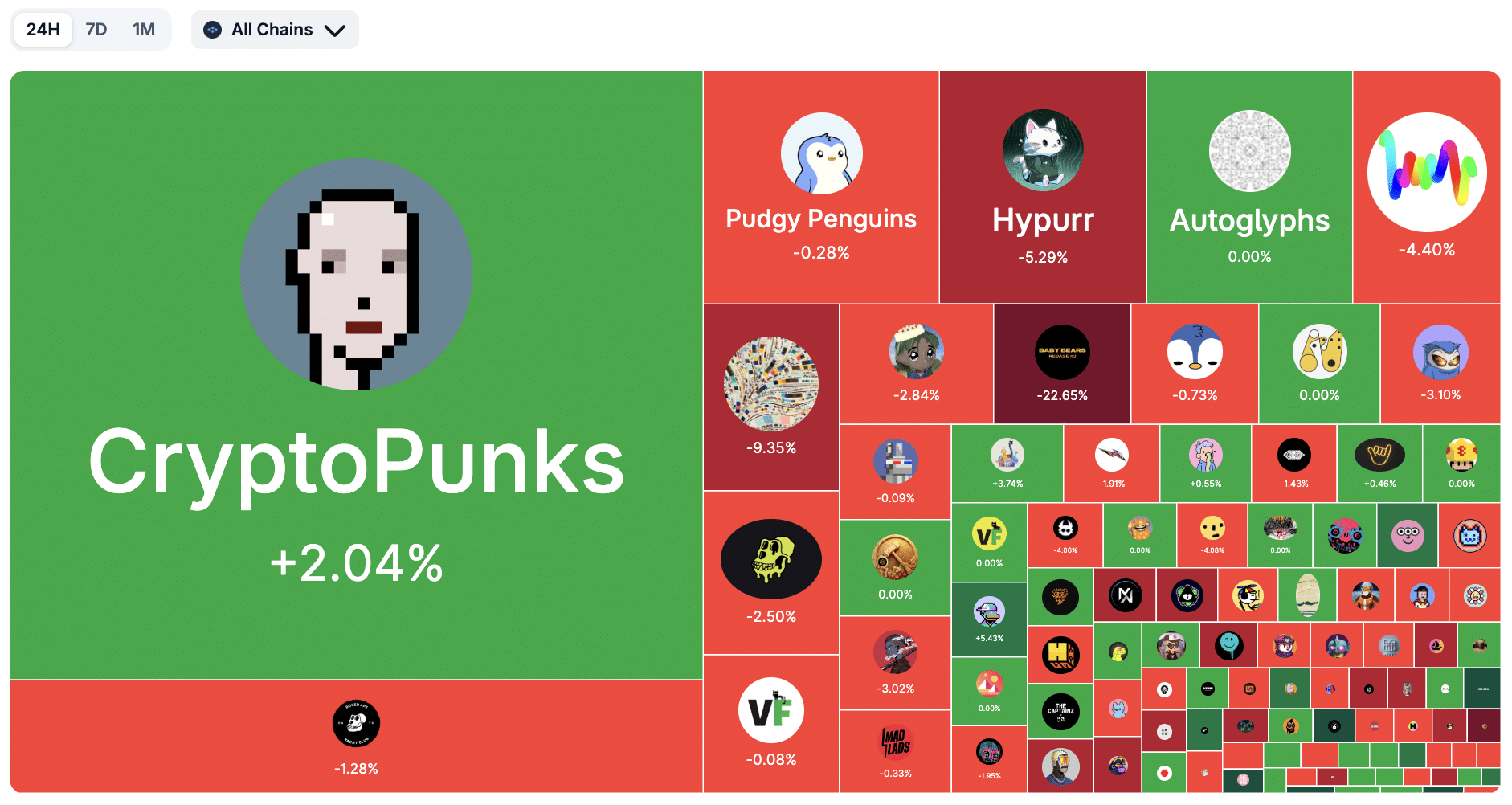
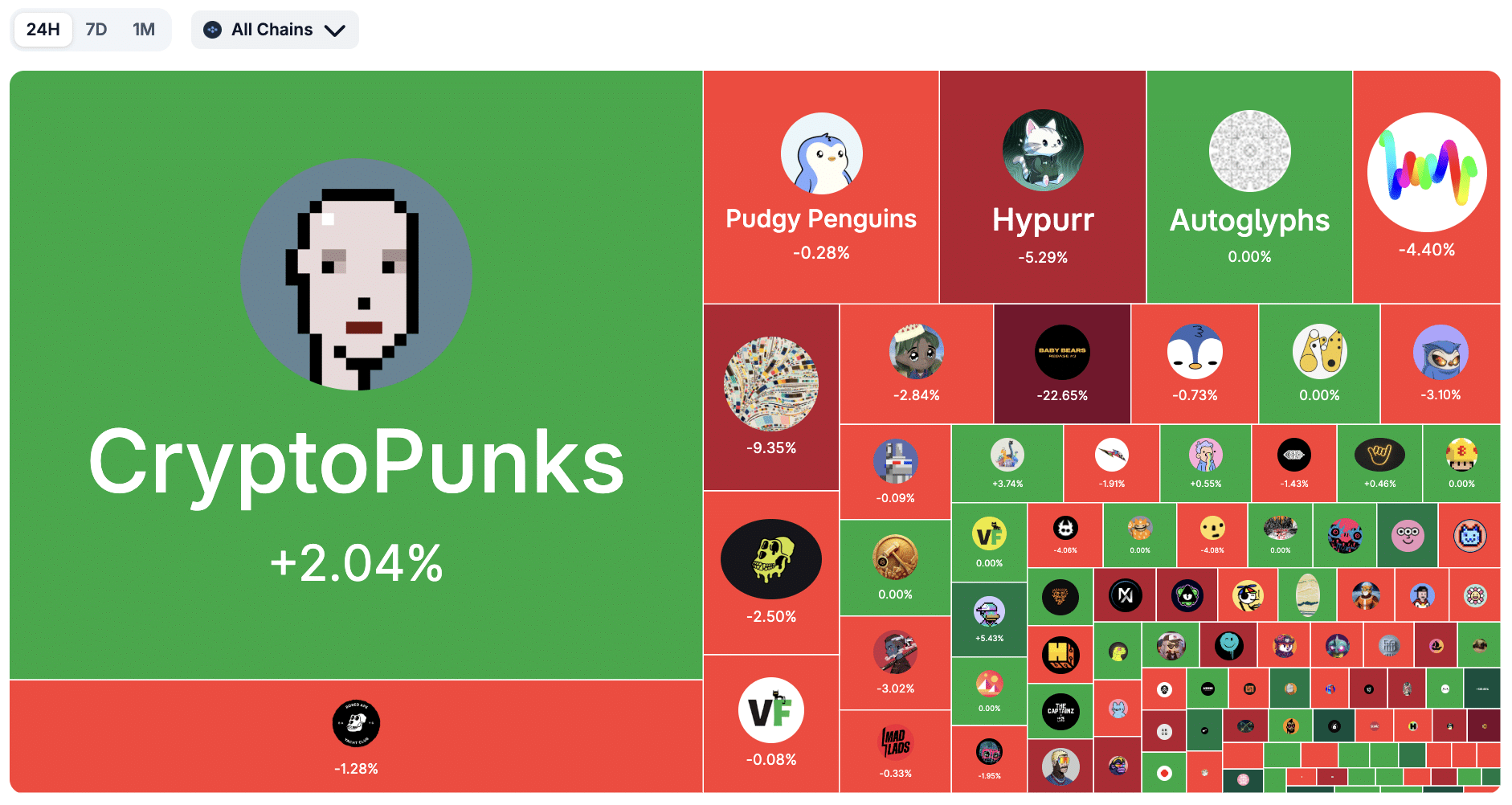
Presently, the global NFT market cap is around $1.75 billion, which is far below the levels seen during the peak of the NFT craze.
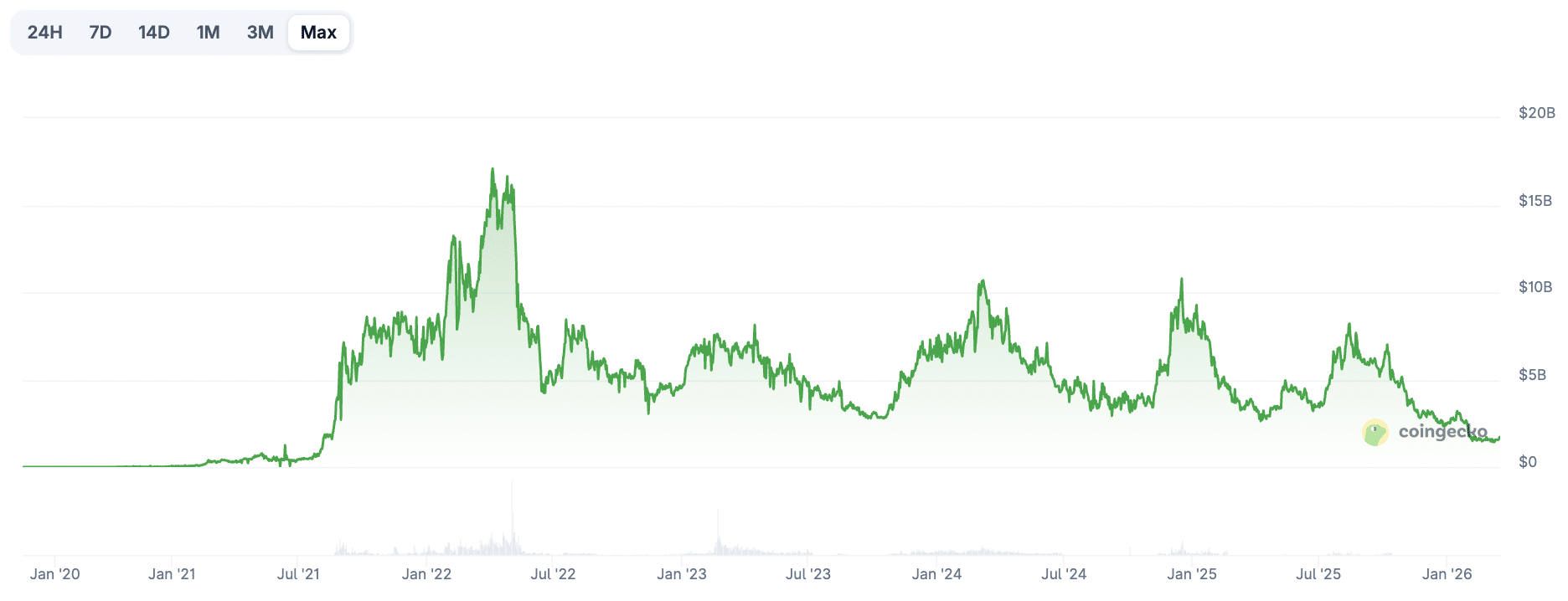
Source: Coingecko

The NFT market cap has risen by about 4% in a day, but still, daily sales volume of around $1.73 million shows that trading activity is still limited.
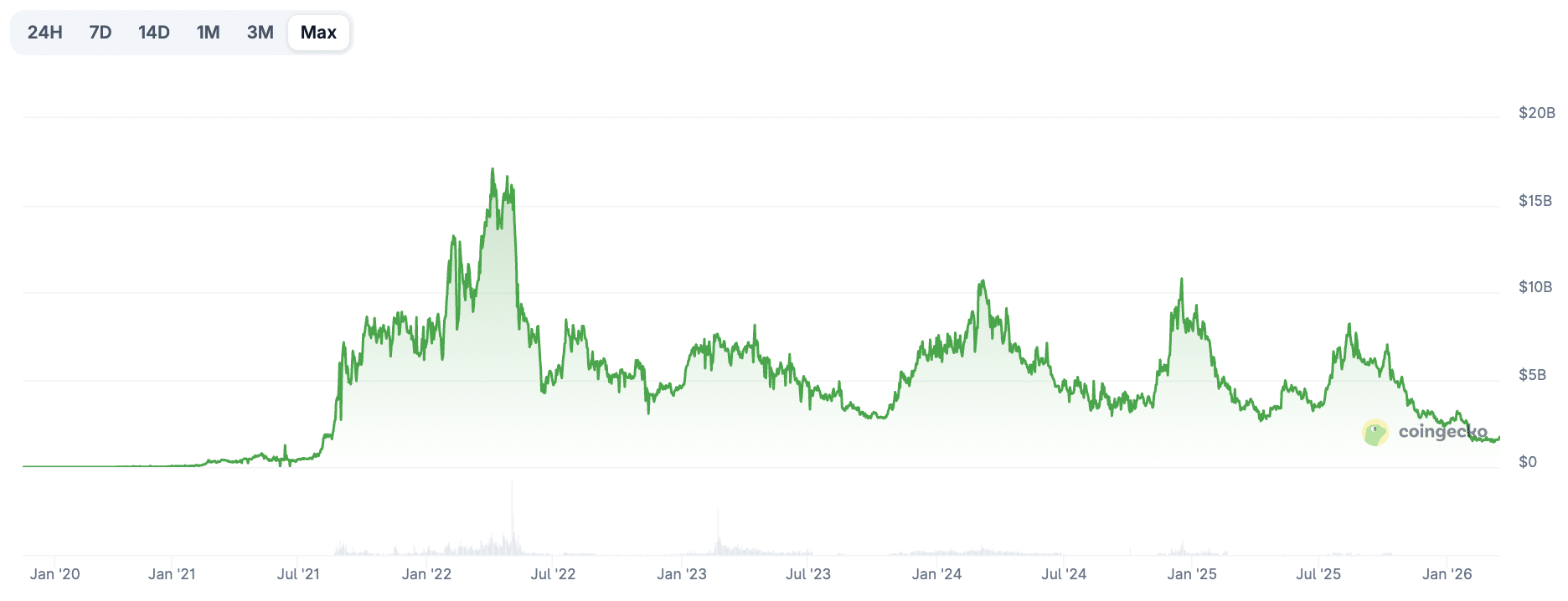
Source: Coingecko

Although trading volume has increased by 39.1%, most activity remains concentrated in a few well-known NFT collections.

As a result, the market shows fast trading but limited depth, with only a small number of assets attracting strong demand.

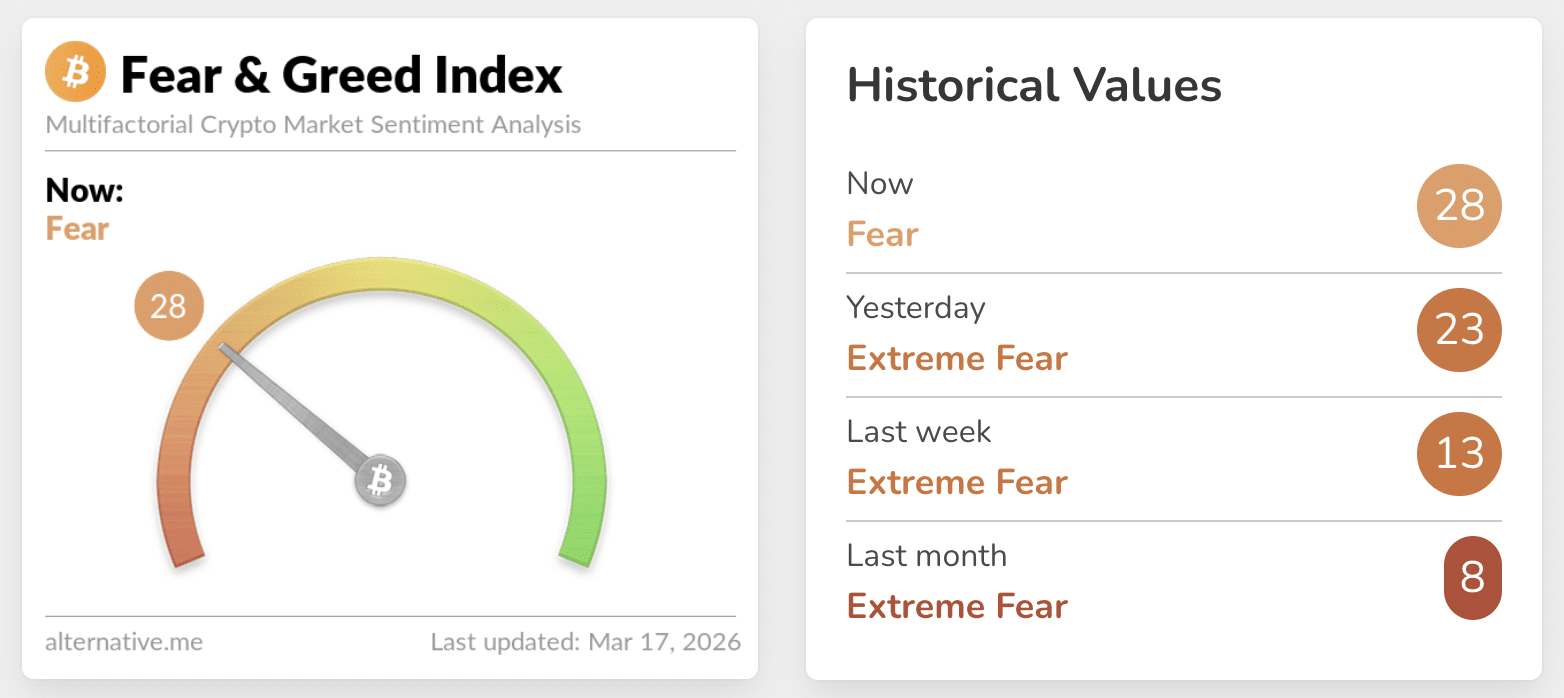
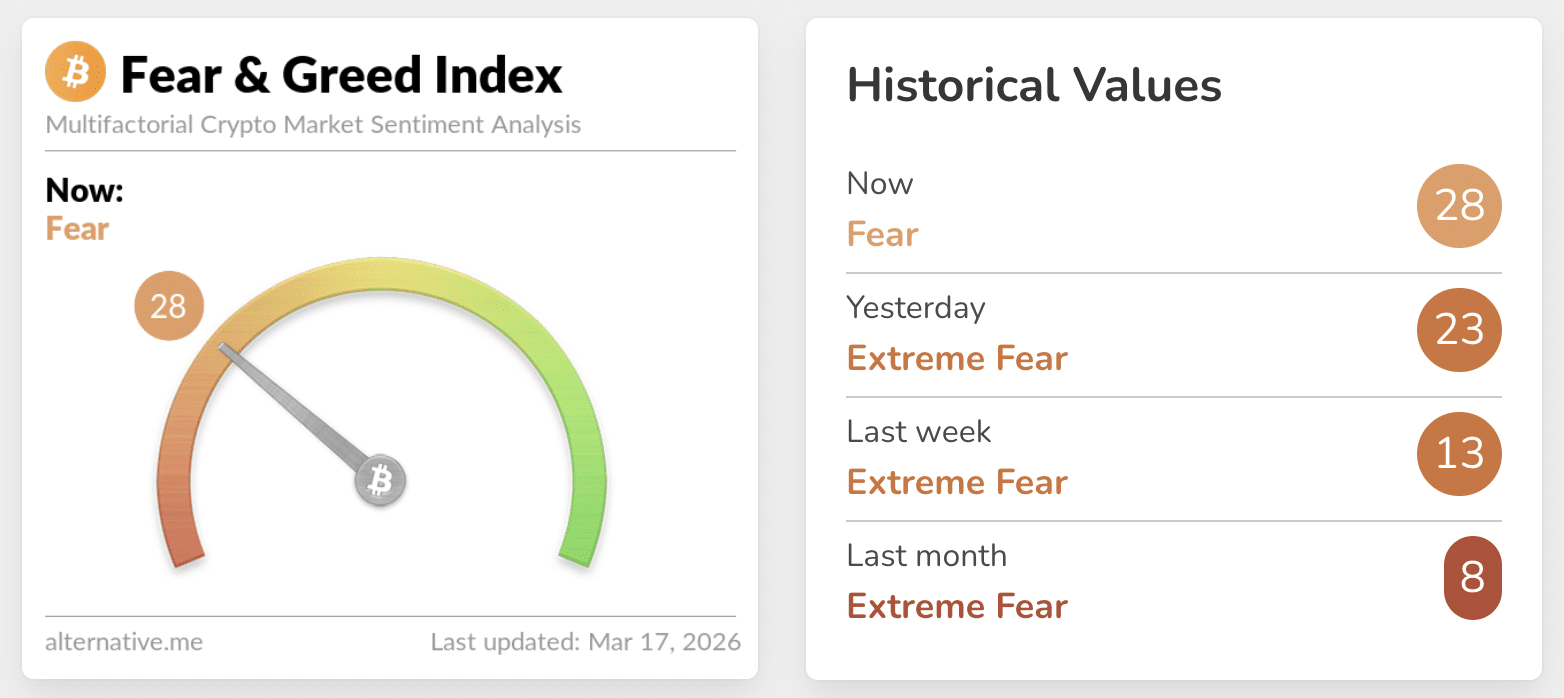
Well, this trend is not just limited to NFTs alone. The broader crypto market is also facing a slowdown. Notably, the crypto Fear and Greed Index reflects this cautious sentiment, remaining in the ‘fear’ zone, although it has slightly recovered from earlier ‘extreme fear’ levels.
Source: Alternative

By postponing the launch, the company may be trying to avoid releasing a major token during a period when there isn’t enough buying demand in the market.

Simply put, OpenSea plans to launch $SEA only when both the platform and market conditions improve.


Final Summary

  • OpenSea’s decision to delay the $SEA token shows the importance of launching a token when market demand is strong.
  • Compared to the boom of 2021, the NFT sector is now smaller and less liquid, forcing platforms to rethink their strategies.


Связанные с этим вопросы

QWhy did OpenSea delay the launch of the $SEA token?

AOpenSea delayed the launch due to challenging market conditions across the crypto space, as the company believes the $SEA token only launches once and wants to ensure it happens when market demand is strong.

QWhat steps is OpenSea taking to keep users engaged during the delay?

AOpenSea is cutting trading fees to 0% for 60 days, offering fee refunds to users who traded during Rewards Waves 3 to 6 (in exchange for forfeiting 'Treasures' points), and ending the 'Waves' rewards system to follow a clearer timeline set by the OpenSea Foundation.

QHow does the current NFT market cap compare to its peak levels?

AThe current global NFT market cap is around $1.75 billion, which is far below the levels seen during the peak of the NFT craze in 2021.

QWhat does the Crypto Fear and Greed Index indicate about current market sentiment?

AThe Crypto Fear and Greed Index remains in the 'fear' zone, reflecting cautious sentiment in the broader market, though it has slightly recovered from earlier 'extreme fear' levels.

QHow did OpenSea's CMO justify the decision to delay the token launch?

AOpenSea's CMO Adam Hollander supported the decision, stating that it requires deep conviction in the company's vision and that few CEOs would choose to give back millions to rebuild trust with users despite short-term pain.

Похожее

AI Giants Enter the Dark Forest

In the AI industry's "dark forest," major players like Anthropic, OpenAI, and DeepSeek are strategically withholding their most advanced models to avoid becoming targets in a high-stakes competitive landscape. Anthropic released Claude Opus 4.7 but admitted it underperforms compared to their unreleased model Mythos, citing safety concerns. They delayed addressing user complaints about performance regression until OpenAI’s GPT-5.5 launch, highlighting a tactic of controlled disclosure aligned with competitors’ moves. OpenAI’s GPT-5.5, though a full retrain since GPT-4.5, was seen as incremental rather than revolutionary. Leaks revealed internal models like Glacier and Heisenberg, indicating significant unreleased capabilities. OpenAI acknowledges a "capability overhang," where real model power exceeds what users experience, often due to infrastructure-driven throttling. DeepSeek launched V4 Preview, a cost-efficient model, but its full potential (V4 Pro Max) awaits Huawei’s Ascend 950 super-nodes量产 in late 2026. Their strategy focuses on affordability and scalability, aiming to democratize AI access globally, a move noted even by NVIDIA’s CEO as a disruptive threat. Together, these actions reflect a broader trend: leading AI labs are deliberately pacing releases, hiding strengths, and aligning disclosures with competitive dynamics—each avoiding the risk of exposure in a forest where first movers become targets.

marsbit40 мин. назад

AI Giants Enter the Dark Forest

marsbit40 мин. назад

Naval Steps Into the Arena: A Historic Collision Between Ordinary People and Venture Capital

Naval Ravikant, co-founder of AngelList and a prominent Silicon Valley thinker, has taken a hands-on role as the chairman of the investment committee at USVC—a new SEC-registered fund allowing non-accredited investors to access high-growth private tech companies with a minimum investment of $500. The fund’s initial portfolio includes leading AI firms like OpenAI, Anthropic, xAI, and others. This move represents a significant shift in democratizing access to venture capital, a space traditionally dominated by institutional investors and high-net-worth individuals. USVC aims to let ordinary investors participate in the high-alpha, pre-IPO growth phase of tech companies—a stage where much of the value creation now occurs before public listings. However, the fund is not without complexities. It offers limited liquidity, with potential quarterly redemptions capped at 5%, and charges an all-in fee of 2.5% in its first year. While this is higher than traditional ETFs, it is positioned as a more accessible alternative to conventional VC fee structures. Ultimately, USVC symbolizes a broader movement toward financial inclusion in high-stakes tech investing—not through crypto or Web3 mechanisms, but via regulated, retail-friendly investment vehicles. It offers a ticket to early-stage innovation, though risks typical of venture capital remain.

marsbit41 мин. назад

Naval Steps Into the Arena: A Historic Collision Between Ordinary People and Venture Capital

marsbit41 мин. назад

Торговля

Спот
Фьючерсы
活动图片