15 мая был установленный SEC США последний срок подачи формы 13F за первый квартал институциональными инвесторами.,По мере публикации документов позиции крупных уолл-стритовских институтов в криптоактивах стали видны.
Среди них,JPMorgan на фоне общей тенденции увеличили позиции в биткойн-ETF на 174%, в то время как Jane Street сократили позиции в IBIT на 71% и переключились на Ethereum, Wells Fargo начали наращивать позиции в Ethereum ETF, а BlackRock продолжили покупать биткойн, несмотря на сокращение стоимости своего криптопортфеля более чем на $20 млрд.
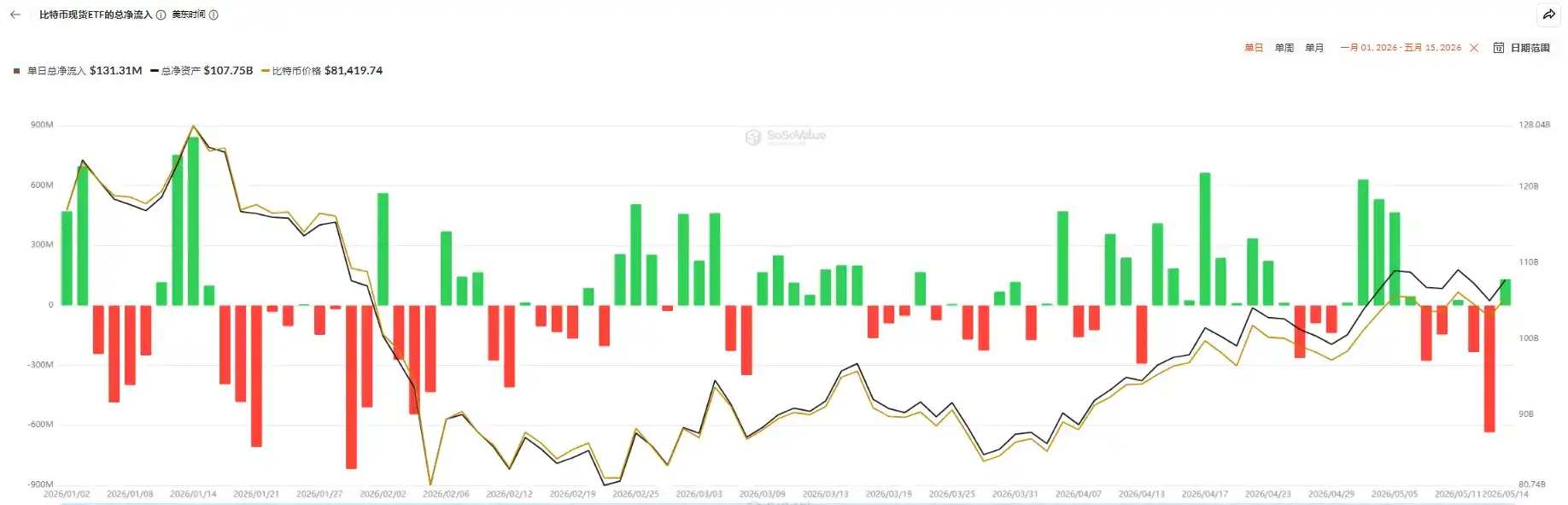
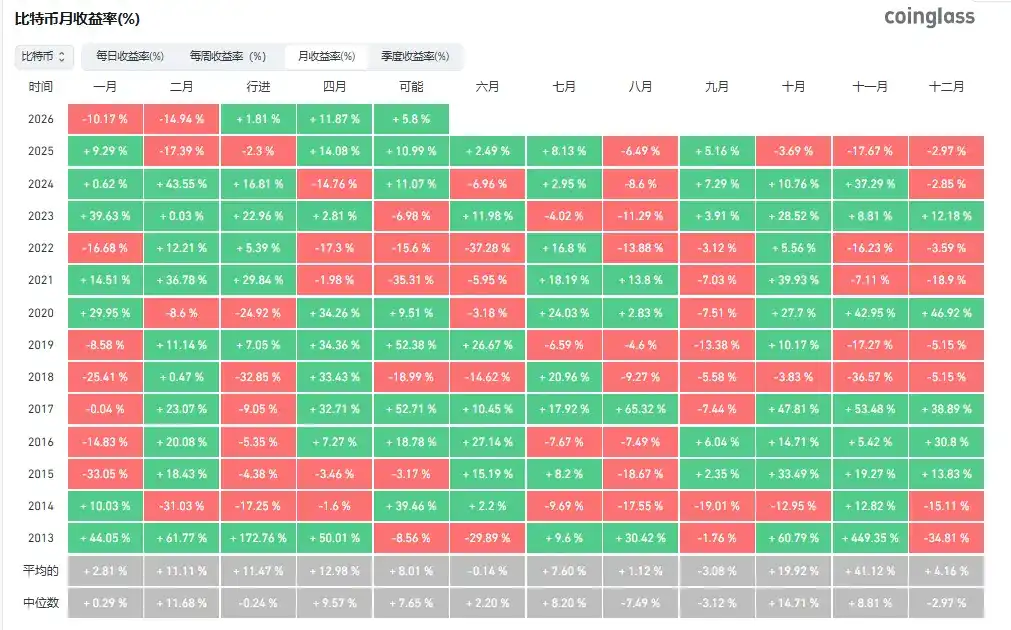
В первом квартале этого года крипторынок пережил заметную коррекцию. Биткойн потерял около 23,8% за квартал, показав худший результат за первый квартал с 2018 года. Общая рыночная капитализация криптоактивов упала на 20,4%, откатившись примерно на 45% от пика октября 2025 года. Чистый отток средств из биткойн-ETF за квартал составил около $497 млн,Анализ JPMorgan показывает, что общий приток средств в цифровые активы в Q1 составил лишь около $11 млрд, что составляет примерно треть от показателя за аналогичный период прошлого года,что указывает на явное замедление рыночной динамики.
В таких рыночных условиях действия институтов демонстрируют значительные различия.
Jane Street:Позиции в IBIT сократились на 71%, наращены позиции в Galaxy Digital
Как один из самых активных проп-трейдеров Уолл-стрит, операции Jane Street в первом квартале привлекли наибольшее внимание рынка.
Согласно их последнему файлу 13F, Jane Street существенно сократили позиции в биткойн-ETF.В частности,позиции в iShares Bitcoin Trust (IBIT) от BlackRock снизились примерно на 71% в квартальном выражении, до примерно 5,9 млн акций, стоимостью около $225 млн; позиции в Fidelity Wise Origin Bitcoin Fund (FBTC) сократились примерно на 60%, до примерно 2 млн акций.
С другой стороны, Jane Street значительно увеличили экспозицию в Ethereum. Позиции в iShares Ethereum Trust (ETHA) от BlackRock практически удвоились, фонд Fidelity Ethereum Fund (FETH) также был существенно увеличен, что в совокупности добавило около $82 млн новой экспозиции.
Что касается крипто-акций, позиции в Galaxy Digital резко выросли с примерно 17 тыс. акций до примерно 1,5 млн акций, в Riot Platforms — с примерно 5 млн до примерно 7,4 млн акций, Coinbase также был немного увеличен. Позиции в MicroStrategy сократились с примерно 968 тыс. акций до примерно 210 тыс., сократившись примерно на 78%. Позиции в нескольких биткойн-майнинговых компаниях также были сокращены, включая IREN, Cipher Mining, TeraWulf и Core Scientific.
Стоит отметить, что Jane Street в Q1 зафиксировали рекордные $16,1 млрд торговой выручки. Форма 13F раскрывает только длинные позиции на конец квартала и не включает деривативы или короткие позиции. Аналитик Bitwise Джефф Парк отметил, что в предыдущем квартале Jane Street резко увеличили позиции в MicroStrategy более чем на 470%, и сокращение в этом квартале, скорее всего, является закрытием базисной торговли, а не медвежьим настроем в отношении биткойна.
JPMorgan:Существенно увеличили позиции в биткойн ETF, вышли из позиций в XRP ETF
В отличие от Jane Street, JPMorgan продолжали наращивать позиции в период, когда цена биткойна падала ниже $80 тыс. Позиции в IBIT выросли с примерно 3 млн акций до примерно 8,3 млн акций, что составляет увеличение примерно на 174%, добавив стоимости на сумму около $162 млн.
Кроме того,банк увеличил позиции вBitwise Bitcoin ETF (BITB) примерно на 900%, в FBTC от Fidelity — примерно на 450%, а в отслеживающем биткойн-фьючерсы ProShares Bitcoin Strategy ETF (BITO) — более чем на 3000%.
В отношении других криптоактивов JPMorgan впервые открыли позицию в Bitwise Solana Staking ETF (BSOL), купив около 47,5 тыс. акций, и увеличили позиции в iShares Ethereum Trust (ETHA) от BlackRock примерно на 36%. В то же время банк полностью закрыл позиции в Bitwise XRP ETF.
На уровне акций JPMorgan выбрали увеличение позиций в MicroStrategy, MARA Holdings и Core Scientific, сократив позиции в Coinbase, Galaxy Digital и Robinhood.
Wells Fargo:На фоне спада нарастили позиции в эфириум ETF, почти полностью вышли из Galaxy Digital
Действия Wells Fargo также демонстрируют заметное внутреннее разделение.
В отношении Ethereum позиции в ETHA от BlackRock выросли с примерно 673 тыс. акций до примерно 1,1 млн акций, что составляет увеличение примерно на 63,5%; позиции в Bitwise Ethereum ETF (ETHW) увеличены примерно на 37%, в совокупности стоимость этих позиций составляет около $21,5 млн. Это увеличение произошло на фоне двух кварталов подряд падения Ethereum: примерно на 28% в Q4 2025 и примерно на 29% в Q1 2026, и чистого квартального оттока из Ethereum ETF примерно на $769 млн.
Что касается биткойна, экспозиция Wells Fargo была более диверсифицированной. Позиции в IBIT были немного сокращены, но позиции в Bitwise Bitcoin ETF увеличены примерно на 24%, в Grayscale Bitcoin Mini Trust — примерно на 41%. Биткойн-ETF в целом остаются основным компонентом их криптоэкспозиции, стоимость только позиций в IBIT составляет около $250 млн.
На уровне акций Wells Fargo увеличили позиции в MicroStrategy с примерно 323 тыс. акций до примерно 726 тыс. акций, что составляет увеличение примерно на 125%, добавив экспозиции на сумму около $41,6 млн. В то же время позиции в Galaxy Digital резко сократились с примерно 2,5 млн акций до примерно 78,6 тыс. акций, что составляет снижение примерно на 97%, уменьшив экспозицию примерно на $54,7 млн.
BlackRock: Увеличение позиций в MicroStrategy и Bitmine, продолжают покупать биткойн на блокчейне
Как крупнейшая в мире управляющая активами компания, файл 13F BlackRock за Q1 показывает, что она владеет значительным объемом крипто-акций.
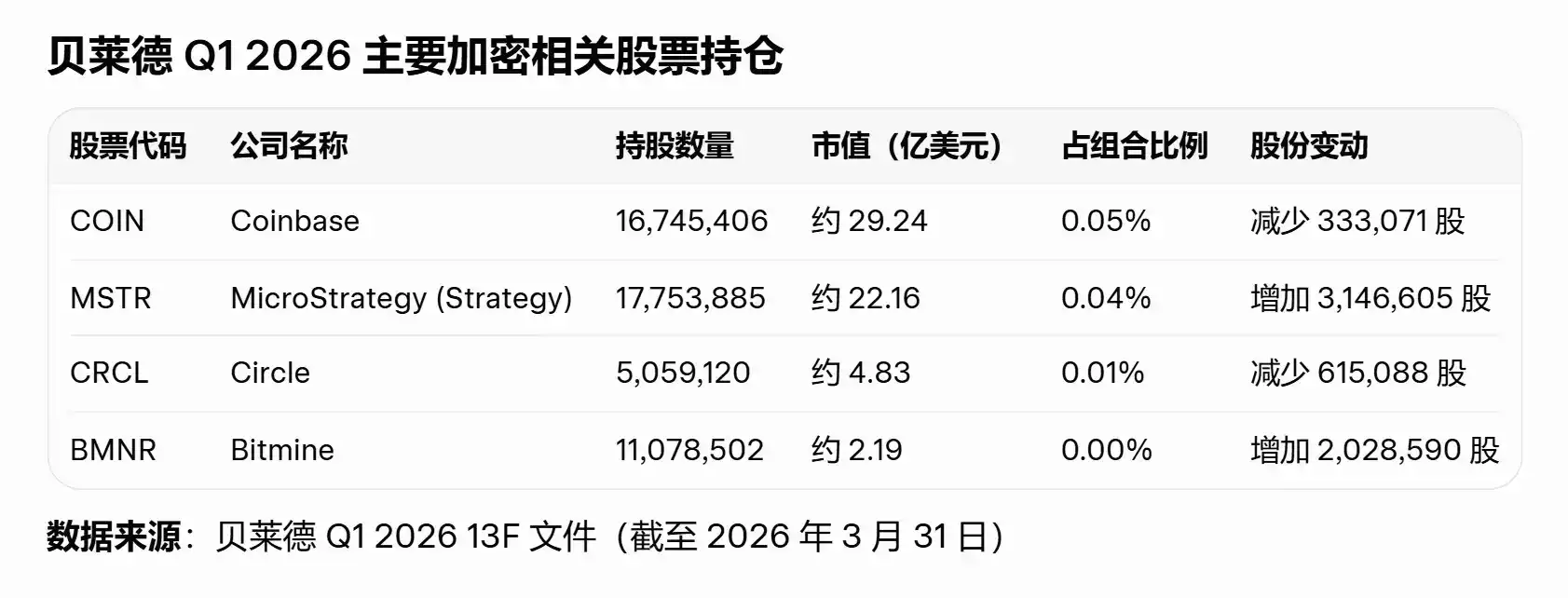
В частности,позиции в Coinbase (COIN) составляют около 16,75 млн акций стоимостью около $2,92 млрд, с небольшим сокращением примерно на 333 тыс. акций по сравнению с предыдущим кварталом; позиции в Circle (CRCL) составляют около 5,06 млн акций стоимостью около $483 млн, сократившись примерно на 615 тыс. акций.
Позиции в MicroStrategy (MSTR) увеличены до примерно 17,75 млн акций стоимостью около $2,22 млрд, с приростом около 3,147 млн акций; позиции в Ethereum-казначейской компании Bitmine (BMNR) увеличены до примерно 11,08 млн акций стоимостью около $219 млн, с приростом около 2,029 млн акций.
Совокупная стоимость этих четырех позиций составляет около $5,8 млрд. Хотя это составляет небольшую долю в их общем портфеле стоимостью около $5,72 трлн, одновременное увеличение позиций в MicroStrategy и Bitmine свидетельствует о том, что BlackRock сохраняет признание как биткойн-, так и эфириум-казначейских нарративов.
Что касается данных на блокчейне, в течение Q1 холдинги биткойна BlackRock выросли с примерно 770 тыс. монет до примерно 785 тыс. монет, с чистой покупкой около 15 тыс. монет, но под влиянием падения цен их стоимость снизилась с примерно $68 млрд до примерно $51,8 млрд. Холдинги Ethereum снизились с примерно 3,47 млн монет до примерно 3,06 млн монет, с чистым оттоком около 410 тыс. монет. Общая стоимость криптокомбинации сократилась примерно на $20,4 млрд, что в основном обусловлено динамикой цен.
Кроме того,средний дневной объем торгов IBIT в Q1 превысил $3,2 млрд, за квартал из 62 торговых дней чистый приток был зафиксирован в 48 дней. 27 января однодневный приток составил около $1,3 млрд, установив рекорд. Однако изменения в холдингах на блокчейне по сути отражают приток и отток средств клиентов через ETF, а не направленные ставки самого BlackRock.
ARK Invest:Большая позиция в Circle указывает на ставку на стейблкоины
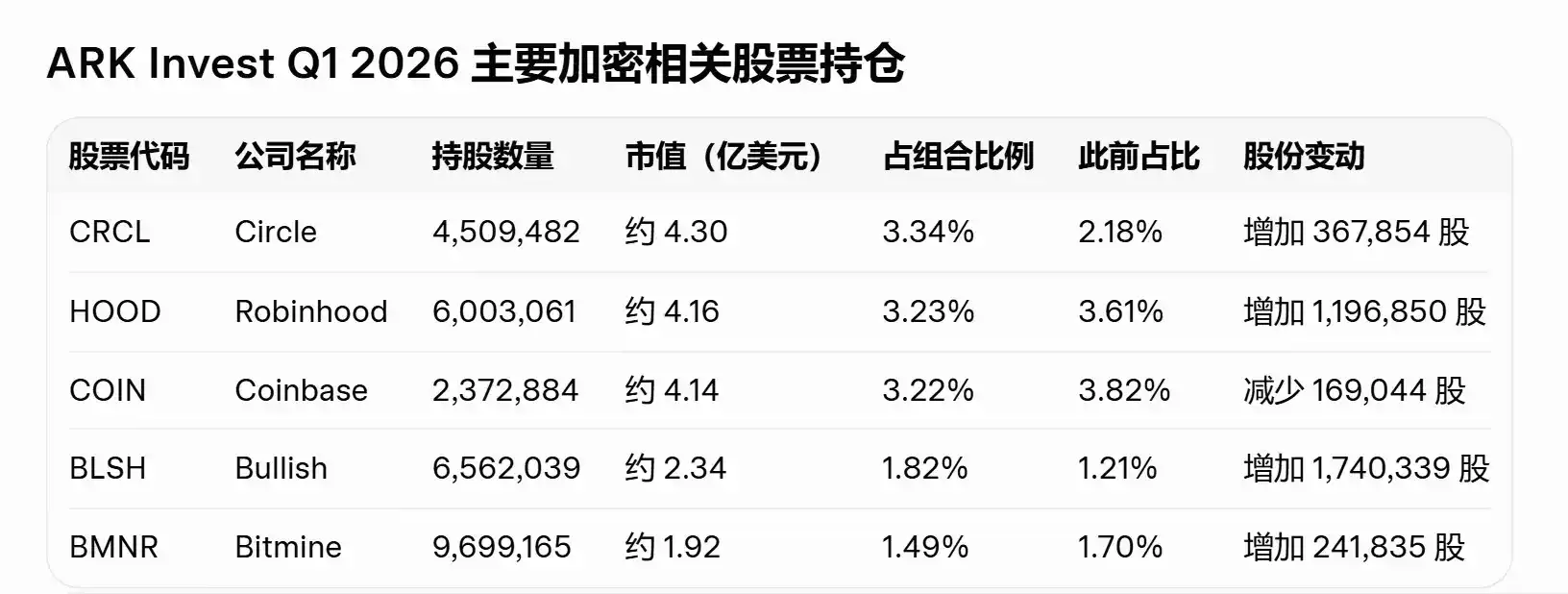
ARK Invest под управлением Кэти Вуд, как эмитент биткойн-ETF ARKB, раскрывает в 13F крипто-акции, принадлежащие ее активным фондам.Файлы показывают, что ARK в первом квартале увеличила позиции в Circle (CRCL), Robinhood (HOOD), Bullish (BLSH) и Bitmine (BMNR), незначительно сократив позиции в Coinbase (COIN).
По ритму операций, в феврале, когда биткойн упал до уровня около $75 тыс., ARK через три своих фонда ARKF, ARKK и ARKW в совокупности купила крипто-акций на сумму около $72 млн, продолжая свой постоянный стиль покупки на падении.
В частности, ставка ARK на Circle (CRCL) заметно усилилась, позиции выросли до примерно 4,509 млн акций, а доля в инвестиционном портфеле увеличилась с 2,18% до 3,34%. Во втором квартале ARK продолжала наращивать позиции вCRCL.
Недавно опубликованная отчетность Circle за Q1 показала рост выручки на 20% в годовом исчислении, объем циркулирующего USDC вырос до $77 млрд, объем транзакций вырос на 263% в годовом исчислении, что дополнительно подтверждает ставку ARK на сектор стейблкоинов.
Другие институты также предприняли действия
У других институтов также есть интересные моменты. Управляющая компания WisdomTree в этом квартале запустила токенизированный фонд денежного рынка, что способствовало чистому притоку в цифровые активы в размере $98 млн в Q1, а активы под управлением в цифровых активах к концу марта выросли до рекордных $867 млн.
Grayscale провела ребалансировку своих фондов: их DeFi-фонд ввел токен Ethena (ENA) с весом 13,59%, одновременно удалив Aerodrome Finance; в фонде платформ смарт-контрактов вес Ethereum увеличился до 30,14%, вновь превысив вес Solana, который составил 29,69%.
Китайский управляющий активами Дань Бинь, владелец Oriental Harbor, в последнем файле 13F раскрыл увеличение позиций в CRCL на 31,7 тыс. акций стоимостью около $3,02 млн.
Хотя Morgan Stanley еще не раскрыли свои 13F за Q1, их биткойн-ETF (MSBT), запущенный 8 апреля, на сегодняшний день привлек $193,6 млн чистого притока, а чистые активы достигли $239,6 млн. За первый месяц было зафиксировано 17 торговых дней с чистым притоком и 5 дней с нейтральным балансом, не было ни одного дня с чистым оттоком.
Три сигнала от институциональной криптоконфигурации
Обзор этих операций позволяет выделить три значимых тренда.
Во-первых, интерес институтов к конфигурации Ethereum растет. Jane Street, Wells Fargo и JPMorgan увеличили экспозицию в Ethereum ETF в Q1, как раз в период общего рыночного оттока. Это отражает то, что некоторые институты начинают рассматривать его как инфраструктуру для долгосрочного размещения.
Во-вторых, разногласия в отношении биткойна в большей степени обусловлены различиями в стратегиях, а не в оценках. JPMorgan систематически наращивали позиции на низких уровнях, что является типичным путем долгосрочной конфигурации; значительное сокращение позиций Jane Street, в сочетании с их рекордной квартальной выручкой, скорее всего, ближе к корректировке торговой стратегии.
В-третьих, крипто-акции становятся вариантом конфигурации, который институты не могут игнорировать. С появлением на бирже и постоянным расширением таких компаний, как Circle, Coinbase, MicroStrategy, эти акции превратились из периферийных активов в ключевые холдинги для некоторых институтов. ARK поставила Circle на шестое место по размеру позиции в ARKK, Oriental Harbor также быстро открыли позицию после выхода Circle на биржу. С начала года акции Circle выросли более чем на 50%, и логика инфраструктуры стейблкоинов, стоящая за ними, получает все большее признание институтов.
В выборе конкретных активов разногласия также очевидны. Galaxy Digital стал активом, по которому в этом квартале мнения институтов наиболее разошлись: Wells Fargo практически вышли из позиции, сократив примерно на 97%; JPMorgan также сократили позиции; но Jane Street, напротив, увеличили позиции с примерно 17 тыс. акций до примерно 1,5 млн акций, фактически начав строительство позиции с нуля. В то же время несколько институтов совместно выбрали увеличение позиций в MicroStrategy, рассматривая его как прокси-акцию биткойна.
Сейчас Q2 также перевалил за половину, и те институты, которые продолжали наращивать позиции на низких уровнях в Q1, начинают получать подтверждение.
В апреле биткойн вырос примерно на 11,87%, Ethereum — примерно на 7,3%. Чистый приток в биткойн-ETF в апреле составил около $2,44 млрд, достигнув полугодичного максимума, а общий объем активов под управлением впервые превысил $100 млрд. Из них чистый приток в IBIT от BlackRock за месяц составил около $2,013 млрд, а в MSBT от Morgan Stanley за первый месяц — около $194 млн. В настоящее время биткойн вернулся выше $80 тыс., рыночные предпочтения в отношении риска несколько восстановились.
На момент публикации файлы 13F крупных институтов и хедж-фондов, таких как Goldman Sachs, Morgan Stanley, Millennium, еще не опубликованы. Ожидается, что они будут опубликованы сегодня и завтра, после чего картина институциональных позиций станет более полной.







