NYDIG заявляет, что быстро растущий выпуск STRC от Strategy стал значительным новым источником дополнительного спроса на биткоин, но утверждает, что структура широко неправильно понимается. В исследовательской записке от 20 марта фирма заявила, что комплекс привилегированных акций вокруг Strategy и аналогичных инструментов, таких как SATA от Strive, следует рассматривать не как традиционный корпоративный кредит, а скорее как управляемую систему обязательств, обеспеченную биткоином, жизнеспособность которой зависит от доступа к рынкам капитала и доверия инвесторов.
Это различие важно, потому что последние покупки биткоинов Strategy все чаще финансировались за счет привилегированного акционерного капитала, а не с помощью инструментов, которые большинство инвесторов традиционно ассоциируют с компанией. По данным NYDIG, Strategy выпустила примерно $1,2 миллиарда STRC только за последнюю неделю, увеличив общий объем выпущенных STRC до чуть более $5 миллиардов. В сочетании с другими $5 миллиардами привилегированного акционерного капитала, общий объем привилегированных ценных бумаг компании теперь превышает $10 миллиардов и превзошел конвертируемый долг в ее структуре капитала.
NYDIG объясняет маховик биткоина
Главный тезис NYDIG заключается в том, что STRC и SATA «недостаточно хорошо понимаются через призму традиционного кредита или акционерного капитала». Вместо этого, написала фирма, «их лучше рассматривать как активно управляемые структуры обязательств, зависящие от рынков капитала и обеспеченные резервным активом — биткоином». Эта концепция проходит через всю записку.
В отчете утверждается, что эти ценные бумаги существенно отличаются от обычного долга. Они находятся ниже долга, но выше обыкновенных акций, не имеют обеспечения и поставляются с переменными, полностью дискреционными дивидендами и ограниченными правами управления. Что наиболее важно, NYDIG заявляет, что эмитенты активно пытаются поддерживать их торговлю ближе к номиналу, обычно около $100, с помощью сигналов, управления дивидендами и периодической корректировки дивидендных ставок.
По мнению NYDIG, это означает, что реальное ограничением является не операционный денежный поток. «Эти инструменты не финансируются за счет операционного денежного потока и не предназначены для обслуживания за счет корпоративной прибыли», — написала фирма. «Вместо этого они функционируют как инструменты рынков капитала, в которых привилегированные ценные бумаги являются основным продуктом финансирования, а корпоративный баланс, основанный на владении биткоинами, построен для поддержки непрерывного выпуска». При такой структуре традиционные метрики, такие как покрытие процентов по EBIT, не являются правильным инструментом для оценки устойчивости.
В записке также оспаривается идея о том, что падение биткоина автоматически приведет к ликвидации по всей структуре. Долг Strategy, по словам NYDIG, как правило, не обеспечен и имеет ограниченные финансовые ковенанты, если они явно не указаны. Дефолт «в основном вызывается неуплатой или банкротством, а не снижением стоимости активов при переоценке по рыночной стоимости», и эта логика важным образом распространяется и на уровень привилегированных акций. Не существует жестких триггеров, напрямую связанных с движениями цены биткоина или коэффициентами покрытия, даже если владельцы привилегированных акций остаются более подверженными риску усмотрения руководства и субординации.
Это приводит к «маховику» в центре отчета. Когда привилегированные акции, такие как STRC и SATA, торгуются ближе к номиналу, эмитенты могут эффективно привлекать капитал. Этот капитал затем используется для покупки биткоина, расширяя базу актив и, по словам NYDIG, укрепляя поддержку баланса. Если обыкновенные акции также торгуются выше NAV, выпуск акций становится accretive с точки зрения биткоина на акцию, усиливая цикл.
NYDIG описывает это как рефлексивный цикл, в котором «доступ к капиталу финансирует покупки биткоина, что укрепляет баланс и поддерживает доверие инвесторов, позволяя продолжать выпуск». Но также подчеркивается, что этот механизм является условным, а не постоянным. «Пока привилегированные акции остаются закрепленными near par, акции торгуются выше NAV, а рынки капитала остаются открытыми, маховик создает постоянный спрос на биткоин», — говорится в отчете.
Верно и обратное. Если биткоин падает, доверие ослабевает или привилегированные акции опускаются ниже номинала, выпуск становится сложнее или нерентабельным. Это может остановить систему, не требуя неплатежеспособности. NYDIG заявляет, что бремя корректировки затем смещается в сторону уровня привилегированных акций через отсрочку дивидендов, изменение ставок или более глубокую субординацию по мере добавления новых требований.
Фирма даже рассматривает STRC через призму опционов, говоря, что это похоже на короткий пут на покрытие биткоин-активов, с доходностью, полученной в обмен на downside risk, если биткоин ослабнет и разъедает подушку активов. Но в отличие от стандартного опциона, здесь нет фиксированного страйка или срока погашения, а результаты сильно зависят от решений руководства.
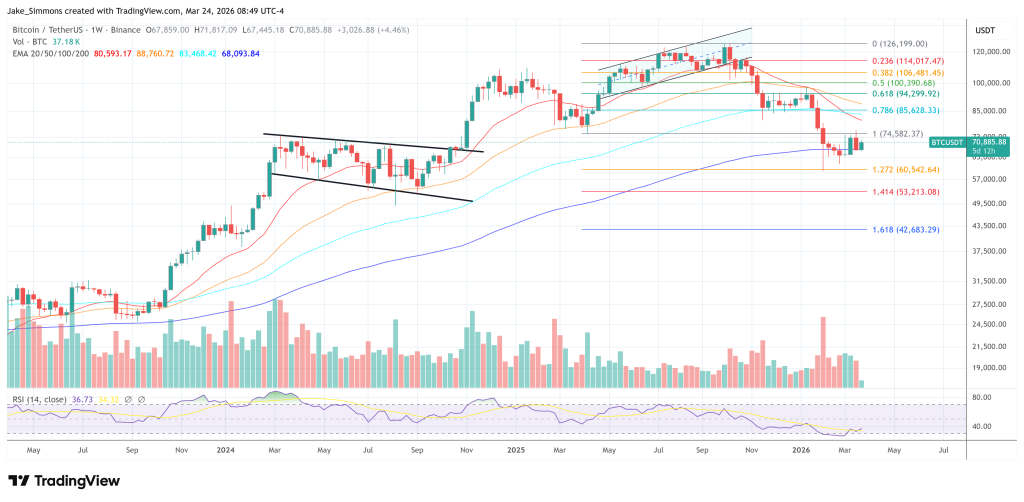
На момент публикации BTC торговался на уровне $70 885.