За последнее десятилетие аппаратные кошельки стали важным консенсусом в безопасности криптоактивов, но с увеличением частоты транзакций в сети и усложнением методов атак стали проявляться ограничения этого подхода. Вопросы безопасности теперь касаются не только того, хранится ли приватный ключ офлайн, но также включают подписание транзакций, взаимодействие с сетью, доверие к цепочке поставок и долгосрочные риски, связанные с будущими квантовыми вычислениями. Следующее поколение криптобезопасности смещается от «зависимости от более безопасного устройства» к «зависимости от более надежной системной архитектуры».
I. Аппаратные кошельки: когда-то самая доверенная схема безопасности
В области самостоятельного хранения криптоактивов аппаратные кошельки долгое время считались самым безопасным выбором. Идея холодного хранения, представленная такими брендами, как Ledger и Trezor, стала почти консенсусом для многих пользователей криптовалют: приватные ключи хранятся в офлайн-устройстве, транзакции требуют подтверждения через физическое устройство, что затрудняет хакерам прямой доступ к активам пользователя из сети.
Долгое время эта логика работала. Неподключенное к интернету устройство действительно могло остановить большинство удаленных атак. Для ранних пользователей криптовалют аппаратные кошельки обеспечивали простое, понятное и ощутимое чувство безопасности.
Однако по мере роста масштабов криптоактивов, увеличения частоты транзакций в сети и усложнения методов атак все более важным стал вопрос: остаются ли аппаратные кошельки достаточно безопасными? Не являются ли они просто мейнстримным решением на текущем этапе, а не окончательной формой криптобезопасности?
Именно на этом фоне все больше исследователей безопасности начали обращать внимание на новое направление: изолированные криптокошельки, то есть защита приватных ключей и подписи транзакций за счет более четкой системной изоляции.
II. Переосмысление аппаратных кошельков: за безопасностью все еще скрываются издержки доверия
Аппаратные кошельки кажутся безопасными, но их безопасность на самом деле строится на многих предпосылках.
Во-первых, пользователь должен доверять производителю устройства. Например, достаточно ли безопасна прошивка устройства? Не была ли нарушена цепочка поставок? Прошел ли чип безопасности надежный аудит? Для обычного пользователя практически невозможно самостоятельно проверить эти вопросы.
Во-вторых, обновления прошивки также могут нести риски. Аппаратные кошельки нуждаются в постоянных обновлениях системы для устранения уязвимостей и поддержки новых функций, но пользователям сложно определить, полностью ли доверять тому или иному обновлению. Часто пользователям остается только верить производителю.
Кроме того, само физическое устройство несет риски. Устройство может быть утеряно, украдено, конфисковано или даже подвергнуться целенаправленной физической атаке. Даже если само устройство не взломано, сид-фраза, используемая пользователем при восстановлении кошелька, также может стать новой точкой риска.
Таким образом, проблема аппаратных кошельков заключается не в том, что они «небезопасны», а в том, что их безопасность по-прежнему зависит от устройства, производителя и цепочки поставок. Для индустрии, подчеркивающей децентрализацию и снижение зависимости от доверия, эта зависимость пересматривается.
III. Практическая сложность аппаратных кошельков: транзакции всегда требуют взаимодействия с подключенным устройством
Самое главное обещание безопасности аппаратных кошельков — приватный ключ не покидает устройство. Однако в реальном использовании транзакцию в конечном итоге все равно нужно транслировать в сеть блокчейна.
Это означает, что при подписании транзакций аппаратному кошельку обычно необходимо взаимодействовать с телефоном, компьютером или другим подключенным устройством. Будь то через USB, Bluetooth или QR-код, этот процесс взаимодействия создает потенциальную точку риска.
Многим атакам не требуется прямо красть приватный ключ. Злоумышленник может подменить информацию о транзакции, заставив пользователя думать, что он подписывает обычную транзакцию, в то время как фактически авторизуется вредоносная операция; также возможно через вредоносные контракты, фальшивые сайты, перехват буфера обмена и т.д. заставить пользователя выполнить опасную операцию без его ведома.
Это также является практическим ограничением аппаратных кошельков: само устройство может быть офлайн, но процесс проведения транзакции пользователем сложно сделать полностью офлайновым.
Если пользователь хочет повысить безопасность, можно использовать более строгие воздушно-изолированные устройства, то есть устройства, полностью не подключенные к сети, передающие данные только через QR-коды и т.п. Но такой способ сложнее в использовании, и обычным пользователям трудно постоянно его придерживаться. В итоге большинство все равно выбирает компромисс между безопасностью и удобством.
Поэтому индустрия начала задумываться о другой возможности: вместо того, чтобы полагаться на правильное выполнение пользователем операций с устройством каждый раз, лучше на уровне системного дизайна более четко разделить приватные ключи, подпись и сетевые операции.
IV. Изолированные криптокошельки: изоляция рисков в системном дизайне
Основная идея изолированных криптокошельков не сложна: управление приватными ключами, подпись транзакций и трансляция в сеть должны находиться в разных средах.
Проще говоря, среда для приватных ключей и подписи по возможности должна оставаться офлайн, не контактируя напрямую с интернетом; подключенная к сети часть отвечает только за отправку уже подписанных транзакций в блокчейн и не должна иметь доступа к приватным ключам.
Преимущество такого дизайна в том, что даже если сетевая часть подвергнется атаке, злоумышленник сможет получить доступ только к подписанным данным транзакции, но не к приватному ключу напрямую. Для пользователя это эквивалентно помещению самого важного ключа от активов в более закрытую, труднодоступную среду.
Его отличие от традиционных аппаратных кошельков заключается в том, что аппаратные кошельки больше полагаются на конкретное устройство для реализации изоляции, а изолированные криптокошельки больше подчеркивают структурный дизайн всей системы. Безопасность не полностью зависит от какого-либо аппаратного устройства, а зависит от того, действительно ли разделены ключи, подпись и сеть.
Это и есть значение «архитектура как безопасность»: безопасность — это не просто покупка безопасного устройства, а с самого начала разделение опасных путей.
V. Постквантовая безопасность: будущие риски уже сейчас становятся предметом обсуждения
Помимо текущих рисков атак, еще одной важной проблемой, которую признает индустрия, являются квантовые вычисления.
Многие современные криптосистемы полагаются на криптографические алгоритмы, такие как эллиптическая криптография и RSA, которые в среде традиционных компьютеров все еще считаются безопасными. Однако если будущие квантовые компьютеры достигнут достаточной мощности, эти алгоритмы могут оказаться под угрозой взлома.
Это звучит как проблема далекого будущего, но мировое криптографическое сообщество уже начало готовиться заранее. Национальный институт стандартов и технологий США (NIST) уже в 2024 году выпустил первые стандарты постквантовой криптографии, что указывает на то, что постквантовая безопасность перешла из теоретических дискуссий в стадию практической подготовки.
Для криптоактивов эта проблема особенно важна. Потому что если активы блокчейна окажутся под угрозой, последствия могут быть долгосрочными. Более того, существует метод атаки под названием «собрать сейчас, расшифровать позже». Это означает, что злоумышленники могут сначала собрать сегодняшние данные, а затем, когда квантовые вычисления станут достаточно зрелыми, попытаться их расшифровать.
Таким образом, постквантовая безопасность — это не проблема, которую нужно рассматривать только после реального появления зрелых квантовых компьютеров. Для пользователей и проектов, нацеленных на долгосрочное хранение активов, заблаговременная подготовка сама по себе является частью стратегии безопасности.
VI. Безаппаратная модель безопасности: снижение зависимости от единичного устройства
За архитектурой изоляции на самом деле стоит новый подход к безопасности.
Традиционный подход аппаратных кошельков заключается в снижении рисков с помощью одного физического устройства. Он помещает приватный ключ в устройство, затрудняя злоумышленнику доступ к нему из сети. Этот подход эффективен и уже проверен рынком.
Однако безаппаратная модель безопасности пытается еще больше снизить зависимость от конкретного устройства. Она задается вопросом: можно ли через системный дизайн сделать так, чтобы определенные пути атак изначально были трудновыполнимы?
Этот подход приводит к нескольким изменениям.
Во-первых, пользователю больше не нужно полностью полагаться на одного производителя аппаратного обеспечения. Во-вторых, безопасность больше не полностью привязана к какому-либо чипу или устройству. В-третьих, если сама система может быть открыта и подвергнута аудиту сообщества, оценка безопасности может стать более прозрачной.
Это не значит, что аппаратные кошельки не имеют ценности. Аппаратные устройства по-прежнему могут быть важным инструментом в системе безопасности. Но в инфраструктуре криптобезопасности следующего поколения они, возможно, перестанут быть единственным ядром, а станут частью всей архитектуры безопасности.
VII. Lock.com: один из первых исследователей этого направления
В этой области Lock.com в настоящее время является одним из проектов, которые довольно рано начали целенаправленно исследовать архитектуру изолированной подписи и постквантовую безопасность.
Lock.com все еще находится на стадии раннего доступа и еще не был выпущен для широкой публики. Он пытается объединить управление приватными ключами, офлайн-подпись и подходы постквантовой криптографии в одной безаппаратной архитектуре, стремясь снизить зависимость традиционных аппаратных кошельков от физических устройств и доверия к производителям.
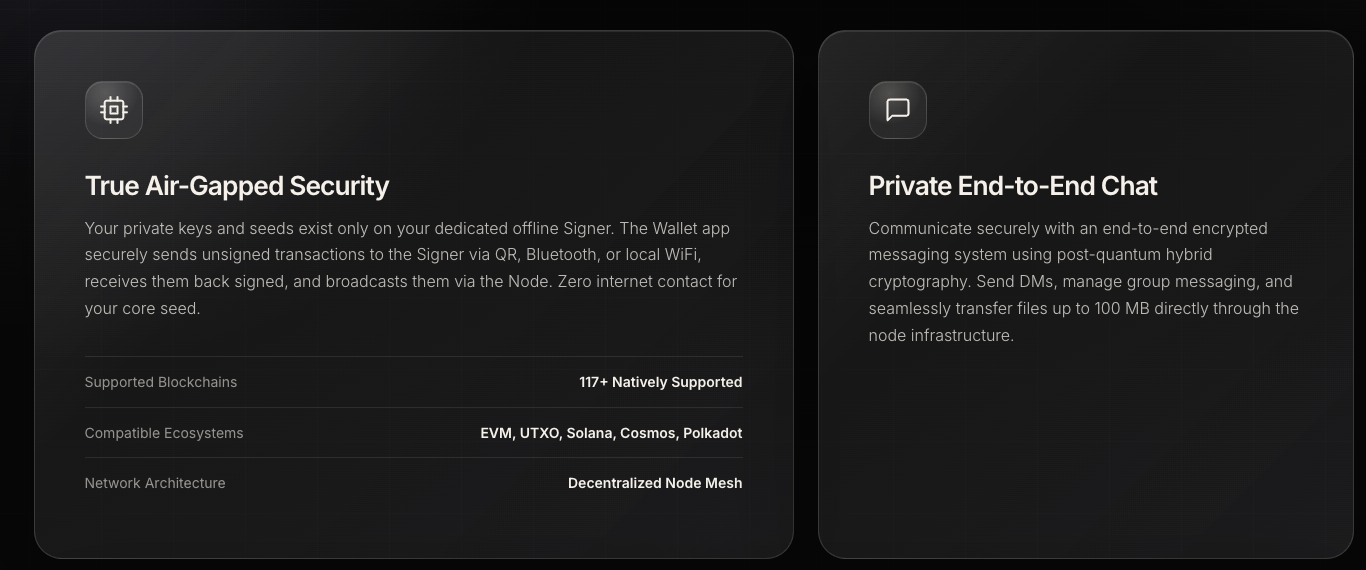
Поскольку проект все еще находится на ранней стадии, многие технические детали и функциональные возможности продукта нуждаются в дальнейшей доработке. Но с точки зрения направления он представляет собой новый подход, зарождающийся в индустрии: безопасность будущих кошельков может определяться не только тем, достаточно ли безопасно устройство, но и тем, достаточно ли четка архитектура системы и достаточно ли полна изоляция.
VIII. Криптоинфраструктура движется от точечных инструментов к целостным системам
Появление безаппаратных кошельков — не изолированное явление. Оно отражает общую тенденцию модернизации криптоинфраструктуры.
Раньше кошельки, коммуникации, хранение, исполнение транзакций часто были разбросаны по разным продуктам. Пользователям приходилось самостоятельно комбинировать различные инструменты и брать на себя множество операционных рисков. В будущем эти функции могут быть интегрированы в более целостную инфраструктуру.
В то же время меняется и оценка безопасности пользователями. Раньше многие полагались на бренд и репутацию устройства. Теперь все больше пользователей и разработчиков начинают обращать внимание на то, является ли код открытым, поддается ли система аудиту, прозрачна ли архитектура.
Другими словами, чувство безопасности смещается от «я доверяю этому бренду» к «я могу понять и проверить эту систему».
В рамках этой тенденции направление, представляемое Lock.com, является видением инфраструктуры безопасности следующего поколения: безопасность не привязана к какому-то одному устройству или производителю, а заложена в саму архитектуру системы.
IX. Индустрия меняет вопрос
В области криптобезопасности происходит важное изменение.
Раньше пользователи чаще всего задавали вопрос: Какой аппаратный кошелек мне купить?
Сейчас все больше людей начинают спрашивать: Какой архитектуре безопасности мне доверять?
Изменение этого вопроса показывает, что понимание безопасности в индустрии углубляется. Аппаратные кошельки за последние десять лет действительно защитили активы огромного числа пользователей, и их историческую ценность отрицать не нужно. Однако с усложнением методов атак, обсуждением рисков квантовых вычислений и появлением новых архитектур изоляции уже не так очевидно, остаются ли аппаратные устройства окончательным ответом.
Инфраструктура криптобезопасности следующего поколения, вероятно, будет меньше зависеть от единичного физического устройства, больше полагаясь на системный дизайн, изоляцию ключей и более перспективные криптографические решения.
Эта трансформация уже началась.