Автор: Vaidik Mandloi
Компиляция: Block unicorn
Предисловие
На прошлой неделе Нью-Йоркская фондовая биржа (NYSE) объявила о планах создания работающей круглосуточно (24/7) платформы для торговли токенизированными ценными бумагами на основе блокчейна. На первый взгляд, это может показаться просто еще одним заголовком на тему «Традиционные финансы осваивают блокчейн». Для тех, кто следил за криптовалютной сферой в последние годы, токенизированные акции, расчеты в блокчейне и финансирование через стейблкоины уже стали привычными понятиями.
Однако это объявление направлено не на тестирование новых технологий, а на то, чтобы бросить вызов тем областям рынка, которые редко меняются.
Фондовые рынки по-прежнему используют фиксированные торговые часы и механизмы отложенного расчета, главным образом потому, что эта система эффективно управляла рисками на протяжении десятилетий. Торговля ведется в короткие временные окна, а клиринг и расчеты происходят позже. Значительные средства простаивают между моментом сделки и ее расчетом, чтобы поглотить контрагентский риск. Хотя эта система стабильна, она также медленная, дорогая и все больше расходится с тем, как движутся глобальные капиталы.
Предложение NYSE напрямую бросает вызов этой структуре, переосмысливая то, как рынок обрабатывает время. Торговая площадка, которая никогда не закрывается, расчеты, приближенные ко времени исполнения, меньше периодов, когда цены не обновляются, но риски остаются — все это указывает в одном направлении.
В отличие от криптовалютных рынков, построенных в иных условиях, традиционные фондовые рынки могут приостанавливать торги или задерживать расчеты. Криптовалютные рынки, напротив, работают непрерывно — ценообразование, исполнение и расчеты происходят в реальном времени, мгновенно отражая риски, а не откладывая их на потом. Хотя у такой конструкции есть свои недостатки, она устраняет неэффективность, присущую системам, основанным на времени, от которых все еще зависят традиционные рынки.
NYSE сейчас пытается интегрировать элементы модели непрерывной торговли в регулируемую среду, сохраняя при этом защитные механизмы, поддерживающие стабильность фондового рынка. В этой статье подробно рассматривается, как на самом деле будет работать NYSE, и почему это не просто броский заголовок.
Почему это не «еще одно объявление о токенизации»
Акцент в объявлении NYSE сделан не на самой токенизации акций. Токенизация акций существует в различных формах уже много лет, но большинство попыток провалились. Отличие здесь в том, кто является инициатором токенизации и на каком уровне они действуют.
Предыдущие попытки запустить токенизированные акции были направлены на их репликацию вне основного рынка, например, токенизированные акции FTX, продукты токенизированного акционерного капитала от Securitize, а также синтетические продукты на акции, построенные на таких протоколах, как Mirror и Synthetix. Эти продукты торговались на разных торговых площадках, в разное время и зависели от ценовых данных рынков, которые часто закрывались. Следовательно, им было трудно получить постоянную ликвидность, и в основном они использовались как нишевые продукты доступа, а не как основные рыночные инструменты.
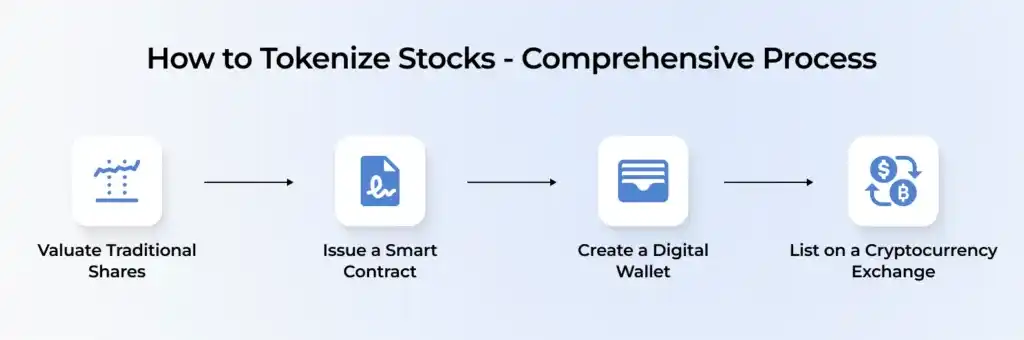
Все эти ранние попытки происходили за пределами первичного рынка акций. Они не меняли способ выпуска акций, способ расчета по сделкам и не меняли подход к управлению рисками внутри реальной системы ценообразования.
Однако NYSE подходит к этой проблеме изнутри. Она не запускает параллельный продукт, а меняет способ торговли и расчетов внутри регулируемой биржи. Сами ценные бумаги остаются прежними, но то, как ими торгуют и рассчитываются по ним, со временем изменится.
Самая важная часть этого объявления — решение совместить непрерывную торговлю с расчетами в блокчейне. Любое из этих двух изменений можно было реализовать отдельно. NYSE могла бы увеличить время торгов без внедрения блокчейна или попробовать выпуск токенов, не влияя на время торгов. Однако NYSE решила объединить оба подхода. Это указывает на то, что фокус биржи сосредоточен не на удобстве торговли или пользовательском опыте, а на том, как работают риски и капитал, когда рынок работает непрерывно.
Значительная часть современной рыночной инфраструктуры создана для应对所谓的 «временного разрыва». Когда рынок закрывается, торговля останавливается, но позиции остаются открытыми. Даже если цены не меняются, риски и exposure (риск подверженности) сохраняются. Для управления этими разрывами брокерам и расчетным организациям требуются залоги и буферные средства, которые остаются заблокированными до завершения расчетов. Этот процесс, хотя и стабильный, становится менее эффективным по мере ускорения торгов, роста глобального участия и увеличения объема торговой активности вне местного торгового времени.
Непрерывная работа рынка и ускорение расчетов по сделкам могут сократить этот разрыв. Риски обрабатываются по мере их возникновения, а не откладываются на ночь или на несколько дней. Это не устраняет риски, но сокращает время, в течение которого капитал простаивает только для покрытия неопределенности, связанной со временем. Это именно та проблема, которую пытается решить NYSE.
Именно поэтому финансирование на основе стейблкоинов вписывается в эту модель.
Сегодня наличные деньги и ценные бумаги перемещаются через разные системы и часто следуют разным графикам, что приводит к задержкам и дополнительной координации. Использование ончейн-наличных позволяет сторонам сделки синхронизироваться, не需要 ждать внешних платежных систем. В сочетании с непрерывной торговлей это имеет решающее значение для глобальных рынков, где информация и инвесторы активны круглосуточно. Цены могут корректироваться в реальном времени по мере выхода новостей, а не через несколько часов при следующем открытии рынка, как это было раньше. Однако, улучшит ли это поведение рынка в условиях стресса, еще предстоит выяснить, и в этом заключается真正的 значимость этих изменений.
Изменения внутри рынка
Простое, но важное следствие предложения NYSE проявляется в том, как за кулисами происходит клиринг и расчеты по сделкам. Сегодня фондовые рынки сильно зависят от неттинга. Миллионы сделок взаимно компенсируются до расчета, уменьшая необходимые денежные средства и залоги. Это хорошо работает в системе с фиксированным временем торгов и отложенным расчетом, но она также полагается на временные разрывы для эффективной работы.
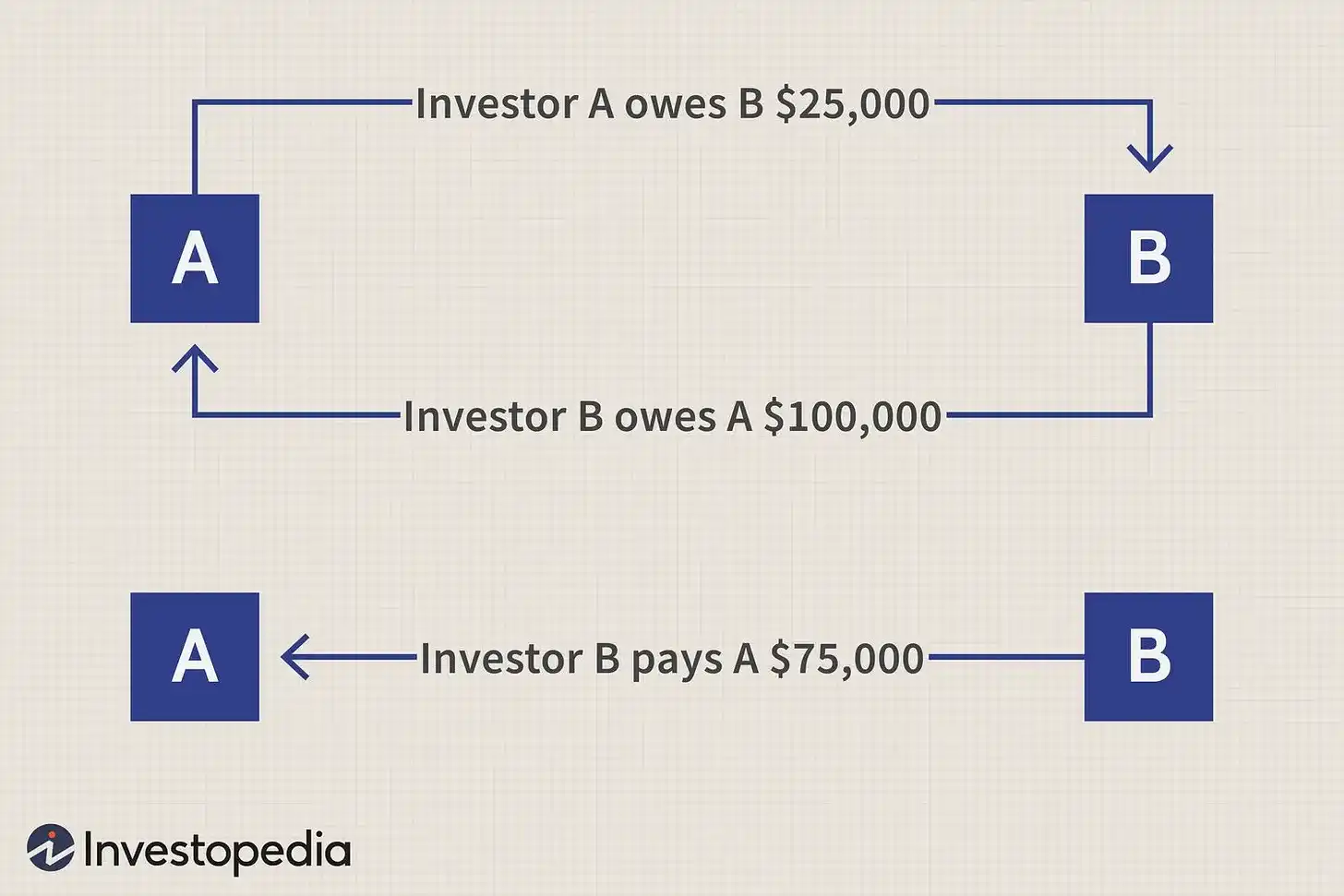
Непрерывная торговля и более быстрые расчеты меняют способ клиринга сделок. Когда расчеты ускоряются, возможности компенсировать большую торговую активность посредством ежедневного неттинга уменьшаются. Это означает, что часть эффективности, достигаемой за счет пакетной обработки, снижается. Следовательно, брокерам, клиринговым членам и поставщикам ликвидности придется управлять средствами и рисками в течение всего торгового дня, а не полагаться на процесс ночного расчета для поглощения и распределения рисков.
Маркет-мейкеры и крупные посредники первыми адаптируются к этим изменениям. В текущей модели они могут держать инвентарь и корректировать позиции в соответствии с предсказуемыми циклами расчетов. По мере ускорения расчетов и непрерывности торгов оборот позиций ускоряется, и средства должны быть доступны быстрее. Компании, которые уже используют автоматизированные проверки рисков в реальном времени и гибкую ликвидность, смогут легче справиться с этим. Другие же столкнутся с более жесткими ограничениями, поскольку у них будет меньше времени на ребалансировку позиций или依赖 расчетов на следующий день.
С короткими продажами и securities lending (ссудой ценных бумаг) возникает такое же давление. В настоящее время заимствование акций, поиск инвентаря и решение проблем с расчетами обычно требуют нескольких шагов и временных окон. Когда сроки расчетов сокращаются, эти шаги сжимаются, что затрудняет продление случаев неудачи поставки (delivery failures), а стоимость займа и доступность быстрее адаптируются к изменениям на рынке.
Самое важное здесь то, что большая часть воздействия ощущается за кулисами. Розничные пользователи на уровне интерфейса могут не заметить больших изменений, но институты, предоставляющие ликвидность и финансирующие позиции, сталкиваются с более жесткими временными ограничениями. Некоторые точки трения устраняются, а другие становятся более заметными. Время больше не может, как раньше, компенсировать ошибки, система должна оставаться синхронизированной в течение всего торгового дня, а не корректироваться задним числом.
Следующие за этим эффекты второго порядка
Как только рынок перестает полагаться на время как на буфер, начинают действовать другие ограничения. Это сначала проявляется в том, как крупные институты повторно используют капитал внутри себя. Сегодня один и тот же баланс может поддерживать позиции в течение нескольких расчетных циклов, потому что со временем обязательства в конечном итоге компенсируют друг друга. Но по мере ужесточения расчетных циклов такое повторное использование становится сложнее. Капитал должен быть доступен раньше и точнее, что незаметно меняет внутренние решения по распределению капитала, ограничивает использование杠杆 и меняет то, как оценивается ликвидность в периоды волатильности рынка.
Другое следствие — то, как распространяется волатильность. На рынках, основанных на пакетной обработке, риски имеют тенденцию накапливаться в периоды простоя, а затем высвобождаться в предсказуемые моменты, такие как открытие или закрытие. Когда торговля и расчеты непрерывны, этот эффект кластеризации перестает работать. Колебания цен分散ляются во времени, а не концентрируются в определенных временных окнах. Это не делает рынок более спокойным, но确实 затрудняет прогнозирование и управление волатильностью, а также应对 старыми стратегиями, которые полагаются на паузы, сбросы или простои.
Это также влияет на координацию между разными рынками. Сегодня значительная часть price discovery (обнаружения цен) происходит не на основных фондовых площадках, а через фьючерсы, ETF и другие инструменты-посредники, в основном потому, что базовые рынки закрыты. Когда основные торговые площадки остаются открытыми и ускоряют расчеты, важность этих обходных путей снижается. Арбитражные возможности вернутся на основные рынки, изменяя модели ликвидности деривативов и уменьшая потребность в хеджировании рисков через косвенные инструменты.
Наконец, это меняет саму роль биржи. Биржа перестает быть просто организатором торгов и больше участвует в координации рисков. Это увеличивает ответственность биржи во время стрессовых событий и сокращает расстояние между торговой инфраструктурой и управлением рисками.
В совокупности эти эффекты объясняют, почему это важно, даже если это не изменит immediately внешний вид или атмосферу рынка. Воздействие проявляется постепенно, в том, как повторно используется капитал, как волатильность распространяется с течением времени, как арбитражная активность смещается к основным торговым площадкам и как управляются балансы в более жестких условиях. Это не краткосрочные улучшения или поверхностные обновления, а структурные изменения,重塑内部ние стимулы системы. Как только рынки начнут работать таким образом, отменить эти изменения будет сложнее, чем当初 принять их.
В современной структуре рынка задержки и многоуровневые посредники служат буфером при возникновении проблем, позволяя им проявиться позже, убыткам поглощаться постепенно, а ответственности распределяться во времени и между учреждениями. Но по мере сокращения временных линий этот буферный эффект ослабевает. Решения по финансам и рискам все ближе к моменту исполнения. Пространство для сокрытия ошибок или отсрочки последствий становится все меньше, поэтому сбои проявляются раньше и их легче отследить.
NYSE тестирует, может ли крупный регулируемый рынок нормально функционировать в этих условиях, не полагаясь на задержки в торговле для управления рисками. Сокращение времени между торговлей и расчетом означает, что остается меньше пространства для корректировки позиций, распределения средств или устранения проблем постфактум. Это изменение заставляет проблемы проявляться в ходе обычной торговли, а не откладываться на последующие процессы, ясно выявляя слабые места рынка.