Оригинал | Odaily Planet Daily (@OdailyChina)
Автор | jk
В марте 2026 года в Лондоне состоялся UK AI Agent Hackathon 2026, организованный Блокчейн-ассоциацией Имперского колледжа Лондона. Этот хакатон, построенный вокруг технологического фреймворка OpenClaw, привлёк более 1200 зарегистрированных участников, а в день Demo Day было установлено рекордное количество одновременных онлайн-зрителей — 5000 человек, что в какой-то момент позволило мероприятию возглавить мировой рейтинг трендов платформы X.
Многие участники считают его «первым в мире университетским хакатоном по OpenClaw». Отец OpenClaw Питер Штайнбергер лично прилетел в Лондон ради этого события.

Какие проекты были самыми интересными?
7 марта команды из различных университетов представили прототипы продуктов, созданные за неделю, охватывающие широкий спектр областей — от сельского хозяйства до биобезопасности, от городского управления до защиты DeFi. Вот 6 проектов, на которые стоит обратить внимание:
AgroMind: спутниковые данные + AI Agent, делающие хеджирование рисков в сельском хозяйстве реальностью
AgroMind интегрирует спутниковый мониторинг урожая, метеорологические данные и рыночные сигналы, создавая систему прогнозирования и автоматического хеджирования рисков в цепочках поставок сельхозпродукции. Её ключевой сценарий — автоматизированный рабочий процесс хеджирования.
Информационная асимметрия в сельскохозяйственных цепочках поставок всегда была вопросом денег. Резкие колебания цен на сырьевые товары часто вызваны климатическими проблемами, возникшими в каком-то регионе месяцами ранее, а рынок реагирует только после появления новостей. AgroMind стремится заполнить этот пробел. Он объединяет спутниковый мониторинг урожая, погодные данные и рыночные сигналы. Когда спутниковые снимки показывают ранние признаки засухи в регионе выращивания сои в Бразилии, ещё до каких-либо официальных отчетов, система уже работает. Она проверяет запасы пользователя и текущую волатильность рынка, разрабатывает стратегию хеджирования и, при подходящих условиях, размещает ордер на товарной бирже. Это скорее не инструмент ИИ, а аналитик, который сидит перед спутниковыми снимками и следит за рынком за вас, с той лишь разницей, что он не спит.
ClawBio: Hugging Face для биоинформатики
В биоинформатике существует давняя проблема: передовые инструменты анализа и знания в основном заперты в нескольких университетах и handful фармацевтических компаний, и обычные исследователи просто не имеют к ним доступа. То, что пытается сделать ClawBio, по аналогии понять легко — это повторить в области биоинформатики то, что Hugging Face сделал с моделями ИИ. Это открытый репозиторий биологических навыков, содержащий проверенные, воспроизводимые аналитические навыки, которые любой агент может напрямую использовать, включая скрининг токсинов и идентификацию опасных биологических функций. Есть один интересный сценарий: пользователь фотографирует упаковку лекарства, агент использует навыки ClawBio для запроса локального геномного архива и через несколько секунд возвращает персонализированную карту дозировки. Данные обрабатываются локально на протяжении всего процесса и не загружаются на какие-либо серверы. Такой подход «Local-First» особенно важен в сценариях здравоохранения и необходим для защиты конфиденциальности.
BioSentinel: от идентификации патогенов до кандидатов в лекарства, сквозная автоматизация
BioSentinel делает нечто более амбициозное. Его отправная точка — глобальные данные общественного здравоохранения. Система постоянно собирает информацию из таких источников, как ВОЗ, CDC, CIDRAP, и, как только идентифицирует новую угрозу, автоматически определяет белки-мишени патогена, а затем использует инструменты вычислительной биологии RFdiffusion и ProteinMPNN для разработки потенциально эффективных кандидатов в терапевтические связывающие молекулы. Каждый кандидат проходит проверку в базе данных токсинов, прежде чем перейти к следующему шагу, чтобы гарантировать, что по ошибке не будет создано ничего опасного. Весь процесс можно запускать через чат-интерфейс. Исследователям не нужно вручную запускать команды, они просто формулируют запрос, а агент сам调度ирует инструменты; это значительно снижает порог вхождения в вычислительную биологию.
«Нервная система Лондона»: от умного города к «мыслящему городу»
Отправная точка этого проекта проста: Лондон ежедневно генерирует огромное количество данных с датчиков — транспорт, качество воздуха, состояние инфраструктуры, — но эти данные в основном разрозненны, и никто не знает, в каком состоянии город находится в реальном времени.
Команда проекта использовала OpenClaw для одновременного подключения к мониторингу трафика в реальном времени, датчикам качества воздуха и данных финансовых рынков. Если качество воздуха в каком-то районе внезапно ухудшается, система не просто ставит отметку в журнале, она активно рассылает рекомендации по маршрутам с низким уровнем загрязнения nearby школам и commuters. Если где-то выходит из строя уличное освещение или датчик, система реагирует гораздо быстрее, чем при ожидании ручного сообщения. Долгосрочная цель команды — открыть эту framework для местных властей, интегрировав её с существующими городскими системами, а не создавать что-то с нуля.
Highstreet AI: создание «цифрового сотрудника» для лондонских уличных магазинчиков
Подавляющее большинство продуктов ИИ разрабатывается с оглядкой на tech-компании, а не на那小yю seafood закусочную на Кингстон-стрит. Highstreet AI как раз и пытается устранить этот разрыв.
Он ориентирован на малый и средний бизнес, который ежедневно получает заказы по email, WhatsApp и телефону, но не имеет никаких IT-систем. Решение Highstreet — развернуть группу协作 агентов: один отвечает за распознавание входящих запросов, другой проверяет актуальные запасы, третий готовит счета и ссылки для оплаты, а на dashboard владельца бизнеса остаётся только кнопка «Подтвердить».
Человеку нужно сделать только этот последний шаг подтверждения. По словам Highstreet, эта система может экономить владельцу магазина более 10 часов в неделю, и для этого не требуется никаких технических знаний.
AlphaMind AI: предоставление обычным частным инвесторам логики институциональных инвестиций
Между обычными частными инвесторами и институциональными инвесторами существует глубокая пропасть, вызванная не только разницей в объемах капитала, но и различиями в аналитических возможностях и скорости реагирования.
AlphaMind — это продукт, предназначенный для填补 этого пробела. Пользователи могут сравнить свой инвестиционный портфель с открытыми позициями, например, Баффетта, но система не просто показывает вам сравнительную диаграмму: с помощью агента OpenClaw она анализирует риск концентрации ваших активов across нескольких брокеров и бирж, а затем автоматически выполняет операции ребалансировки. Её позиционирование таково: прошлые инструменты говорили вам, что произошло, AlphaMind говорит вам, почему это произошло, а затем处理掉 это за вас.
Личное присутствие «крёстного отца лобстеров» Питера Штайнбергера
В ноябре австрийский разработчик Питер Штайнбергер выпустил проект под названием «Clawdbot»: вы могли отправлять ему сообщения через Telegram или WhatsApp, а он помогал управлять календарём, обрабатывать почту, запускать скрипты и даже просматривать веб-страницы. Никто не ожидал, что этот проект всего за два месяца захлестнёт мировое сообщество ИИ. OpenClaw стал вирусным в конце января 2026 года, а 14 февраля Штайнбергер объявил о joining OpenAI для разработки следующего поколения персональных AI Agent, в то время как проект OpenClaw был передан на попечение независимого open-source фонда. Именно этот разработчик, недавно ставший центральной фигурой в мире ИИ, приехал в Лондон из-за этого хакатона.
Эта поездка в Лондон чуть не сорвалась. Организаторы透露, что незадолго до вылета у Питера внезапно возникли проблемы с визой, «вся команда基本上慌了», и проблема была решена лишь чудом за два дня до начала мероприятия. После решения визового вопроса он специально поменял авиабилет, чтобы успеть принять участие во всех запланированных мероприятиях. Когда он впервые вошел в аудиторию Имперского колледжа, он просто смотрел в телефон, делая заметки и готовясь к выступлению, без丝毫 позёрства «AI-знаменитости».
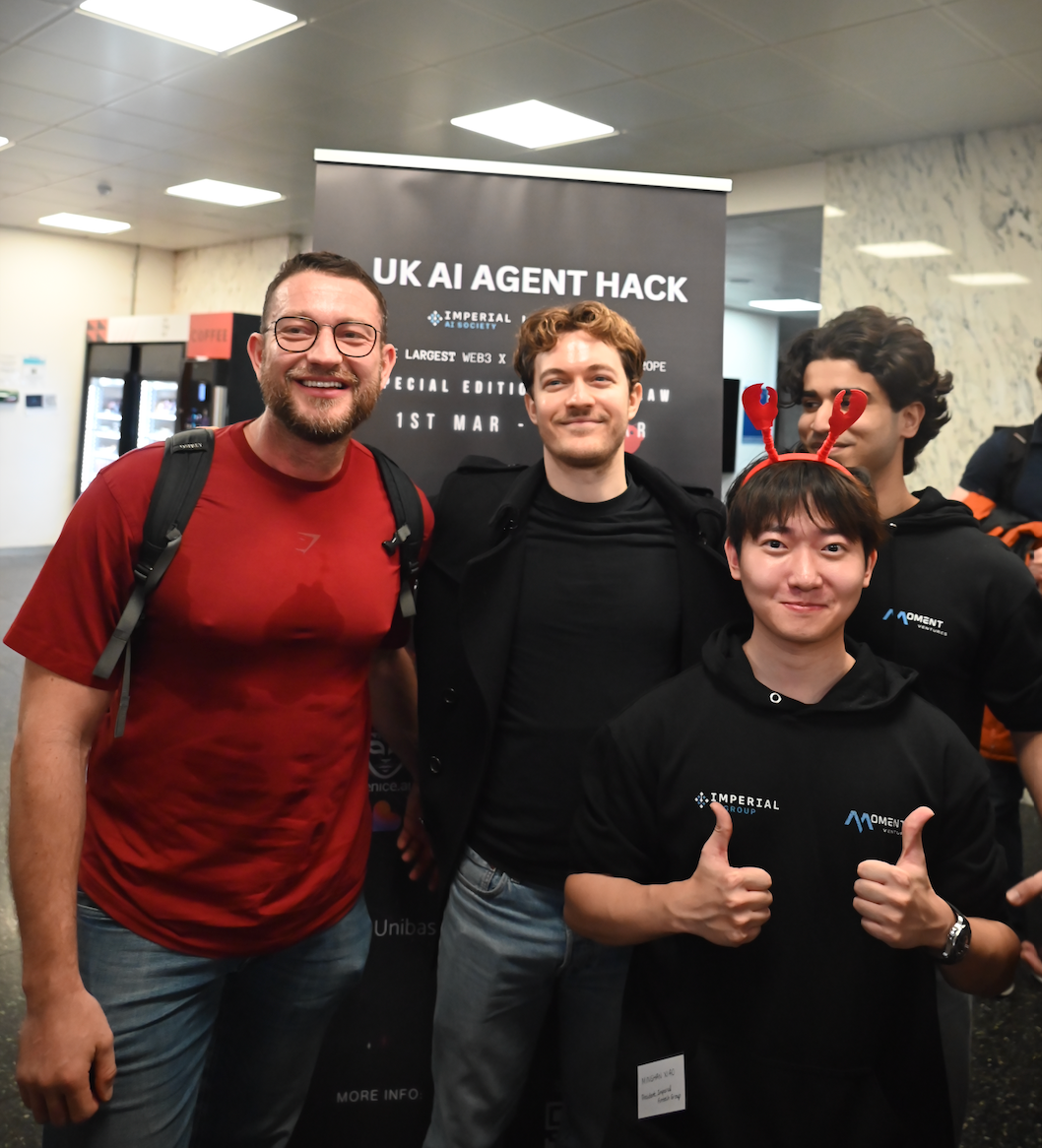
Питер на этом хакатоне
На последующей венчурной вечеринке Sequoia один разработчик, который не смог достать билет, стоял снаружи под лондонским дождём, и Питер, заметив его, не раздумывая, подошёл и заговорил с ним. На глобальные вопросы вроде «Как взрывной рост агентов изменит будущее базовых больших моделей?» он отвечал прямо и честно: «Я не знаю. Я больше擅长 использовать подручные инструменты для создания интересных вещей». Выступление было запланировано на 30 минут, но атмосфера была такой хорошей, а вопросы зрителей нескончаемыми, что Питер задержался более чем на два часа. Организаторы事后 сказали: «Это многое для нас значит, и, по справедливости, мы должны ему извинения.»
Уезжая из Лондона, Питер оставил фразу: «Ты не ищешь смысл, ты создаёшь его.» Возможно, это именно те слова, которые больше всего нужно услышать каждому, кто хочет добиться чего-то в эпоху ИИ.
OpenClaw × Web3: огромный потенциал, но безопасность — главное препятствие
Сам Штайнбергер не питает особых симпатий к криптосообществу, но список заявок на этот хакатон явно контрастирует с его личной позицией. На странице проекта на DoraHacks появилось несколько направлений, где Web3 может быть конкретно реализован.
- Идентичность и суверенитет Агента — самая частая тема. clawOS построен на протоколе Nostr, каждый агент имеет независимую идентичность и кошелёк и не зависит от какой-либо платформы; Cortex.OS пытается решить проблему чёрного ящика ИИ в Web3, сделав каждый шаг принятия решений агентом отслеживаемым в链上.
- Прямое управление деньгами — другое направление. Trading Narwhal и Vibe4Trading делают ставку на то, что агенты эволюционируют от辅助 наблюдения за рынком до直接执行 сделок, хотя сама архитектура OpenClaw не очень дружелюбна к приватным ключам.
- Управление и общественный надзор также породили несколько интересных проектов: WatchDog использует 6 автономных агентов для постоянного сканирования государственных контрактов Великобритании на предмет аномалий, CivicLift позволяет гражданам взаимодействовать с местными властями через агентов, а GreenClaw создаёт городской центр управления безопасностью с помощью multi-agent协作.
Но на протяжении всего этого безопасность остаётся самым труднопреодолимым препятствием для входа OpenClaw в Web3. Агент может получить доступ к вашим файлам, API и системе, но ничто не监视ит, что именно он делает. В сценариях, связанных с реальными активами, к использованию OpenClaw still следует подходить с осторожностью.







