За 4 дня Amazon объявил о дополнительных инвестициях в 250 миллиардов долларов, а Google — об инвестициях до 400 миллиардов долларов. Два прямых конкурента сделали ставку на одну и ту же стартап-компанию в области ИИ на сумму более 650 миллиардов долларов. Вместо того чтобы рассматривать развитие Anthropic с точки зрения венчурного капитала, лучше рассматривать это как начало нового раунда войны за облачные технологии.
Google и Amazon являются прямыми конкурентами на мировом рынке облачных услуг, и то, что они одновременно делают ставку на одну и ту же компанию-разработчика моделей, само по себе является аномальным сигналом — они предпочитают сдерживать друг друга, а не позволить кому-то одному завладеть этим стратегическим активом. Здесь может быть три скрытых сигнала:
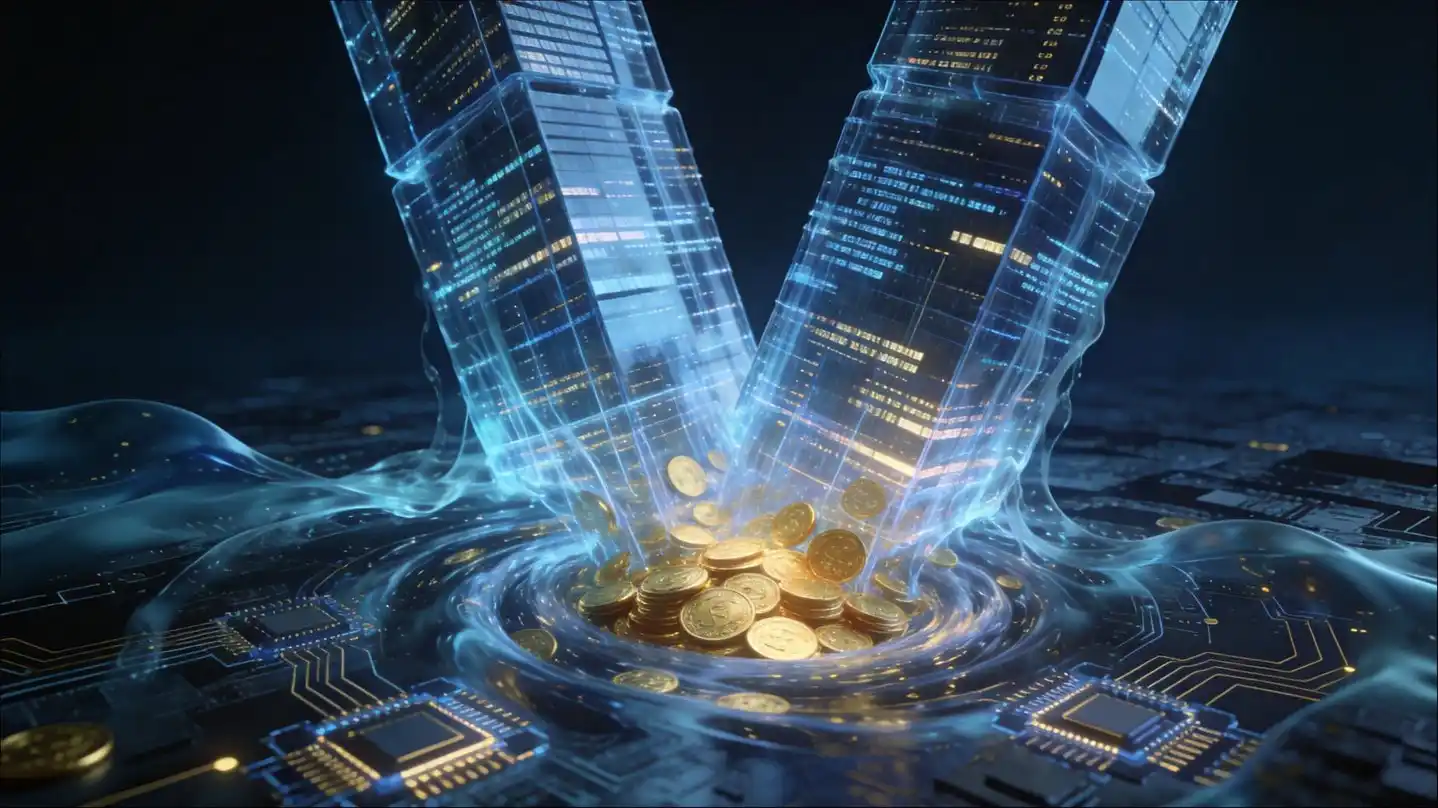
- Инвестиции гигантов в Anthropic — это не покупка доли, а предзаказ на вычислительные мощности. 650 миллиардов долларов, выделенные Amazon и Google, каждый цент сопровождается условиями отката — деньги, полученные Anthropic, должны быть потрачены обратно на облачные услуги и чипы инвесторов в объеме триллионов долларов. Суть этой сделки заключается в том, что поставщики вычислительных мощностей ищут крупного клиента для своих производственных мощностей.
- Логика конкуренции на облачном рынке полностью изменилась. Раньше предприятия выбирали облако исходя из цены и стабильности, теперь же они выбирают «на чьем облаке работает лучшая модель». Модели взяли вычислительные мощности в заложники: кто теряет опорную точку на уровне моделей, тот теряет корпоративных клиентов. OpenAI привязан к Microsoft, а Anthropic стала единственным объектом борьбы для Google и Amazon.
- Инфраструктура ИИ в Китае и США демонстрирует различные тенденции развития — но это не просто бинарная оппозиция «закрытость против открытости». На обоих рынках одновременно существуют как закрытые, так и открытые линии, а различия заключаются в пропорциях доминирующих сил и глубине связей. Открытая стратегия DeepSeek дала китайскому рынку альтернативный вариант, отличный от трехполюсной закрытости США, но устойчивость этого варианта еще предстоит проверить.
Слово «инвестиции» скрывает истинную структуру сделки
650 миллиардов долларов, направленные в одну компанию, одному конкуренту, борются за опорную точку, которую нельзя потерять.
Если перевести на язык бизнеса, условия Amazon таковы: сначала поступает 5 миллиардов долларов, а последующие 20 миллиардов долларов выплачиваются по достижении «определенных коммерческих вех». В качестве встречного условия Anthropic обязуется в течение следующих десяти лет инвестировать в технологические продукты AWS более 1000 миллиардов долларов, включая существующие и новые поколения собственных AI-чипов Amazon Trainium.
Условия Google таковы: сначала поступает 10 миллиардов долларов, и если Anthropic достигнет целевых показателей, будет добавлено еще 30 миллиардов долларов, а Google Cloud в течение следующих пяти лет предоставит около 5 гигаватт вычислительной мощности. Что означает 5 гигаватт? Это эквивалентно выходной мощности средней электростанции.
Деньги движутся в двух направлениях.
Anthropic получает финансирование, но, получая деньги, она также должна тратить их обратно — на облачные услуги инвесторов, на их чипы, на их вычислительные кластеры. Это не модель венчурного капитала «даем деньги, чтобы вы их сжигали», это ближе к финансированию поставщика вычислительных мощностей: гиганты используют инвестиции, чтобы закрепить крупного клиента, по сути, получая предзаказы на свои вычислительные мощности.
Если говорить более прямолинейно: Google и Amazon ставят не на то, насколько вырастет оценка Anthropic, они ставят на то, сколько вычислительных мощностей будет持续消耗лять Claude.
Среди этого «почему именно Anthropic» более важно ответить, чем «почему инвестируют так много денег».
Чтобы понять, почему Google и Amazon должны делать ставку на Anthropic, сначала нужно понять, что уже получила Microsoft, и почему у них нет второго выбора.
Microsoft еще в 2019 году начала тесно связываться с OpenAI, тогда инвестиции в 1 миллиард долларов плюс эксклюзивная вычислительная поддержка Azure принесли приоритетное право развертывания моделей OpenAI в облаке Azure. После этого, с взрывным ростом GPT-3 и GPT-4, бесчисленные корпоративные клиенты перешли на Azure, чтобы использовать самые передовые модели — не ради серверов Microsoft, а ради моделей OpenAI. Право выбора вычислительных мощностей уже захвачено моделями. Более того, отношения между Microsoft и OpenAI в последние годы углубляются, а эксклюзивные условия делают практически невозможным вмешательство других облачных провайдеров.
Конкуренция на облачном рынке уже сместилась с «чей сервер дешевле» на «на чьем облаке работает лучшая модель». Кто теряет опорную точку на уровне моделей, тот теряет затраты на миграцию корпоративных клиентов. Опорная точка OpenAI долгое время считалась собственностью Microsoft, но на самом деле за последний год в их отношениях появилась трещина — OpenAI уже активно действует в области мультиоблачного распределения и продвигает независимое развертывание собственной вычислительной инфраструктуры, больше не рассматривая Azure как единственный коммерческий выход.
Это, в свою очередь, вызывает еще большую тревогу у Google и Amazon: они делают ставку на Anthropic не только потому, что не могут получить OpenAI, но и потому, что OpenAI растет самостоятельно и строит свои вычислительные мощности, и никто не может独占ить его вечно.
У Google есть Gemini, у Amazon есть Nova, но проникновение этих двух собственных моделей на enterprise-рынке jauh уступает Claude и GPT. В течение окна возможностей этого поколения моделей, ускорение догоняющего развития未必 имеет высокую рентабельность, привязка к уже проявившей себя модельной компании反而更务实. Anthropic's Claude — единственная достойная привязки цель в этом окне.
Одна цифра достаточно говорит о проблеме: 7 апреля 2026 года Anthropic disclosed, что ее годовой доход (ARR) достиг 30 миллиардов долларов, что на 233% больше, чем 9 миллиардов долларов в конце 2025 года. ARR в 30 миллиардов долларов — это не видение в PowerPoint, это доход, сложенный из платных контрактов — Claude стала самой незаменимой не собственной моделью на корпоративном рынке ИИ.
И в этом же месяце Anthropic также приобрела за около 400 миллионов долларов стартап в области биотехнологического ИИ Coefficient Bio, которому всего 8 месяцев, впервые выйдя в сферу наук о жизни. История Anthropic уже не просто о модельной компании — она становится инфраструктурным слоем ИИ, охватывающим несколько вертикальных отраслей.
Вот почему Google и Amazon предпочитают «содержать конкурента», а не позволить ему быть связанным кем-то другим.
Почему сейчас — повторный «захват земель» в облачной войне
Если взрыв больших моделей в 2023 году был годом технологий, 2025 год — годом внедрения мультимодальности и агентов, то главной темой 2026 года уже стало: ресурсы ИИ ускоряют концентрацию у ведущих платформ,格局 облачной войны переписывается.
За последние几个月 произошло несколько值得 отметить событий:
- В сентябре 2025 года Anthropic завершила раунд финансирования серии F на 13 миллиардов долларов, а ее оценка взлетела до 183 миллиардов долларов;
- В том же месяце Anthropic объявила о сотрудничестве с Google и Broadcom для создания кластера TPU мощностью 3,5 гигаватта;
- В феврале 2026 года Anthropic завершила раунд финансирования серии G (сумма неизвестна), оценка составила около 350 миллиардов долларов;
- 12 марта 2026 года Anthropic объявила о создании Claude Partner Network, инвестировав 100 миллионов долларов в построение экосистемы внедрения для предприятий;
- 6 апреля 2026 года в документе SEC Broadcom disclosed, что Anthropic подписала соглашение с Google и Broadcom о получении с 2027 года около 3,5 гигаватт вычислительной мощности следующего поколения TPU, соглашение действует до 2031 года.
Эта серия действий указывает на один и тот же вывод: Anthropic уже прошла этап «доказательства своей состоятельности» и вышла на轨道 масштабного扩张. Ее потребности — это вычислительные мощности, таланты и клиенты; потребности облачных гигантов — закрепить этого клиента, помешать противнику закрепить его. Интересы сторон в этот момент точно пересекаются.
350 миллиардов долларов — эта цифра, независимо проверенная Amazon и Google за 4 дня, — это цена, которую рынок установил за эту битву за земли.
Для Anthropic эти два вливания денег, конечно, выгодны. ARR превышает 30 миллиардов, два облачных провайдера обеспечивают поддержку,筹码 для IPO как никогда достаточны — это лучшие времена.
Но обратная сторона медали同样 реальна.
Первое ограничение: независимость подвергается эрозии. Одновременное участие двух прямых конкурентов в капитале крайне редко встречается в бизнес-истории. У Google есть Gemini, Amazon продвигает Nova, они находятся как в кооперации, так и в потенциальной конкуренции с Anthropic. Когда интересы расходятся — например, если продуктовый путь Anthropic вступает в прямой конфликт с собственными моделями инвесторов — Anthropic придется идти по канату между двумя «арендодателями».
Когда Google вошел в капитал Anthropic в 2023 году с первоначальным раундом в 300 миллионов долларов, он получил около 10% акций, и с тех пор продолжал увеличивать ставки. Теперь два гиганта одновременно имеют право голоса в совете директоров, и каждое стратегическое решение Anthropic должно находить точку равновесия в щели между двумя линиями интересов.
Второе ограничение: narrative безопасности находится под давлением. Anthropic основала себя на «Конституционном ИИ», разграничив с OpenAI приоритетом безопасности. Но именно флагманская модель Claude Mythos, которая в этом месяце вызвала исключительное развертывание Белым домом, стала объектом сложных соображений национальной безопасности из-за ее мощных возможностей киберзащиты и атак. Ранее, в феврале 2026 года, администрация Трампа приказала федеральным агентствам прекратить использование Claude. Проявляется эффект обоюдоострости narrative безопасности — Anthropic впервые не смогла действовать по своим принципам из-за слишком сильной модели. По мере роста коммерческого давления坚守 «границ безопасности» будет становиться все труднее.
Третье ограничение: дамоклов меч IPO. За оценкой в 350 миллиардов долларов стоит необходимость для инвесторов пути выхода. Терпение публичного рынка к историям роста ограничено, когда «идеал Дарио» сталкивается с давлением квартальной отчетности, как долго продержится narrative «компании общественного блага» — это загадка, оставленная на 2027 год. По оценкам рыночных голосов, если исходить из常规比例 разводнения, объем привлечения средств при IPO Anthropic может достигать сотен миллиардов долларов — и эта оценка еще не подтверждена официально.
Индустрия ИИ Китая: те же две линии, разные пропорции
Возвращаясь на уровень индустрии,深远 влияние этих двух сделок, возможно, будет fully оценено только через много лет.
Необходимо交代 один背景: Claude от Anthropic, как и GPT от OpenAI, идет по закрытому коммерческому пути — веса модели не открыты, предприятия могут обращаться к ним только через официальный API Anthropic или合作云平台 (AWS Bedrock, Google Cloud Vertex AI). Это означает, что когда три крупнейших в мире провайдера облачных услуг — Microsoft, Google, Amazon — используют капитал для привязки компаний закрытых моделей,形成三组 «модель-облако» исключительной привязки: OpenAI может получить оптимальные условия развертывания только на Azure, обязательства Claude по вычислительным мощностям должны тратить деньги обратно на AWS и Google Cloud.
Если корпоративные клиенты просто используют API Claude для генерации текста, замена модели изменением нескольких строк кода может быть завершена, стоимость миграции не высока. Но если Claude уже глубоко嵌入 business-процессы — построена полная агентская система на основе Claude, весь prompt engineering настроен для Claude, внутренняя база знаний глубоко интегрирована с Claude Enterprise,同时 используются配套服务 AWS по compliance и аудиту — то стоимость смены модели — это не просто смена конечной точки API. Поведение агента будет непредсказуемым из-за различий моделей, prompt需要重新调优, цепочки вызовов tool需要重写, система compliance需要重新адаптироваться.
По мере увеличения глубины интеграции ИИ на enterprise-стороне, эти затраты на миграцию будут только расти.格局 AI инфраструктуры эволюционирует в направлении «трехполюсной закрытости». внутри каждого полюса, модель, вычислительные мощности, облачные услуги形成 внутренний循环, для глубоко интегрированных корпоративных клиентов пространство выбора сужается.
Но это не вся картина США. Модель Llama от Meta一直是开源的, имеет самую большую в мире экосистему открытых моделей; Маск в 2025 году открыл исходный код Grok; Mistral также идет по открытому пути. Эти открытые модели同样 могут быть свободно развернуты любым облачным провайдером, любым предприятием. На карте ИИ США «трехполюсная закрытость» и «открытое общественное благо» сосуществуют,只是前者在商业规模和资本投入上目前远大于后者.
Вернем взгляд на国内.
Совместные инвестиции Alibaba и Tencent в DeepSeek — компанию, известную своими открытыми моделями — это событие по времени практически同步 с совместными инвестициями Google и Amazon в Anthropic, и его легко прочитать как китайскую версию той же истории. Но底层逻辑 сильно отличается.
Сначала посмотрим на природу самой модели. Claude является закрытым, веса модели никогда не открывались, предприятия могут обращаться к ней только через официальный API Anthropic或特定云平台. DeepSeek идет по открытому пути, веса模型公开发布, любой облачный провайдер, любое предприятие может自行部署. Это фундаментальное различие определяет完全不同的 структуру博弈 двух инвестиций: закрытая модель может быть独占ена облачным провайдером, использоваться для блокировки корпоративных клиентов; открытая модель по своей природе не обладает исключительностью, любой облачный провайдер может развернуть ее, не существует这种东西, как «эксклюзивное право на модель».
Затем посмотрим на структуру сделки. Инвестиции Google и Amazon в 65 миллиардов долларов — это предпродажа вычислительных мощностей: каждый цент, полученный Anthropic, сопровождается обязательством по закупке облачных услуг, со стороны Amazon — расходы на AWS в размере более триллиона долларов в течение следующих десяти лет, со стороны Google — потребление вычислительных мощностей около 5 гигаватт в течение пяти лет. Деньги входят слева, выходят справа,形成闭环. Инвесторы хотят не повышения стоимости акций, а持续消耗 вычислительных мощностей被投方.
А инвестиции Alibaba и Tencent в DeepSeek, согласно currently раскрытой информации, больше接近纯股权投资, без появления类似 условий привязки закупок вычислительных мощностей. Две структуры решают разные проблемы: предпродажа вычислительных мощностей решает разгрузку производственных мощностей облачного провайдера,纯股权投资 решает блокировку战略席位.
Но同样需要承认, что на китайском облачном рынке также存在 силы закрытой循环. У Alibaba есть Tongyi Qianwen, у Tencent — Hunyuan, у Baidu — Wenxin, у Huawei — Pangu — собственные модели четырех крупных облачных провайдеров同样 являются режимом вызова закрытого API,同样形成关系 привязки «модель-облако» на их各自云平台.核心产品智谱 ChatGLM также предоставляет закрытый API. Китайские корпоративные клиенты, если глубоко интегрируют собственную модель какого-либо облачного провайдера,同样 столкнутся с проблемой递增 затрат на миграцию.
Различия заключаются в пропорциях и силах сдерживания.
Более值得关注, это экосистемный эффект, который может принести这种松耦合模式. США движутся к «трехполюсной закрытости»: Microsoft+OpenAI, Google+Anthropic, Amazon+Anthropic, каждая закрытая循环 представляет собой исключительную привязку закрытой модели к特定云平台.
Открытые модели作为 уровня AI инфраструктуры «общественное благо», снижают порог использования моделей для всей отрасли, позволяя更多的中小企业 и разработчикам приложений участвовать в инновациях ИИ. С этой точки зрения, существование DeepSeek действительно дает китайскому рынку替代选项, отличный от纯闭环路线.
Но能否持续这个选项, зависит от трех условий: сможет ли открытая стратегия DeepSeek выдержать под коммерческим давлением, не превратятся ли инвестиции Alibaba и Tencent постепенно в исключительную привязку вычислительных мощностей, а также смогут ли китайские независимые модельные компании持续投入 в追求多元化 вычислительных мощностей.
На данный看来, эти три условия еще не имеют确定答案.
65 миллиардов долларов за 4 дня — это покупка не будущего Anthropic. Покупается: в эпоху, когда ИИ переопределяет все,不想被定义成 «наблюдатель» билет.
И этот билет становится все дороже — настолько дорого, что ни один гигант не смеет缺席, и ни один стартап не смеет支撑下去 только靠自己.(Эта статья впервые появилась в Titanium Media APP, автор | AGI Signal, редактор | Цинь Чунхуэй)