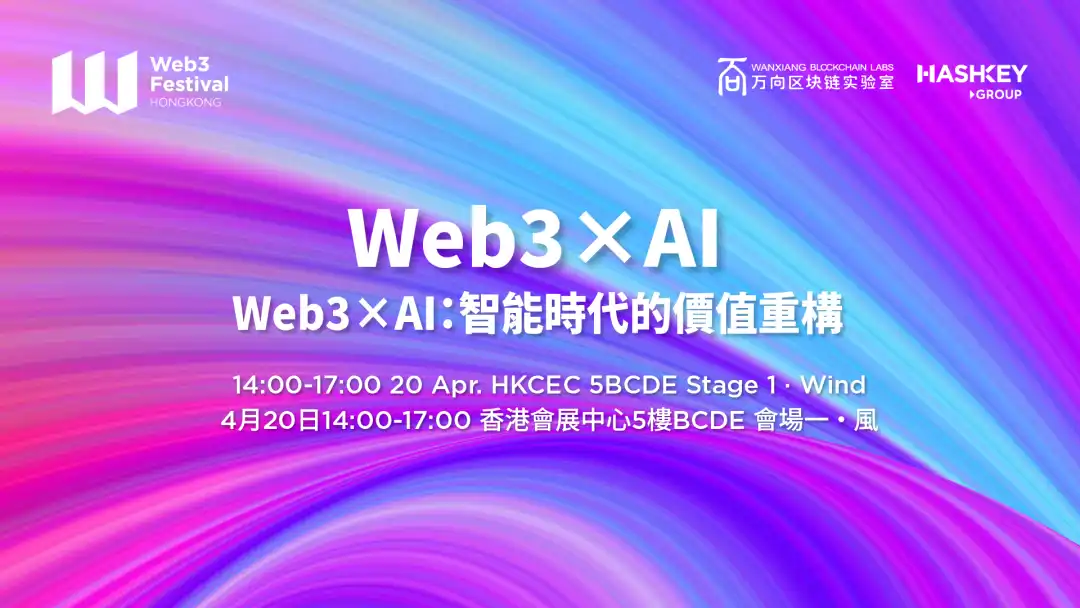
Взрывная популярность OpenClaw запустила тренд «всеобщего разведения креветок», и когда «интеллектуальное проявление» искусственного интеллекта встречается лицом к лицу с «машиной доверия» Web3, нас ждет не просто наложение технологий, а глубокая революция в создании, распределении и переоценке стоимости. Когда AI Agent заставляет интерфейс «исчезнуть», какой будет конечная форма взаимодействия человека и машины? Действительно ли AI нужен Web3?
20 апреля во второй половине дня в зале №1 (Фэн) на фестивале Hong Kong Web3 Carnival 2026 пройдет тематический форум «Web3×AI: Переосмысление ценности в эпоху интеллекта», который соберет пионерские силы в области AI и Web3 со всего мира. От «секретов омаров» с передового края Кремниевой долины до базовой логики корпоративной практики, от практического опыта безопасной синергии до предварительного просмотра будущего симбиоза человека и машины — мы предложим вам жесткий анализ и前瞻前瞻前瞻前瞻前瞻前瞻前瞻前瞻前瞻前瞻前瞻前瞻前瞻前瞻前瞻前瞻前瞻前瞻前瞻前瞻前瞻前瞻前瞻前瞻前瞻前瞻前瞻前瞻前瞻前瞻前瞻前瞻前瞻前瞻前瞻前瞻前瞻前瞻前瞻前瞻前瞻前瞻前瞻前瞻前瞻前瞻前瞻前瞻前瞻前瞻前瞻前瞻前瞻前瞻前瞻前瞻前瞻前瞻前瞻前瞻前瞻前瞻前瞻前瞻前瞻前瞻前瞻前瞻前瞻前瞻前瞻前瞻前瞻前瞻前瞻前瞻前瞻前瞻前瞻前瞻前瞻前瞻前瞻前瞻前瞻前瞻前瞻前瞻前瞻前瞻前瞻前瞻前瞻前瞻前瞻前瞻前瞻前瞻前瞻前瞻前瞻前瞻前瞻前瞻前瞻前瞻前瞻前瞻前瞻前瞻前瞻前瞻前瞻前瞻前瞻前瞻前瞻前瞻前瞻前瞻前瞻前瞻前瞻前瞻前瞻前瞻前瞻前瞻前瞻前瞻前瞻前瞻前瞻前瞻前瞻前瞻前瞻前瞻前瞻前瞻前瞻前瞻前瞻前瞻前瞻前瞻前瞻前瞻前瞻前瞻前瞻前瞻前瞻前瞻前瞻前瞻前瞻前瞻前瞻前瞻前瞻前瞻前瞻前瞻前瞻前瞻前瞻前瞻前瞻前瞻前瞻前瞻前瞻前瞻前瞻前瞻前瞻前瞻前瞻前瞻前瞻前瞻前瞻前瞻前瞻前瞻前瞻前瞻前瞻前瞻前瞻前瞻前瞻前瞻前瞻前瞻前瞻前瞻前瞻前瞻前瞻前瞻前瞻前瞻前瞻前瞻前瞻前瞻前瞻前瞻前瞻前瞻前瞻前瞻前瞻前瞻前瞻前瞻前瞻前瞻前瞻前瞻前瞻前瞻前瞻前瞻前瞻前瞻前瞻前瞻前瞻前瞻前瞻前瞻前瞻前瞻前瞻前瞻前瞻前瞻前瞻前瞻前瞻前瞻前瞻前瞻前瞻前瞻前瞻前瞻前瞻前瞻前瞻前瞻前瞻前瞻前瞻前瞻前瞻前瞻前瞻前瞻前瞻前瞻前瞻前瞻前瞻前瞻前瞻前瞻前瞻前瞻前瞻前瞻前瞻前瞻前瞻前瞻前瞻前瞻前瞻前瞻前瞻前瞻前瞻前瞻前瞻前瞻前瞻前瞻前瞻前瞻前瞻前瞻前瞻前瞻前瞻前瞻前瞻前瞻前瞻前瞻前瞻前瞻前瞻前瞻前瞻前瞻前瞻前瞻前瞻前瞻前瞻前瞻前瞻前瞻前瞻前瞻前瞻前瞻前瞻前瞻前瞻前瞻前瞻前瞻前瞻前瞻前瞻前瞻前瞻前瞻前瞻前瞻前瞻前瞻前瞻前瞻前瞻前瞻前瞻前瞻前瞻前瞻前瞻前瞻前瞻前瞻前瞻前瞻前瞻前瞻前瞻前瞻前瞻前瞻前瞻前瞻前瞻前瞻前瞻前瞻前瞻前瞻前瞻前瞻前瞻前瞻前瞻前瞻前瞻前瞻前瞻前瞻前瞻前瞻前瞻前瞻前瞻前瞻前瞻前瞻前瞻前瞻前瞻前瞻前瞻前瞻前瞻前瞻前瞻前瞻前瞻前瞻前瞻前瞻前瞻前瞻前瞻前瞻前瞻前瞻前瞻前瞻前瞻前瞻前瞻前瞻前瞻前瞻前瞻前瞻前瞻前瞻前瞻前瞻前瞻前瞻前瞻前瞻前瞻前瞻前瞻前瞻前瞻前瞻前瞻前瞻前瞻前瞻前瞻前瞻前瞻前瞻前瞻前瞻前瞻前瞻前瞻前瞻前瞻前瞻前瞻前瞻前瞻前瞻前瞻前瞻前瞻前瞻前瞻前瞻前瞻前瞻前瞻前瞻前瞻前瞻前瞻前瞻前瞻前瞻前瞻前瞻前瞻前瞻前瞻前瞻前瞻前瞻前瞻前瞻前瞻前瞻前瞻前瞻前瞻前瞻前瞻前瞻前瞻前瞻前瞻前瞻前瞻前瞻前瞻前瞻前瞻前瞻前瞻前瞻前瞻前瞻前瞻前瞻前瞻前瞻前瞻前瞻前瞻前瞻前瞻前瞻前瞻前瞻前瞻前瞻前瞻前瞻前瞻前瞻前瞻前瞻前瞻前瞻前瞻前瞻前瞻前瞻前瞻前瞻前瞻前瞻前瞻前瞻前瞻前瞻前瞻前瞻前瞻前瞻前瞻前瞻前瞻前瞻前瞻前瞻前瞻前瞻前瞻前瞻前瞻前瞻前瞻前瞻前瞻前瞻前瞻前瞻前瞻前瞻前瞻前瞻前瞻前瞻前瞻前瞻前瞻前瞻前瞻前瞻前瞻前瞻前瞻前瞻前瞻前瞻前瞻前瞻前瞻前瞻前瞻前瞻前瞻前瞻前瞻前瞻前瞻前瞻前瞻前瞻前瞻前瞻前瞻前瞻前瞻前瞻前瞻前瞻前瞻前瞻前瞻前瞻前瞻前瞻前瞻前瞻前瞻前瞻前瞻前瞻前瞻前瞻前瞻前瞻前瞻前瞻前瞻前瞻前瞻前瞻前瞻前瞻前瞻前瞻前瞻前瞻前瞻前瞻前瞻前瞻前瞻前瞻前瞻前瞻前瞻前瞻前瞻前瞻前瞻前瞻前瞻前瞻前瞻前瞻前瞻前瞻前瞻前瞻前瞻前瞻前瞻前瞻前瞻前瞻前瞻前瞻前瞻前瞻前瞻前瞻前瞻前瞻前瞻前瞻前瞻前瞻前瞻前瞻前瞻前瞻前瞻前瞻前瞻前瞻前瞻前瞻前瞻前瞻前瞻前瞻前瞻前瞻前瞻前瞻前瞻前瞻前瞻前瞻前瞻前瞻前瞻前瞻前瞻前瞻前瞻前瞻前瞻前瞻前瞻前瞻前瞻前瞻前瞻前瞻前瞻前瞻前瞻前瞻前瞻前瞻前瞻前瞻前瞻前瞻前瞻前瞻前瞻前瞻前瞻前瞻前瞻前瞻前瞻前瞻前瞻前瞻前瞻前瞻前瞻前瞻前瞻前瞻前瞻前瞻前瞻前瞻前瞻前瞻前瞻前瞻前瞻前瞻前瞻前瞻前瞻前瞻前瞻前瞻前瞻前瞻前瞻前瞻前瞻前瞻前瞻前瞻前瞻前瞻前瞻前瞻前瞻前瞻前瞻前瞻前瞻前瞻前瞻前瞻前瞻前瞻前瞻前瞻前瞻前瞻前瞻前瞻前瞻前瞻前瞻前瞻前瞻前瞻前瞻前瞻前瞻前瞻前瞻前瞻前瞻前瞻前瞻前瞻前瞻前瞻前瞻前瞻前瞻前瞻前瞻前瞻前瞻前瞻前瞻前瞻前瞻前瞻前瞻前瞻前瞻前瞻前瞻前瞻前瞻前瞻前瞻前瞻前瞻前瞻前瞻前瞻前瞻前瞻前瞻前瞻前瞻前瞻前瞻前瞻前瞻前瞻前瞻前瞻前瞻前瞻前瞻前瞻前瞻前瞻前瞻前瞻前瞻前瞻前瞻前瞻前瞻前瞻前瞻前瞻前瞻前瞻前瞻前瞻前瞻前瞻前瞻前瞻前瞻前瞻前瞻前瞻前瞻前瞻前瞻前瞻前瞻前瞻前瞻前瞻前瞻前瞻前瞻前瞻前瞻前瞻前瞻前瞻前瞻前瞻前瞻前瞻前瞻前瞻前瞻前瞻前瞻前瞻前瞻前瞻前瞻前瞻前瞻前瞻前瞻前瞻前瞻前瞻前瞻前瞻前瞻前瞻前瞻前瞻前瞻前瞻前瞻前瞻前瞻前瞻前瞻前瞻前瞻前瞻前瞻前瞻前瞻前瞻前瞻前瞻前瞻前瞻前瞻前瞻前瞻前瞻前瞻前瞻前瞻前瞻前瞻前瞻前瞻前瞻前瞻前瞻前瞻前瞻前瞻前瞻前瞻前瞻前瞻前瞻前瞻前瞻前瞻前瞻前瞻前瞻前瞻前瞻前瞻前瞻前瞻前瞻前瞻前瞻前瞻前瞻前瞻前瞻前瞻前瞻前瞻前瞻前瞻前瞻前瞻前瞻前瞻前瞻前瞻前瞻前瞻前瞻前瞻前瞻前瞻前瞻前瞻前瞻前瞻前瞻前瞻前瞻前瞻前瞻前瞻前瞻前瞻前瞻前瞻前瞻前瞻前瞻前瞻前瞻前瞻前瞻前瞻前瞻前瞻前瞻前瞻前瞻前瞻前瞻前瞻前瞻前瞻前瞻前瞻前瞻前瞻前瞻前瞻前瞻前瞻前瞻前瞻前瞻前瞻前瞻前瞻前瞻前瞻前瞻前瞻前瞻前瞻前瞻前瞻前瞻前瞻前瞻前瞻前瞻前瞻前瞻前瞻前瞻前瞻前瞻前瞻前瞻前瞻前瞻前瞻前瞻前瞻前瞻前瞻前瞻前瞻前瞻前瞻前瞻前瞻前瞻前瞻前瞻前瞻前瞻前瞻前瞻前瞻前瞻前瞻前瞻前瞻前瞻前瞻前瞻前瞻前瞻前瞻前瞻前瞻前瞻前瞻前瞻前瞻前瞻前瞻前瞻前瞻前瞻前瞻前瞻前瞻前瞻前瞻前瞻前瞻前瞻前瞻前瞻前瞻前瞻前瞻前瞻前瞻前瞻前瞻前瞻前瞻前瞻前瞻前瞻前瞻前瞻前瞻前瞻前瞻前瞻前瞻前瞻前瞻前瞻前瞻前瞻前瞻前瞻前瞻前瞻前瞻前瞻前瞻前瞻前瞻前瞻前瞻前瞻前瞻前瞻前瞻前瞻前瞻前瞻前瞻前瞻前瞻前瞻前瞻前瞻前瞻前瞻前瞻前瞻前瞻前瞻前瞻前瞻前瞻前瞻前瞻前瞻前瞻前瞻前瞻前瞻前瞻前瞻前瞻前瞻前瞻前瞻前瞻前瞻前瞻前瞻前瞻前瞻前瞻前瞻前瞻前瞻前瞻前瞻前瞻前瞻前瞻前瞻前瞻前瞻前瞻前瞻前瞻前瞻前瞻前瞻前瞻前瞻前瞻前瞻前瞻前瞻前瞻前瞻前瞻前瞻前瞻前瞻前瞻前瞻前瞻前瞻前瞻前瞻前瞻前瞻前瞻前瞻前瞻前瞻前瞻前瞻前瞻前瞻前瞻前瞻前瞻前瞻前瞻前瞻前瞻前瞻前瞻前瞻前瞻前瞻前瞻前瞻前瞻前瞻前瞻前瞻前瞻前瞻前瞻前瞻前瞻前瞻前瞻前瞻前瞻前瞻前瞻前瞻前瞻前瞻前瞻前瞻前瞻前瞻前瞻前瞻前瞻前瞻前瞻前瞻前瞻前瞻前瞻前瞻前瞻前瞻前瞻前瞻前瞻前瞻前瞻前瞻前瞻前瞻前瞻前瞻前瞻前瞻前瞻前瞻前瞻前瞻前瞻前瞻前瞻前瞻前瞻前瞻前瞻前瞻前瞻前瞻前瞻前瞻前瞻前瞻前瞻前瞻前瞻前瞻前瞻前瞻前瞻前瞻前瞻前瞻前瞻前瞻前瞻前瞻前瞻前瞻前瞻前瞻前瞻前瞻前瞻前瞻前瞻前瞻前瞻前瞻前瞻前瞻前瞻前瞻前瞻前瞻前瞻前瞻前瞻前瞻前瞻前瞻前瞻前瞻前瞻前瞻前瞻前瞻前瞻前瞻前瞻前瞻前瞻前瞻前瞻前瞻前瞻前瞻前瞻前瞻前瞻前瞻前瞻前瞻前瞻前瞻前瞻前瞻前瞻前瞻前瞻前瞻前瞻前瞻前瞻前瞻前瞻前瞻前瞻前瞻前瞻前瞻前瞻前瞻前瞻前瞻前瞻前瞻前瞻前瞻前瞻前瞻前瞻前瞻前瞻前瞻前瞻前瞻前瞻前瞻前瞻前瞻前瞻前瞻前瞻前瞻前瞻前瞻前瞻前瞻前瞻前瞻前瞻前瞻前瞻前瞻前瞻前瞻前瞻前瞻前瞻前瞻前瞻前瞻前瞻前瞻前瞻前瞻前瞻前瞻前瞻前瞻前瞻前瞻前瞻前瞻前瞻前瞻前瞻前瞻前瞻前瞻前瞻前瞻前瞻前瞻前瞻前瞻前瞻前瞻前瞻前瞻前瞻前瞻前瞻前瞻前瞻前瞻前瞻前瞻前瞻前瞻前瞻前瞻前瞻前瞻前瞻前瞻前瞻前瞻前瞻前瞻前瞻前瞻前瞻前瞻前瞻前瞻前瞻前瞻前瞻前瞻前瞻前瞻前瞻前瞻前瞻前瞻前瞻前瞻前瞻前瞻前瞻前瞻前瞻前瞻前瞻前瞻前瞻前瞻前瞻前瞻前瞻前瞻前瞻前瞻前瞻前瞻前瞻前瞻前瞻前瞻前瞻前瞻前瞻前瞻前瞻前瞻前瞻前瞻前瞻前瞻前瞻前瞻前瞻前瞻前瞻前瞻前瞻前瞻前瞻前瞻前瞻前瞻前瞻前瞻前瞻前瞻前瞻前瞻前瞻前瞻前瞻前瞻前瞻前瞻前瞻前瞻前瞻前瞻前瞻前瞻前瞻前瞻前瞻前瞻前瞻前瞻前瞻前瞻前瞻前瞻前瞻前瞻前瞻前瞻前瞻前瞻前瞻前瞻前瞻前瞻前瞻前瞻前瞻前瞻前瞻前瞻前瞻前瞻前瞻前瞻前瞻前瞻前瞻前瞻前瞻前瞻前瞻前瞻前瞻前瞻前瞻前瞻前瞻前瞻前瞻前瞻前瞻前瞻前瞻前瞻前瞻前瞻前瞻前瞻前瞻前瞻前瞻前瞻前瞻前瞻前瞻前瞻前瞻前瞻前瞻前瞻前瞻前瞻前瞻前瞻前瞻前瞻前瞻前瞻前瞻前瞻前瞻前瞻前瞻前瞻前瞻前瞻前瞻前瞻前瞻前瞻前瞻前瞻前瞻前瞻前瞻前瞻前瞻前瞻前瞻前瞻前瞻前瞻前瞻前瞻前瞻前瞻前瞻前瞻前瞻前瞻前瞻前瞻前瞻前瞻前瞻前瞻前瞻前瞻前瞻前瞻前瞻前瞻前瞻前瞻前瞻前瞻前瞻前瞻前瞻前瞻前瞻前瞻前瞻前瞻前瞻前瞻前瞻前瞻前瞻前瞻前瞻前瞻前瞻前瞻前瞻前瞻前瞻前瞻前瞻前瞻前瞻前瞻前瞻前瞻前瞻前瞻前瞻前瞻前瞻前瞻前瞻前瞻前瞻前瞻前瞻前瞻前瞻前瞻前瞻前瞻前瞻前瞻前瞻前瞻前瞻前瞻前瞻前瞻前瞻前瞻前瞻前瞻前瞻前瞻前瞻前瞻前瞻前瞻前瞻前瞻前瞻前瞻前瞻前瞻前瞻前瞻前瞻前瞻前瞻前瞻前瞻前瞻前瞻前瞻前瞻前瞻前瞻前瞻前瞻前瞻前瞻前瞻前瞻前瞻前瞻前瞻前瞻前瞻前瞻前瞻前瞻前瞻前瞻前瞻前瞻前瞻前瞻前瞻前瞻前瞻前瞻前瞻前瞻前瞻前瞻前瞻前瞻前瞻前瞻前瞻前瞻前瞻前瞻前瞻前瞻前瞻前瞻前瞻前瞻前瞻前瞻前瞻前瞻前瞻前瞻前瞻前瞻前瞻前瞻前瞻前瞻前瞻前瞻前瞻前瞻前瞻前瞻前瞻前瞻前瞻前瞻前瞻前瞻前瞻前瞻前瞻前瞻前瞻前瞻前瞻前瞻前瞻前瞻前瞻前瞻前瞻前瞻前瞻前瞻前瞻前瞻前瞻前瞻前瞻前瞻前瞻前瞻前瞻前瞻前瞻前瞻前瞻前瞻前瞻前瞻前瞻前瞻前瞻前瞻前瞻前瞻前瞻前瞻前瞻前瞻前瞻前瞻前瞻前瞻前瞻前瞻前瞻前瞻前瞻前瞻前瞻前瞻前瞻前瞻前瞻前瞻前瞻前瞻前瞻前瞻前瞻前瞻前瞻前瞻前瞻前瞻前瞻前瞻前瞻前瞻前瞻前瞻前瞻前瞻前瞻前瞻前瞻前瞻前瞻前瞻前瞻前瞻前瞻前瞻前瞻前瞻前瞻前瞻前瞻前瞻前瞻前瞻前瞻前瞻前瞻前瞻前瞻前瞻前瞻前瞻前瞻前瞻前瞻前瞻前瞻前瞻前瞻前瞻前瞻前瞻前瞻前瞻前瞻前瞻前瞻前瞻前瞻前瞻前瞻前瞻前瞻前瞻前瞻前瞻前瞻前瞻前瞻前瞻前瞻前瞻前瞻前瞻前瞻前瞻前瞻前瞻前瞻前瞻前瞻前瞻前瞻前瞻前瞻前瞻前瞻前瞻前瞻前瞻前瞻前瞻前瞻前瞻前瞻前瞻前瞻前瞻前瞻前瞻前瞻前瞻前瞻前瞻前瞻前瞻前瞻前瞻前瞻前瞻前瞻前瞻前瞻前瞻前瞻前瞻前瞻前瞻前瞻前瞻前瞻前瞻前瞻前瞻前瞻前瞻前瞻前瞻前瞻前瞻前瞻前瞻前瞻前瞻前瞻前瞻前瞻前瞻前瞻前瞻前瞻前瞻前瞻前瞻前瞻前瞻前瞻前瞻前瞻前瞻前瞻前瞻前瞻前瞻前瞻前瞻前瞻前瞻前瞻前瞻前瞻前瞻前瞻前瞻前瞻前瞻前瞻前瞻前瞻前瞻前瞻前瞻前瞻前瞻前瞻前瞻前瞻前瞻前瞻前瞻前瞻前瞻前瞻前瞻前瞻前瞻前瞻前瞻前瞻前瞻前瞻前瞻前瞻前瞻前瞻前瞻前瞻前瞻前瞻前瞻前瞻前瞻前瞻前瞻前瞻前瞻前瞻前瞻前瞻前瞻前瞻前瞻前瞻前瞻前瞻前瞻前瞻前瞻前瞻前瞻前瞻前瞻前瞻前瞻前瞻前瞻前瞻前瞻前瞻前瞻前瞻前瞻前瞻前瞻前瞻前瞻前瞻前瞻前瞻前瞻前瞻前瞻前瞻前瞻前瞻前瞻前瞻前瞻前瞻前瞻前瞻前瞻前瞻前瞻前瞻前瞻前瞻前瞻前瞻前瞻前瞻前瞻前瞻前瞻前瞻前瞻前瞻前瞻前瞻前瞻前瞻前瞻前瞻前瞻前瞻前瞻前瞻前瞻前瞻前瞻前瞻前瞻前瞻前瞻前瞻前瞻前瞻前瞻前瞻前瞻前瞻前瞻前瞻前瞻前瞻前瞻前瞻前瞻前瞻前瞻前瞻前瞻前瞻前瞻前瞻前瞻前瞻前瞻前瞻前瞻前瞻前瞻前瞻前瞻前瞻前瞻前瞻前瞻前瞻前瞻前瞻前瞻前瞻前瞻前瞻前瞻前瞻前瞻前瞻前瞻前瞻前瞻前瞻前瞻前瞻前瞻前瞻前瞻前瞻前瞻前瞻前瞻前瞻前瞻前瞻前瞻前瞻前瞻前瞻前瞻前瞻前瞻前瞻前瞻前瞻前瞻前瞻前瞻前瞻前瞻前瞻极洞察 и前瞻前瞻前瞻前瞻前瞻前瞻前瞻前瞻前瞻前瞻前瞻前瞻前瞻前瞻前瞻前瞻前瞻前瞻前瞻前瞻前瞻前瞻前瞻前瞻前瞻前瞻前瞻前瞻前瞻前瞻前瞻前瞻前瞻前瞻前瞻前瞻前瞻前瞻前瞻前瞻前瞻前瞻前瞻前瞻前瞻前瞻前瞻前瞻前瞻前瞻前瞻前瞻前瞻前瞻前瞻前瞻前瞻前瞻前瞻前瞻前瞻前瞻前瞻前瞻前瞻前瞻前瞻前瞻前瞻前瞻前瞻前瞻前瞻前瞻前瞻前瞻前瞻前瞻前瞻前瞻前瞻前瞻前瞻前瞻前瞻前瞻前瞻前瞻前瞻前瞻前瞻前瞻前瞻前瞻前瞻前瞻前瞻前瞻前瞻前瞻前瞻前瞻前瞻前瞻前瞻前瞻前瞻前瞻前瞻前瞻前瞻前瞻前瞻前瞻前瞻前瞻前瞻前瞻前瞻前瞻前瞻前瞻前瞻前瞻前瞻前瞻前瞻前瞻前瞻前瞻前瞻前瞻前瞻前瞻前瞻前瞻前瞻前瞻前瞻前瞻前瞻前瞻前瞻前瞻前瞻前瞻前瞻前瞻前瞻前瞻前瞻前瞻前瞻前瞻前瞻前瞻前瞻前瞻前瞻前瞻前瞻前瞻前瞻前瞻前瞻前瞻前瞻前瞻前瞻前瞻前瞻前瞻前瞻前瞻前瞻前瞻前瞻前瞻前瞻前瞻前瞻前瞻前瞻前瞻前瞻前瞻前瞻前瞻前瞻前瞻前瞻前瞻前瞻前瞻前瞻前瞻前瞻前瞻前瞻前瞻前瞻前瞻前瞻前瞻前瞻前瞻前瞻前瞻前瞻前瞻前瞻前瞻前瞻前瞻前瞻前瞻前瞻前瞻前瞻前瞻前瞻前瞻前瞻前瞻前瞻前瞻前瞻前瞻前瞻前瞻前瞻前瞻前瞻前瞻前瞻前瞻前瞻前瞻前瞻前瞻前瞻前瞻前瞻前瞻前瞻前瞻前瞻前瞻前瞻前瞻前瞻前瞻前瞻前瞻前瞻前瞻前瞻前瞻前瞻前瞻前瞻前瞻前瞻前瞻前瞻前瞻前瞻前瞻前瞻前瞻前瞻前瞻前瞻前瞻前瞻前瞻前瞻前瞻前瞻前瞻前瞻前瞻前瞻前瞻前瞻前瞻前瞻前瞻前瞻前瞻前瞻前瞻前瞻前瞻前瞻前瞻前瞻前瞻前瞻前瞻前瞻前瞻前瞻前瞻前瞻前瞻前瞻前瞻前瞻前瞻前瞻前瞻前瞻前瞻前瞻前瞻前瞻前瞻前瞻前瞻前瞻前瞻前瞻前瞻前瞻前瞻前瞻前瞻前瞻前瞻前瞻前瞻前瞻前瞻前瞻前瞻前瞻前瞻前瞻前瞻前瞻前瞻前瞻前瞻前瞻前瞻前瞻前瞻前瞻前瞻前瞻前瞻前瞻前瞻前瞻前瞻前瞻前瞻前瞻前瞻前瞻前瞻前瞻前瞻前瞻前瞻前瞻前瞻前瞻前瞻前瞻前瞻前瞻前瞻前瞻前瞻前瞻前瞻极洞察, совместно исследуя новые возможности интеграции Web3 и AI в эпоху интеллекта.
Техноблогер AI из Кремниевой долины Лан Ханьвэй раскроет секрет, для чего в Кремниевой долине используют лобстеров, и с уникальной точки зрения техноблогера проведет вас по декодированию самых «диких» зарубежных передовых тенденций. Глава региона Азиатско-Тихоокеанского региона TON Foundation, John, поделится инновационными исследованиями синергии экосистемы TON и AI. Соучредитель Qtum Мигель Палленсия разберет, как продвигать AI и Web3 от «лаборатории» к «полю применения», создавая технический мост для эффективного сотрудничества разработчиков и предприятий.
Соучредитель и технический директор Cobo Чанхао Цзян на основе практического опыта подробно расскажет о синергии безопасности Web3 и AI, обеспечивая стабильное продвижение интеграционной экосистемы. Генеральный директор MaxQuant Джеффри Цзэн сосредоточится на инновационном применении технологий AI в анализе активов и управлении рисками, показывая новую ценность слияния финансов и технологий. Соучредитель Anoma Адриан Бринк также обсудит будущий план симбиоза AI и Web3, направляя децентрализованную экосистему к новым интеллектуальным высотам.
Помимо основных докладов, затрагивающих болевые точки, высококачественные круглые столы соберут отраслевых精英 для обсуждения ключевых вопросов интеграции AI и Web3.
С одной стороны, зависимость AI от данных, вычислительной мощности и моделей централизована, с другой — Web3 стремится к децентрализации, конфиденциальности и установлению прав. Они являются естественным дополнением или «насильственным союзом»? Под руководством генерального директора Gen Labs Limited Хэ Сяояна, с участием таких гостей, как партнер и руководитель продукта SlowMist Keywolf, стратегический консультант Google Cloud Майкл Янг и другие, пройдет круглый стол «Действительно ли AI нужен Web3?». От конфиденциальности данных и децентрализации вычислительной мощности до установления прав на стоимость — разбор互补 пространства AI и Web3, исследование возможных путей от «наложения технологий» к «симбиозу ценностей», интерпретация новых изменений в безопасности Web3 в эпоху AI.
Когда AI Agent ускоряет проникновение во все отрасли, взаимодействие человека и машины переживает революцию «исчезновения интерфейса». От GUI «ты кликаешь — я ищу» к интерфейсу диалога «ты говоришь — я делаю», и далее к автономному агенту «ты думаешь — я исполняю» — какова конечная форма взаимодействия человека и машины? Соучредитель Shencha TechFlow Золо Сюн, главный операционный директор Virtuals Protocol KK, главный маркетолог Kite AI Синди Ши, генеральный директор Questflow Боб и другие гости обсудят такие темы, как автономия AI Agent, стимулирование пользователей и опыт, разбирая, как AI Agent ломает границы традиционного взаимодействия человека и машины, перестраивая новые парадигмы производства, жизни и отраслевой деятельности.
Переосмысление ценности в эпоху интеллекта не ждет наблюдателей; лучшие возможности всегда достаются присутствующим. На этот раз, плечом к плечу с ведущими мировыми технологическими гостями, проникните сквозь туман технологий, разберите核心密码 интеграции Web3 и AI, вместе исследуйте новые возможности ценности в эпоху интеллекта.







