Автор: Сяо Бин, Shenchao TechFlow
Оригинальное название: Прежде чем взлететь к IPO в 1,5 триллиона долларов, Маск чуть не потерял всё
Зимой 2025 года соленый и резкий морской ветер в Бока-Чика, Техас, по-прежнему дул сильно, а воздух на Уолл-стрит был необычно напряженным.
13 декабря новость, подобно ракете Falcon Heavy, взлетела на первые полосы финансовых изданий: последний внутренний выпуск акций SpaceX оценил компанию в 800 миллиардов долларов.
Согласно меморандуму, SpaceX активно готовится к IPO в 2026 году, планируя привлечь более 30 миллиардов долларов. Маск надеется, что общая оценка компании достигнет 1,5 триллионов долларов. В случае успеха это позволит рыночной капитализации SpaceX приблизиться к рекордному уровню Saudi Aramco на момент ее размещения в 2019 году.
Для Маска это был невероятно сюрреалистичный момент.
Как самый богатый человек в мире, его личное состояние снова достигнет исторического максимума благодаря взлету этой «суперракеты» SpaceX, сделав его первым в истории человечества триллионером.
Если перевести часы на 23 года назад, никто не поверил бы в такой исход. Тогда SpaceX в глазах гигантов Boeing и Lockheed Martin была всего лишь «ничтожным производителем», которого можно раздавить в любой момент.
Если точнее, она больше походила на бесконечную катастрофу.
Когда мужчина решил строить ракеты
2001 год. Элону Маску было 30 лет.
Он только что выручил деньги от продажи PayPal, имея на руках сотни миллионов долларов наличными, стоя на типичной для Кремниевой долины «точке жизненной свободы». Он мог бы, как основатель a16z Марк Андриссен, продать компанию и стать инвестором, проповедником или вообще ничего не делать.
Но Маск выбрал самый невероятный путь.
Он решил строить ракеты и лететь на Марс.
Ради этой мечты он с двумя друзьями поехал в Россию, пытаясь купить модернизированную ракет-носитель «Днепр» для осуществления проекта «Марсианский оазис».
Финал был унизительным.
На встрече в НПО им. Лавочкина главный конструктор плюнул в сторону Маска, посчитав, что этот американский выскочка ничего не смыслит в космических технологиях. В итоге ему назвали заоблачную цену и намекнули «убираться, если денег нет». Команда вернулась ни с чем.
В самолете на обратном пути спутники были подавлены, а Маск стучал по клавиатуре ноутбука. Через мгновение он повернулся и показал электронную таблицу: «Эй, кажется, мы можем построить сами».
В том году Китай только что запустил «Шэньчжоу-2», космос считался «чудом», подвластным лишь великим державам, игрой, в которую могут играть только они. Частная компания, желающая строить ракеты, была столь же смехотворна, как если бы школьник заявил, что построит ядерный реактор на заднем дворе.
Таково было «начало с нуля» для SpaceX.
Рост — это постоянные неудачи
Февраль 2002 года. Лос-Анджелес, пригород Эль-Сегундо, 1310 East Grand Avenue, старый склад площадью 75 000 квадратных футов. Здесь была официально основана SpaceX.
Маск выделил 100 миллионов долларов из выручки от продажи PayPal в качестве стартового капитала, определив видение компании как «Southwest Airlines космической отрасли» —提供低成本、高可靠性的太空运输服务 (предоставление низкозатратных и высоконадежных космических транспортных услуг).
Но现实很快给了这位理想主义者一记重拳 (Но реальность很快给了 этому идеалисту тяжелый удар): строить ракеты не только сложно, но и чертовски дорого.
В космической отрасли есть старая поговорка: «Без миллиарда долларов вы даже не разбудите Boeing».
Стартовый капитал Маска в 1 миллиард долларов казался каплей в море в этой отрасли. Что еще серьезнее, SpaceX столкнулась с рынком, который был牢牢 захвачен столетними компаниями вроде Boeing и Lockheed Martin. Эти гиганты были не только технологически мощными, но и обладали глубокими связями в правительстве.
Они привыкли к монополии, привыкли к крупным государственным заказам, и у них было только одно отношение к SpaceX как к闯入者 (нарушителю): насмешка.
2006 год. Первая ракета SpaceX, «Falcon 1», стояла на стартовой площадке.
Это была дань уважения программе DARPA Falcon, а также скрытое почтение к «Тысячелетнему соколу» из «Звездных войн». Она была маленькой, даже немного убогой, похожей на полуфабрикат.
Неудивительно, что через 25 секунд после взлета ракета взорвалась.
2007 год. Второй запуск. После нескольких минут полета — снова потеря управления и падение.
Насмешки обрушились лавиной. Кто-то язвительно прокомментировал: «Он что, думает, что ракеты — это как писать код? Можно ставить заплатки?»
Август 2008 года. Третья неудача была самой сокрушительной: первая и вторая ступени столкнулись, только что зажженная надежда мгновенно превратилась в обломки в небе над Тихим океаном.
Атмосфера полностью изменилась. Инженеры начали страдать бессонницей, поставщики стали требовать оплаты наличными, пресса перестала быть вежливой. Самое страшное — деньги почти закончились.
2008 год стал самым темным годом в жизни Маска.
Мировой финансовый кризис, Tesla на грани банкротства, жена, с которой он прожил десять лет, ушла от него... У SpaceX хватало денег только на последний запуск. Если четвертая попытка провалится, SpaceX распустят, и Маск останется ни с чем.
И тут нанесен самый острый удар.
Кумир Маска с детства, «первый человек на Луне» Нил Армстронг и «последний человек на Луне» Юджин Сернан публично заявили, что совершенно не верят в его ракетные планы. Армстронг прямо сказал: «Вы не понимаете вещей, в которых не разбираетесь».
Позже, вспоминая те дни, Маск прослезился перед камерой. Он не плакал, когда взрывались ракеты, не плакал, когда компания была на грани банкротства, но упомянув насмешки кумиров, он заплакал.
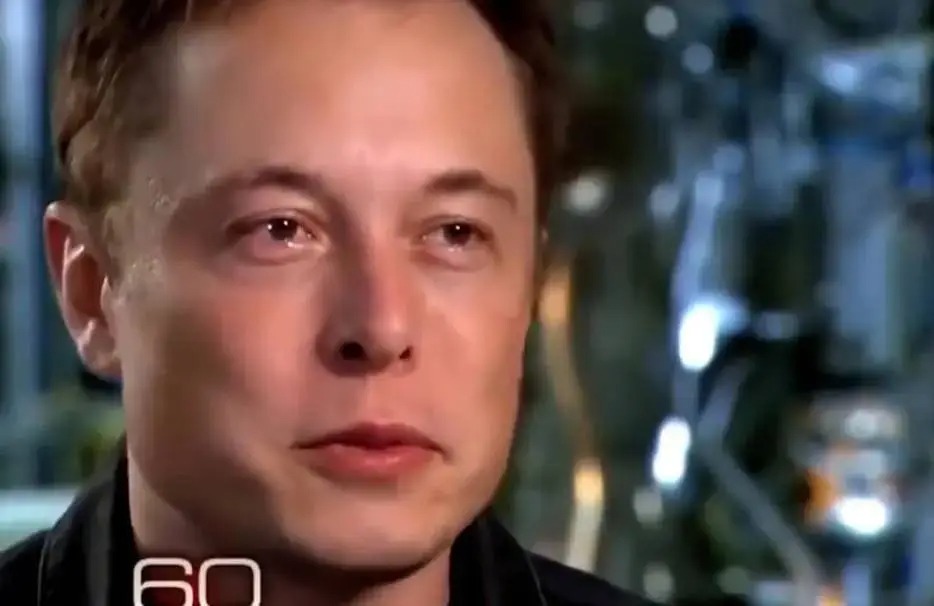
Маск сказал ведущему: «Эти люди были героями в моих глазах, это было действительно тяжело. Я действительно хотел, чтобы они пришли и посмотрели, насколько тяжела моя работа».
В этот момент на экране появилась строка: Иногда те, на кого ты равняешься, разочаровывают тебя. (Sometimes the very people you look up to, let you down.)
Выживание любой ценой
Перед четвертым запуском о марсианских планах больше не говорил никто.
Вся компания была окутана трагическим молчанием. Все понимали, что этот Falcon 1 собран на последние гроши. Если на этот раз провал — роспуск компании неизбежен.
В день запуска не было громких заявлений, страстных речей. Лишь группа людей стояла в контрольной комнате, молча уставившись в экраны.
28 сентября 2008 года ракета взлетела, огненный шар осветил ночь.
На этот раз ракета не взорвалась, но в контрольной комнате по-прежнему царила мертвая тишина, пока через 9 минут двигатель не отключился по плану, и ее полезная нагрузка не вышла на заданную орбиту.
«Получилось!»
В центре управления раздались громовые аплодисменты и ликующие крики. Маск поднял руки вверх, а стоявший рядом его брат Кимбал заплакал.
Falcon 1 вошла в историю. SpaceX стала первой в мире частной коммерческой космической компанией, успешно запустившей ракету на орбиту.
Этот успех не только спас SpaceX, но и принес компании долгосрочное «средство для продления жизни».
22 декабря телефонный звонок положил конец неудачному 2008 году для Маска.
Руководитель космических полетов NASA Уильям Герстенмайер сообщил хорошую новость: SpaceX получила контракт на 1,6 миллиарда долларов на 12 рейсов туда и обратно между космической станцией и Землей.
«Я люблю NASA», — вырвалось у Маска, и позже он сменил пароль для входа на компьютер на «ilovenasa».
Пройдя по краю пропасти, SpaceX выжила.
Джим Кантрелл, один из первых участников разработки ракет SpaceX, тот самый старый друг, который когда-то одолжил Маску свои университетские учебники по ракетостроению, вспоминая успешный запуск Falcon 1,感慨万千 (испытывая глубокие чувства):
«Успех Элона Маска обусловлен не его дальновидностью, не его выдающимся умом, не его трудолюбием, хотя все это правда. Самый важный элемент успеха в том, что в его словаре нет слова «неудача». Неудача никогда не входила в сферу его размышлений».
Вернуть ракету обратно
Если бы история закончилась здесь, это был бы просто вдохновляющий рассказ.
Но真正可怕的部分 (Но真正 страшная часть) SpaceX только начиналась.
Маск настаивал на цели, которая выглядела нерациональной: ракеты должны быть многоразовыми.
Почти все внутренние эксперты были против. Не потому, что это было технически невозможно, а потому, что это было слишком радикально с коммерческой точки зрения,正如 «没人会回收一次性纸杯» (точно так же, как «никто не станет перерабатывать одноразовые стаканчики»).
Но Маск стоял на своем.
Он считал, что если бы самолеты выбрасывали после одного полета, никто не мог бы позволить себе летать. Если ракеты нельзя использовать повторно, космос永远只是少数人的游戏 (навсегда останется игрой для избранных).
Такова была базовая логика Маска, первопринципы.
Вернемся к началу истории. Почему Маск, по образованию программист, осмелился сам заняться строительством ракет?
В 2001 году, изучив множество профессиональных книг, Маск с помощью электронной таблицы Excel детально разобрал различные статьи затрат на производство ракет. Анализ показал, что стоимость производства ракет была искусственно завышена традиционными космическими гигантами в десятки раз.
Этим гигантам, не испытывавшим недостатка в деньгах, привыкшим к комфортной зоне «成本加成» («себестоимость плюс надбавка»), один винт стоил сотни долларов, а Маск спрашивал: «Сколько стоит сырье для этой thing — алюминий и титан — на Лондонской бирже металлов? Почему, будучи сделанной в деталь, она стоит в тысячу раз дороже?»
Если成本是被人为抬高的 (если стоимость искусственно завышена),那就一定能被人为压下去 (то ее一定能 искусственно снизить).
Таким образом, под руководством первопринципов SpaceX начала путь, на котором几乎几乎没有退路 (почти не было пути к отступлению).
Повторные запуски, взрывы — анализ — снова взрывы, повторные попытки возврата.
Все сомнения прекратились в ту зимнюю ночь.
21 декабря 2015 года, день,注定 войти в историю космонавтики человечества.
Ракета Falcon 9 с 11 спутниками на борту стартовала с базы ВВС США на мысе Канаверал. Спустя 10 минут произошло чудо: ускоритель первой ступени успешно вернулся на место запуска и垂直降落在 (вертикально приземлился) на посадочную площадку во Флориде, как в научно-фантастическом фильме.
В тот момент старые правила космической отрасли были彻底粉碎 (полностью разбиты).
Эра дешевого космоса была открыта这家曾经的“屌丝”公司一手开启 (этой once бывшей «компанией-лузером»).
Строить Starship из нержавейки
Если возврат ракет был вызовом SpaceX физике, то制造星舰 из нержавейки (изготовление Starship из нержавеющей стали) стало для Маска «понижением размерности» в инженерии.
На начальном этапе разработки предназначенного для колонизации Марса «Starship» SpaceX также погрузилась в заблуждение «высокотехнологичных материалов». Отраслевой консенсус заключался в том, что для полета на Марс ракета должна быть достаточно легкой, поэтому必须使用昂贵、复杂的碳纤维复合材料 (необходимо использовать дорогие, сложные композитные материалы на основе углеродного волокна).
Для этого SpaceX вложила огромные средства, изготовив巨大的碳纤维缠绕模具 (огромные формы для намотки углеволокна). Однако медленный прогресс и высокая стоимость насторожили Маска, и он вернулся к первопринципам, подсчитав:
Углеродное волокно стоило 135 долларов за килограмм, и его обработка была чрезвычайно сложной; а нержавеющая сталь 304, тот самый материал, из которого делают кухонную посуду, стоила всего 3 доллара за килограмм.
«Но нержавейка слишком тяжелая!»
Столкнувшись с сомнениями инженеров, Маск указал на упущенную физическую истину: температуру плавления.
Углеродное волокно плохо переносит тепло, на него必须贴上厚重且昂贵的隔热瓦 (необходимо наклеивать тяжелую и дорогую теплозащитную плитку). Нержавейка имеет температуру плавления до 1400 градусов, да еще и прочность при сверхнизких температурах жидкого кислорода反而提升 (наоборот повышается). С учетом веса системы теплозащиты, ракета, сделанная из «тяжелой» нержавейки, по общему весу системы竟与碳纤维相当 (неожиданно оказалась сопоставима с углеволокном), но при этом стоимость снизилась в 40 раз!
Это решение彻底摆脱了 (полностью освободило) SpaceX от оков точного производства и космических материалов. Им не нужны были чистые комнаты, они могли варить ракеты, как водонапорные башни, в палатке посреди техасской пустоши, и не жалеть, если взорвется — просто подмести осколки и варить дальше завтра.
Такой образ мышления, основанный на первопринципах, пронизывает всю историю развития SpaceX. От вопроса «Почему ракеты нельзя использовать повторно?» до «Почему космические материалы должны быть дорогими?» Маск всегда исходит из фундаментальных физических законов, бросая вызов устоявшимся отраслевым предположениям.
«Делать топовый инжиниринг по цене капусты» — вот настоящая конкурентоспособность SpaceX.
Starlink — настоящее game-changer
Технологический прорыв принес бешеный рост оценки.
С 13 миллиардов долларов в 2012 году до 400 миллиардов в июле 2024 года и до нынешних 800 миллиардов — оценка SpaceX действительно «села на ракету».
Но真正撑起这个天价估值的 (Но真正支撑如此 астрономической оценки) была не ракета, а Starlink.
До появления Starlink SpaceX для обычного человека была лишь тем зрелищем в новостях, которое偶尔爆炸、偶尔降落 (время от времени взрывается, время от времени приземляется).
Starlink изменил一切.
Эта низкоорбитальная группировка, состоящая из тысяч спутников, становится крупнейшим в мире провайдером интернет-услуг, превращая «космос» из观赏性景观 (зрелища) в基础设施 (инфраструктуру), как вода и электричество.
Будь то в центре Тихого океана на круизном лайнере или на развалинах, охваченных войной, достаточно приемника размером с коробку из-под пиццы, и сигнал хлынет с высоты в несколько сотен километров с ближней орбиты.
Он не только изменил глобальную коммуникационную格局, но и стал супер-печатным станком, обеспечивающим SpaceX постоянным потоком денежных средств.
По состоянию на ноябрь 2025 года, количество активных подписчиков Starlink по всему миру достигло 7,65 миллиона, а фактическое количество пользователей превысило 24,5 миллиона. На рынок Северной Америки пришлось 43% подписок, а на emerging рынки, такие как Южная Корея и Юго-Восточная Азия, — 40% новых пользователей.
Это также причина, по которой Уолл-стрит осмеливается выставлять SpaceX астрономическую оценку — не из-за частоты запусков ракет, а из-за регулярного дохода, который приносит Starlink.
Финансовые данные показывают, что预期营收 (прогнозируемая выручка) SpaceX на 2025 год составляет 15 миллиардов долларов, а в 2026 году预计将飙升至 (ожидается скачок до) 220-240 миллиардов долларов, причем более 80% доходов поступает от业务 Starlink.
Это означает, что SpaceX совершила华丽转身 (изящный разворот): она больше не просто航天承包商 (космический подрядчик), зависящий от контрактов, а превратилась в全球电信巨头 (глобального телекоммуникационного гиганта) с монопольным рвом.
Канун IPO
Если SpaceX如愿上市募资 (как и планировалось, проведет IPO и привлечет финансирование) в 300 миллиардов долларов, это превзойдет рекорд Saudi Aramco в 290 миллиардов долларов в 2019 году и станет крупнейшим IPO в истории.
Согласно прогнозам некоторых инвестиционных банков,最终 IPO 估值 (конечная оценка при IPO) SpaceX может даже достичь 1,5 триллионов долларов,有望挑战 (имея шанс бросить вызов) рекорду Saudi Aramco в 1,7 триллиона долларов при размещении в 2019 году, и войти в топ-20上市公司 (компаний по рыночной капитализации) в мире.
За этой вереницей астрономических цифр最先沸腾的是 (в первую очередь вскипели) сотрудники в Бока-Чика и на заводе в Хоторне.
При последней внутренней продаже акций по цене 420 долларов за штуку这意味着 (это означает), что те инженеры, которые когда-то спали с Маском на заводском полу и пережили бесчисленные «производственные ад», станут一大批千万乃至亿万富翁 (большой группой миллионеров и даже миллиардеров).
Но для Маска IPO — это отнюдь не традиционный «выход и обналичивание», а дорогостоящая «заправка».
Ранее Маск一直反对上市 (всегда был против выхода на биржу).
На одном из собраний SpaceX в 2022 году Маск облил сотрудников холодной водой, сказав им не питать иллюзий по поводу IPO: «Публичное размещение — это绝对是一份通往痛苦的邀请函 (абсолютно приглашение к страданиям), и股价只会让人分心 (курс акций только отвлекает)».
Прошло 3 года. Что заставило Маска изменить свое мнение?
Какой бы грандиозной ни была амбиция, ей нужна поддержка капитала.
Согласно графику Маска, в течение двух лет первый Starship совершит беспилотную посадку на Марс для испытаний; в течение четырех лет следы человека отпечатаются на красной марсианской почве. А его конечное видение, а именно建立一座自给自足的城市 (построить самодостаточный город) на Марсе в течение 20 лет с помощью челночных рейсов 1000 Starship, потребует资金依然是一笔天文数字 (финансирования, которое по-прежнему является астрономической суммой).
В нескольких интервью он直言 (прямо заявил), что единственная цель накопления богатства — сделать человечество «多行星物种» («многопланетным видом»). С этой точки зрения, сотни миллиардов долларов, привлеченные через IPO, можно считать «星际过路费» («межзвездной пошлиной»), которую Маск взимает с землян.
Мы满怀期待 (Мы полны ожиданий), что крупнейшее IPO в истории человечества в конечном итоге не превратится в яхты или особняки — все они станут топливом, сталью и кислородом, которые铺就那条通往火星的漫漫长路 (проложат тот долгий путь к Марсу).
Twitter:https://twitter.com/BitpushNewsCN
比推 TG 交流群 (Группа общения Bitpush TG):https://t.me/BitPushCommunity
比推 TG 订阅 (Подписка Bitpush TG): https://t.me/bitpush





















