Автор: thiccy
Перевод: Chopper, Foresight News
2025 год снова стал годом высокой волатильности, но многие понесли убытки в торговле.
Эта статья написана не для тех, кто постоянно терпит убытки, а для тех трейдеров, кто стабильно получал прибыль, был исключительно компетентен, но в этом квартале потерял значительную часть своих доходов.
Одно из самых болезненных переживаний в жизни — наблюдать, как месяцы, а то и годы усилий исчезают в одно мгновение.
В греческой мифологии Сизиф, провинившись перед богами, был приговорен к вечному наказанию: он должен был вечно катить огромный камень на вершину горы, но всякий раз, достигнув вершины, камень скатывался вниз, и все приходилось сначала. Жестокость этого наказания уникальна, оно бьет в самую суть человеческого бытия.
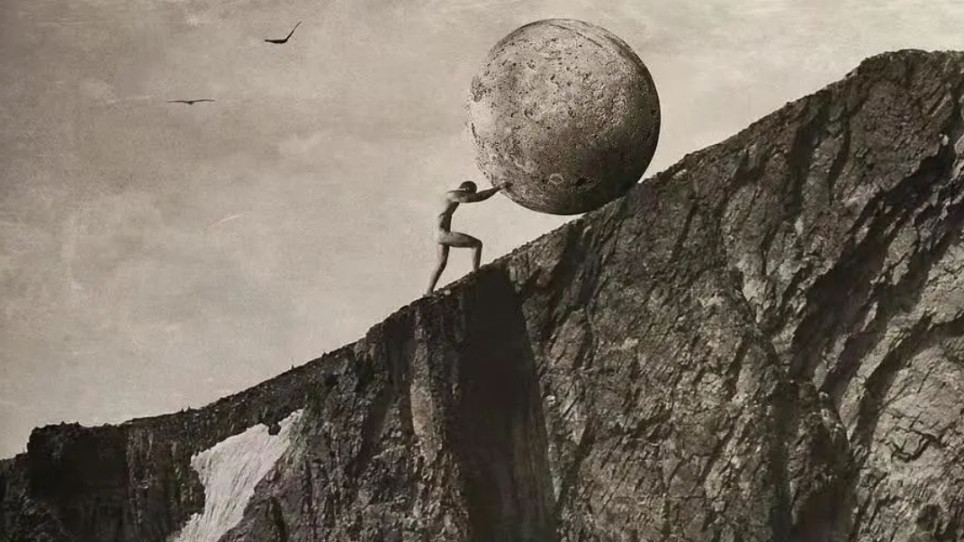
С торговлей та же история. В отличие от большинства профессий, в торговле нет гарантированных промежуточных побед; одно неудачное решение может разрушить всю карьеру. Эта особенность уже многих толкала в пропасть.
Когда «камень» скатывается, люди обычно реагируют одним из двух способов.
Одни начинают увеличивать ставки, пытаясь быстро отыграть потери. Их торговля становится все более агрессивной, незаметно попадая в ловушку «Мартингейла»: после убытка ставка удваивается в надежде, что одна удачная сделка покроет все предыдущие потери. Иногда такой подход может сработать, и в этом заключается его смертельная опасность: он укрепляет привычку, которая в конечном итоге неизбежно приведет к убыткам.
Другие полностью выдыхаются и уходят с рынка. Эти люди часто находятся в комфортном финансовом положении, риск для них теряет асимметричность. Они утешают себя, утверждая, что на рынке больше нет возможности заработать, или что они сами больше не подходят для торговли. Они выбирают постоянный уход с рынка, что равносильно добровольному завершению своей торговой карьеры.
Обе эти реакции понятны, но обе слишком крайни и не затрагивают сути проблемы. Истинная核心ная проблема заключается в следующем: в вашей системе управления рисками есть изъян. Большинство людей переоценивают свои способности в управлении рисками.
Управление рисками само по себе не является неразрешимой проблемой, стоящая за ним математическая логика давно ясна и понятна. Настоящая сложность заключается не в «понимании, что нужно делать», а в «способности неуклонно следовать этому, сталкиваясь с эмоциями, самомнением, стрессом и усталостью». Согласовать действия с первоначальными намерениями — одна из самых сложных задач для человека. А рынок всегда безжалостно обнажает этот когнитивный диссонанс, этот разрыв с реальностью.
Итак, как же выйти из сложившейся ситуации после того, как понес убытки?
Во-первых, вы должны принять как факт: вам не просто не повезло, и с вами не обошлись несправедливо. Эти убытки были вызваны изъяном в вашем торговом процессе, они были неизбежны. Если точно не определить и не исправить эту проблему, история неизбежно повторится.
Во-вторых, вам нужно полностью принять вашу текущую чистую стоимость активов, не зацикливаясь на прошлых исторических максимумах. Стремление «вернуть деньги» — одна из самых опасных навязчивых идей на рынке. Временно отойдите от торгового терминала, поблагодарите за все, чего вы уже достигли. Вы все еще живы, все еще остаетесь на рынке — и этого уже достаточно. Ваша цель сейчас — не отыграться, а просто начать снова получать прибыль.
Рассмотрите эти убытки как плату за обучение, которую вы заплатили рынку — они помогли выявить смертельный изъян. Этот урок вам рано или поздно пришлось бы выучить, и хорошо, что вы выучили его сейчас, когда ставки были не такими высокими. Если вы будете действовать правильно впоследствии, оглядываясь назад на этот момент в будущем, вы будете испытывать благодарность. Характер закаляется в трудностях.
Найдите конкретную причину неудачи. Для большинства людей убытки обычно вызваны такими факторами, как «излишне большой размер позиции», «не установлен стоп-лосс» или «стоп-лосс сработал, но не был исполнен». Создание строгих правил, касающихся риска и стоп-лоссов, позволит избежать подавляющего большинства катастрофических убытков.
Постоянно напоминайте себе: единственный способ предотвратить повторное скатывание камня — неукоснительно соблюдать эти правила. Они — единственный барьер между вами и той болью, тем самоотвращением, которые вы испытываете сейчас. Без правил у вас не останется ничего.
Дайте себе достаточно времени, чтобы оплакать потерю. Кричите, выпускайте пар,甚至可以 разбейте что-нибудь — позвольте эмоциям выйти наружу, а не копиться внутри.
Самое главное — превратите боль в действие. Травма должна быть преобразована в структурированные правила и процессы, иначе она будет повторяться снова и снова.
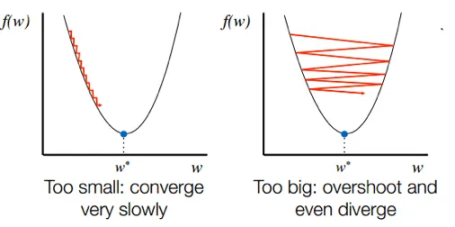
Это понимание того, как справляться с травмой, применимо не только к торговым убыткам, но и ко всем потерям в жизни. Две упомянутые ранее распространенные реакции являются слишком крайними, потому что они, решая одну проблему, часто создают множество новых. Если вы не сможете восстановиться после убытков тонким и точным образом, вы всегда будете колебаться вокруг оптимального решения, подобно алгоритму градиентного спуска со слишком большим шагом, который никогда не сходится к правильному результату.
Когда Наполеон потерпел поражение, он немедленно приступил к восстановлению инфраструктуры, готовясь к следующей кампании. Поражение становится смертельным, когда оно лишает вас способности сражаться снова. Главная задача после проигранной битвы — убедиться, что эта уязвимая точка больше не может быть использована противником, и как можно скорее восстановить боеспособность.
Вам не нужно искать спасения или мщения; не нужно заниматься самобичеванием или гневаться. Вы должны действовать как точная машина: устранить уязвимость, восстановить систему, обеспечить, чтобы эта ошибка никогда больше не повторялась. Каждая неудача, которую вы пережили, станет новым рвом в вашей торговой системе, и этот ров другие должны будут пройти на собственном опыте, чтобы приобрести его.

Именно такие неудачи формируют человека. Будьте благодарны за их приход, потому что они пришли, чтобы научить вас чему-то важному, а не бессмысленны. Позвольте себе чувствовать боль, но更重要的是, превратите эти муки в движущую силу, чтобы гарантировать, что это больше никогда не повторится.
Все это так сложно потому, что как только вы найдете верное направление, неизбежным станет сложное процветание вашего капитала. В заключение, желаю вам удачи.





















