Источник: Sourcery with Molly O'Shea
Перевод: Felix, PANews
Компания Figure, занимающаяся гуманоидными роботами, стремится создать универсального человекоподобного робота, способного выполнять человеческую работу, будь то на заводском цеху или дома. В ходе нескольких раундов финансирования, в которых участвовали Джефф Безос, Microsoft, NVIDIA и Amazon, её оценка выросла в 15 раз всего за 18 месяцев, достигнув 390 миллиардов долларов. В этом выпуске подкаста Sourcery мы проведём полный тур по штаб-квартире Figure и углубимся в беседу с основателем и генеральным директором Бреттом Эдкоком о будущем роботов, ИИ и занятости.
Бретт рассказал, почему гуманоидные роботы уже сейчас готовы к использованию, как Figure планирует увеличить производство с нескольких тысяч устройств в этом году до миллиона в год, и почему он верит, что Figure может стать крупнейшей компанией в мире. Мы также обсудили причины решения Бретта уйти из OpenAI, вызовы создания физического искусственного интеллекта и условия, необходимые для решения одной из самых сложных инженерных проблем. PANews подготовил перевод этого подкаста.
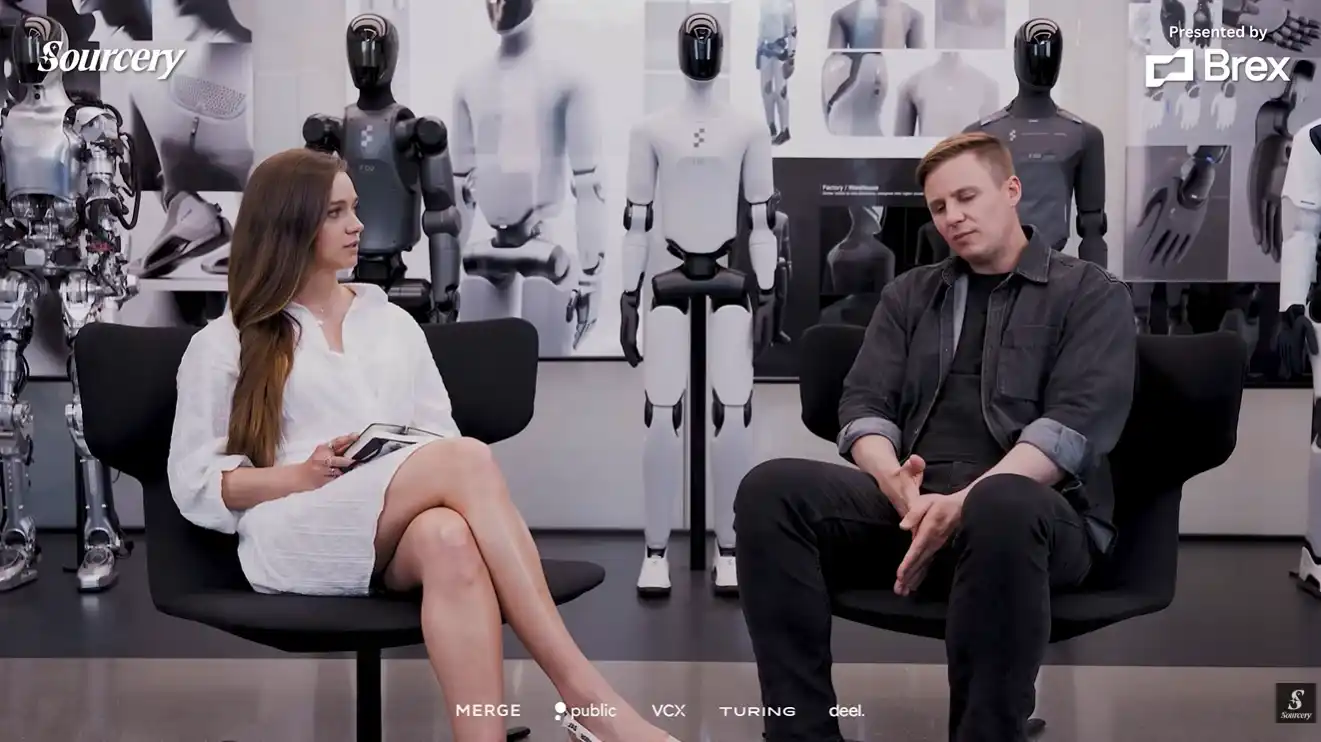
Ведущий: Какая ваша самая горячая точка зрения в робототехнике на данный момент?
Бретт: Я думаю, мы потратили много времени на создание полностью автономных и сквозных систем. Когда вы зашли, вы задали несколько вопросов, например, «Это управляется дистанционно?» Мы не управляем ими дистанционно. Наш взгляд на робототехнику таков: без личного визита сложно понять, что на самом деле происходит в этой области. Поэтому я надеюсь, что вам понравится сегодняшний визит, и вы увидите всё, что мы делаем. Моя горячая точка зрения: мы просто хотим, чтобы гуманоидные роботы действительно работали, и они уже работают. Роботы могут справляться с повседневными задачами, например, убирать гостиную или выполнять коммерческие операции. Очень круто видеть, что это произойдёт в ближайшие годы.
Ведущий: Это очень конкурентная область, и конкуренция растёт. Какие ощущения от этой конкуренции? Какова ваша цель?
Бретт: Наша внутренняя цель — заставить этих роботов выполнять реальную работу и получать за неё плату. Поэтому мы очень сосредоточены на том, как достичь автономной полезной работы — это наш стандарт. Нам нужно отлично справляться с этим с помощью ИИ-моделей, а также иметь хорошее аппаратное обеспечение. Оно должно быть рентабельным, чтобы производить роботов в больших количествах. Я считаю, что сейчас мы опережаем всех примерно на несколько лет в глобальном масштабе. Мы всё ещё в ранних главах книги о гуманоидных роботах. Следующий шаг — как вывести больше роботов на рынок в больших масштабах, и мы хотим быть первыми, кто это сделает.
Как обеспечить работу сотен, тысяч, десятков тысяч роботов в мире каждый день? Эта область ещё очень молода. Мы находимся на первом этапе, когда гуманоидные роботы массово входят в общество. Внутри компании нас больше всего волнует: это работает, и это только первый этап. Второй этап — вывести больше роботов, чтобы они работали в больших масштабах. После этого мы хотим добиться истинной универсальности, чтобы роботы могли делать всё, что может человек.
Ведущий: Сколько роботов вы хотите производить в год? Какова цель?
Бретт: В этом году мы произведём здесь тысячи роботов максимально быстро. Мы на полной скорости наращиваем производственную линию BotQ. В марте мы установили рекорд по производству, планируем утроить его в мае — мы произведём тысячи штук. У нас уже есть готовые детали, мы наращиваем объёмы. После этого мы хотим достичь десятков тысяч, сотен тысяч, мы стремимся к миллиону в год. При этом нам нужно, чтобы коммерческий прогресс соответствовал этой скорости. У нас огромный коммерческий спрос. Если бы роботы были готовы сейчас, я думаю, я мог бы сегодня разместить много роботов у коммерческих клиентов. Самый большой разрыв — в том, чтобы заставить роботов автономно работать в больших масштабах.
Ведущий: Итак, какое сейчас узкое место в коммерциализации?
Бретт: Это наличие достаточного количества роботов и обеспечение их работы на уровне человека в больших масштабах. Мы не хотим выводить на рынок тысячу роботов и сталкиваться с тысячей проблем каждый час. Это никому не пойдёт на пользу. В прошлом году мы поставили небольшую партию роботов BMW, они работают каждый день, уже шесть месяцев, и работают отлично. Мы многому научились, а затем полностью переработали весь подход к коммерческому программному обеспечению и ИИ-системам. Это также привело нас к разработке Helix 2. Это ИИ-модель второго поколения, выпущенная всего несколько месяцев назад. Сейчас вопрос в том, как развернуть этих роботов у множества разных клиентов. Возможно, в ближайшие 90 дней мы анонсируем много связанных с этим новостей, в этом году мы развернём их в довольно больших масштабах. Если всё пойдёт хорошо, мы продолжим безумно расширяться. Роботы, развёрнутые в прошлом году, показали себя хорошо, мы многому научились. В этом году у нас будет больше роботов, развёрнутых у множества разных клиентов. Если всё пойдёт хорошо, мы продолжим безумно расширяться.
Ведущий: Figure существует менее четырёх лет. Как вы так быстро расширились? Какой был процесс?
Бретт: Да, я занимаюсь стартапами уже около 20 лет. Раньше я быстро вырастил и продал софтверную компанию, быстро вырастил и вывел на IPO Archer. Поэтому каждый раз, когда я нахожусь на этом этапе, я оглядываюсь назад и думаю: чему я научился из прошлого опыта? Как можно сделать лучше? В Figure мы применили очень дифференцированный подход, по сути, вертикально интегрировав и спроектировав всё сами. Я думаю, что в мире нет компании, которая спроектировала бы больше компонентов для робототехнического оборудования, чем мы. Мы сами проектируем двигатели, роторы, статоры, датчики, конструкцию, кинематику, суставы, батареи. Это позволяет нам контролировать свою судьбу и создавать собственные цепочки поставок. Без этого вы зависите от поставщиков, а что вы будете делать, если что-то пойдёт не так? Вы сможете это понять? Исправить? Наложить заплатку? Поэтому мы понимаем весь технологический стек сверху донизу. Поначалу пришлось вложить огромные усилия, чтобы нанять нужных людей. Сейчас мы прошли итерации и получили достаточно надёжную систему, которая хорошо работает.
С самого начала я сам финансировал всё, и через четыре месяца скорость сжигания денег достигла миллиона долларов в месяц, это не шутки. За четыре-пять месяцев мы собрали команду из 40 человек, и они были фантастическими. Затем мы работали по 100 часов в неделю, просто чтобы вместе с командой сделать это. Мы совершили ошибки, многому научились, кое-что сделали правильно — просто постоянно рекурсивно улучшали.
Ведущий: Почему вы ушли из Archer?
Бретт: Фундаментальная проблема в робототехнике — можно ли решить задачу создания гуманоидного робота. Если это удастся, это станет крупнейшим бизнесом в мире с огромным отрывом. Почти половина мирового ВВП — это человеческий труд. Я хотел посвятить себя созданию этого «святого Грааля» робототехники. В Archer я отвечал за проектирование всех наших самолётов. Я считаю, что в этом десятилетии мы подарим миру гуманоидных роботов. Это может стать одним из важнейших бизнесов в нашей жизни. Поэтому сейчас я могу посвятить время одной из важнейших областей в своей карьере. Я собрал всю команду в Archer, руководил всеми инженерными разработками, вывел компанию на IPO. Сейчас самолёт находится в хорошем положении для сертификации и выхода в федеральное воздушное пространство. А Figure находится в хорошем положении для реального масштабирования физического интеллекта.
Ведущий: Почему вы решили основать ещё одну компанию и финансировать её после IPO?
Бретт: На самом деле, я основал ещё несколько компаний после этого. Если кратко, я следил за областью гуманоидных роботов десятилетиями. Но гуманоидные роботы всё время шли в неправильном направлении, создавали не то, что нужно, или занимались этим просто как хобби, и инженерные решения, на мой взгляд, были недостаточно правильными. Мне казалось, что кто-то должен значительно ускорить развитие этой области. Четыре года назад лучшим продуктом был гидравлический гуманоидный робот Atlas от Boston Dynamics. Он повсюду капал маслом, работал только 20 минут, был большим и небезопасным, его вообще нельзя было размещать рядом с людьми, и он использовал традиционные методы управления. У Boston Dynamics сильный исследовательский бэкграунд, но не такой сильный в коммерциализации. Поэтому я чувствовал, что нужна компания, которая действительно принесёт гуманоидных роботов в массы. Без моего участия я не уверен, что мы бы дошли до этого момента. Figure уже доказала, что мы значительно сдвинули временные рамки.
Ведущий: Вы недавно стали вирусными из-за комментариев о сотрудничестве с OpenAI. Что именно произошло?
Бретт: Два года назад OpenAI возглавила наш раунд B, они также привлекли Microsoft. В рамках сотрудничества мы подписали соглашение о совместной разработке ИИ-моделей следующего поколения. Мы потратили около года на совместную работу, изучая, как заставить ИИ-модели работать на гуманоидных роботах, как задействовать языковые модели на них. Они интересовались робототехникой, а мы хотели лучше понять роль языковых моделей в роботах.
Мы сотрудничали с ними год, они хорошие люди. Я работал с ними почти каждый день или каждую неделю. Позже наша внутренняя команда, разрабатывающая модели, обогнала OpenAI. Мы стали лучше во всём: тестировании на роботах, обучении моделей и т.д. Моя команда имеет более чем десятилетний опыт в машинном обучении для роботов. В итоге я прекратил сотрудничество.
Ведущий: Почему вы тогда позволили им инвестировать?
Бретт: Я тогда думал, что может быть большой стратегический синергетический потенциал, и мы могли бы учиться друг у друга. Но оказалось, что в этом я ошибся.
Ведущий: Вы рано начали усиливать защиту? Потому что, когда я вошёл, у меня забрали телефон, было много ограниченных зон, вы очень строги в защите интеллектуальной собственности.
Бретт: Мы всегда довольно серьёзно относились к безопасности. Я думаю, что то, что мы делаем, сопряжено с высоким риском для интеллектуальной собственности, поэтому мы очень осторожны в инженерных CAD-файлах, программном обеспечении и т.д., строго контролируем с точки зрения кибербезопасности и внутренней безопасности. Наш офис на самом деле довольно открытый, вы можете многое увидеть, войдя. Но в районе залива Сан-Франциско много шпионов и приманок. Однажды мы подняли головы и увидели дрон прямо над окном в углу офиса, смотрящий внутрь. Мы немедленно усилили все меры. Сейчас мы очень строги как в физической, так и в цифровой безопасности.
Ведущий: Как лидер, вы поддерживаете свою производительность и лидерство в команде?
Бретт: В моей жизни есть три временных отрезка: семья, работа, друзья. Но пять лет назад я понял, что невозможно совмещать все три, и решил отказаться от ежегодных гольф-путешествий, ужинов с друзьями, которых не видел десять лет, и т.д. Сейчас я трачу время только на семью и компанию.
Каждый вечер в 6 я возвращаюсь домой, ужинаю с детьми, укладываю их спать, а потом, если нужно, возвращаюсь в офис работать. Я концентрируюсь на решении самых сложных проблем в компании, помогаю ей расти. Сейчас я сижу в открытом пространстве, а не в угловом офисе. Я трачу большую часть времени на продукт и инженерию — это то, что действительно важно, а не традиционный PR, участие в выставках и т.д.
Ведущий: Какой самый большой риск для этого бизнеса?
Бретт: Создание гуманоидного робота — это невероятно сложно. Мне даже трудно это объяснить. Заставить робота делать то, что мы демонстрируем сегодня, почти свело меня с ума. Нам ещё предстоит долгий путь. Самый большой риск — сможем ли мы обеспечить долгосрочную, эффективную сквозную работу: поместить робота в дом и заставить его работать без сбоев, без вмешательства человека по 7-10 часов подряд, каждый день, всегда. Этого ещё никто не делал. Аппаратное обеспечение очень сложное, мы с нуля спроектировали всю цепочку поставок. Уровень отказов должен быть чрезвычайно низким, стоимость достаточно низкой, производство массовым, и потребители должны действительно хотеть их.
Ведущий: Вы привлекли почти 20 миллиардов долларов, оценка — 390 миллиардов долларов. Считаете ли вы капитал или оценку риском?
Бретт: Это станет крупнейшим бизнесом в мире. Почти половина мирового ВВП в коммерческой сфере — это заработная плата человеческого труда. Если роботы справятся хорошо, мы сможем развернуть миллиарды роботов, создавая триллионы долларов дохода. Технологические компании обычно оцениваются в 10-20 раз больше выручки — это будет сверхбизнес на триллион долларов.
Ведущий: Наконец, чего вы больше всего ждёте в этом году?
Бретт: В этом году я хочу масштабно поставить роботов миру. Вторая вещь — решить то, что я называю проблемой «универсального робота»: робота, который может делать всё, что может человек. Мы уделяем огромное внимание Helix, надеясь, что это место станет первым в физическом мире, где увидят ОИИ (общий искусственный интеллект). Мы считаем, что у нас есть правильная формула и процесс обучения. Этот и следующий год будут критически важны для того, сможем ли мы прорваться в этом направлении.
Похожие материалы: 11 практических руководств по применению гуманоидных роботов: Китай лидирует в мире, кто зарабатывает, кто ещё на стадии пилота?







