Резкий удар по рисковым рынкам привел к значительным потерям на криптовалютном рынке за выходные. Согласно отчетам, совокупная рыночная стоимость сократилась примерно на 250 миллиардов долларов, поскольку инвесторы отозвали средства. Часть продаж сильно ударила по Биткойну. Другие сообщают, что одновременно распродажи затронули и технологические акции.
Биткойн столкнулся с проверкой доверия
Биткойн искал точку опоры. На сегодняшний день он опустился ниже 80 000 долларов и упал примерно на 40% по сравнению с максимумом 2025 года выше 126 000 долларов.
Трейдеры и ончейн-трекеры показывают ослабление покупательского давления. Интерес розничных инвесторов остыл. Зафиксированы крупные оттоки из спотовых ETF, и несколько индикаторов потеряли импульс.
Зона поддержки около 73 000–75 000 долларов теперь находится под пристальным вниманием многих, в то время как некоторые участники рынка ожидают, что будет пробито больше стоп-лоссов, прежде чем наступит спокойствие.

Рынки движутся синхронно
Аналитики отмечают, что акции компаний, предоставляющих программное обеспечение как услугу (SaaS), и Биткойн падали синхронно. Это важно, потому что и те, и другие сильно зависят от ожиданий будущего роста; они, как правило, страдают первыми, когда деньги становятся труднодоступными.
В то же время росло золото, и некоторые трейдеры утверждали, что перемещение средств в золото отвлекло маржинальные деньги от более рискованных ставок. Когда между банками циркулирует меньше свободных долларов, хедж-фонды быстро сокращают leverage, и самые рискованные позиции страдают больше всего.
https://t.co/M5mLAi3XLA
— Raoul Pal (@RaoulGMI) 1 февраля 2026 г.
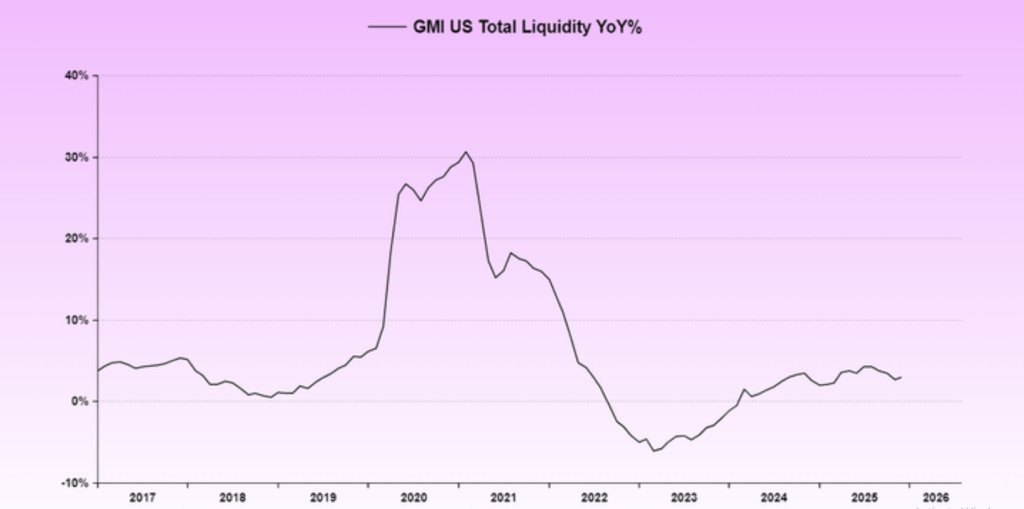
Источник: LSEG Datastream/Global Macro Investor
Макро-ликвидность, а не проблема только криптовалют
По словам Рауля Пала, основателя и CEO Global Macro Investor, сжатие произошло из-за сокращения пула ликвидности в долларах США, а не из-за проблемы, уникальной для криптовалют.
Механизмы, на которые он указывает, носят технический характер: пополнение Счета общего фонда Казначейства (TGA), рост стоимости funding и уменьшение буфера в Фонде обратного репо (RRP), который раньше поглощал избыточную наличность.
«Ралли в золоте высосало всю маржинальную ликвидность из системы, которая в противном случае потекла бы в BTC и SaaS», — заявил Пал.
«Ликвидности было недостаточно для поддержки всех этих активов, поэтому пострадали самые рискованные», — добавил он.
Такие сдвиги могут незаметно удалять ликвидность, даже когда ни один заголовок не кричит о кризисе. Сбои в государственном финансировании также обвинялись в создании трения в системе. Когда ликвидность уходит, активы, привязанные к будущим денежным потокам, сильно страдают.
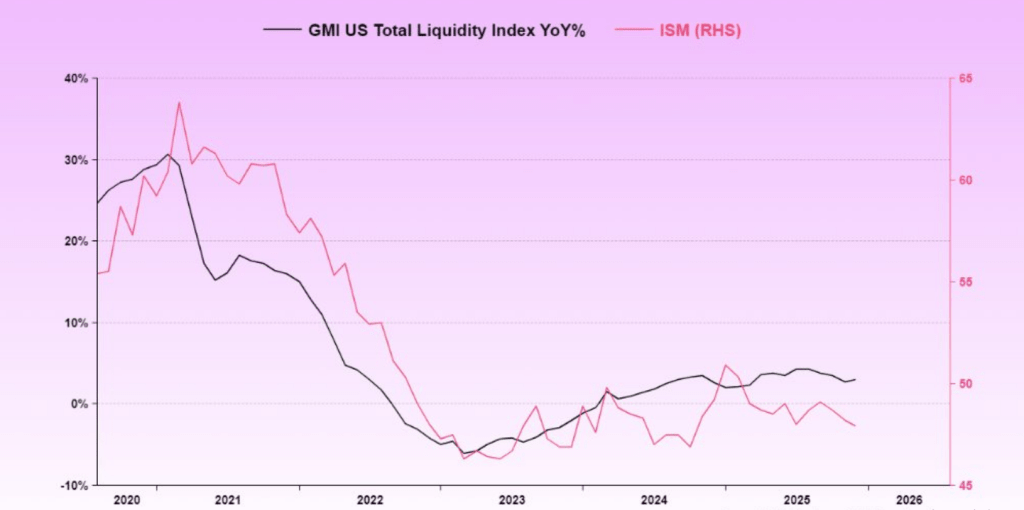
Источник: LSEG Datastream/Global Macro Investor
Разные мнения о назначении в ФРС
Сообщается, что номинация Кевина Уорша на пост главы Федеральной резервной системы добавила нервозности настроению. Некоторые профессионалы рынка опасаются, что он не будет снижать ставки так быстро, как надеялись.
Некоторые аналитики заявили, что настроения изменились из-за идеи, что смягчение ставок может быть отложено. Но Рауль Пал возразил, утверждая, что команда президента США Дональда Трампа будет направлять политику в сторону более мягких ставок и что Уорш будет следовать этому плану.
Мнения расходятся. Эта неопределенность заставила многих трейдеров неохотно вкладывать новые деньги в перегретые сделки.
Осторожное, но не отчаянное завершение
На момент написания статьи ценовое действие выглядит хрупким, а ралли были недолговечными. Тем не менее, некоторые аналитики ожидают, что отток ликвидности ослабнет, и капитал постепенно вернется, как только условия funding нормализуются.
Ближайшие недели покажут, вернутся ли покупатели в районе низов 70 тысяч долларов или же продажи найдут более глубокий уровень. В отчетах отмечается, что аппетит к риску часто возвращается до того, как меняются заголовки новостей, но только когда доллары снова текут.
Featured image from Unsplash, chart from TradingView







