Иллинойс, Аризона и Коннектикут пытаются регулировать крипто-рынки прогнозов, такие как Polymarket и Kalshi. Комиссия по торговле товарными фьючерсами (CFTC) и Министерство юстиции приходят на помощь.
Впервые чаша весов склоняется в пользу крипто-рынков прогнозов
Как бы противоречиво это ни звучало, администрация Трампа пытается спасти крипто-рынки прогнозов от самих штатов. Скоординированные иски, поданные CFTC и Минюстом против трёх штатов, утверждают, что только федеральный регулятор деривативов может контролировать рынки прогнозов.
The @CFTC has clear and longstanding exclusive jurisdiction to regulate prediction markets. But recently, state regulators have tried to impose inconsistent and contrary obligations on CFTC-registered prediction markets. In response, the CFTC and @TheJusticeDept today filed three...
— Mike Selig (@ChairmanSelig) April 2, 2026
В исках даже утверждается, что три штата обходят полномочия CFTC, пытаясь закрыть «федерально регулируемые DCM» (designated contract markets). Что касается Иллинойса, федеральный регулятор заявил, что штат потратил последний год на рассылку писем о прекращении деятельности Kalshi, Crypto.com и Polymarket, которые, как утверждается в жалобе, находятся под юрисдикцией CFTC:
Попытка Иллинойса закрыть федерально регулируемые DCM вторгается в исключительную федеральную схему, разработанную Конгрессом для надзора за национальными рынками свопов.
Связанный материал: Криптотрейдеры на взводе из-за задержки ключевого закона в Корее — Что дальше, риск «кимчи-премии»?
Проще говоря, Вашингтон заявляет, что рынки прогнозов являются федерально регулируемыми деривативами. Однако штаты настаивают, что рынки прогнозов — это просто нелицензированные азартные игры, наносящие вред местным потребителям.
Председатель CFTC Майкл Селиг пояснил, что это не первый раз, когда штаты «пытались навязать последовательные и противоречивые обязательства участникам рынка». Только в прошлом месяце двухпартийный законопроект Сената, направленный против ставок на спорт на таких платформах, как Polymarket и Kalshi, был внесен сенаторами Адамом Шиффом (демократ от Калифорнии) и Джоном Кертисом (республиканец от Юты).
Также в марте представитель-демократ Сет Моултон от Массачусетса (MA-06) официально запретил всему своему персоналу участвовать в рынках прогнозов. В тот же день конгрессмен Эдриан Смит (республиканец от NE-03) и конгрессвумен Никки Будзински (демократ от IL-13) из Небраски внесли Закон PREDICT, запрещающий членам Конгресса торговать на рынках политических и политических исходов.
По данным Reuters, это первые иски CFTC с целью заблокировать попытки государственных игровых регуляторов контролировать операторов рынков прогнозов. Агентство также отметило, что все ответчики являются демократами.
Последствия для рынка
Иски CFTC основаны на её недавнем стремлении утвердить «исключительную юрисдикцию» над событийными контрактами, включая спорт и политику, отменяя шаг эпохи Байдена, который пытался запретить широкие категории рынков прогнозов.
Рынки прогнозов превращаются в информационный слой и инструмент хеджирования для трейдеров, при этом ликвидность всё больше поступает от крипто-нативного капитала и интеграций с биржами.
Победа на федеральном уровне, вероятно, централизует нормотворчество в CFTC, потенциально расчищая единый регуляторный путь для крипто-платформ прогнозов, но ужесточая надзор и правоприменение. И наоборот, если победят штаты, платформы могут столкнуться с лоскутным одеялом правил азартных игр, которые раздробят ликвидность, вытеснят некоторые рынки офшоры и повысят премии за операционные риски для трейдеров.
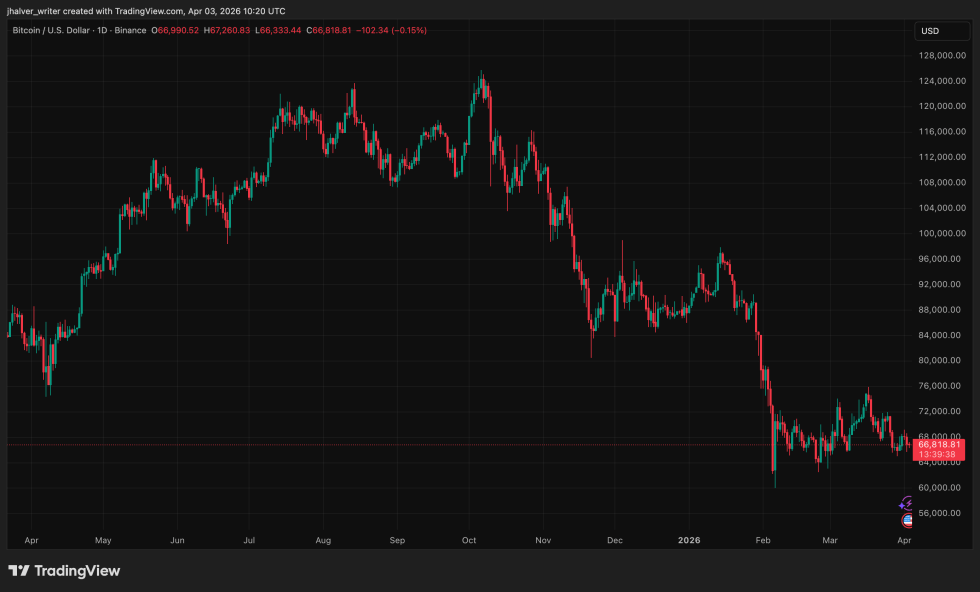
На момент написания BTC торгуется почти за 67 тыс. долларов на дневном графике. Источник: BTCUSD на Tradingview.
Изображение для обложки от Perplexity. График BTCUSD от Tradingview.







