Tether, the world's largest stablecoin giant, is preparing to buy Italy's most iconic football powerhouse, Juventus.
On December 12, Tether submitted a takeover offer to the Italian stock exchange, proposing to acquire the 65.4% stake in Juventus held by the Exor Group at a price of €2.66 per share, a 20.74% premium over the market price. If the deal is successful, Tether will also inject an additional €1 billion into the club.
This is an all-cash offer. No bets, no conditions, just a simple exchange of 'cash for goods'. In the world of capital, this is the most brutal form of sincerity, and Tether has given the Exor Group only a mere 10 days to consider it.
However, the Exor Group, controlled by the Agnelli family, quickly issued a statement: 'There are currently no negotiations regarding the sale of Juventus shares.'
The implication is clear: Not for sale.
In less than 24 hours, renowned Italian journalist Eleonora Trotta reported that Tether was preparing to double its offer, directly valuing Juventus at €2 billion.
At the center of the storm is a man named Paolo Ardoino.
In 1984, Paolo was born in an ordinary small town in Italy. His parents were civil servants, and his grandparents tended a traditional olive grove. It was a typical Italian childhood; the black and white striped jersey, the cheers at the Allianz Stadium in Turin, and the glory of the Agnelli family together formed the spiritual totem of his growing memories.
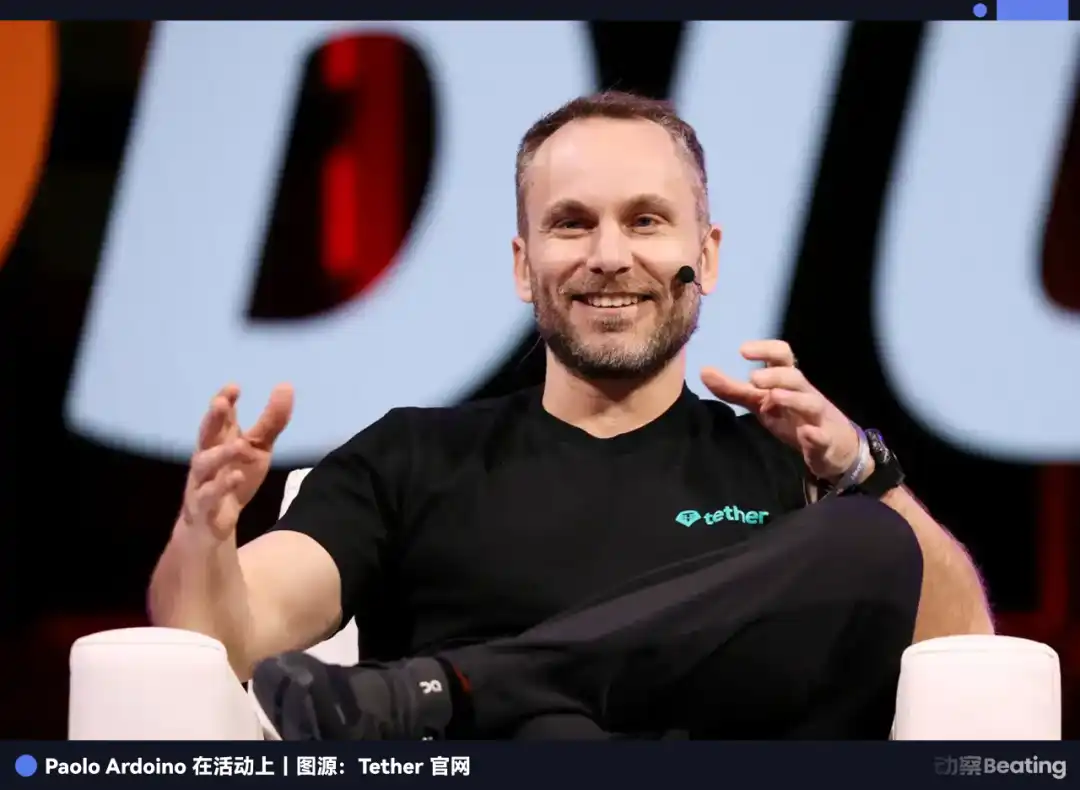
Thirty-two years later, the boy under the olive trees grew into the Caesar of the cryptocurrency world, presiding over Tether, a super money printer with annual profits of $13 billion. Now, returning home in glory, he attempts to buy the dream of his childhood, to give back to that black and white faith flowing in his blood.
But reality taught sentimentality a lesson.
When Paolo enthusiastically knocked on the door of Juventus, he was met not with flowers or applause. What awaited him was a nine-month-long ordeal of exclusion and humiliation from the old world.
The 9 Months of Exclusion
The honeymoon period began in a way that was almost unrequited.
In February 2025, Tether announced it had acquired an 8.2% stake in Juventus, becoming the second-largest shareholder after the Exor Group. In the official statement, Paolo shed his businessman's shrewdness and rarely showed his soft side: 'For me, Juventus has always been a part of my life.'
Paolo thought it was a business deal where everyone got what they needed: I have money, you need money, it's a perfect match. However, in Italy, some doors aren't opened just with money.
Two months later, Juventus announced a capital increase plan of up to €110 million. At this critical moment needing a cash infusion, Paolo, as the second-largest shareholder, was deliberately 'forgotten'. No phone call, no email, not a single explanation. The Exor Group couldn't even be bothered to send him a polite rejection.
Paolo typed out a message full of grievance on social media: 'We hoped to increase our stake in Juventus through a possible capital increase by the club, but this wish was ignored.'
Paolo had probably never been so humiliated in his life. A financial titan managing $13 billion in annual profits could only use social media to 'remind' Juventus: I want to participate in the capital increase, I want to invest more, but I'm being ignored.
Some sympathized with Paolo, seeing him as a genuine Juventus fan; others questioned his motives, believing he just wanted to use Juventus to whitewash Tether's image.
Whether外界 was sympathy or doubt, in the eyes of the Agnelli family, Paolo was still an 'outsider'. The relationship from the start was not cooperation but 'defense'.
Since sentiment couldn't buy respect, he would use money.
From April to October, Tether increased its shareholding from 8.2% to 10.7% through the open market. According to Italian law, a stake exceeding 10% grants the right to nominate a board member.
November 7, Turin, Juventus Annual General Meeting. The atmosphere became tense and unpredictable due to Tether's disruption.
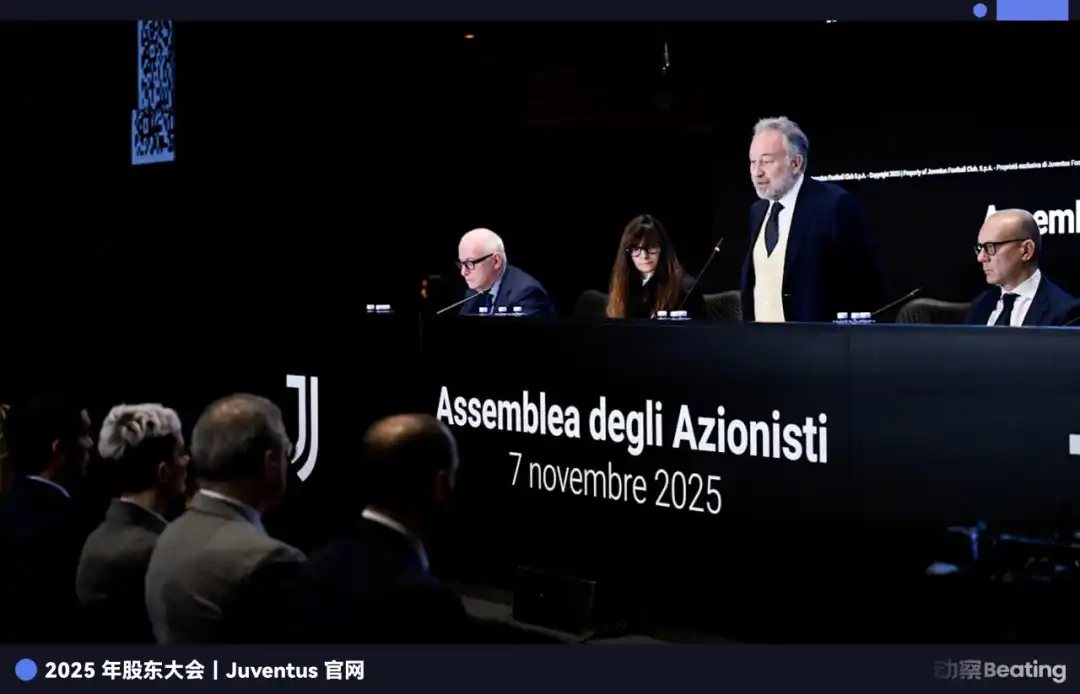
Tether nominated Francesco Garino as a board candidate, a renowned local Turin doctor and lifelong Juventus fan. Paolo tried to tell everyone: We are not barbarians, we are sons of Turin, bound by blood.
The shrewd Exor Group countered with a trump card: Giorgio Chiellini. This legendary captain, who served Juventus for 17 years and lifted 9 Serie A trophies, was pushed to the forefront.
This was Exor's strategy: use a club legend against capital, use sentiment against money.
In the end, Tether barely won a seat on the board. But in a boardroom where the Agnelli family holds absolute control, one seat means you can listen, you can suggest, but you cannot touch the steering wheel.
The concluding remarks from John Elkann, the fifth-generation leader of the Agnelli family: 'We are proud to have been shareholders of Juventus for over a century. We have no intention of selling our shares, but we are open to constructive ideas from all stakeholders.'
To translate this more bluntly: This is not just business; this is our family's territory. You can come in for tea, but don't expect to be the master here.
The Arrogance and Prejudice of Old Money
John's words carry the weight of 102 years of a family's glory and pride.
On July 24, 1923, 31-year-old Edoardo Agnelli took up the mantle of President of Juventus. From that day on, the fate of the Agnelli family and Juventus were tightly bound. The family's Fiat auto empire was, for most of the 20th century, Italy's largest private enterprise, employing countless workers and supporting millions of families.
And Juventus is another symbol of this family's power. 36 Serie A titles, 2 Champions League titles, 14 Coppa Italia trophies. Juventus is the most successful club in Italian football history and a source of national pride for Italians.
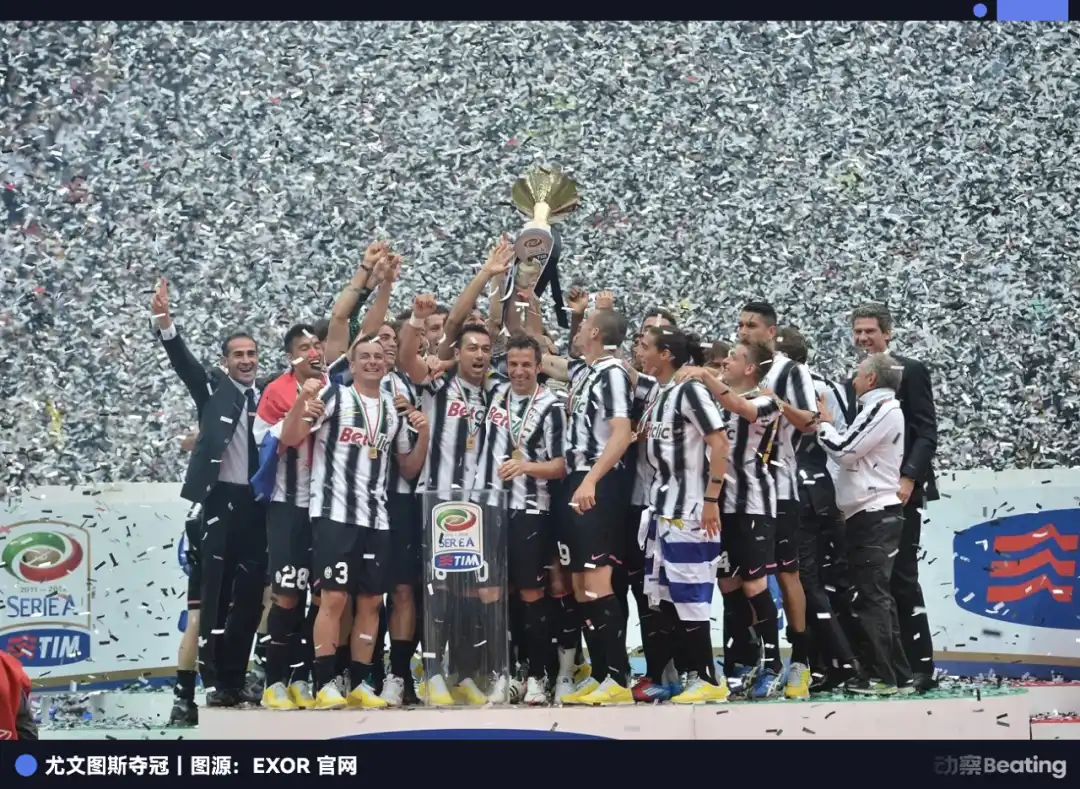
However, the Agnelli family's history of succession is written with blood and fractures.
In 2000, the Agnelli family heir, Edoardo Agnelli, jumped from a viaduct, ending his battle with depression. Three years later, the family patriarch, Gianni Agnelli, passed away. The baton of power had to be passed to his grandson, John Elkann.
John was born in New York and grew up in Paris. He speaks English, French, and Italian, but his Italian carries a noticeable foreign accent. In the eyes of many old-school Italians, he is merely a proxy who gained power through bloodline.
It took John a full 20 years to prove himself worthy of the Agnelli name.
He restructured Fiat, swallowed up Chrysler, and created Stellantis, the world's fourth-largest automotive group; he took Ferrari to the capital markets, doubling its市值; he bought The Economist, extending the Agnelli family's influence from Italy to the globe.
Unfortunately, the cracks within the family are becoming public. In September 2025, John Elkann's mother, Margherita, submitted a 'will' from 1998 to a Turin court, claiming that the inheritance left to her by her father Gianni had been misappropriated by John. Mother and son facing off in court is a huge scandal in Italy, where family honor is paramount.
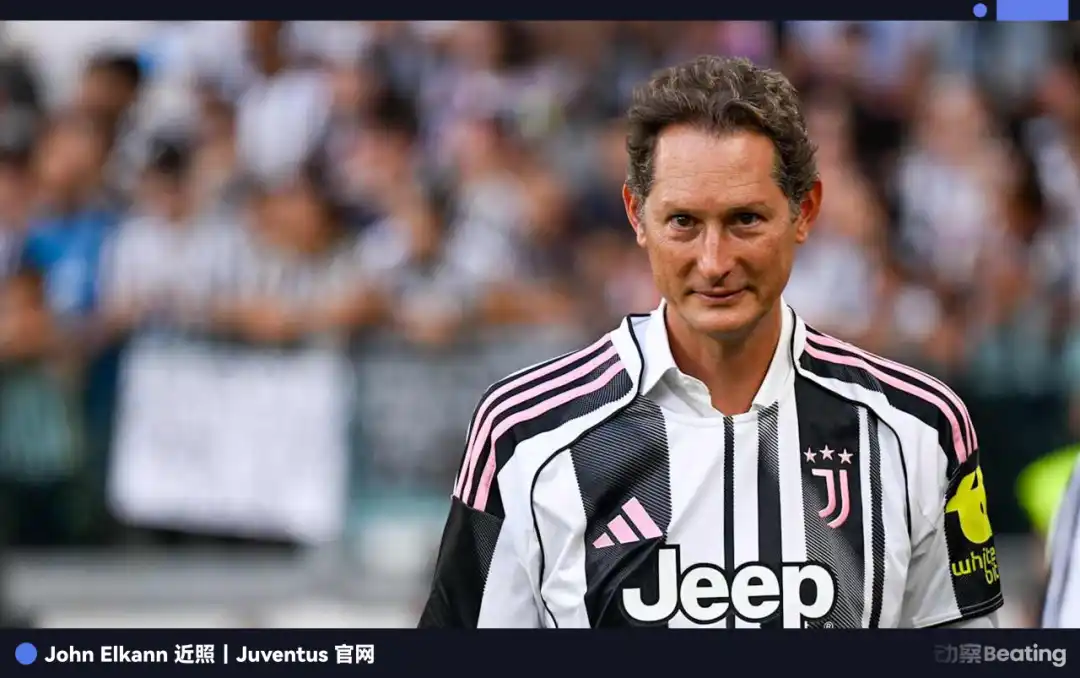
In this context, selling Juventus would be equivalent to admitting the end of the family's glory, admitting inferiority to their ancestors.
To hold onto Juventus, John is frantically selling off other family assets.
Just days before Tether made its offer, the Exor Group was busy selling its GEDI media group to the Greek media group Antenna Group for €140 million. GEDI owns the influential newspapers La Repubblica and La Stampa. The status of these two papers in Italy is no less than that of Juventus in Italian football.
The news caused an uproar in Italy. The Italian government even invoked the 'Golden Power' law, requiring Exor to protect jobs and editorial independence during the sale.
Newspapers losing money? They are a liability, cut them. Juventus losing money? It is a totem, keep it.
This choice exposes the窘迫 of the old aristocracy. They can no longer maintain their former empire and can only strive to retain the one that best represents the family's glory.
Therefore, even though Paolo's offer came with a hefty 20% market premium, John Elkann still sees it as a threat.
In the value system of European old money, the quality of wealth has a hierarchy.
Every penny of the Agnelli family's fortune is steeped in the smell of engine oil. It is an industrial monument forged from steel, rubber, the roar of engines, and the sweat of millions of workers. This kind of wealth is tangible, it represents order, control, and a social contract spanning a century.
Paolo's money, however, comes from cryptocurrency, from an industry that has grown wildly and controversially over the past decade.
Precedents are still fresh.
Just a few years ago, the blockchain company DigitalBits signed €85 million sponsorship deals with Inter Milan and AS Roma, two Serie A giants. But DigitalBits failed to pay the sponsorship fees due to a broken capital chain, forcing both clubs to terminate the contracts, leaving a mess behind.
Not to mention the chain of collapses in the cryptocurrency industry in 2022. Back then, Luna's logo was plastered on the Washington Nationals' stadium, and FTX's name adorned the Miami Heat's arena. In the eyes of the Agnelli family, the cryptocurrency industry is full of speculation and bubbles.
In the Agnelli family's eyes, Paolo will always be an 'outsider'. Not because of his origin, but because of his money.
A Totem in Need of Saving
But the problem is, Juventus really needs money.
Today's Juventus is deeply mired in trouble, all stemming from that day, July 10, 2018, when Juventus announced the signing of 33-year-old Cristiano Ronaldo. €100 million transfer fee, €30 million net annual salary, for 4 years.
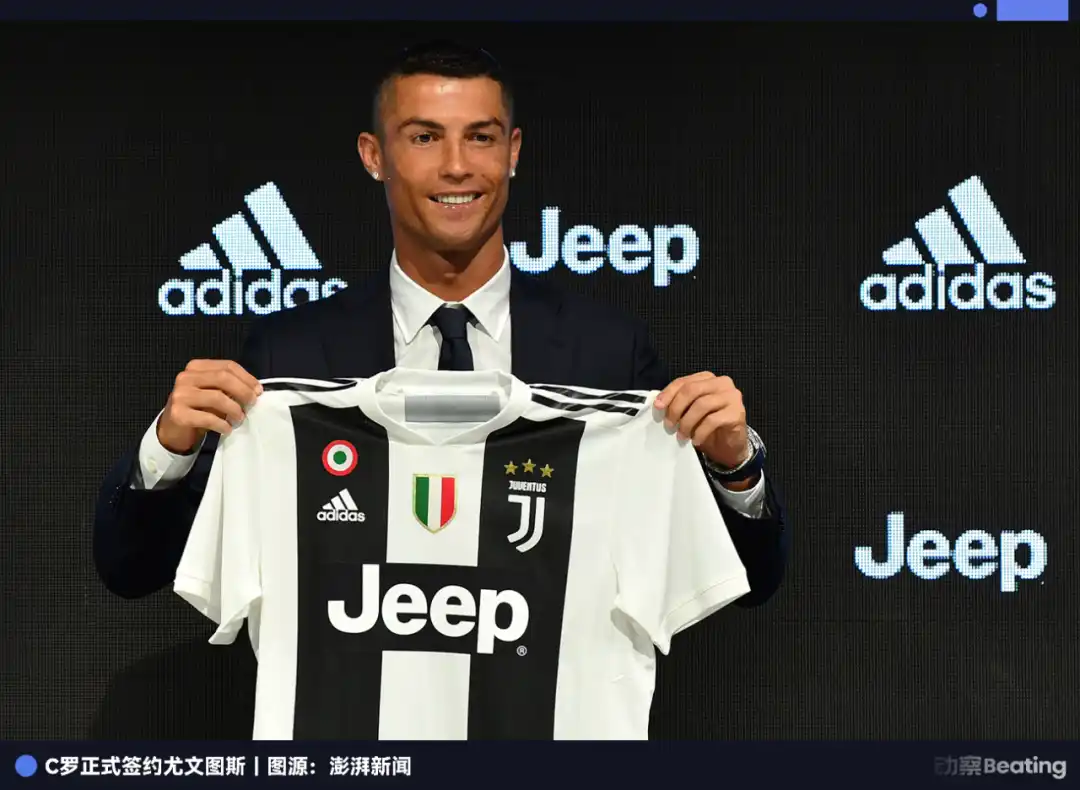
This was the biggest transfer in Serie A history and the highest wage in Serie A history. The then Juventus president, Andrea Agnelli, the fourth-generation leader of the Agnelli family, said excitedly at the shareholders' meeting: 'This is the most important signing in Juventus history. We will win the Champions League with Ronaldo.'
The city of Turin沸腾了. Fans flocked to the Juventus store, snapping up jerseys with Ronaldo's name. In just the first 24 hours after the announcement, the club sold over 520,000 jerseys, setting a record in football history. Everyone believed Ronaldo would lead Juventus to the top of Europe.
But Juventus did not win the Champions League. In 2019, knocked out by Ajax; in 2020, eliminated by Lyon; in 2021, defeated by Porto. In August 2021, Ronaldo suddenly left the team, moving to Manchester United. Juventus not only failed to recoup its investment but sank into deeper financial trouble.
Accountants later calculated the total cost: including the transfer fee, salary, and taxes, the total cost of signing Ronaldo reached a staggering €340 million. In his three years at Juve, he scored 101 goals, averaging €2.8 million per goal.
For a club the size of Juventus, the Champions League is less about honor and more about a cash flow switch: broadcast shares, matchday revenue, bonus clauses in sponsorships—many are tied to the Champions League. Once you lose the Champions League, the books immediately thin, and the team is forced to use accounting手段 to plug the hole.
Juventus sold Miralem Pjanić to Spanish giants Barcelona for €60 million, while simultaneously buying Arthur from Barcelona for €72 million. Both transactions were officially claimed to be unrelated, but everyone knew it was a carefully designed swap. Juventus实际上 only needed to pay a €12 million cash difference but could record tens of millions of euros in 'capital gains' on its books.
This kind of accounting is not uncommon in football circles, but Juventus overdid it.
Prosecutors found that over three years, the club had inflated profits by €282 million through 42 similar suspicious transactions. After the scandal was exposed, the entire board, including President Andrea Agnelli, resigned en masse.
Punishment for the team followed: deducted league points, exclusion from the Champions League, long-term bans for executives. This led to an even more terrible vicious cycle: poor team performance led to sharp revenue decline, revenue decline led to inability to sign players, inability to sign players led to worse performance.
Starting from a loss of €39.6 million in the 2018-19 season, Juventus's financial situation deteriorated. By the 2022-23 season, the loss had reached €123.7 million. From the peak of nine consecutive Serie A titles to years of huge losses, in November 2025, the Exor Group had to inject nearly €100 million into Juventus again.
This was already the third time the Exor Group had to bail out Juventus in two years. The Exor Group also owns assets like Ferrari, Stellantis automotive group, and The Economist magazine. Juventus's continuous losses are eroding the group's overall profits. In the 2024 financial report, Exor Group's net profit fell by 12%. Analysts pointed out that Juventus has become a drag on the group's performance.
John Elkann is in a dilemma, unsure how to decide.
And Paolo, holding $13 billion in annual profits, is knocking on the door. He has plenty of money, he has patience, he has love for Juventus.
This should have been a perfect deal, if not for that mountain called 'class' standing in between.
The Dream Under the Olive Trees
Paolo's knocks received no response, so he made his choice.
On December 12, Paolo bypassed all private roundtable meetings and made the offer public directly through the Italian stock exchange. Paolo backed John Elkann into a corner, forcing him to answer this question in front of all of Italy: Do you want money, or do you want the family's face?
The news sent Juventus's stock price soaring, as the market expressed its desire for 'new money'. Both Gazzetta dello Sport and Tuttosport reported it on their front pages. The entire Apennine Peninsula awaited the Agnelli family's decision.
The Agnelli family's refusal was expected, yet unreasonable.
Expected, because the family's pride does not allow them to bow to new money. Unreasonable, because given their current financial situation, rejecting such a huge sum requires an almost tragic stubbornness.
For Paolo, he wants to use the money he earned to save the idol of his childhood. Companies ultimately have a nationality. Although Tether is a digitally nomadic business with a global reach, its CEO is Italian, its heart is in Italy.
From the Agnelli family's perspective, they are guarding not just a club, but 102 years of family glory and a symbol of Italy's industrial age.
This is no longer a博弈 of business logic; it is a collision of two faiths.
In John Elkann's eyes, that bronze gate must remain shut because outside stands a speculator trying to whitewash his identity. But in Paolo's eyes, that gate should open because outside stands a child of Italian blood who can save this team.
However, the times are not on the side of the old aristocracy.
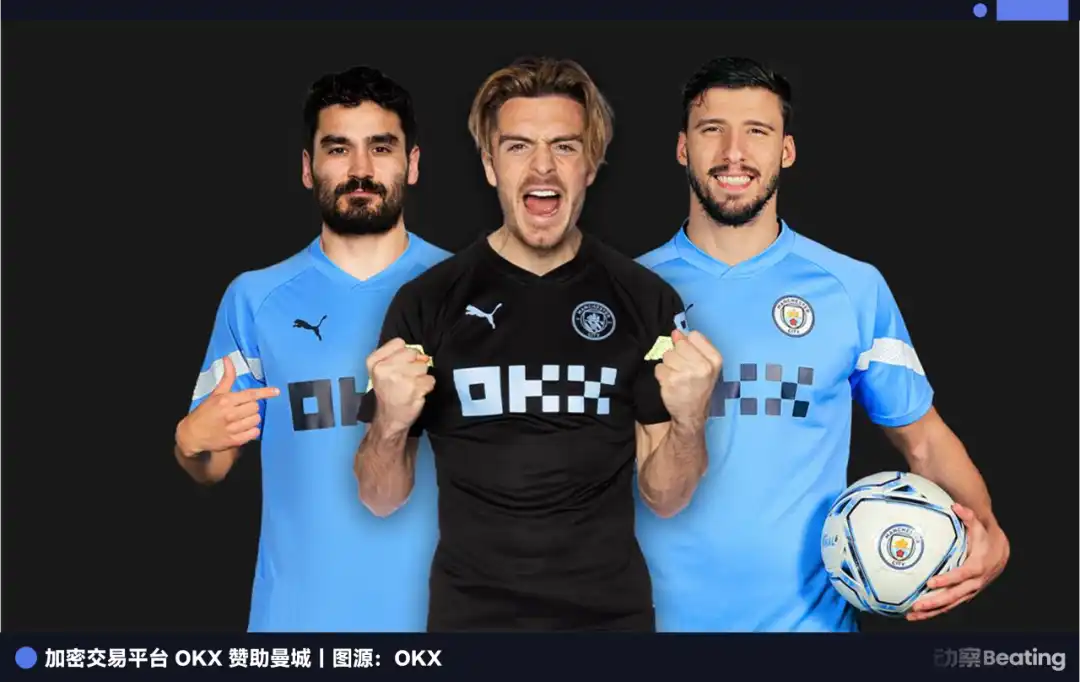
In the same week that Exor rejected Tether, Premier League champions Manchester City announced a renewal of their partnership with the crypto exchange OKX, with the chest sponsorship worth over €100 million. European giants like Paris Saint-Germain, Barcelona, and AC Milan have already established deep cooperation with crypto companies. In Asia, South Korea's K League and Japan's J League have also begun accepting cryptocurrency sponsorships.
New money entering traditional industries controlled by old money is no longer a question of 'if' but 'how'. Football is just one battlefield. In the art auction field, Sotheby's and Christie's have begun accepting cryptocurrency payments; in real estate, luxury home transactions in cities like Dubai and Miami can already be completed with Bitcoin. The same conflicts are playing out globally.
Paolo's charge, whether successful or not, is testing the boundaries of this era: When a generation creates enormous wealth in new ways, do they deserve a seat at the old world's table controlled by old money?
At the end of the story, the画面定格在那片郊外的橄榄园.
Thirty-two years ago, a dark-haired boy sat there, accompanied by the sounds of his grandparents working, cheering at the black and white figures on the TV. He would never have imagined that one day he would stand outside that gate, waiting for an answer.
That tightly shut bronze gate remains cold and威严. Behind it lies a century of Agnelli family glory, the last afterglow of the old industrial era.
It did not open for new money this time, but the person knocking will not retreat. Because he knows that pushing this door open is only a matter of time.