12 марта крупнейшая в мире компания по обеспечению безопасности Web3 CertiK опубликовала «Отчет Skynet о мошенничестве с криптовалютными банкоматами». Согласно отчету, убытки от такого мошенничества в 2025 году достигли 330 миллионов долларов США, что примерно на 33% больше, чем в предыдущем году, что делает его одной из самых быстрорастущих категорий финансовых преступлений в США.
В отчете отмечается, что по мере роста количества криптовалютных банкоматов по всему миру и использования преступными группами социальной инженерии и технологий ИИ для совершенствования методов мошенничества, эта преступная модель эволюционировала от разрозненных случаев до высокоорганизованной транснациональной мошеннической индустрии.
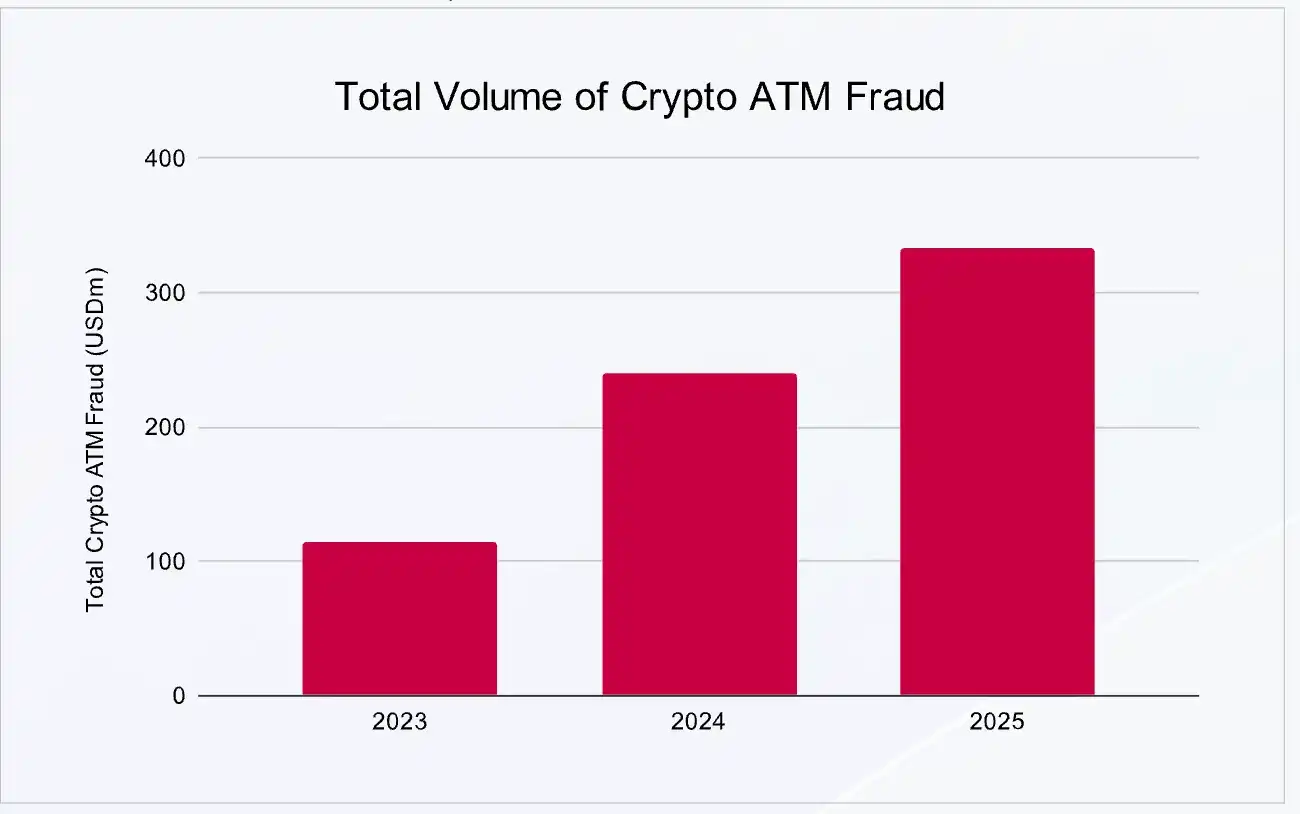
Общие убытки от мошенничества с криптовалютными банкоматами
Криптовалютные банкоматы стали «быстрым каналом» для перевода мошеннических средств
Мошенничество с криптовалютными банкоматами — это когда мошенники с помощью телефонных звонков, SMS-сообщений или социальных сетей诱导 жертв снять наличные и внести их в криптовалютный банкомат, после чего средства конвертируются в цифровые активы и переводятся на контролируемые мошенниками адреса кошельков.
В настоящее время в мире насчитывается около 45 000 криптовалютных банкоматов, 78% из которых расположены в США. Пользователи обычно могут обменять наличные на криптовалюту и выполнить перевод в течение 5 минут, что делает их идеальным каналом для перевода средств преступными группами.
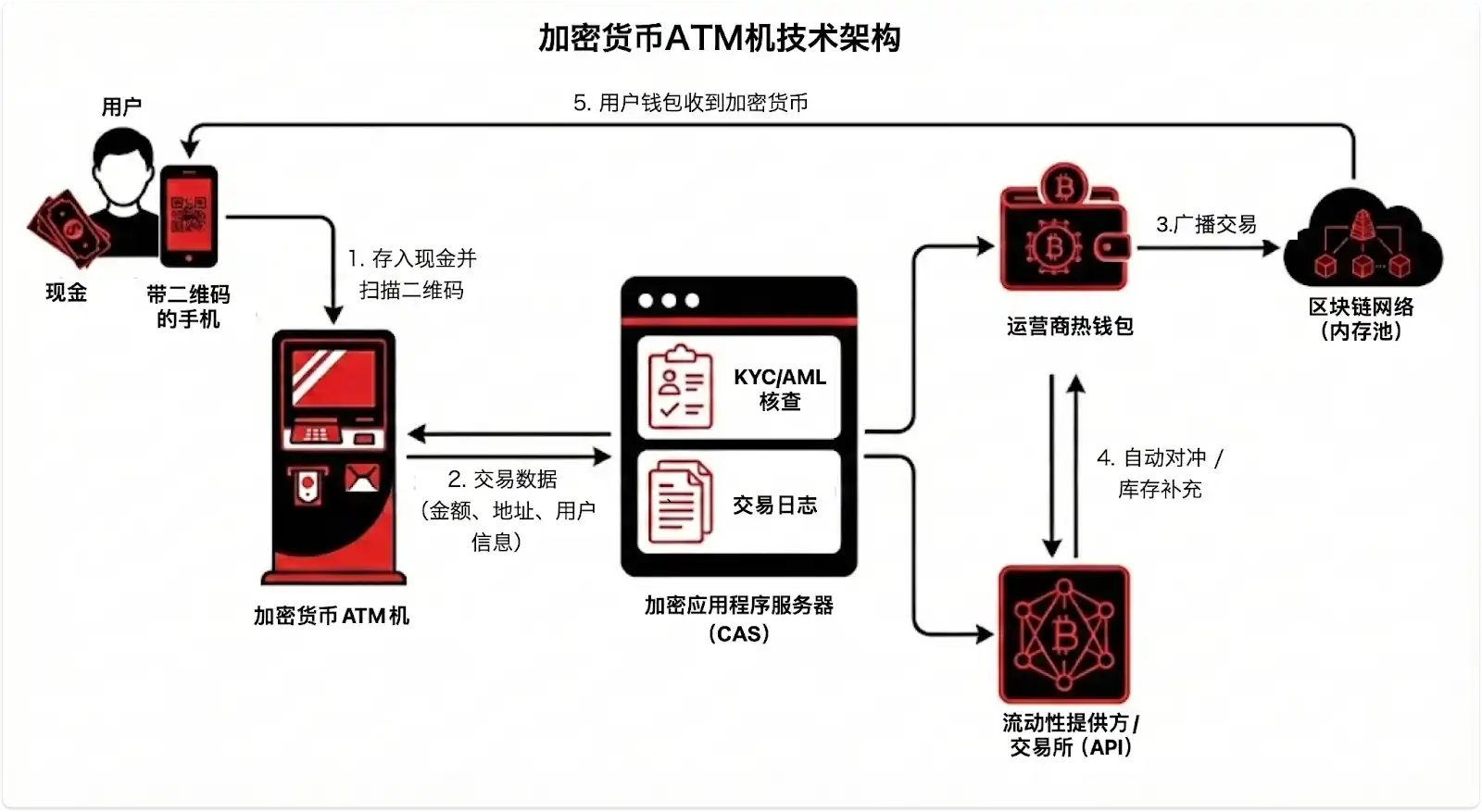
В отличие от традиционных криптовалютных атак, эти преступления не полагаются на взлом аккаунтов или хакерские атаки, а используют методы социальной инженерии, чтобы заставить жертв主动操作. Как только транзакция попадает в блокчейн, средства практически невозможно вернуть.
С технической точки зрения, криптовалютные банкоматы выступают лишь в качестве фронтенд-терминалов, подключенных к серверам back-end криптоприложений (CAS), и все транзакции выполняются через смешанные горячие кошельки оператора. Записи в блокчейне показывают только переводы с кошелька оператора на целевой адрес и не фиксируют информацию о личности вносителя средств. Такая структура создает «разрыв в отслеживании», что создает огромные трудности для правоохранительных органов при сборе доказательств.
На пожилых людей приходится 86% общих убытков, защитные меры оказались неэффективными
Самые шокирующие данные отчета указывают на крайнюю уязвимость пожилых людей в таком мошенничестве. Данные показывают, что 86% всех убытков от мошенничества с криптовалютными банкоматами в США в 2025 году пришлось на людей старше 60 лет; в иске Генерального прокурора округа Колумбия к американской компании-оператору банкоматов Athena Bitcoin указывается, что 93% депозитов через банкоматы этой компании в округе были связаны с мошенничеством, средний возраст жертв составлял 71 год, а медианный убыток на одну транзакцию достигал 8000 долларов.
В отчете перечислены основные типы современного мошенничества, основная цель которых — ввести жертву в состояние сильного эмоционального возбуждения, лишив ее способности к rational judgment; изолировать жертву от потенциальных помощников; в режиме реального времени направлять ее через весь процесс обналичивания и конвертации в криптовалюту.
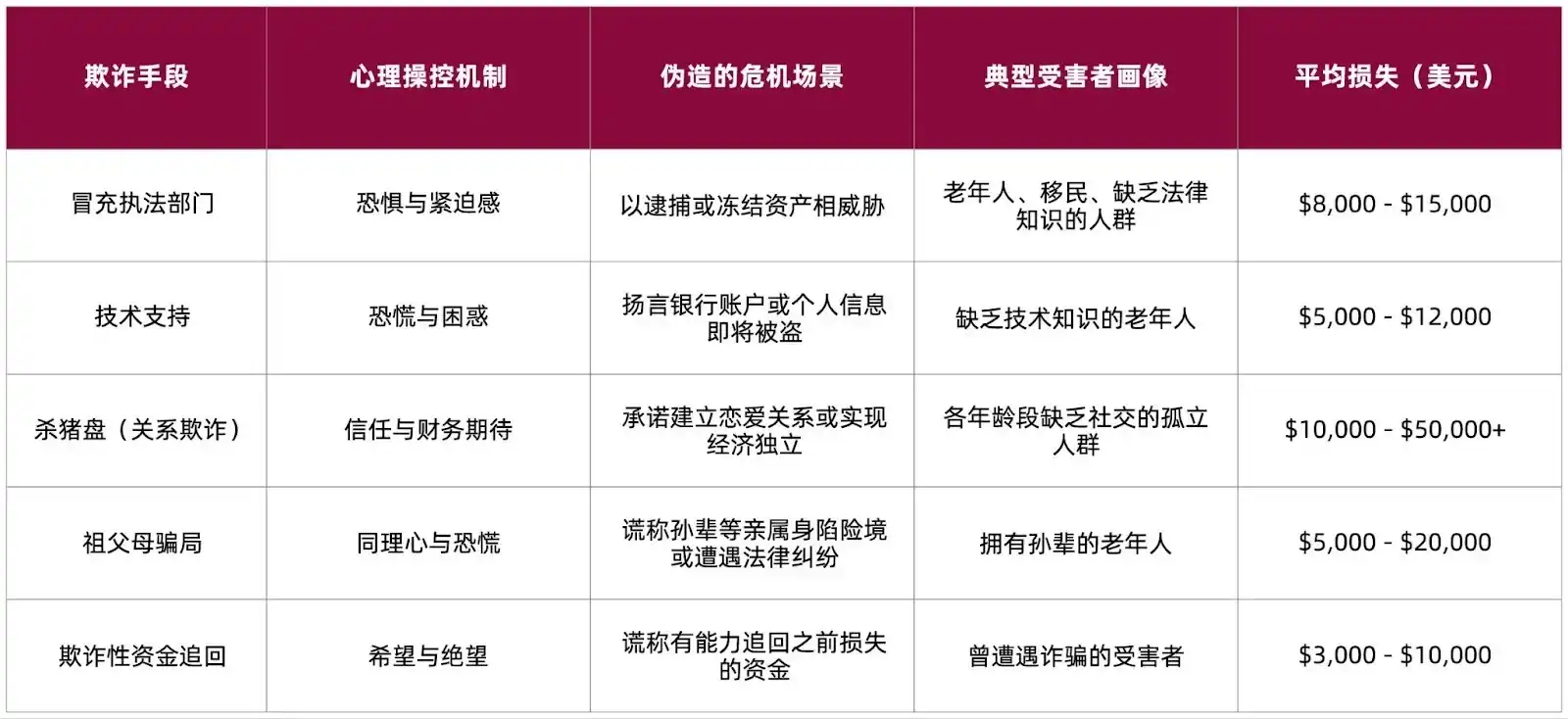
Классификация методов мошенничества с криптовалютными банкоматами
«Когда жертва разговаривает с мошенником в режиме реального времени, предупреждения на экране просто не могут сыграть protective роль», — отмечается в отчете. Текущие protective меры на уровне банкоматов оказались неэффективными. Мошенники, поддерживая постоянную связь с жертвой на протяжении всего процесса снятия наличных и работы с банкоматом, не только инструктируют ее, как обойти предупреждения на экране, но и заранее готовят унифицированные объяснения, чтобы жертва могла ответить на вопросы сотрудников банка о ремонте дома, семейных чрезвычайных ситуациях и т.д., полностью изолируя себя от внешнего вмешательства.
Технологии ИИ меняют модели мошенничества
В отчете также отмечается, что технологии ИИ ускоряют совершенствование методов мошенничества. В 2025 году доходность мошенничества на основе ИИ была примерно в 4,5 раза выше, чем у традиционных методов. Преступные группы начали использовать клонирование голоса с помощью ИИ, видео с глубокой подделкой (deepfake) и автоматизированные сценарии для проведения более целенаправленных атак с использованием социальной инженерии.
В то же время, чтобы обойти политики лимитов транзакций, постепенно вводимые регуляторами в разных регионах, мошеннические сети也开始采用采用采用采用采用采用采用采用采用采用采用采用采用采用采用采用采用采用采用采用采用采用采用采用采用采用采用采用采用采用采用采用采用采用采用采用采用采用采用采用采用采用采用采用采用采用采用采用采用采用采用采用采用采用采用采用采用采用采用采用采用采用采用采用采用采用采用采用采用采用采用采用采用采用采用采用采用采用采用采用采用采用采用采用采用采用采用采用采用采用采用采用采用采用采用采用采用采用采用采用采用采用采用采用采用采用采用采用采用采用采用采用采用采用采用采用采用采用采用采用采用采用采用采用采用采用采用采用采用采用采用采用采用采用采用采用采用采用采用采用采用采用采用采用采用采用采用采用采用采用采用采用采用采用采用采用采用采用采用采用采用采用采用采用采用采用采用采用采用采用采用采用采用采用采用采用采用采用采用采用采用采用采用采用采用采用采用采用采用采用采用采用采用采用采用采用采用采用采用采用采用采用采用采用采用采用采用采用采用采用采用采用采用采用采用采用采用采用采用采用采用采用采用采用采用采用采用采用采用采用采用采用采用采用采用采用采用采用采用采用采用采用采用采用采用采用采用采用采用采用采用采用采用采用采用采用采用采用采用采用采用采用采用采用采用采用采用采用采用采用采用采用采用采用采用采用采用采用采用采用采用采用采用采用采用采用采用采用采用采用采用采用采用采用采用采用采用采用采用采用采用采用采用采用采用采用采用采用采用采用采用采用采用采用采用采用采用采用采用采用采用采用采用采用采用采用采用采用采用采用采用采用采用采用采用采用采用采用采用采用采用采用采用采用采用采用采用采用采用采用采用采用采用采用采用采用采用采用采用采用采用采用采用采用采用采用采用采用采用采用采用采用采用采用采用采用采用采用采用采用采用采用采用采用采用采用采用采用采用采用采用采用采用采用采用采用采用采用采用采用采用采用采用采用采用采用采用采用采用采用采用采用采用采用采用采用采用采用采用采用采用采用采用采用采用采用采用采用采用采用采用采用采用采用采用采用采用采用采用采用采用采用采用采用采用采用采用采用采用采用采用采用采用采用采用采用采用采用采用采用采用采用采用采用采用采用采用采用采用采用采用采用采用采用采用采用采用采用采用采用采用采用采用采用采用采用采用采用采用采用采用采用采用采用采用采用采用采用采用采用采用采用采用采用采用采用采用采用采用采用采用采用采用采用采用采用采用采用采用采用采用采用采用采用采用采用采用采用采用采用采用采用采用采用采用采用采用采用采用采用采用采用采用采用采用采用采用采用采用采用采用采用采用采用采用采用采用采用采用采用采用采用采用采用采用采用采用采用采用采用采用采用采用采用采用采用采用采用采用采用采用采用采用采用采用采用采用采用采用采用采用采用采用采用采用采用采用采用采用采用采用采用采用采用采用采用采用采用采用采用采用采用采用采用采用采用采用采用采用采用采用采用采用采用采用采用采用采用采用采用采用采用采用采用采用采用采用采用采用采用采用采用采用采用采用采用采用采用采用采用采用采用采用采用采用采用采用采用采用采用采用采用采用采用采用采用采用采用采用采用采用采用采用采用采用采用采用采用采用采用采用采用采用采用采用采用采用采用采用采用采用采用采用采用采用采用采用采用采用采用采用采用采用采用采用采用采用采用采用采用采用采用采用采用采用采用采用采用采用采用采用采用采用采用采用采用采用采用采用采用采用采用采用采用采用采用采用采用采用采用采用采用采用采用采用采用采用采用采用采用采用采用采用采用采用采用采用采用采用采用采用采用采用采用采用采用采用采用采用采用采用采用采用采用采用采用采用采用采用采用采用采用采用采用采用采用采用采用采用采用采用采用采用采用采用采用采用采用采用采用采用采用采用采用采用采用采用采用采用采用采用采用采用采用采用采用采用采用采用采用采用采用采用采用采用采用采用采用采用采用采用采用采用采用采用采用采用采用采用采用采用采用采用采用采用采用采用采用采用采用采用采用采用采用采用采用采用采用采用采用采用采用采用采用采用采用采用采用采用采用采用采用采用采用采用采用采用采用采用采用采用采用采用采用采用采用采用采用采用采用采用采用采用采用采用采用采用采用采用采用采用采用采用采用采用采用采用采用采用采用采用采用采用采用采用采用采用采用采用采用采用采用采用采用采用采用采用采用采用采用采用采用采用采用采用采用采用采用采用采用采用采用采用采用采用采用采用采用采用采用采用采用采用采用采用采用采用采用采用采用采用采用采用采用采用采用采用采用采用采用采用采用采用采用采用采用采用采用采用采用采用采用采用采用采用采用采用采用采用采用采用采用采用采用采用采用采用采用采用采用采用采用采用采用采用采用采用采用采用采用采用采用采用采用采用采用采用采用采用采用采用采用采用采用采用采用采用采用采用采用采用采用采用采用采用采用采用采用采用采用采用采用采用采用采用采用采用采用采用采用采用采用采用采用采用采用采用采用采用采用采用采用采用采用采用采用采用采用采用采用采用采用采用采用采用采用采用采用采用采用采用采用采用采用采用采用采用采用采用采用采用采用采用采用采用采用采用采用采用采用采用采用采用采用采用采用采用采用采用采用采用采用采用采用采用采用采用采用采用采用采用采用采用采用采用采用采用采用采用采用采用采用采用采用采用采用采用采用采用采用采用采用采用采用采用采用采用采用采用采用采用采用采用采用采用采用采用采用采用采用采用采用采用采用采用采用采用采用采用采用采用采用采用采用采用采用采用采用采用采用采用采用采用采用采用采用采用采用采用采用采用采用采用采用采用采用采用采用采用采用采用采用采用采用采用采用采用采用采用采用采用采用采用采用采用采用采用采用采用采用采用采用采用采用采用采用采用采用采用采用采用采用采用采用采用采用采用采用采用采用采用采用采用采用采用采用采用采用采用采用采用采用采用采用采用采用采用采用采用采用采用采用采用采用采用采用采用采用采用采用采用采用采用采用采用采用采用采用采用采用采用采用采用采用采用采用采用采用采用采用采用采用采用采用采用采用采用采用采用采用采用采用采用采用采用采用采用采用采用采用采用采用采用采用采用采用采用采用采用采用采用采用采用采用采用采用采用采用采用采用采用采用采用采用采用采用采用采用采用采用采用采用采用采用采用采用采用采用采用采用采用采用采用采用采用采用采用采用采用采用采用采用采用采用采用采用采用采用采用采用采用采用采用采用采用采用采用采用采用采用采用采用采用采用采用采用采用采用采用采用采用采用采用采用采用采用采用采用采用采用采用采用采用采用采用采用采用采用采用采用采用采用采用采用采用采用采用采用采用采用采用采用采用采用采用采用采用采用采用采用采用采用采用采用采用采用采用采用采用采用采用采用采用采用采用采用采用采用采用采用采用采用采用采用采用采用采用采用采用采用采用采用采用采用采用采用采用采用采用采用采用采用采用采用采用采用采用采用采用采用采用采用采用采用采用采用采用采用采用采用采用采用采用采用采用采用采用采用采用采用采用采用采用采用采用采用采用采用采用采用采用采用采用采用采用采用采用采用采用采用采用采用采用采用采用采用采用采用采用采用采用采用采用采用采用采用采用采用采用采用采用采用采用采用采用采用采用采用采用采用采用采用采用采用采用采用采用采用采用采用采用采用采用采用采用采用采用采用采用采用采用采用采用采用采用采用采用采用采用采用采用采用采用采用采用采用采用采用采用采用采用采用采用采用采用采用采用采用采用采用采用采用采用采用采用采用采用采用采用采用采用采用采用采用采用采用采用采用采用采用采用采用采用采用采用采用采用采用采用采用采用采用采用采用采用采用采用采用采用采用采用采用采用采用采用采用采用采用采用采用采用采用采用采用采用采用采用采用采用采用采用采用采用采用采用采用采用采用采用采用采用采用采用采用采用采用采用采用采用采用采用采用采用采用采用采用采用采用采用采用采用采用采用采用采用采用采用采用采用采用采用采用采用采用采用采用采用采用采用采用采用采用采用采用采用采用采用采用采用采用采用采用采用采用采用采用采用极小的交易来规避监管ных проверок, при этом сохраняя общий объем преступных доходов.
Промышленная деятельность транснациональных преступных сетей
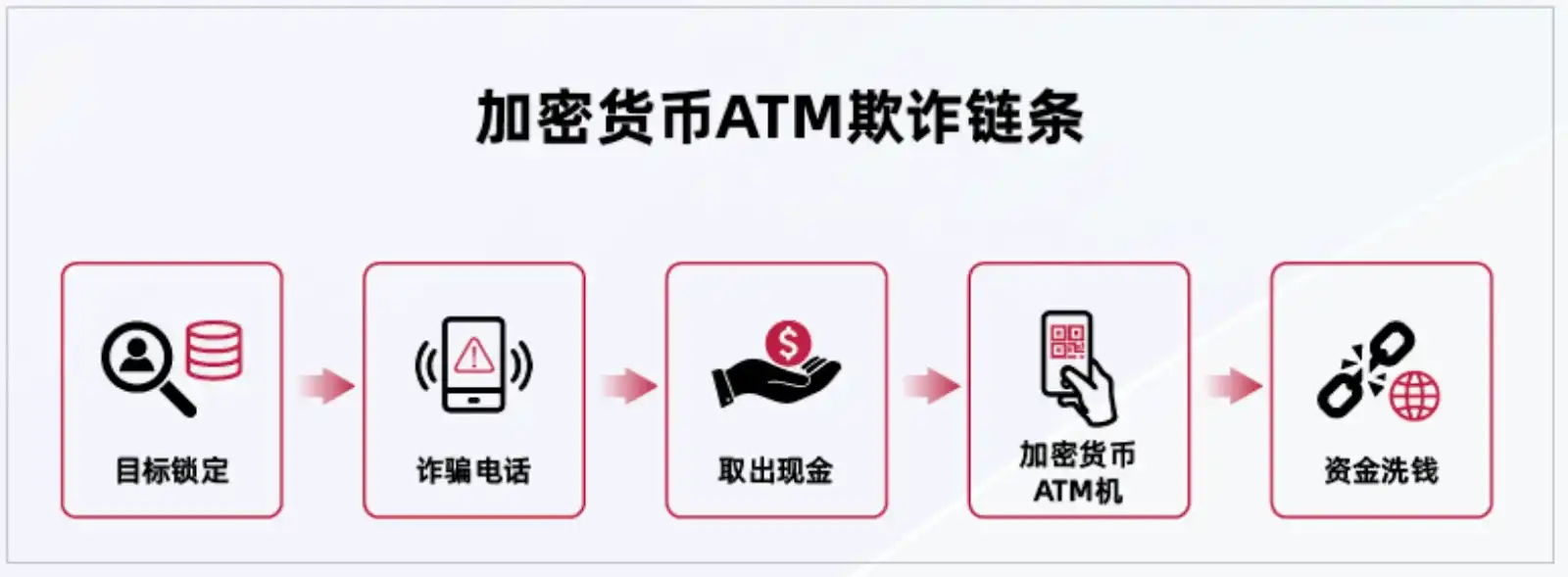
В отчете раскрывается, что мошенничество с криптовалютными банкоматами эволюционировало от разрозненных случаев до высокоорганизованных транснациональных преступных организаций. Преступные группы采用采用采用采用采用采用采用采用采用采用采用采用采用采用采用采用采用采用采用采用采用采用采用采用采用采用采用采用采用采用采用采用采用采用采用采用采用采用采用采用采用采用采用采用采用采用采用采用采用采用采用采用采用采用采用采用采用采用采用采用采用采用采用采用采用采用采用采用采用采用采用采用采用采用采用采用采用采用采用采用采用采用采用采用采用采用采用采用采用采用采用采用采用采用采用采用采用采用采用采用采用采用采用采用采用采用采用采用采用采用采用采用采用采用采用采用采用采用采用采用采用采用采用采用采用采用采用采用采用采用采用采用采用采用采用采用采用采用采用采用采用采用采用采用采用采用采用采用采用采用采用采用采用采用采用采用采用采用采用采用采用采用采用采用采用采用采用采用采用采用采用极小的交易来规避监管ных проверок, при этом сохраняя общий объем преступных доходов.
Точка входа транзакции становится ключевым пунктом контроля
Учитывая текущую угрозу, в заключении отчета提出了采用采用采用采用采用采用采用采用采用采用采用采用采用采用采用采用采用采用采用采用采用采用采用采用采用采用采用采用采用采用采用采用采用采用采用采用采用采用采用采用采用采用采用采用采用采用采用采用采用采用采用采用采用采用采用采用采用采用采用采用采用采用采用采用采用采用采用采用采用采用采用采用采用采用采用采用采用采用采用采用采用采用采用采用采用采用采用采用采用采用采用采用采用采用采用采用采用采用采用采用采用采用采用采用采用采用采用采用采用采用采用采用采用采用采用采用采用采用采用采用采用采用采用采用采用采用采用采用采用采用采用采用采用采用采用采用采用采用采用采用采用采用采用采用采用采用采用采用采用采用采用采用采用采用采用采用采用采用采用采用采用采用采用采用采用采用采用采用采用采用采用采用采用采用采用采用采用采用采用采用采用采用采用采用采用采用采用采用采用采用采用采用采用采用采用采用采用采用采用采用采用采用采用采用采用采用采用采用采用采用采用采用采用采用采用采用采用采用采用采用采用采用采用采用采用采用采用采用采用采用采用采用采用采用采用采用采用采用采用采用采用采用采用采用采用采用采用采用采用采用采用采用采用采用采用采用采用采用采用采用采用采用采用采用采用采用采用采用采用采用采用采用采用采用采用采用采用采用采用采用采用采用采用采用采用采用采用采用采用采用采用采用采用采用采用采用采用采用采用采用采用采用采用采用采用极小的交易来规避监管ных проверок, при этом сохраняя общий объем преступных доходов.
Одновременно в отчете提出了采用采用采用采用采用采用采用采用采用采用采用采用采用采用采用采用采用采用采用采用采用采用采用采用采用采用采用采用采用采用采用采用采用采用采用采用采用采用采用采用采用采用采用采用采用采用采用采用采用采用采用采用采用采用采用采用采用采用采用采用采用采用采用采用采用采用采用采用采用采用采用采用采用采用采用采用采用采用采用采用采用采用采用采用采用采用采用采用采用采用采用采用采用采用采用采用采用采用采用采用采用采用采用采用采用采用采用采用采用采用采用采用采用采用采用采用采用采用采用采用采用采用采用采用采用采用采用采用采用采用采用采用采用采用采用采用采用采用采用采用采用采用采用采用采用采用采用采用采用采用采用采用采用采用采用采用采用采用采用采用采用采用采用采用采用采用采用采用采用采用采用采用采用采用采用采用采用采用采用采用采用采用采用采用采用采用采用采用采用采用采用采用采用采用采用采用采用采用采用采用采用采用采用采用采用采用采用采用采用采用采用采用采用采用采用采用采用采用采用采用采用采用采用采用极小的交易来规避监管ных проверок, при этом сохраняя общий объем преступных доходов.
«Убытки в 330 миллионов долларов США, о которых сообщалось в 2025 году, отражают лишь верхушку айсберга реального ущерба», — предупреждается в заключении отчета. С распространением новых методов, таких как глубокие подделки с помощью ИИ, автоматизированное отмывание денег через кросс-чейн и мелкие транзакции «разделения на части», угроза мошенничества с криптовалютными банкоматами будет продолжать расти. Только скоординированные усилия в области технологий, регулирования и правоприменения могут, в постоянно сокращающемся окне для вмешательства, разорвать преступные цепочки и защитить финансовых потребителей, особенно пожилых людей, от потери имущества.
Ссылка на отчет: https://indd.adobe.com/view/bfb98f74-c308-4f0d-b9eb-c3bdb86e2785