Автор: Хлоя, ChainCatcher
Недавно президент Solana Foundation Лили Лю в своем посте на X заявила, что «игры на блокчейне не вернутся», и объявила о смерти блокчейн-игр.
Ее вывод основан на публикации Polymarket: «Meta Марка Цукерберга, потратив 800 миллиардов долларов, постепенно отказывается от видения метавселенной». Хотя стратегия Meta явно не затрагивает блокчейн или криптоактивы, она сильно пересекается с будущим, которое Web3-игры рисовали последние несколько лет: виртуальные миры, право собственности на цифровые активы, иммерсивная онлайн-экономика.
Даже самый богатый игрок уходит. Были ли блокчейн-игры, некогда главная нарративная карта криптоиндустрии с наибольшим потенциалом «прорыва», сегодня уже на грани краха?
Крах всей отрасли: проекты блокчейн-игр закрываются один за другим?
В августе прошлого года Proof of Play опубликовала объявление, похожее на покаяние перед рынком: их полностью ончейновая пиратская RPG «Pirate Nation» закроется через 30 дней. Два специализированных блокчейна будут отключены, награды в токенах обнулятся, а сообществу игроков останется только сжечь свои активы в обмен на так называемый «сертификат», который, возможно, когда-нибудь пригодится, но, скорее всего, нет. При этом студия два года назад привлекла 33 миллиона долларов, клятвенно обещая построить будущее ончейновых игр.
После объявления токен PIRATE рухнул на 92% за несколько дней. Соучредитель Адам Ферн признался: «Закрытие Pirate Nation было одним из самых трудных решений, в которых я участвовал. Но факт в том, что оно никогда не могло стать прорывным продуктом для массового рынка».
Pirate Nation не является исключением, это лишь небольшая часть большого краха блокчейн-игр в 2025 году.
Вот список блокчейн-игр, объявивших о закрытии в прошлом году. Эфириум-игра «Ember Sword», привлекшая 203 миллиона долларов через продажу NFT-земель, объявила о закрытии в мае прошлого года, разработчик Bright Star Studios прямо заявил о нехватке средств.
Шутер от третьего лица и королевская битва на Solana «Nyan Heroes», которая была в списках желаний более 250 000 игроков на ПК, также прекратила работу в мае прошлого года из-за разрыва финансирования, ее токен NYAN упал более чем на 99% с пика. Эфириум-игра «Symbiogenesis» от создателя «Final Fantasy» Square Enix также достигла конца в июле.
MMORPG от Gala Games с официальной лицензией «The Walking Dead» также закрылась в июле. Основанная на NFT игра о механизированных боях «MetalCore» бесследно исчезла после отключения серверов в марте, а разработчик тихо переключился на выпуск новой игры в Steam, не имеющей отношения к блокчейну.
Недавно наибольшие сожаления на рынке вызвал «Wildcard», чья рыночная капитализация после TGE в марте этого года достигла максимума лишь в 1,1 миллиона долларов, сообщество普遍 обвиняло проект в безответственности и мягком rug. Согласно данным платформы RootData, Wildcard привлек 46 миллионов долларов финансирования под руководством Paradigm.
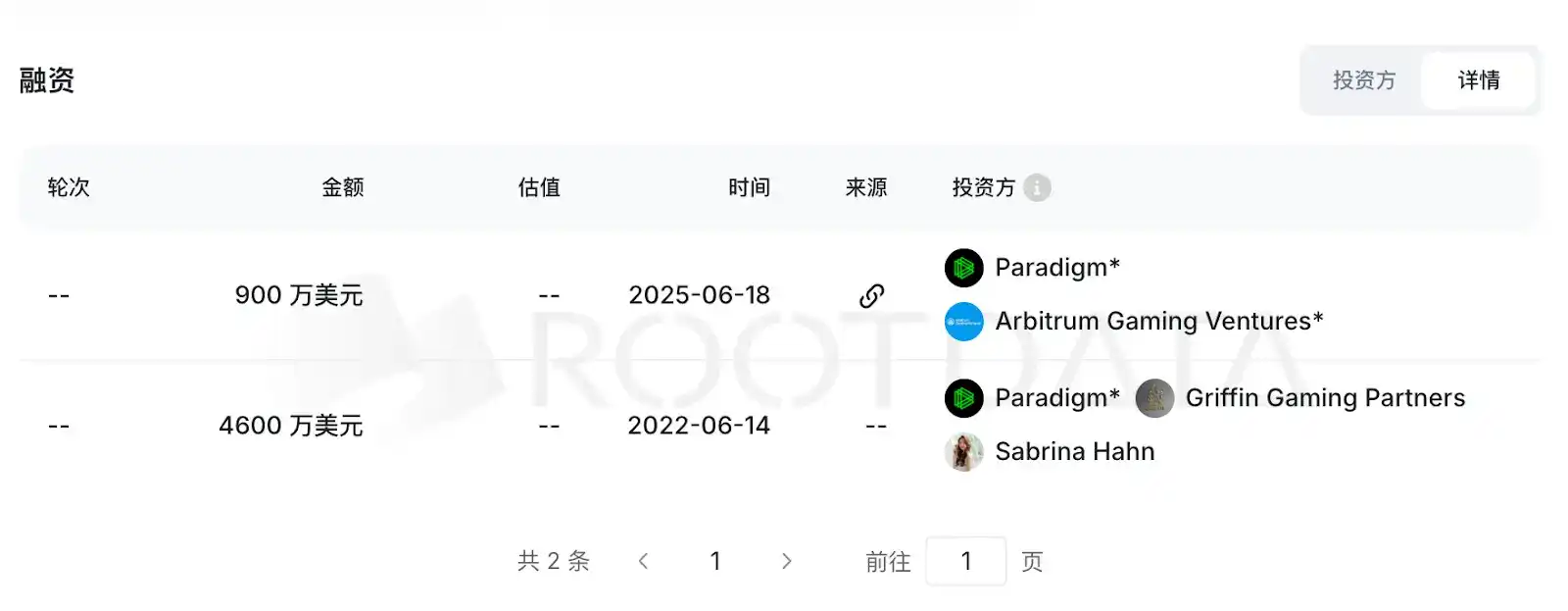
Ее основатель Пол Беттнер ранее участвовал в разработке известных игр, таких как «Words With Friends» и «Lucky's Tale». Но теперь даже поддержка топовых VC и управление опытными геймдевелоперами не могут остановить обвал всей отрасли блокчейн-игр.
Кроме того, есть «Deadrop», «Blast Royale», «Mojo Melee», «Tokyo Beast», «OpenSeason», «Captain Tsubasa Rivals» — за каждым проектом стоят инвестиции в миллионы или даже десятки миллионов долларов, накопления无数 игроков и в конечном итоге несбывшиеся обещания.
Игроки Web2 хотят хорошую игру, а игроки Web3 хотят только доход
У большинства основателей есть реальный опыт разработки игр, и их видение ончейновых игр при сборе средств не было полностью пустыми разговорами. Почему же в итоге они пришли к закрытию проекта или возвращению в Web2?
«Web3-игры до проверки спроса игроков уже построили целую капитальную структуру, управляемую инвесторами, через токены и NFT». Другими словами, люди, предоставляющие финансирование этим играм, и люди, которые в конечном итоге должны остаться в игре, с самого начала не были одной и той же группой.
Когда в процессе разработки обнаруживается, что сообщество ончейн-игроков меньше, чем ожидалось, и более склонно к краткосрочному арбитражу, токены продолжают падать, а затраты на разработку постоянно растут, у студии остается выбор только закрыться или отказаться от блокчейн-идентичности и перейти на традиционный рынок. И независимо от выбранного пути,早期的 Web3-инвесторы и держатели NFT в конечном итоге остаются платить по счетам.
Фермерский симулятор «Moonfrost» является типичным примером. Разработчик Oxalis Games привлек 6,5 миллиона долларов, провел более года активности Play-to-Airdrop, продав 1833 NFT-бокса по 150 долларов каждый. Затем в ноябре 2025 года команда объявила об уходе из Web3 и повторном запуске в Steam как платной ПК-игры без NFT, токенов или блокчейна.
И всего за день до объявления генеральный директор Рик Мур еще публично говорил о том, как создать «медленную и meaningful Web3-игру». Команда объяснила это так: «Web3-игроки хотят зарабатывать деньги, Web2-игроки хотят только хорошую игру». Им потребовалось три года и миллионы реальных денег, чтобы看清 настоящие правила.
Отраслевой отчет Blockchain Game Alliance (BGA) за 2025 год также подтвердил отток блокчейн-игр: годовые инвестиции в блокчейн-игры упали до примерно 293 миллионов долларов по сравнению с 4 миллиардами в 2021 году и пиком в 10 миллиардов в 2022 году, что является惊人的 падением. DWF Labs охарактеризовала текущий этап как «необходимую перезагрузку». А самым большим последствием провала этого направления, возможно, является кризис доверия ко всей отрасли блокчейн-игр.
Отчет BGA показывает, что 36% респондентов назвали «мошенничество, fraud или rug pull» самой большой угрозой для отрасли. Хотя закрытие большинства проектов не было преднамеренным мошенничеством, с внешней точки зрения повторяющийся цикл «сбор средств, выпуск токена, банкротство» почти неотличим от rug pull. «Этой отрасли нужны настоящие разработчики игр и настоящие пользователи, которые хотят играть в игры. Нельзя обойтись без того или другого».
Инфраструктура и рыночные условия как преимущество, стейблкоины и ИИ открывают новые возможности
Крах нарратива блокчейн-игр не означает, что потребительские приложения криптоиндустрии подошли к концу. Отчет BGA показывает, что 65,8%从业者 отрасли仍保持乐观 в отношении следующих 12 месяцев, этот оптимизм основан на deliverable продуктах и устойчивых моделях доходов. Кроме того, стейблкоины обрабатывают大规模的 объемы переводов, инструменты ИИ сокращают стоимость разработки игр до几分之一 от прошлого и т.д. — инфраструктура и рыночные условия никогда не исчезали, и, более того, с точки зрения многих разработчиков, можно увидеть несколько возможных путей.
Генеральный директор NEXPACE Sunyoung Hwang, говоря о своем «MapleStory Universe», предложила核心原则: кошелек, комиссия за газ, токеномика для большинства игроков являются препятствием, а не преимуществом. Блокчейн-уровень должен выполнять meaningful работу behind the scenes, например, обеспечивать реальное право собственности на активы,驱动开放经济 и т.д., а игроки должны сосредоточиться только на самой игре. «Если работа инфраструктуры проникает в игровой опыт, дизайн игры провален».
Генеральный директор Animoca Brands Robby Yung и генеральный директор PLAY Network Christina Macedo считают, что показатель удержания — единственная истина. Данные удержания D1, D7, D30 были такими в эпоху консолей, такими в эпоху мобильных игр и остаются такими в криптоиндустрии. Macedo指出, стандартный benchmark для мобильных игр — это удержание D1 35-45%, D7 15-25%, D30 5-10%, а большинство Web3-игр даже не достигают этих базовых показателей здоровья.
Соучредитель Yield Guild Games Gabby Dizon считает, что отрасль потерпела неудачу, потому что «слишком долго измеряла не те вещи», включая устаревшие показатели, такие как объем финансирования VC, цена токена, объем продаж NFT. Единственный настоящий показатель — это готовность игроков платить, потому что они видят ценность в игровом опыте.
Наконец, возможности, предоставляемые стейблкоинами и ИИ.
Отчет BGA指出, что более четверти респондентов считают стейблкоины ключом к успеху отрасли. По сравнению с сильно волатильными игровыми токенами, стейблкоины более дружелюбны и понятны для новых пользователей, они все чаще используются для призов в турнирах, внутриигровых наград и кросс-бордерных платежей. Sequence further指出, что умные разработчики игр обращают внимание на платежи стейблкоинами, будь то для ончейн-активов или других сценариев, более низкие комиссии, мгновенные расчеты, более простое разделение прибыли имеют огромные преимущества.
А ИИ меняет структуру затрат. Simon Davis из Mighty Bear Games指出, что native-ИИ команды превосходят output традиционных студий при几分之一 стоимости и人力. Animoca Brands также считает, что ключ к устойчивости в 2026 году заключается в разработке на основе ИИ или с辅助 ИИ, что коренным образом изменит экономическую модель производства качественного игрового контента.
Блокчейн-игры еще не умерли, текущий этап — необходимая перезагрузка?
Ключевое противоречие прошлого цикла блокчейн-игр始终 не менялось: управляемая инвесторами капитальная структура опережала проверку спроса игроков. Когда удержание не выдерживает токеномику, когда затраты на разработку поглощают цифры финансирования, у проекта остается только закрыться или уйти из блокчейна, а платить по счетам всегда приходится ранним держателям.
Но эта перетасовка также привела к более прагматичному консенсусу среди разработчиков игр: сделать блокчейн невидимым, измерять успех показателем удержания, а не ценой токена, использовать стейблкоины вместо высоковолатильных токенов в качестве платежного слоя, использовать ИИ для изменения стоимости разработки. Общее у этих направлений то, что сначала нужно сделать игру, которая выдержит проверку традиционными рыночными指标, а затем позволить блокчейну发挥 его настоящую ценность на底层.
Блокчейн-игры, возможно, не умерли, как сказала Лили Лю, но рынок действительно прощается со старым циклом, в котором токены驱动 количество пользователей, пока开发资金 не иссякнет, и в конечном итоге можно только вернуться в Web2.