Источник: Bankless
Оригинальное название: 5 Highlights from the U.S. Senate's Much-Hyped Crypto Market Structure Draft Bill
Автор: Jack Inabinet
Компиляция и редактирование: BitpushNews

Крипторынок, возможно, наконец получит то, о чем так долго мечтал, — письменный закон о рыночной структуре. И все благодаря Закону о прозрачности рынка цифровых активов (Digital Asset Market Clarity Act, DAMCA), представленному прошлой ночью. Этот законопроект получил двухпартийную поддержку благодаря некоторым очень заметным компромиссам в отношении будущего развития криптовалют в США.
Этот 278-страничный текст является результатом месяцев напряженных переговоров между республиканцами и демократами в Сенате, а также лоббистами отрасли.
Он создает нормативную базу, которая разделяет полномочия по регулированию цифровых активов между Комиссией по ценным бумагам и биржам США (SEC) и Комиссией по торговле товарными фьючерсами (CFTC).
В криптосообществе, несомненно, будут неоднозначные мнения о его положениях. Джастин Слотер, руководитель отдела политики Paradigm, назвал законопроект «крупной победой демократов в банковском комитете Сената» и заявил, что это то, что должно было быть принято еще при администрации Байдена.
Сегодня мы подробно рассмотрим пять ключевых положений DAMCA, чтобы лучше понять будущую эволюцию прозрачности структуры крипторынка.
1. Запрет на выплату дивидендов по стейблкоинам
Согласно Закону о прозрачности рынка цифровых активов, эмитентам стейблкоинов будет запрещено распределять доходы среди пассивных держателей.
Глава 4 DAMCA устанавливает правила взаимодействия регулируемых банковских учреждений с цифровыми активами. Эта глава запретит эмитентам стейблкоинов (как определено в «Законе GENIUS») выплачивать проценты держателям.
Хотя DAMCA позволяет эмитентам стейблкоинов распределять «вознаграждения», привязанные к определенным действиям (например, стимулы за открытие счета или кэшбэк за покупки), факт в том, что защита доходов от стейблкоинов ранее была твердой красной линией для криптоиндустрии. Строгие ограничения на стейблкоины могут поставить крипто-нативных эмитентов в долгосрочное невыгодное положение по сравнению с банковским сектором.
Тем не менее, многие ключевые крипто-гиганты, включая Coinbase, продолжают поддерживать формулировку законопроекта о запрете доходов от стейблкоинов. Они считают, что это наихудший пункт, который можно терпеть, не подрывая импульс продвижения законопроекта.
2. Ясность в отношении статуса товара
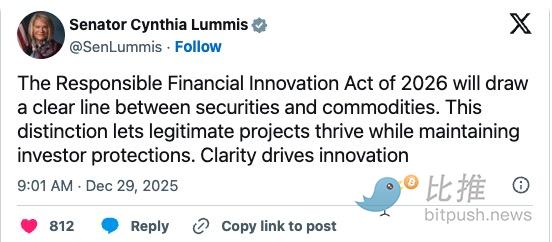
Закон об ответственных финансовых инновациях Ламмис-Гиллибранд 2026 года (Глава 1 DAMCA) внесет поправки в Закон о ценных бумагах 1933 года, чтобы прояснить, когда токены криптосетей переходят из разряда «ценных бумаг» в «товары».
Согласно этой главе, SEC в течение 360 дней с момента promulgation закона выпустит официальные руководящие принципы, определяющие, когда лицо, осуществляющее первоначальное предложение, продажу или распространение токена, а также получатели наибольшей доли токена считаются «совместными и солидарными» эмитентами этого токена.
Глава 1 устанавливает широкий контроль над любым, кто продает, контролирует или способствует первоначальному распространению, что вызывает опасения, поскольку ответственность может наступить даже для тех, кто не получил наибольшую долю токенов. Кроме того, она расширяет юрисдикцию SEC на токены, выпущенные иностранными правительствами, токены без корпоративной структуры и токены, большинство которых принадлежит американцам.
В этой главе предусмотрены некоторые исключения: сетевые токены могут считаться не-ценными бумагами (то есть товарами), если они не имеют прикрепленных финансовых прав (таких как доля прибыли или подразумеваемые права собственности).
Чтобы получить статус не-ценной бумаги, ответственность ляжет на сами проекты сетевых токенов; эмитенты активов должны будут представить в SEC письменное подтверждение того, что их токен не является ценной бумагой. У SEC будет 60 дней, чтобы отклонить это подтверждение.
Если эмитент не представит или не сможет представить в SEC подтверждение своего статуса не-ценной бумаги, закон обязывает его публиковать отчеты о раскрытии информации каждые полгода, и только это обязательство занимает 12 страниц в DAMCA. Проекты с валовым доходом более 25 миллионов долларов также должны публиковать финансовую отчетность, прошедшую аудит независимых государственных бухгалтеров.
К счастью, Глава 1 DAMCA не будет иметь обратной силы. Это означает, что лица, предлагавшие, продававшие или распространявшие соответствующие токены до принятия закона, не должны опасаться ретроактивного преследования по закону.
3. Регулирование DeFi
Глава 3 DAMCA исследует «децентрализованную» часть децентрализованных финансов, outlining, при каких условиях криптопроекты считаются — и не считаются — truly «децентрализованными».
Согласно этой главе, децентрализованный протокол должен позволять пользователям совершать финансовые операции в соответствии с «предопределенными, недискреционными автоматическими правилами или алгоритмами», и, за исключением самого пользователя, не полагаться на кого-либо еще для сохранения контроля над своими цифровыми активами.
Ярлык «недецентрализованного протокола финансовых транзакций» будет применяться к любому протоколу, который:
-
Лицо или группа лиц имеют возможность контролировать или изменять функциональность приложения;
-
Приложение работает не только на основе кода;
-
Лицо или группа лиц могут ограничивать, подвергать цензуре или запрещать деятельность пользователей.
Недецентрализованные протоколы должны соблюдать Закон о фондовых биржах 1934 года и Закон о банковской тайне, а также выполнять новые требования к регистрации, стандартам поведения, раскрытию информации, ведению учета и регулированию.
Хотя эта глава может унифицировать применение законов о ценных бумагах к различным технологиям и защищать общественные интересы, она также может затронуть те протоколы с минимальным операционным контролем, которые не являются полностью неизменяемыми смарт-контрактами (включая протоколы, основанные на мультисигнатурах или дизайне доверенной криптосреды).
К счастью, Глава 3 действительно содержит довольно большое исключение: она позволяет «комитету безопасности» протокола принимать «предопределенные, временные, основанные на правилах меры реагирования на кибербезопасность в чрезвычайных ситуациях», таких как хакерские атаки, не ставя под угрозу свой децентрализованный статус.
Вызывает беспокойство то, что Глава 3 предъявляет требования к «хостинговым» криптокошелькам, которые позволяют пользователям взаимодействовать с технологией блокчейна, обязывая таких посредников соблюдать санкции и правила по борьбе с отмыванием денег. Сбивает с толку то, что это регулирование не применяется к «любому программному или аппаратному кошельку, который позволяет человеку самостоятельно хранить свои цифровые активы».
4. Регулятивная песочница для «микро-инноваций»
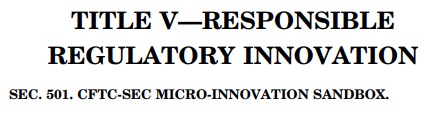
DAMCA требует, чтобы CFTC и SEC в течение 360 дней с момента promulgation закона создали «Песочницу микро-инноваций (Micro-Innovation Sandbox)». Эта песочница предназначена для «позволения до 10 соответствующих критериям компаний тестировать инновационную деятельность на территории США», но при этом оставаться под юрисдикцией федеральных и государственных законов о ценных бумагах и товарах.
Для участия в песочнице соответствующие группы должны намереваться осуществлять законную инновационную деятельность на территории США, иметь не более 25 сотрудников и валовой доход не более 10 миллионов долларов в любой данный финансовый год.
Все заявки на вход в песочницу должны быть одобрены совместно CFTC и SEC. Участники программы получат регуляторные исключения, но комиссии обладают дискреционным правом отзывать исключения в любое время.
Участники песочницы должны соответствовать требованиям к раскрытию информации обоих комиссий, когда это касается их юрисдикции. Любые регуляторные исключения, предоставленные через эту программу, будут иметь приоритет над любыми государственными требованиями к регистрации ценных бумаг или товаров.
В программу ежегодно допускается только 20 проектов, а общая сумма средств клиентов, инвесторов или контрагентов, контролируемых入选ной компанией, не может превышать 20 миллионов долларов.
5. Жесткое регулирование банкоматов для цифровых активов
Пожалуй, самым неожиданным является то, что Закон о прозрачности рынка цифровых активов уделяет значительное внимание регулированию автоматов для цифровых активов — того, что мы обычно называем банкоматами Bitcoin.
Согласно разделу 205 DAMCA, автоматы для цифровых активов будут обозначены как «бизнес по переводу денежных средств», что создаст значительное регуляторное бремя для операторов таких машин «обмена наличных на криптовалюту».
Операторы должны каждые 90 дней представлять министру финансов подробный список своих автоматов, включающий юридическое название оператора, торговое название, физический адрес каждой машины и виды цифровых активов, поддерживаемых для транзакций.
Перед совершением сделки с клиентом оператор должен в легко читаемом виде раскрыть условия сделки, а также ряд обязательных государственных предупреждений о рисках для потребителей.
Кроме того, автоматы для цифровых активов должны предоставлять клиентам квитанции с подробной информацией о транзакции и внедрять средства контроля за мошенничеством, чтобы предотвратить перевод цифровых активов на кошельки, известные своей связью с мошеннической деятельностью.
Министр финансов также получит право по своему усмотрению устанавливать дневные лимиты на депозиты и снятие средств для автоматов цифровых активов. До этого операторы автоматов не могут проводить операции с «новыми клиентами» на сумму более 3500 долларов в течение 24 часов.
Twitter:https://twitter.com/BitpushNewsCN
Группа общения比推 TG:https://t.me/BitPushCommunity
Подписка比推 TG: https://t.me/bitpush