Автор: Клод, Deep Tide TechFlow
Deep Tide TechFlow: В понедельник Amazon объявил о дополнительных инвестициях в Anthropic на сумму до 25 миллиардов долларов (из которых 5 миллиардов были предоставлены немедленно), а также зафиксировал обязательство Anthropic по расходам на AWS в размере более 100 миллиардов долларов в течение следующего десятилетия.
Это уже второй чек на уровне сотен миллиардов, который Amazon выписал ведущей лаборатории ИИ за два месяца — ранее компания уже инвестировала 50 миллиардов долларов в OpenAI.
Годовой доход Anthropic превысил 30 миллиардов долларов, но ограничения вычислительных мощностей сказываются на пользовательском опыте; ключевая цель этой сделки — решить проблему производственных мощностей.
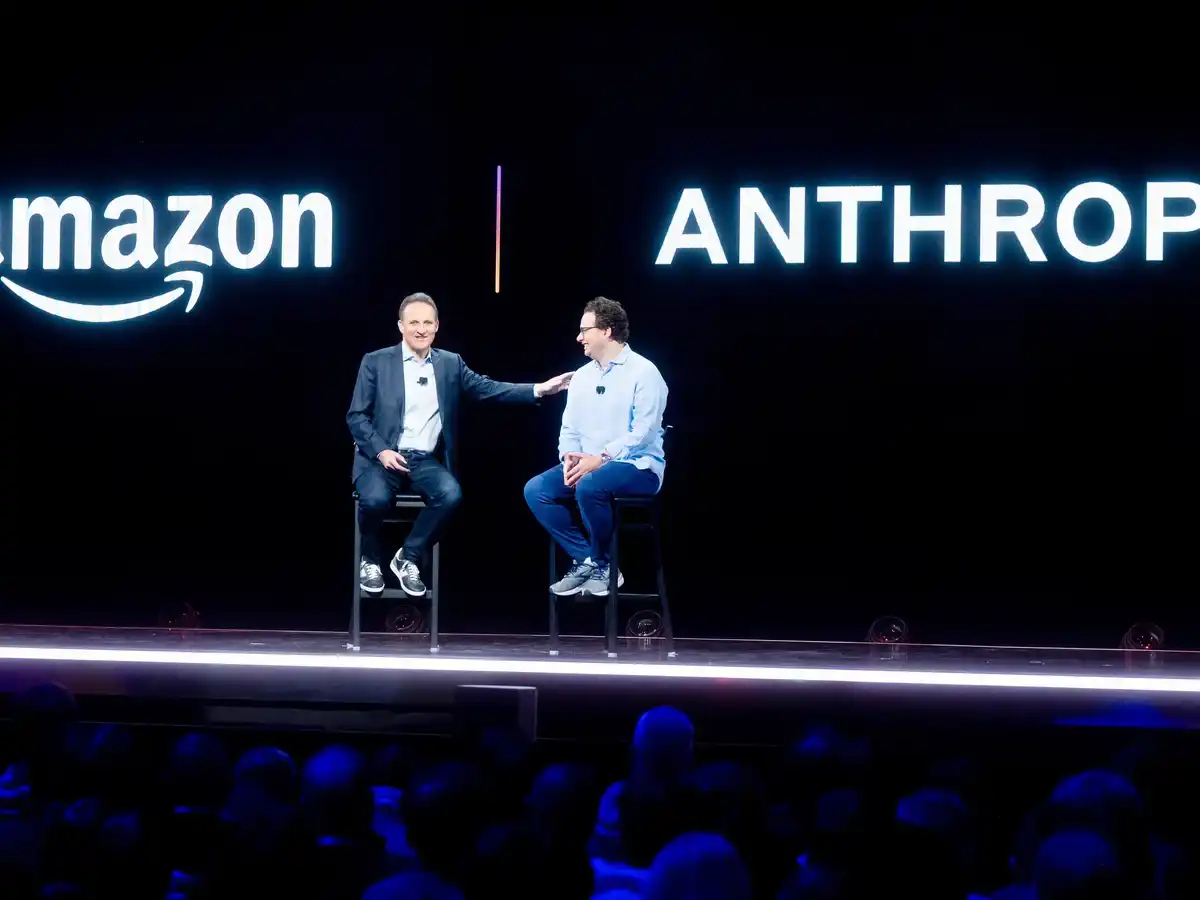
Amazon делает ставки одновременно на две ведущие лаборатории ИИ, и ставки становятся все выше.
Согласно сообщениям CNBC, Bloomberg и других СМИ от 20 апреля, Amazon объявил о дополнительных инвестициях в Anthropic на сумму до 25 миллиардов долларов, из которых 5 миллиардов были предоставлены немедленно, а оставшиеся 20 миллиардов привязаны к достижению определенных коммерческих показателей. Инвестиции были проведены по оценке Anthropic в 380 миллиардов долларов, полученной в ходе раунда финансирования серии G в феврале этого года. С учетом предыдущих累计ных инвестиций в 8 миллиардов долларов, общий объем обязательств Amazon по инвестициям в Anthropic достиг上限 в 33 миллиарда долларов.
Два месяца назад Amazon только что инвестировал 50 миллиардов долларов в основного конкурента Anthropic, OpenAI, и заключил соглашение о cloud-услугах аналогичного масштаба. Генеральный директор Amazon Энди Джесси в заявлении отметил, что обязательство Anthropic запускать большие языковые модели на AWS Trainium в течение десяти лет «отражает прогресс, достигнутый нами в области разработки специализированных чипов».
После объявления этой новости цена акций Amazon в послечасовых торгах выросла примерно на 2,5%.
Облачное обязательство в 100 миллиардов долларов в обмен на 5 ГВт вычислительной мощности в ответ на обвинения OpenAI в «недостатке мощностей»
Суть этой сделки — не только долевые инвестиции, но и глубоко интегрированное инфраструктурное соглашение.
Anthropic обязалась в течение следующего десятилетия инвестировать более 100 миллиардов долларов в технологии AWS, включая специализированные ИИ-чипы Amazon Trainium (от Trainium2 до Trainium4 и будущих поколений) и десятки миллионов ядер процессоров Graviton. В обмен Anthropic получит до 5 ГВт вычислительной мощности для обучения и развертывания моделей Claude. Согласно данным из блога Anthropic, компания уже использует более 1 миллиона чипов Trainium2 для обучения и обслуживания Claude и планирует ввести в эксплуатацию почти 1 ГВт мощностей на Trainium2 и Trainium3 к концу 2026 года.
Это расширение вычислительных мощностей является прямым ответом на недавние публичные нападки со стороны OpenAI. Главный коммерческий директор OpenAI Дениз Дрессер на прошлой неделе во внутреннем меморандуме заявила, что Anthropic допустила «стратегическую ошибку, не сумев обеспечить достаточные вычислительные мощности», и предсказала, что к 2030 году OpenAI будет располагать 30 ГВт мощностей, в то время как у Anthropic к концу 2027 года будет лишь 7-8 ГВт. В своем объявлении в тот же день Anthropic признала, что спрос на Claude со стороны предприятий и разработчиков растет ускоряющимися темпами, а объемы использования со стороны потребителей также показали «резкий рост», что создало «неизбежную нагрузку» на инфраструктуру и повлияло на надежность и производительность в пиковые периоды.
Генеральный директор Anthropic Дарио Амодеи в заявлении сказал: «Пользователи говорят нам, что Claude становится все более важным для их работы, и нам необходимо строить инфраструктуру, чтобы успевать за стремительно растущим спросом.»
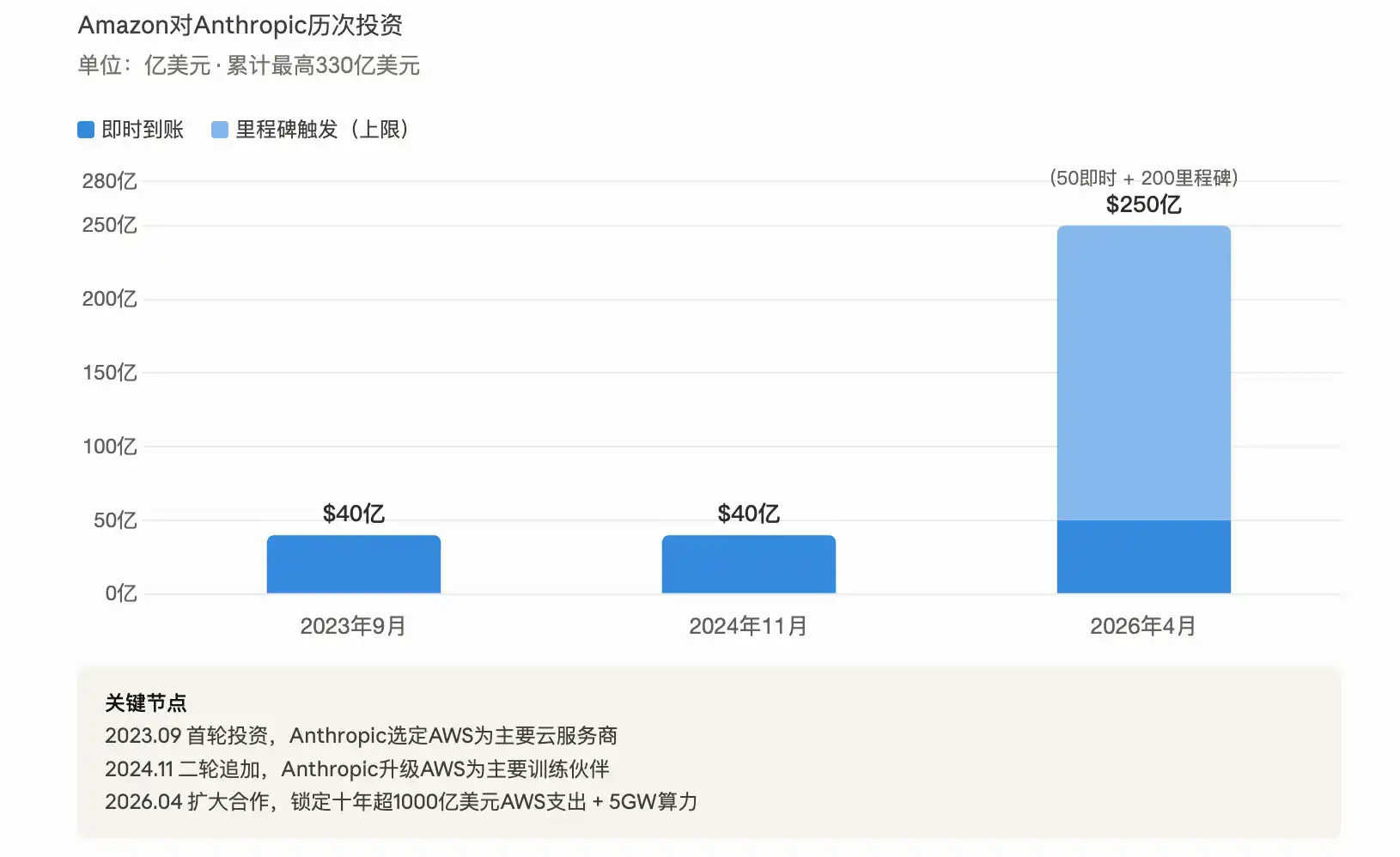
Amazon выписал чеки на сотни миллиардов двум лабораториям ИИ за два месяца
Инвестиционная стратегия Amazon становится предельно ясной: делать ставки одновременно на двух лидеров на поле ИИ.
В феврале этого года Amazon объявил об инвестициях в OpenAI на сумму до 50 миллиардов долларов, также с приложением обязательства по cloud-услугам AWS на 100 миллиардов долларов. Структура сделки с Anthropic практически идентична — 25 миллиардов долларов инвестиций плюс обязательство cloud-расходов на сумму более 100 миллиардов долларов. По данным GeekWire, Amazon применяет «один и тот же сценарий» к обеим лабораториям.
Две крупные ИИ-компании также соревнуются в демонстрации своей силы инвесторам. По данным CNBC, и Anthropic, и OpenAI готовятся к возможному IPO, которое может состояться уже в этом году. Оценка OpenAI в последнем раунде финансирования превысила 850 миллиардов долларов, Anthropic — 380 миллиардов долларов. Anthropic заявляет, что ее годовой доход превысил 30 миллиардов долларов (на конец 2025 года он составлял около 9 миллиардов долларов), в то время как OpenAI в меморандуме обвинила ее в завышении этой цифры примерно на 8 миллиардов долларов, поскольку Anthropic учитывает доходы от cloud-сотрудничества с Amazon и Google по валовой, а не по чистой стоимости.
Microsoft также делает ставки на обеих — ранее она уже инвестировала в OpenAI более 13 миллиардов долларов, а в ноябре 2025 года инвестировала в Anthropic до 5 миллиардов долларов, получив обязательство о закупке вычислительных мощностей Azure на 30 миллиардов долларов.
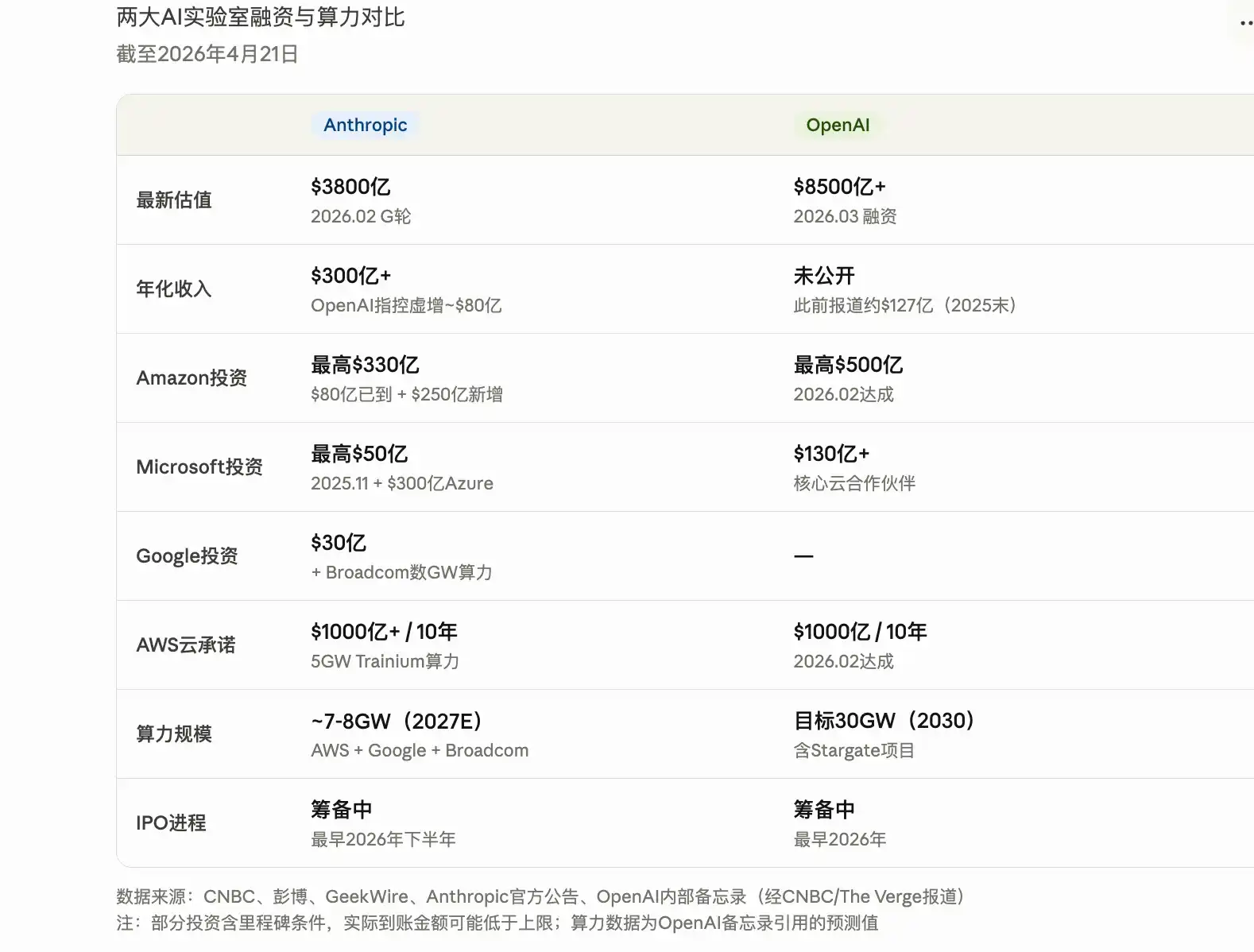
Платформа Claude интегрируется в AWS, битва за более чем 100 000 клиентов
Помимо инвестиций, углубляется интеграция на продуктовом уровне.
Согласно объявлению, нативная платформа Claude от Anthropic будет напрямую встроена в AWS, и клиенты смогут получить доступ к полной консоли Claude через свои существующие учетные записи AWS, системы контроля прав доступа и биллинга, без необходимости дополнительной регистрации или заключения новых контрактов. Это идет дальше, чем предыдущее предложение услуг Claude через маркетплейс Amazon Bedrock. По данным Amazon, в настоящее время более 100 000 организаций используют модель Claude на Amazon Bedrock.
Anthropic в своем блоге также подчеркивает, что Claude — это единственная передовая модель ИИ, которая одновременно представлена на трех крупнейших cloud-платформах мира (AWS Bedrock, Google Cloud Vertex AI, Microsoft Azure Foundry). Эта мультиплатформенная стратегия позволяет корпоративным клиентам гибко выбирать путь развертывания в соответствии со своими потребностями и является одним из конкурентных преимуществ Anthropic перед OpenAI.
Со стороны клиентов: Lyft после использования Claude через Amazon Bedrock для питания ИИ-ассистента службы поддержки сократила среднее время решения проблем клиентов на 87%. Pfizer использует Claude для помощи ученым в голосовом поиске по документам по разработке лекарств, экономя около 16 000 часов времени на поиск в год.
Гонка вооружений ИИ-инфраструктуры: капитальные расходы Amazon в этом году, как ожидается, достигнут 200 миллиардов долларов
Более широким фоном, в который вписана эта сделка, является гонка вооружений в сфере ИИ-инфраструктуры между cloud-гигантами.
Amazon в феврале этого года заявил, что ожидает, что капитальные расходы в 2026 году составят около 200 миллиардов долларов, причем绝大部分 будут направлены на ИИ-инфраструктуру. Ранее созданный в рамках сотрудничества Project Rainier (сверхмасштабный вычислительный кластер с почти 500 000 чипов Trainium2) был одним из крупнейших в мире ИИ-кластеров, и Anthropic использует его для обучения и развертывания текущих и будущих версий Claude.
В начале этого месяца Anthropic также расширила сотрудничество с Google и Broadcom, зафиксировав вычислительные мощности уровня «нескольких гигаватт», запуск которых ожидается в 2027 году. Вкупе с соглашением на 5 ГВт с Amazon, Anthropic одновременно наращивает резервы вычислительных мощностей по нескольким направлениям.
Собственный бизнес по производству специализированных чипов Amazon также ускоряется. Джесси недавно透露, что годовой доход этого бизнеса превысил 20 миллиардов долларов, что вдвое больше reported ранее в этом году 10 миллиардов долларов, и, по его собственным словам, он «невероятно популярен».







