According to Iran's Mehr News Agency on the 25th, citing an Iranian lawmaker, Iran has formulated a comprehensive plan for managing the Strait of Hormuz. Analysts point out that Iran's move has multiple purposes, including increasing pressure on the United States and Israel and securing new stable sources of revenue. However, the proposal to charge fees for passing vessels has sparked international opposition. The United States is pressuring Iran by blockading its ports and ships, and whether Iran's plan to control the strait can be implemented remains uncertain.
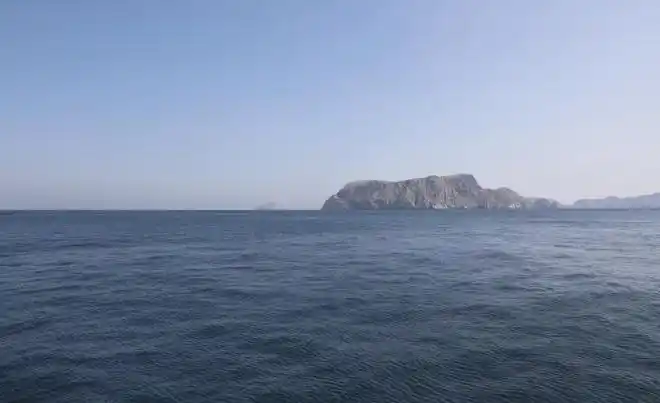
This is a file photo of the Strait of Hormuz taken on February 19, 2025. Photo by Wang Qiang, Xinhua News Agency.
What Are the Objectives?
According to Mehr News Agency, the news was revealed by Iranian Islamic Parliament member Behnam Saidi. Iranian media previously reported that the Iranian parliament reviewed several proposals regarding the governance of the Strait of Hormuz on the 5th and decided to establish a special committee to formulate a comprehensive plan and legal safeguards for exercising jurisdiction over the strait.
According to Saidi, the comprehensive plan includes:
Sovereignty over the Strait of Hormuz will be entirely in Iran's hands;
Ships and vessels navigating the area must obtain permission from Iran;
Vessels passing through the area must pay relevant fees for safety, environmental protection, shipping management, and permit issuance, with priority given to payment in rials;
Vessels from countries designated as hostile by Iran's Supreme National Security Council or the General Staff of the Armed Forces are prohibited from passing through the Strait of Hormuz, with Israeli vessels absolutely banned;
For countries that have caused losses to Iran, relevant countries must first reach an agreement with Iran on compensation methods before their vessels can be granted passage permits.
Analysts believe the plan reveals multiple objectives for Iran.
First, to continue pressuring the U.S. and Israel. By controlling the Strait of Hormuz, a global shipping chokepoint, Iran aims to influence international oil prices, exacerbating inflationary pressures and economic burdens on the U.S. and Israel while prompting the international community to call for de-escalation and open shipping lanes, thereby putting economic and diplomatic pressure on both countries. The ban on vessels from "hostile countries" directly targets the U.S. and Israel. Additionally, linking strait passage to war compensation claims aims to force the U.S. to make concessions on compensation.
Second, to leave room for U.S.-Iran negotiations. Although Iran has maintained a tough stance toward the U.S., it has not completely closed the door to talks. Iran recently sent Foreign Minister Araghchi to Pakistan, claiming no negotiations with the U.S., but also conveying messages to the U.S. through Pakistan and hinting that Araghchi might return to Islamabad soon. In introducing the comprehensive plan, Saidi listed Israel as "absolutely prohibited" but did not name the U.S., possibly暗示暗示暗示暗示暗示暗示暗示暗示暗示暗示暗示暗示暗示暗示暗示暗示暗示暗示暗示暗示暗示暗示暗示暗示暗示暗示暗示暗示暗示暗示暗示暗示暗示暗示暗示暗示暗示暗示暗示暗示暗示暗示暗示暗示暗示暗示暗示暗示暗示暗示暗示暗示暗示暗示暗示暗示暗示暗示暗示暗示暗示暗示暗示暗示暗示暗示暗示暗示暗示暗示暗示暗示暗示暗示暗示暗示暗示暗示暗示暗示暗示暗示暗示暗示暗示暗示暗示暗示暗示暗示暗示暗示暗示暗示暗示暗示暗示暗示暗示暗示暗示暗示暗示暗示暗示暗示暗示暗示暗示暗示暗示暗示暗示暗示暗示暗示暗示暗示暗示暗示暗示暗示暗示暗示暗示暗示暗示暗示暗示暗示暗示暗示暗示暗示暗示暗示暗示暗示暗示暗示暗示暗示暗示暗示暗示暗示暗示暗示暗示暗示暗示暗示暗示暗示暗示暗示暗示暗示暗示暗示暗示暗示暗示暗示暗示暗示暗示暗示暗示暗示暗示暗示暗示暗示暗示暗示暗示暗示暗示暗示暗示暗示暗示暗示暗示暗示暗示暗示暗示暗示暗示暗示暗示暗示暗示暗示暗示暗示暗示暗示暗示暗示暗示暗示暗示暗示暗示暗示暗示暗示暗示暗示暗示暗示暗示暗示暗示暗示暗示暗示暗示暗示暗示暗示暗示暗示暗示暗示暗示暗示暗示暗示暗示暗示暗示暗示暗示暗示暗示暗示暗示暗示暗示暗示暗示暗示暗示暗示暗示暗示暗示暗示暗示暗示暗示暗示暗示暗示暗示暗示暗示暗示暗示暗示暗示暗示暗示暗示暗示暗示暗示暗示暗示暗示暗示暗示暗示暗示暗示暗示暗示暗示暗示暗示暗示暗示暗示暗示暗示暗示暗示暗示暗示暗示暗示暗示暗示暗示暗示暗示暗示暗示暗示暗示暗示暗示暗示暗示暗示暗示暗示暗示暗示暗示暗示暗示暗示暗示暗示暗示暗示暗示暗示暗示暗示暗示暗示暗示暗示暗示暗示暗示暗示暗示暗示暗示暗示暗示暗示暗示暗示暗示暗示暗示暗示暗示暗示暗示暗示暗示暗示暗示暗示暗示暗示暗示暗示暗示暗示暗示暗示暗示暗示暗示暗示暗示暗示暗示暗示暗示暗示暗示暗示暗示暗示暗示暗示暗示暗示暗示暗示暗示暗示暗示暗示暗示暗示暗示暗示暗示暗示暗示暗示暗示暗示暗示暗示暗示暗示暗示暗示暗示暗示暗示暗示暗示暗示暗示暗示暗示暗示暗示暗示暗示暗示暗示暗示暗示暗示暗示暗示暗示暗示暗示暗示暗示暗示暗示暗示暗示暗示暗示暗示暗示暗示暗示暗示暗示暗示暗示暗示暗示暗示暗示暗示暗示暗示暗示暗示暗示暗示暗示暗示暗示暗示暗示暗示暗示暗示暗示暗示暗示暗示暗示暗示暗示暗示暗示暗示暗示暗示暗示暗示暗示暗示暗示暗示暗示暗示暗示暗示暗示暗示暗示暗示暗示暗示暗示暗示暗示暗示暗示暗示暗示暗示暗示暗示暗示暗示暗示暗示暗示暗示暗示暗示暗示暗示暗示暗示暗示暗示暗示暗示暗示暗示暗示暗示暗示暗示暗示暗示暗示暗示暗示暗示暗示暗示暗示暗示暗示暗示暗示暗示暗示暗示暗示暗示暗示暗示暗示暗示暗示暗示暗示暗示暗示暗示暗示暗示暗示暗示暗示暗示暗示暗示暗示暗示暗示暗示暗示暗示暗示暗示暗示暗示暗示暗示暗示暗示暗示暗示暗示暗示暗示暗示暗示暗示暗示暗示暗示暗示暗示暗示暗示暗示暗示暗示暗示暗示暗示暗示暗示暗示暗示暗示暗示暗示暗示暗示暗示暗示暗示暗示暗示暗示暗示暗示暗示暗示暗示暗示暗示暗示暗示暗示暗示暗示暗示暗示暗示暗示暗示暗示暗示暗示暗示暗示暗示暗示暗示暗示暗示暗示暗示暗示暗示暗示暗示暗示暗示暗示暗示暗示暗示暗示暗示暗示暗示暗示暗示暗示暗示暗示暗示暗示暗示暗示暗示暗示暗示暗示暗示暗示暗示暗示暗示暗示暗示暗示暗示暗示暗示暗示暗示暗示暗示暗示暗示暗示暗示暗示暗示暗示暗示暗示暗示暗示暗示暗示暗示暗示暗示暗示暗示暗示暗示暗示暗示暗示暗示暗示暗示暗示暗示暗示暗示暗示暗示暗示暗示暗示暗示暗示暗示暗示暗示暗示暗示暗示暗示暗示暗示暗示暗示暗示暗示暗示暗示暗示暗示暗示暗示暗示暗示暗示暗示暗示暗示暗示暗示暗示暗示暗示暗示暗示暗示暗示暗示暗示暗示暗示暗示暗示暗示暗示暗示暗示暗示暗示暗示暗示暗示暗示暗示暗示暗示暗示暗示暗示暗示暗示暗示暗示暗示暗示暗示暗示暗示暗示暗示暗示暗示暗示暗示暗示暗示暗示暗示暗示暗示暗示暗示暗示暗示暗示暗示暗示暗示暗示暗示暗示暗示暗示暗示暗示暗示暗示暗示暗示暗示暗示暗示暗示暗示暗示暗示暗示暗示暗示暗示暗示暗示暗示暗示暗示暗示暗示暗示暗示暗示暗示暗示暗示暗示暗示暗示暗示暗示暗示暗示暗示暗示暗示暗示暗示暗示暗示暗示暗示暗示暗示暗示暗示暗示暗示暗示暗示暗示暗示暗示暗示暗示暗示暗示暗示暗示暗示暗示暗示暗示暗示暗示暗示暗示暗示暗示暗示暗示暗示暗示暗示暗示暗示暗示暗示暗示暗示暗示暗示暗示暗示暗示暗示暗示暗示暗示暗示暗示暗示暗示暗示暗示暗示暗示暗示暗示暗示暗示暗示暗示暗示暗示暗示暗示暗示暗示暗示暗示暗示暗示暗示暗示暗示暗示暗示暗示暗示暗示暗示暗示暗示暗示暗示暗示暗示暗示暗示暗示暗示暗示暗示暗示暗示暗示暗示暗示暗示暗示暗示暗示暗示暗示暗示暗示暗示暗示暗示暗示暗示暗示暗示暗示暗示暗示暗示暗示暗示暗示暗示暗示暗示暗示暗示暗示暗示暗示暗示暗示暗示暗示暗示暗示暗示暗示暗示暗示暗示暗示暗示暗示暗示暗示暗示暗示暗示暗示暗示暗示暗示暗示暗示暗示暗示暗示暗示暗示暗示暗示暗示暗示暗示暗示暗示暗示暗示暗示暗示暗示暗示暗示暗示暗示暗示暗示暗示暗示暗示暗示暗示暗示暗示暗示暗示暗示暗示暗示暗示暗示暗示暗示暗示暗示暗示暗示暗示暗示暗示暗示暗示暗示暗示暗示暗示暗示暗示暗示暗示暗示暗示暗示暗示暗示暗示暗示暗示暗示暗示暗示暗示暗示暗示暗示暗示暗示暗示暗示暗示暗示暗示暗示暗示暗示暗示暗示暗示暗示暗示暗示暗示暗示暗示暗示暗示暗示暗示暗示暗示暗示暗示暗示暗示暗示暗示暗示暗示暗示暗示暗示暗示暗示暗示暗示暗示暗示暗示暗示暗示暗示暗示暗示暗示暗示暗示暗示暗示暗示暗示暗示暗示暗示暗示暗示暗示暗示暗示暗示暗示暗示暗示暗示暗示暗示暗示暗示暗示暗示暗示暗示暗示暗示暗示暗示暗示暗示暗示暗示暗示暗示暗示暗示暗示暗示暗示暗示暗示暗示暗示暗示暗示暗示暗示暗示暗示暗示暗示暗示暗示暗示暗示暗示暗示暗示暗示暗示暗示暗示暗示暗示暗示暗示暗示暗示暗示暗示暗示暗示暗示暗示暗示暗示暗示暗示暗示暗示暗示暗示暗示暗示暗示暗示暗示暗示暗示暗示暗示暗示暗示暗示暗示暗示暗示暗示暗示暗示暗示暗示暗示暗示暗示暗示暗示暗示暗示暗示暗示暗示暗示暗示暗示暗示暗示暗示暗示暗示暗示暗示暗示暗示暗示暗示暗示暗示暗示暗示暗示暗示暗示暗示暗示暗示暗示暗示暗示暗示暗示暗示暗示暗示暗示暗示暗示暗示暗示暗示暗示暗示暗示暗示暗示暗示暗示暗示暗示暗示暗示暗示暗示暗示暗示暗示暗示暗示暗示暗示暗示暗示暗示暗示暗示暗示暗示暗示暗示暗示暗示暗示暗示暗示暗示暗示暗示暗示暗示暗示暗示暗示暗示暗示暗示暗示暗示暗示暗示暗示暗示暗示暗示暗示暗示暗示暗示暗示暗示暗示暗示暗示暗示暗示暗示暗示暗示暗示暗示暗示暗示暗示暗示暗示暗示暗示暗示暗示暗示暗示暗示暗示暗示暗示暗示暗示暗示暗示暗示暗示暗示暗示暗示暗示暗示暗示暗示暗示暗示暗示暗示暗示暗示暗示暗示暗示暗示暗示暗示暗示暗示暗示暗示暗示暗示暗示暗示暗示暗示暗示暗示暗示暗示暗示暗示暗示暗示暗示暗示暗示暗示暗示暗示暗示暗示暗示暗示暗示暗示暗示暗示暗示暗示暗示暗示暗示暗示暗示暗示暗示暗示暗示暗示暗示暗示暗示暗示暗示暗示暗示暗示暗示暗示暗示暗示暗示暗示暗示暗示暗示暗示暗示暗示暗示暗示暗示暗示暗示暗示暗示暗示暗示暗示暗示暗示暗示暗示暗示暗示暗示暗示暗示暗示暗示暗示暗示暗示暗示暗示暗示暗示暗示暗示暗示暗示暗示暗示暗示暗示暗示暗示暗示暗示暗示暗示暗示暗示暗示暗示暗示暗示暗示暗示暗示暗示暗示暗示暗示暗示暗示暗示暗示暗示暗示暗示暗示暗示暗示暗示暗示暗示暗示暗示暗示暗示暗示暗示暗示暗示暗示暗示暗示暗示暗示暗示暗示暗示暗示暗示暗示暗示暗示暗示暗示暗示暗示极好的谈判筹码。
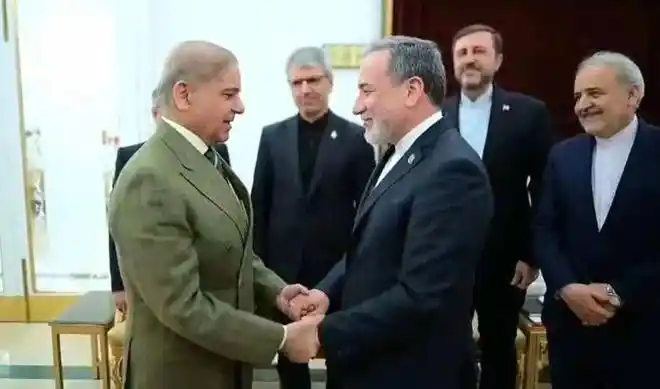
On April 25, 2026, Pakistani Prime Minister Shehbaz Sharif (left) held talks with Iranian Foreign Minister Araghchi in Islamabad, the capital of Pakistan. Photo provided by the Pakistani Prime Minister's Office.
Third, to provide Iran with a new source of income. Statistics show that if Iran charges $1 per barrel of oil passing through the Strait of Hormuz, based on pre-conflict traffic volumes, Iran would earn over $7.7 billion annually. International舆论 believes this could become an important funding source for Iran to resist U.S.-Western blockade and conduct post-war reconstruction. Requiring priority payment in rials is to avoid restrictions on toll revenue by the U.S. dollar system.
Can It Be Implemented?
Regarding follow-up procedures, Saidi said the plan has been submitted to the National Security Committee of the Iranian Islamic Parliament. Once the plenary session resumes, it will be submitted to the presidium and reviewed at the plenary session. The plan may also be approved and issued by the Supreme National Security Council.
In this regard, Abdul Aziz Shabani, a researcher at the Riyadh Center for Political and Strategic Studies, analyzed that approval by the plenary session would赋予 the plan formal legal attributes, but the process is complex and more likely to provoke international opposition. Approval and issuance by the Supreme National Security Council is a more flexible and faster path, also便于 adjustments based on developments.
However, Shabani believes that from a practical perspective, implementing comprehensive interception and charging for all vessels passing through the strait, given the high traffic volume and the presence of other countries' military forces, will be very difficult. Future implementation of the plan is more likely to be limited and selective.
At the same time, Iran's move is controversial under international law and has sparked considerable opposition. Iran's imposition of tolls on this critical maritime passage will inevitably increase transit time and costs for vessels, affecting the economies of many countries broadly. Many countries globally, including Gulf states, have expressed hope that the Strait of Hormuz remains畅通. The UK and France have previously led efforts to form a coalition attempting multinational actions to keep the strait open. If Iran强行 imposes fees, it may face international pressure and diplomatic被动.
Additionally, the United States is countering by blockading Iranian ports and vessels. The U.S. has clearly stated it will never allow Iran to permanently control the strait or establish a toll system. If the blockade continues, causing Iran's oil storage facilities to reach capacity, Iran may be forced to halt production, which could cause significant damage to its oil extraction infrastructure. The U.S. has also threatened to intercept and inspect all vessels paying tolls to Iran in international waters. This could result in no vessels passing through the strait and Iran receiving no toll revenue.
Of course, the U.S. blockade of Iran comes at a great cost, and the longer it lasts, the more it could affect the Republican Party's midterm election prospects. The U.S. may not be able to sustain it for very long. Iran might also use the toll proposal merely as a bargaining chip in negotiations with the U.S. to exchange for interests,未必 strongly pushing for implementation. Therefore, whether this plan will be implemented and to what extent remains uncertain.