US Government’s Bitcoin At Risk? The Insider Theft That Shocked The Community

bitcoinistОпубликовано 2026-01-27Обновлено 2026-01-27

Введение

On-chain investigator ZachXBT has identified John Daghita (aka Lick) as the threat actor who stole over $40 million from U.S. government crypto seizure addresses. His father’s company, Command Services & Support (CMDSS), held a government contract to assist the U.S. Marshals in managing seized crypto assets. ZachXBT traced the stolen funds to wallets linked to government seizures, including assets from the Bitfinex hack. The White House confirmed it is investigating the theft but has not disclosed whether its Bitcoin holdings were affected. The U.S. government currently holds 198,012 BTC, part of which was reportedly stolen after former President Trump signed an order allocating all government Bitcoin to a Strategic BTC Reserve.

On-chain sleuth ZachXBT has revealed the identity of a threat actor who stole over $40 million from the U.S. government’s crypto stash. The White House has confirmed that it is looking into the situation but has not yet said whether its Bitcoin holdings were affected by the theft.

How This Threat Actor Stole Over $40 Million From the U.S. Government Crypto Wallets

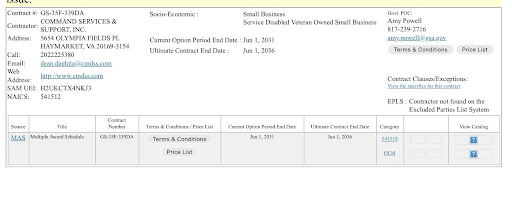
In an X post, ZachXBT revealed that threat actor John Daghita, also known as Lick, stole over $40 million from the U.S. government’s seizure addresses, as his dad owns Command Services & Support (CMDSS), which has an active IT government contract. CMDSS was awarded a contract to assist the U.S. Marshals in managing and disposing of seized and forfeited crypto assets. However, the ZachXBT noted that it remains unclear how John obtained access from his dad.

The CMDSS company X account, website, and LinkedIn were all deactivated following ZachXBT’s revelation. Meanwhile, the crypto investigator had first drawn attention to John in an earlier X post, stating that the threat actor had been caught flexing $23 million in a wallet address.
Source: Chart from ZachXBT on X

He noted that this wallet was directly tied to over $90 million in suspected thefts from the U.S. Government in 2024 and multiple other unidentified victims from November 2025 to December 2025. John revealed this crypto wallet during a heated argument with another threat actor, Dritan Kapplani Jr., in a group chat about who had more funds in their crypto wallets.

The Source Of The Funds

Following John’s messages, ZachXBT traced the source of the threat actor’s funds to a wallet (0xc7a2) that received $24.9 million from a U.S. Government address in March 2024 related to the Bitfinex hack seizure, which was a theft from the government. John’s wallet (0xd8bc), which he showed off during the heated argument, is also said to be tied to $63 million in inflows from suspected victims and government-seizure addresses in the fourth quarter of last year.

John quickly removed all of the NFT usernames from his Telegram account and changed his screen name after ZachXBT’s post. Meanwhile, it is worth noting that the crypto investigator identified John as John Daghitia after rumors began circulating that the threat actor was the same person previously arrested in September 2025. However, it remains unclear for what John was arrested last year.

Is The U.S. Government’s BTC At Risk?

White House crypto adviser Patrick Witt confirmed in an X post that they are investigating the theft and will provide an update soon. This development is also significant, as U.S. President Donald Trump has already signed an executive order that allocates all U.S. government Bitcoin holdings to the Strategic BTC Reserve.

Based on the timeline of these thefts from the government’s seizure addresses, John looks to have stolen some of these crypto assets after Trump signed the executive order. Meanwhile, part of the theft occurred under the Biden Administration. There has yet to be confirmation from the government on how much BTC it holds. However, BiTBo data shows that the U.S. government currently holds 198,012 BTC.

BTC trading at $88,296 on the 1D chart | Source: BTCUSDT on Tradingview.com

Связанные с этим вопросы

QWho is the identity of the threat actor that stole over $40 million from the U.S. government's crypto wallets, as revealed by ZachXBT?

AThe threat actor is John Daghita, also known as Lick.

QHow was the threat actor, John Daghita, allegedly able to access the U.S. government's seized crypto assets?

AHis father owns Command Services & Support (CMDSS), a company which has an active IT government contract to assist the U.S. Marshals in managing and disposing of seized crypto assets. However, it remains unclear how John obtained access from his dad.

QWhat was the source of the $24.9 million that flowed into a wallet (0xc7a2) connected to John Daghita?

AThe $24.9 million came from a U.S. Government address in March 2024 related to the Bitfinex hack seizure, making it a theft from the government.

QWhat significant action did U.S. President Donald Trump take regarding the government's Bitcoin holdings, as mentioned in the article?

APresident Donald Trump signed an executive order that allocates all U.S. government Bitcoin holdings to the Strategic BTC Reserve.

QAccording to BiTBo data, how much Bitcoin does the U.S. government currently hold?

AThe U.S. government currently holds 198,012 BTC according to BiTBo data.

Похожее

From Bitcoin to NVIDIA: How Gate is Creating the 'All-in-One Trading Account' for the Web3 Era?

From Bitcoin to Nvidia: How Gate is Building an 'All-in-One Trading Account' for the Web3 Era This article explores the emerging trend of crypto exchanges expanding into multi-asset trading, focusing on Gate's strategy. It begins by highlighting a common pain point: crypto traders are often isolated from traditional financial markets (stocks, gold) due to slow, cumbersome cross-border fiat processes. The piece details Gate's systematic approach to solving this by building a complete ecosystem covering both Crypto and TradFi (traditional finance). Its solution spans three product types: tokenized assets (e.g., stock tokens), extended crypto derivatives (e.g., stock perpetual contracts), and, most notably, traditional CFDs (Contracts for Difference) accessed via an integrated MT5 system. This allows users to trade a wide array of assets—including metals, stocks, indices, forex, and commodities—directly with USDT. Key advantages identified are exceptional capital efficiency (near-instant transfers between crypto and TradFi sub-accounts) and competitive fee structures, especially for high-volume traders, where CFD costs can be significantly lower than traditional crypto derivatives. The author's firsthand test of trading gold CFDs revealed a fast, seamless experience but also noted learning curves, such as fixed leverage, swap fees for overnight positions, and adherence to traditional market hours. The article concludes by pondering the future of crypto exchanges, viewing multi-asset trading as a sign of the market integrating into the global financial system. It questions whether current CFD-based models are a final solution or a transitional step towards true asset tokenization (RWA) and awaits clearer regulatory frameworks for deeper integration.

Odaily星球日报30 мин. назад

From Bitcoin to NVIDIA: How Gate is Creating the 'All-in-One Trading Account' for the Web3 Era?

Odaily星球日报30 мин. назад

Lost in Hong Kong

"Lost Hong Kong" explores the city's profound economic and social fragmentation, caught between its storied past and an uncertain future. Despite strong macroeconomic indicators—such as 3.2% GDP growth and a booming stock market—the reality for many residents is starkly different. Rising unemployment, widespread retail closures, and an exodus of locals seeking affordable services in mainland China reveal a deep divide between financial elites and ordinary citizens. This duality stems from Hong Kong’s "muscle memory" of past crises—the 1997 Asian Financial Crisis and 2008 Global Financial Crisis—which entrenched a regulatory obsession with stability. This cautious approach has stifled innovation, particularly in fintech and Web3. Initiatives like virtual banks and crypto ETFs have struggled under heavy compliance burdens, while legacy systems like HSBC’s PayMe and the government-backed FPS dominate digital payments. The city’s economy is fractured along three lines: finance vs.实体经济, elites vs. the public, and asset accumulation vs. innovation. While wealth management flourishes, R&D investment lags behind peers like Singapore and Shenzhen. Hong Kong’s attempt to embrace disruptive technologies like Web3 has been half-hearted, favoring controlled, institutional adoption over genuine decentralization. Ultimately, Hong Kong’s reliance on outdated models hinders its ability to adapt. The article concludes that without bold structural changes, the city risks being left behind as a new era of global innovation accelerates.

marsbit45 мин. назад

Lost in Hong Kong

marsbit45 мин. назад

Matrixport Research Report | Re-evaluating the Long-Term Allocation Value of U.S. Stocks: Institutional Dividends, Industry Cycles, and Global Capital Resonance

Matrixport Research Report: Reassessing the Long-Term Allocation Value of U.S. Stocks — Institutional Advantages, Industry Cycle, and Global Capital in Sync The core of U.S. stocks' long-term allocation value lies in the convergence of three key drivers: institutional advantages, the real validation cycle of the AI industry, and structural capital inflows—rather than short-term macro trading opportunities. U.S. equity markets, particularly the Nasdaq, have significantly outperformed global peers like China’s创业板指 and恒生科技指数 from 2015 to 2025, with smaller drawdowns and stronger compound returns. This resilience stems from deep institutional strengths: a mature innovation financing ecosystem, corporate fiscal discipline, shareholder return mechanisms, and the dollar’s global liquidity role. The AI industry is transitioning from infrastructure expansion to application penetration. Real adoption is accelerating—78% of organizations reported using AI in 2024—and capital expenditure by AI-related U.S. firms has nearly doubled since 2019. This reflects tangible investment, not speculative valuation. Global institutional capital, particularly from Europe, has structurally increased allocation to U.S. equities, with overseas holdings rising ~48% over the past two years. The deep, liquid U.S. market offers concentrated exposure to leading tech and AI assets with high regulatory predictability and low transaction costs. While 2026 may see moderate rate cuts and fiscal policy debates, the long-term outlook remains robust. Short-term volatility may offer entry opportunities. The enduring value of U.S. stocks is anchored in this self-reinforcing system of institutional, technological, and capital advantages—making them a core holding for long-term investors.

Matrixport49 мин. назад

Matrixport Research Report | Re-evaluating the Long-Term Allocation Value of U.S. Stocks: Institutional Dividends, Industry Cycles, and Global Capital Resonance

Matrixport49 мин. назад

Matrixport Research: Bear Market Confirmed, the True Window for Bottom-Fishing May Not Have Arrived Yet

Matrixport Research confirms that the crypto market has entered a bear phase, with Bitcoin's recent break below a key support level signaling a confirmed downtrend. Historical cycle analysis suggests this correction aligns with typical bear market patterns in both scale and rhythm. The focus has now shifted from whether the trend has reversed to identifying the next optimal accumulation window. Key observations indicate that Bitcoin's break below its one-year moving average often marks the start of a bear market, which historically lasts about 12 months. This suggests the next bull cycle may not begin until Q4 2026, with a potential cycle low likely in Q3 2026. The report also posits that Bitcoin’s four-year cycle correlates more strongly with U.S. midterm election cycles than with halving events, citing heightened regulatory and political uncertainty as key drivers of market tops and bottoms. From a technical perspective, neither the monthly Stochastic oscillator (currently at ~39%) nor the monthly RSI (near 50) has yet reached key oversold thresholds that historically signaled major bottoms. A clear reversal confirmation—typically occurring after a break below extreme levels—has not appeared. The report concludes that the final market low has likely not been reached and emphasizes the need for patience. A sustainable recovery should be confirmed by clear signals of exhausted selling momentum, not just proximity to perceived low prices.

Matrixport50 мин. назад

Matrixport Research: Bear Market Confirmed, the True Window for Bottom-Fishing May Not Have Arrived Yet

Matrixport50 мин. назад

Торговля

Спот
Фьючерсы

Популярные статьи

Тест по Bitcoin Биткоина

HTX Learn: Изучите Bitcoin halving и Заработаете Токены USDT

2.7k просмотров всегоОпубликовано 2024.04.16Обновлено 2024.04.16

Что такое $BITCOIN

ЦИФРОВОЕ ЗОЛОТО ($BITCOIN): Комплексный анализ Введение в ЦИФРОВОЕ ЗОЛОТО ($BITCOIN) ЦИФРОВОЕ ЗОЛОТО ($BITCOIN) — это проект на основе блокчейна, работающий в сети Solana, который стремится объединить характеристики традиционных драгоценных металлов с инновациями децентрализованных технологий. Хотя он носит имя Биткойн, часто называемого “цифровым золотом” из-за его восприятия как средства хранения ценности, ЦИФРОВОЕ ЗОЛОТО является отдельным токеном, предназначенным для создания уникальной экосистемы в ландшафте Web3. Его цель — позиционировать себя как жизнеспособный альтернативный цифровой актив, хотя детали его применения и функциональности все еще развиваются. Что такое ЦИФРОВОЕ ЗОЛОТО ($BITCOIN)? ЦИФРОВОЕ ЗОЛОТО ($BITCOIN) — это токен криптовалюты, специально разработанный для использования в блокчейне Solana. В отличие от Биткойна, который выполняет широко признанную роль хранения ценности, этот токен, похоже, сосредоточен на более широких приложениях и характеристиках. Примечательные аспекты включают: Инфраструктура блокчейна: Токен построен на блокчейне Solana, известном своей способностью обрабатывать высокоскоростные и недорогие транзакции. Динамика предложения: ЦИФРОВОЕ ЗОЛОТО имеет максимальное предложение, ограниченное 100 квадриллионами токенов (100P $BITCOIN), хотя детали о его обращающемся предложении в настоящее время не раскрыты. Утилита: Хотя точные функциональные возможности не описаны, есть указания на то, что токен может быть использован для различных приложений, потенциально связанных с децентрализованными приложениями (dApps) или стратегиями токенизации активов. Кто создатель ЦИФРОВОГО ЗОЛОТА ($BITCOIN)? На данный момент личность создателей и команды разработчиков, стоящих за ЦИФРОВЫМ ЗОЛОТОМ ($BITCOIN), остается неизвестной. Эта ситуация типична для многих инновационных проектов в области блокчейна, особенно тех, которые связаны с децентрализованными финансами и феноменом мем-криптовалют. Хотя такая анонимность может способствовать культуре, ориентированной на сообщество, она усиливает опасения по поводу управления и ответственности. Кто инвесторы ЦИФРОВОГО ЗОЛОТА ($BITCOIN)? Доступная информация указывает на то, что у ЦИФРОВОГО ЗОЛОТА ($BITCOIN) нет известных институциональных спонсоров или значительных венчурных капиталовложений. Проект, похоже, функционирует по модели пирингового взаимодействия, сосредоточенной на поддержке и принятии сообществом, а не на традиционных путях финансирования. Его активность и ликвидность в основном сосредоточены на децентрализованных биржах (DEX), таких как PumpSwap, а не на устоявшихся централизованных торговых платформах, что еще больше подчеркивает его подход, ориентированный на grassroots. Как работает ЦИФРОВОЕ ЗОЛОТО ($BITCOIN) Операционные механизмы ЦИФРОВОГО ЗОЛОТА ($BITCOIN) можно подробно описать на основе его дизайна блокчейна и характеристик сети: Механизм консенсуса: Используя уникальный механизм доказательства истории (PoH) Solana в сочетании с моделью доказательства доли (PoS), проект обеспечивает эффективную валидацию транзакций, что способствует высокой производительности сети. Токеномика: Хотя конкретные дефляционные механизмы не были подробно описаны, большое максимальное предложение токенов подразумевает, что оно может быть предназначено для микротранзакций или нишевых случаев использования, которые еще предстоит определить. Интероперабельность: Существует потенциал для интеграции с более широкой экосистемой Solana, включая различные платформы децентрализованных финансов (DeFi). Однако детали относительно конкретных интеграций остаются неуточненными. Хронология ключевых событий Вот хронология, которая подчеркивает значимые вехи, касающиеся ЦИФРОВОГО ЗОЛОТА ($BITCOIN): 2023: Первоначальное развертывание токена происходит в блокчейне Solana, отмеченное его адресом контракта. 2024: ЦИФРОВОЕ ЗОЛОТО приобретает видимость, когда оно становится доступным для торговли на децентрализованных биржах, таких как PumpSwap, позволяя пользователям обменивать его на SOL. 2025: Проект наблюдает спорадическую торговую активность и потенциальный интерес к инициативам, возглавляемым сообществом, хотя на данный момент не зафиксировано никаких значительных партнерств или технических достижений. Критический анализ Сильные стороны Масштабируемость: Основная инфраструктура Solana поддерживает высокие объемы транзакций, что может повысить полезность $BITCOIN в различных сценариях транзакций. Доступность: Потенциально низкая цена торговли за токен может привлечь розничных инвесторов, способствуя более широкому участию благодаря возможностям дробного владения. Риски Отсутствие прозрачности: Отсутствие публично известных спонсоров, разработчиков или процесса аудита может вызвать скептицизм относительно устойчивости и надежности проекта. Волатильность рынка: Торговая активность сильно зависит от спекулятивного поведения, что может привести к значительной волатильности цен и неопределенности для инвесторов. Заключение ЦИФРОВОЕ ЗОЛОТО ($BITCOIN) является интригующим, но неоднозначным проектом в быстро развивающейся экосистеме Solana. Хотя он пытается использовать нарратив “цифрового золота”, его отход от установленной роли Биткойна как средства хранения ценности подчеркивает необходимость более четкого различения его предполагаемой утилиты и структуры управления. Будущее принятие и усвоение, вероятно, будут зависеть от решения текущей непрозрачности и более четкого определения его операционных и экономических стратегий. Примечание: Этот отчет охватывает синтезированную информацию, доступную на октябрь 2023 года, и с тех пор могут произойти события.

99 просмотров всегоОпубликовано 2025.05.13Обновлено 2025.05.13

Fractal Bitcoin: масштабирование Биткоина с помощью рекурсивной системы

Fractal Bitcoin — масштабное Layer-1-решнение, созданное на базе кода Биткоина, позволяющего достигать бесконечного масштабирования с помощью рекурсивного подхода.

2.0k просмотров всегоОпубликовано 2025.06.30Обновлено 2025.06.30

Обсуждения

Добро пожаловать в Сообщество HTX. Здесь вы сможете быть в курсе последних новостей о развитии платформы и получить доступ к профессиональной аналитической информации о рынке. Мнения пользователей о цене на BTC (BTC) представлены ниже.

活动图片