Продукт ИИ, заблокированный собственной платформой, в итоге вынудил Tencent разыграть свою самую сильную карту.
2 июня акции Tencent Holdings (HK:00700) выросли более чем на 10% за день, рыночная капитализация увеличилась примерно на 415,8 млрд гонконгских долларов (около 360 млрд юаней), что стало самым большим однодневным ростом с января 2021 года.
Эту кривую вызвала еще не официально подтвержденная новость: согласно сообщениям, Tencent заканчивает тестирование AI-агента, встроенного в WeChat, и планирует начать процедуру согласования с регулирующими органами уже в этом месяце. Tencent отказался от комментариев, но Citigroup сохранил рейтинг «Покупать» с целевой ценой 763 гонконгских доллара. Индекс Hang Seng Tech в тот же день вырос на 4,72%, акции Meituan поднялись более чем на 9%. Один слух взволновал весь технологический сектор Гонконга.
Сложно вспомнить, когда в последний раз движение продукта WeChat вызывало рыночную реакцию подобного масштаба. 1,4 миллиарда ежемесячных активных пользователей означают, что любая корректировка WeChat — это большое событие, но на этот раз логика ценообразования на рынке капитала заключается не только в этом. Инвесторы покупают нарратив о том, что WeChat должен превратиться из платформы, где «пользователь активно ищет услуги», в систему, где «ИИ выполняет задачи за пользователя».
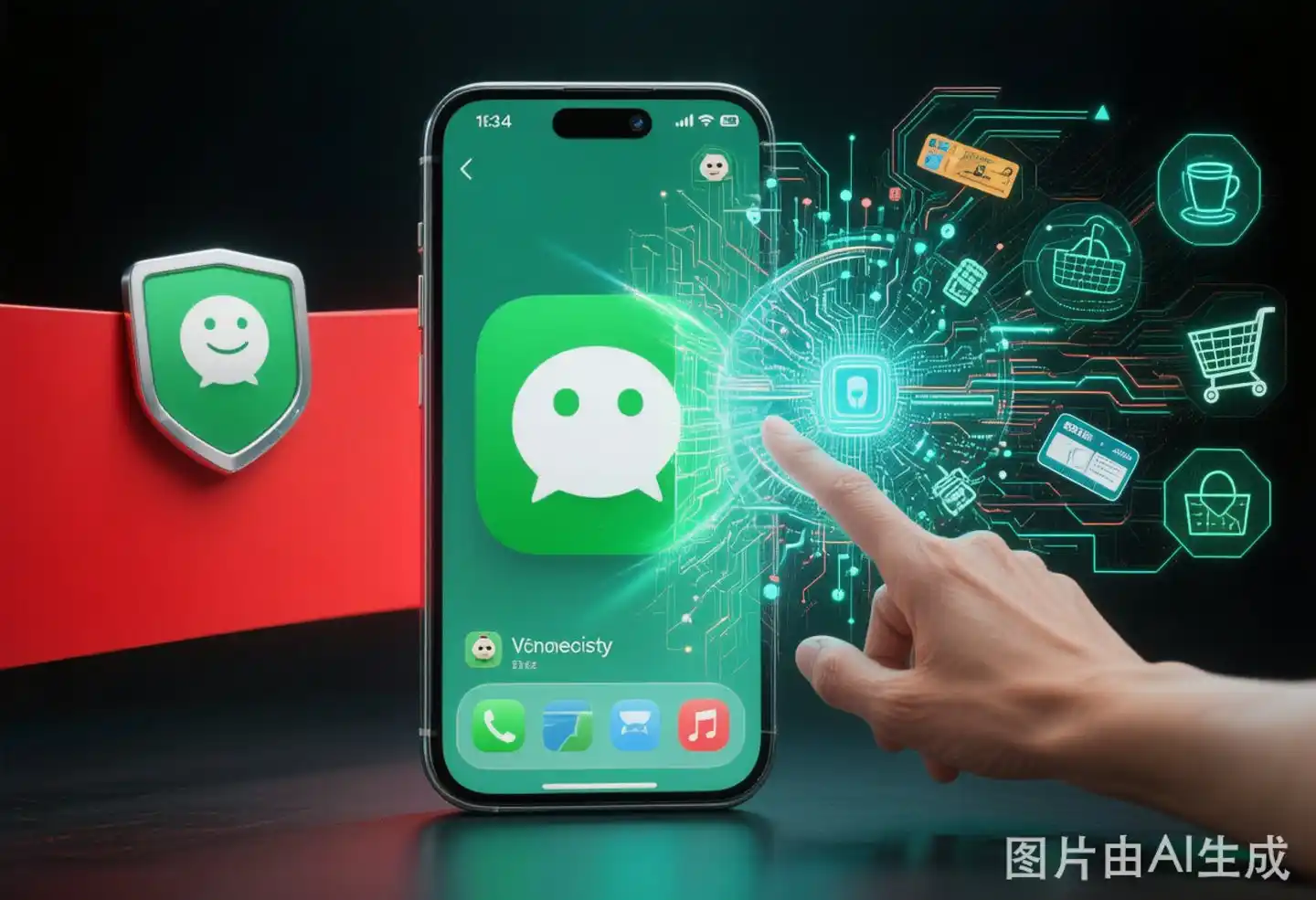
По словам осведомленных источников, точкой входа для взаимодействия планируется сделать окно диалога с ИИ, которое вызывается свайпом вправо с главного экрана WeChat, без перехода в какое-либо отдельное приложение.
Границы AI-агента WeChat не ограничиваются внутренней экосистемой WeChat. Как сообщается, WeChat сотрудничает с производителями смартфонов, такими как Huawei, Honor, Xiaomi, OPPO и Vivo, для внедрения возможности A2A (Agent-to-Agent, взаимодействие между агентами). Пользователи могут напрямую инициировать аудио- и видеозвонки WeChat или отправлять сообщения друзьям через встроенные голосовые помощники на телефоне. В настоящее время эта функция уже реализована в некоторых моделях Honor: обновив YOYO и WeChat до последних версий, можно разбудить YOYO и голосовой командой выполнить такие операции, как «отправить WeChat-сообщение Чжан Сану» или «позвонить по WeChat Ли Си».
Его позиционирование — не просто чат-бот в окне диалога. Голосовой вход на уровне системы телефона в сочетании с коммуникационными возможностями и возможностями мини-программ внутри экосистемы WeChat сокращает многошаговые действия пользователя («открыть WeChat → найти контакт → набрать текст или набрать номер») до одной фразы.
Ответ, к которому принудили
За сообщением от 2 июня стоит полуторагодовая стратегическая борьба. Tencent допустил ошибки, решая вопрос «Стоит ли внедрять ИИ в WeChat?», и в конечном итоге направление было найдено благодаря неожиданному инциденту.
В мае 2024 года был запущен «Юаньбао» Tencent. Отдельное приложение, работающее на базе большой модели «Хуньюань», — стандартный путь чат-бота для C2C. Ты говоришь, он отвечает. К началу 2026 года месячная аудитория (MAU) отдельного приложения «Юаньбао» едва превысила 40 миллионов, в то время как у «Доубао» (Doubao) уже более 300 миллионов.
На Новый год по лунному календарю 2026 года Tencent провел масштабную попытку социального взрывного роста на «Юаньбао». «Заходи в «Юаньбао», раздели 1 миллиард юаней наличными», основным механизмом было распространение ссылок на «Юаньбао» в группах WeChat для привлечения новых пользователей через социальные связи. В те дни ссылки с красными конвертами заполонили ленту друзей и групповые чаты.
4 февраля, в день первого вывода денег из красных конвертов «Юаньбао», случился инцидент. Официальный аккаунт WeChat «Weixin Pai» опубликовал уведомление: получены жалобы пользователей на то, что новогодняя акция «Юаньбао» поощряет принудительный обмен, беспокоит пользователей и нарушает порядок в экосистеме, в соответствии с правилами доступ по прямым ссылкам в WeChat ограничен. Директор по связям с общественностью WeChat Чжан Цзюнь добавил в своем круге друзей: «Опыт пользователя на первом месте, ко всем одинаковое отношение», сопроводив это смайликом «схожу с ума и бью даже себя». «Юаньбао» пришлось перейти на красные конверты с кодовыми фразами: пользователям нужно было скопировать фразу, вернуться в WeChat, вставить ее, цепочка взрывного роста была полностью прервана.
Приказ о блокировке поступил от WeChat, заблокирован был «Юаньбао». Оба принадлежат «Tencent». Это означало, что запланированный бюджет «Юаньбао» в 1 миллиард юаней продолжал сжигаться, но путь распространения был уже перекрыт своими же.
Внешние наблюдатели увидели два уровня смысла: поверхностный — WeChat соблюдает правила и не может делать поблажек даже своему собственному приложению. Более глубокий уровень заслуживает большего внимания: внутри Tencent на тот момент не было консенсуса по поводу «где должен находиться ИИ». WeChat Чжан Сяолуна не позволял ни одному внешнему ИИ-приложению использовать его социальные связи, даже своему собственному.
Блокировка заставила задаться простым вопросом: возможно, ИИ Tencent не должен быть отдельным приложением вне WeChat, ему больше подходит быть внутри WeChat.
В последующие месяцы последовали интенсивные подготовительные действия. В марте 2026 года Tencent расформировала просуществовавшее десять лет подразделение AI Lab, сотрудники перешли в систему «Хуньюань», чтобы сосредоточить силы на разработке базовой модели. В апреле был выпущен «Хуньюань 3.0» с общим количеством параметров 295 миллиардов, следуя курсом на эффективность — «достаточно и дешево», не участвуя в гонке параметров в триллионы. Тем временем «Юаньбао» в виде «Помощника по обложкам для красных конвертов» незаметно проник в интерфейс чата WeChat, перестав быть отдельным приложением, которое нужно скачивать, а стал внутренним компонентом в диалоговом окне WeChat. Из «внешнего конкурента» он превратился во «внутренний компонент». И только 2 июня, когда, согласно сообщениям, началось завершающее тестирование нативного AI-агента WeChat, эта история вышла на поверхность.
Между существующей линейкой продуктов ИИ Tencent и AI-агентом WeChat существует ключевое различие.
Линейка продуктов ИИ у Tencent не слаба: большая модель «Хуньюань» — это базовый движок, «Юаньбао» — точка входа для диалога с C2C-пользователями, CodeBuddy и WorkBuddy ориентированы соответственно на разработчиков и предприятия, а также пользователей C2C, QClaw плюс ассистент на уровне операционной системы Marvis покрывают остальные сценарии.
Но у этих продуктов есть общая черта: они хорошо справляются с генерацией информации и контента в своих сценариях, но слабее в выполнении задач, требующих взаимодействия между экосистемами. «Хуньюань» выдает текст, «Юаньбао» предоставляет анализ изображений/текста и рекомендации, может выполнять задачи по поиску информации, скачиванию файлов, но когда дело доходит до вызова внешних сервисов, совершения транзакций между приложениями, эта цепочка пока не достроена.
А с другой стороны, конкуренты достигли разного прогресса в преодолении разрыва между «говорить» и «делать».
Согласно данным QuestMobile за март 2026 года, MAU «Доубао» от ByteDance составил 345 миллионов; он может имитировать действия пользователя, распознавая элементы экрана телефона, чтобы совершать покупки. MAU «Цяньвэнь» (Qianwen) от Alibaba составляет около 166 миллионов, он глубоко интегрирован с электронной коммерцией, картами, путешествиями и платежами Ant, пользователи могут напрямую поручить ему купить билеты, забронировать отель. Возможности продукта «Юаньбао» заметно отстают, и как отдельное приложение он еще должен конкурировать с «Доубао» и «Цяньвэнем» по стоимости привлечения клиентов. При таком разрыве в MAU догнать в лоб может быть нереально. Выход для Tencent, возможно, не лежит на пути независимых приложений.
AI-агент WeChat как раз и призван ликвидировать этот разрыв. Это не версия «Юаньбао» для WeChat, а полностью переработанный продукт. По словам осведомленных источников, точкой входа для взаимодействия планируется сделать диалоговое окно, вызываемое свайпом вправо на главном экране WeChat. Пользователь отдает команду естественным языком, ИИ разбивает ее на подзадачи, автоматически вызывает соответствующие мини-программы, выполняет поиск, сравнение цен, оформление заказа, оплату — вся цепочка замыкается внутри WeChat.
По сравнению с существующими продуктами ИИ Tencent, если функции WeChat AI Agent, о которых сообщается, соответствуют действительности, он фактически закрывает три уровня слабых мест Tencent в области выполнения задач ИИ.
От вывода к выполнению. «Юаньбао» в основном занимается генерацией контента и ответами в диалогах. Если функции помощника WeChat с ИИ, о которых сообщается, соответствуют действительности, то WeChat AI Agent сможет напрямую выполнять такие практические операции, как запись к врачу, заказ еды, покупка билетов, оплата счетов, а WeChat Pay замыкает последнее звено от намерения до транзакции.
От привлечения новых к активации существующих. «Юаньбао» зависит от того, что пользователь скачает совершенно новое приложение из магазина приложений, тогда как WeChat AI Agent изначально имеет более 1,4 миллиарда существующих пользователей, не требуя скачивания, регистрации, обучения. Это самый большой потенциал дистрибуции в текущем китайском мобильном интернете.
От имитации экрана к вызову интерфейсов. Решение «Доубао» заключается в распознавании через GUI положения каждой кнопки на экране для имитации действий человека. Этот путь уже сталкивается с риском блокировки со стороны некоторых производителей приложений, к тому же потребляет много вычислительных ресурсов, по оценкам, каждая операция потребляет ресурсы на уровне десятков тысяч токенов. Подход WeChat иной: его миллионы мини-программ по сути представляют собой набор стандартизированных структурированных интерфейсов, Agent может напрямую их вызывать, эффективность на порядки выше. Плюс гибридная архитектура, где обработка чувствительных данных происходит на устройстве, а инференс большой модели — в облаке, данные не покидают безопасные границы WeChat.
Президент Tencent Мартин Лау на телеконференции по итогам первого квартала дал официальную формулировку: «Помимо базовых больших моделей, AI-агенты, обладающие способностью к автономному выполнению задач, уже демонстрируют прорывную ценность приложений. Платформа WeChat от природы обладает множеством преимуществ для размещения AI-агентов». Экосистема WeChat охватывает коммуникации, социальные связи, контент, коммерцию и платежи, составляя каркас возможностей, необходимых «идеальному помощнику» с ИИ.
Почему это должен быть именно WeChat
Временное окно тоже сокращается.
Ма Хуатэн на собрании акционеров в мае сделал необычно откровенную самооценку: «Год назад мы думали, что уже на борту, но потом обнаружили, что судно течет. Сейчас чувствуем, что стоим на нем, но еще не можем сесть, все еще надеемся, что скорость судна увеличится».
Три фразы концентрируют трехлетний извилистый путь бизнеса ИИ Tencent. Ранняя ставка на направление «Хуньюань» была верной, но темпы инвестиций были медленными. Использование «Юаньбао» для лобового противостояния «Доубао» и «Цяньвэню» не дало ожидаемого эффекта. Восхождение DeepSeek добавило еще одно давление: маленькая команда тоже может создать топовую модель, статус крупной компании не гарантирует устойчивости.
На уровне данных все еще более наглядно: MAU отдельного приложения «Юаньбао» — 57,35 миллиона (QuestMobile, март 2026), менее одной пятой от «Доубао» (Прим.: общий MAU «Юаньбао» по всем платформам, включая встроенную версию в WeChat, в феврале 2026 достигал 114 миллионов, но DAU заметно снизился после окончания новогодней акции с красными конвертами). Генеральный директор ByteDance Лян Жубо на ежегодном собрании сотрудников в 2026 году определил «смело покорять вершины» как ключевое слово года, основная цель — сосредоточиться на создании приложения-помощника с ИИ «Доубао/Dola». «Цяньвэнь» уже глубоко интегрирован с ключевыми сценариями экосистемы Alibaba, такими как AutoNavi, платежи Ant, Fliggy, Ele.me. Логика конкуренции уже сместилась с «чья модель набирает больше баллов» к «чей Agent может подключить больше офлайн-сервисов, охватить больше сценариев, сформировать более полный цикл выполнения». Ответ Tencent лежит не в лобовой конкуренции на поле независимых приложений, а на уровне экосистемы.
Рост самого WeChat вышел на плато: MAU 1,432 миллиарда, рост всего на 2% в годовом исчислении, размер внутренней пользовательской базы достиг потолка. Более показательно время использования: оценки сторонних компаний показывают, что среднее дневное время в WeChat составляет около 85 минут, что уже меньше, чем у Douyin (около 93 минут). Ежедневное количество публикаций в ленте друзей заметно сократилось по сравнению с пиком 2021 года, внимание пользователей смещается от общения и чатов к коротким видео и инструментам, изначально созданным для ИИ. В финансовых данных это отражается в снижении доходов от социальных сетей Tencent в первом квартале до 31,9 млрд юаней, что на 2% меньше.
Более прямой финансовый сигнал: капитальные затраты Tencent на ИИ в первом квартале составили 31,9 млрд юаней, рост на 16% в годовом исчислении, но чистый квартальный убыток от новых продуктов ИИ достиг 8,8 млрд юаней, в годовом исчислении около 35 млрд юаней, почти 100 миллионов юаней в день. Руководство Tencent сообщило, что во втором полугодии отечественные AI-чипы будут поступать ежемесячно, капитальные затраты будут «значительно увеличиваться». Рост расходов значительно опережает рост доходов, Tencent необходимо превратить огромные инвестиции в ИИ в коммерческую отдачу. WeChat AI Agent — продукт, наиболее близкий к этой цели.
Почему этим должен заниматься именно WeChat? WeChat за восемь лет построил несколько вещей, которые сейчас сложно найти у другой компании в таком же комплекте.
Мини-программы, охватывающие 108 узких отраслей, миллионы их. Транспорт, общественное питание, здравоохранение, госуслуги — практически для всех жизненных сценариев есть набор стандартизированных интерфейсов. Каждый подключенный магазин в системе WeChat предоставляет API, которые могут быть вызваны программно. Для AI-агента достаточно напрямую вызвать интерфейс, не нужно, как в GUI-подходе, угадывать положение кнопки на экране. Точно, эффективно, затраты и уровень ошибок на несколько порядков ниже.
Кроме того, это система идентификации и платежей пользователей: 1,4 миллиарда человек с верификацией, глубокое связывание социальных связей с платежными аккаунтами. AI-агент с первой секунды получения задачи обладает полным контекстом: кто пользователь, история покупок, кто может предоставить услугу, как завершить платеж. Это не вопрос возможностей модели, а вопрос полноты экосистемы. «Доубао» может помочь пользователю найти кофейню, но не может завершить платеж — у него нет ни лицензии на платежи, ни доступа к информации о личности пользователя и банковским картам.
Мартин Лау на телеконференции по итогам квартала определил экосистему WeChat как «идеального помощника», способного понимать потребности пользователя и выполнять задачи внутри системы по замкнутому циклу. WeChat AI Agent — это не новая способность, созданная с нуля, а использование ИИ для нового связывания трех активов, существующих уже восемь лет (мини-программы, WeChat Pay, система идентификации). Использовать существующее для роста, укрепить существующие рвы, а не копать новые.
Последний километр AI-помощника
Но реализация преимуществ зависит от трех переменных.
Модель. Модель «Хуньюань 3.0» имеет масштаб параметров 295 миллиардов, что выше среднего по отрасли, но все же заметно отстает от лидеров. Как сообщается, команда WeChat не сделала ставку исключительно на собственную разработку «Хуньюань», уже тестирует модели от Zhipu AI, Alibaba, DeepSeek, а также пробовала создавать небольшие собственные модели. Ключевая проблема привлечения внешних моделей — не выбор технологий, а границы авторизации доступа к внутренним данным WeChat. При объеме в 1,4 миллиарда пользователей простого ответа на этот вопрос нет.
Ключевой переменной является бывший исследователь OpenAI Яо Шуньюй. Он присоединился к Tencent в конце 2025 года и получил большие полномочия для руководства обновлением «Хуньюань». По сообщениям, «Хуньюань» действительно «вышел на правильный путь», но для догоняния еще нужно время. Известно, что руководитель WeChat Чжан Сяолун предъявляет высокие требования к зрелости продукта: если функционал не соответствует стандартам для запуска, график может быть скорректирован в любой момент.
Вычислительные мощности. В условиях экспортного контроля за чипами Tencent не успела запасти достаточное количество высокопроизводительных GPU от Nvidia, мощности по производству отечественных чипов все еще находятся в состоянии напряженного баланса. Потребление вычислительных ресурсов AI-агентом находится в другом масштабе по сравнению с обычным диалогом. Одна команда пользователя на естественном языке проходит через распознавание намерения, разбиение задачи, многошаговый вызов мини-программ, каждый шаг потребляет большое количество токенов. При запуске для 1,4 миллиарда пользователей стоимость инференса станет огромной.
Мартин Лау на телеконференции по итогам первого квартала заявил, что для вычислительных мощностей на стороне инференса необходима скоординированная стратегия. Руководство также сообщило, что во втором полугодии больше отечественных AI-чипов будет поступать ежемесячно. Но сложнее, чем предложение, — бизнес-модель: бесплатно — убытки будут расти быстрее; взимать плату — WeChat никогда не взимал плату за основные функции. «Доубао» планирует запустить платную подписочную систему в конце июня, вся отрасль ждет проверки ее модели монетизации.
Разработчики. Это самая незаметная, но наиболее структурная переменная. Когда AI-агент напрямую помогает пользователю вызывать мини-программы для получения услуг, разработчики лишаются активного посещения и просмотров пользователями. Текущая бизнес-модель мини-программ во многом основана на процессе «просмотра» пользователем: главная страница, страница с описанием товара, страница оформления заказа — на каждом шаге возможна конверсия и монетизация через рекламу. Agent напрямую переходит к этапу оплаты, промежуточные звенья сильно сокращаются. Как перепроектировать механизмы стимулирования разработчиков — ключевой вопрос для создания жизнеспособной экосистемы агентов.
Ма Хуатэн на собрании сотрудников в январе 2026 года заявил: «Мы не будем контролировать все точки входа, мы лишь предоставим базовое соединение, это более научно и разумно, партнеры по экосистеме тоже будут более спокойны и смогут принять это, поэтому это более устойчиво».
Но как только речь заходит о перераспределении интересов миллионов разработчиков, их выбор напрямую повлияет на развитие экосистемы. Более тонкая переменная: как компании, обладающие независимыми суперприложениями, такие как Alibaba, ByteDance, Pinduoduo, JD.com, определят свои инвестиции в мини-программы внутри WeChat. Будут ли они ужесточать интерфейсы, ухудшать опыт или постепенно переносить ключевые услуги обратно в независимые приложения? За последний год уже были отдельные признаки таких тенденций. Это не технический вопрос, а переопределение модели сотрудничества в индустриальной экосистеме.
Как изменится структура отрасли?
Главное поле битвы в конкуренции ИИ сместилось с баллов моделей к тому, чей Agent может подключить больше офлайн-сервисов, охватить больше сценариев, сформировать более полный цикл выполнения. Мартин Лау на телеконференции специально отметил, что ежедневная активность пользователей (DAU) больше не является единственным стандартом измерения коммерческой ценности приложений в эпоху ИИ. Tencent не хочет играть по чужим правилам, она хочет переопределить стандарты измерения.
Действия Meituan дают точку для наблюдения за этим. Ван Син объявил, что AI-помощник Meituan «Сяомэй» (Xiaomei) будет подключен к «Юаньбао» Tencent, пользователи смогут вызывать услуги локальной жизни, такие как доставка еды, через «Юаньбао» голосовой командой. Это первый эксперимент по «взаимодействию» между суперприложениями на уровне ИИ. Если WeChat AI Agent после запуска распространит эту модель (подключение Didi, JD.com, Pinduoduo), он перестанет быть просто агентом Tencent.
Но при условии, что другие компании откроют двери. «Цяньвэнь» активно интегрируется с платежами Ant, AutoNavi и Ele.me, «Доубао» тоже подключает сценарии электронной коммерции и локальной жизни. За позицию «распределителя намерений пользователя» ни одна крупная компания не уступит WeChat добровольно. В экосистеме мини-программ опыт использования мини-программ некоторых ведущих компаний уже начал отставать от их независимых приложений. Это не обязательно недосмотр, до прихода AI-агентов это была защита.
Разделение труда внутри Tencent уже сформировалось: «Хуньюань» — базовый движок, CodeBuddy, WorkBuddy, QClaw, OpenClaw экспериментируют и накапливают опыт в своих сценариях, а WeChat Agent в итоге станет единой точкой консолидации. Сначала агенты для отдельных сценариев разведка, затем WeChat Agent собирает все вместе.
WeChat AI Agent — это догоняющие или обновление? На поверхности — смена поколений продукта, но по-настоящему его движет стремление удержать повседневные потребности 1,4 миллиарда пользователей внутри экосистемы WeChat, от отправки сообщений до выполнения дел.
Когда пользователь открывает «Доубао» и говорит «помоги заказать чашку кофе», поток трафика уже начинает перераспределяться. Даже если в итоге кофейня использует мини-программу WeChat, намерение «заказать кофе» уже не проходит через WeChat. Контроль над намерением незаметно передается в одной фразе. Это именно та причина, по которой WeChat должен создать AI-агента: в момент возникновения у пользователя потребности в услуге постараться решить ее внутри WeChat, а не позволить ей утечь в «Доубао», «Цяньвэнь» или другие внешние точки входа. Идем дальше: пользователю даже не нужно будет «искать, где получить услугу», достаточно сказать фразу в WeChat.
Пятнадцать лет назад WeChat переопределил общение с помощью голосовых сообщений. Девять лет назад переопределил дистрибуцию приложений с помощью мини-программ. Оба раза он использовал существующую экосистему для создания совершенно нового опыта. Оба раза это сработало.
На этот раз WeChat пытается с помощью AI-агента переопределить связь между человеком и сервисом. 1,4 миллиарда пользователей — незаменимая ежедневная точка входа, миллионы мини-программ с накопленными стандартизированными интерфейсами. Но в 2011 и 2017 годах WeChat создавал новый рост. На этот раз он делает структурное обновление в условиях конкуренции за существующее, сложность и масштаб задач несопоставимы.
Как сообщается, пользователю достаточно провести пальцем вправо на главном экране, чтобы вызвать диалоговое окно с ИИ, превратив точку входа для общения в точку входа для услуг. Но результат этого шага зависит не только от Tencent. Все суперприложения Китая наблюдают, сможет ли AI-фикация WeChat проложить новый путь. (Эта статья впервые опубликована в приложении Titanium Media, автор — Цзя Юйвэй)