Github's 10k-Star Agent Platform 'Instant' Acquired by OpenAI, Entire Team Joins, Hailed as 'AI-Era Firebase'

marsbitОпубликовано 2026-08-24Обновлено 2026-08-24

Введение

OpenAI has acquired the entire team of Instant, a YC S22 startup known as the "Firebase for the AI era." Instant's core product provides backend infrastructure—including databases, authentication, real-time sync, and offline caching—specifically designed for AI Agents. The acquisition aims to solve a critical weakness in current AI Agents: their lack of persistent memory and state management, which hinders reliable, multi-agent collaboration and long-running workflows. Instant, founded by ex-Facebook and Airbnb engineers, had gained significant traction with over 10,000 GitHub stars, 17,000 developers, and 400,000 apps built on its platform. This move is part of OpenAI's broader 2026 strategy to aggressively acquire developer infrastructure companies. By integrating tools like Instant, OpenAI is evolving from a model provider into a comprehensive AI platform, aiming to create a fully integrated ecosystem for building and deploying AI applications.

OpenAI makes another major move!

Just now, Instant, a star startup from YC S22, announced: the entire team is officially joining OpenAI.
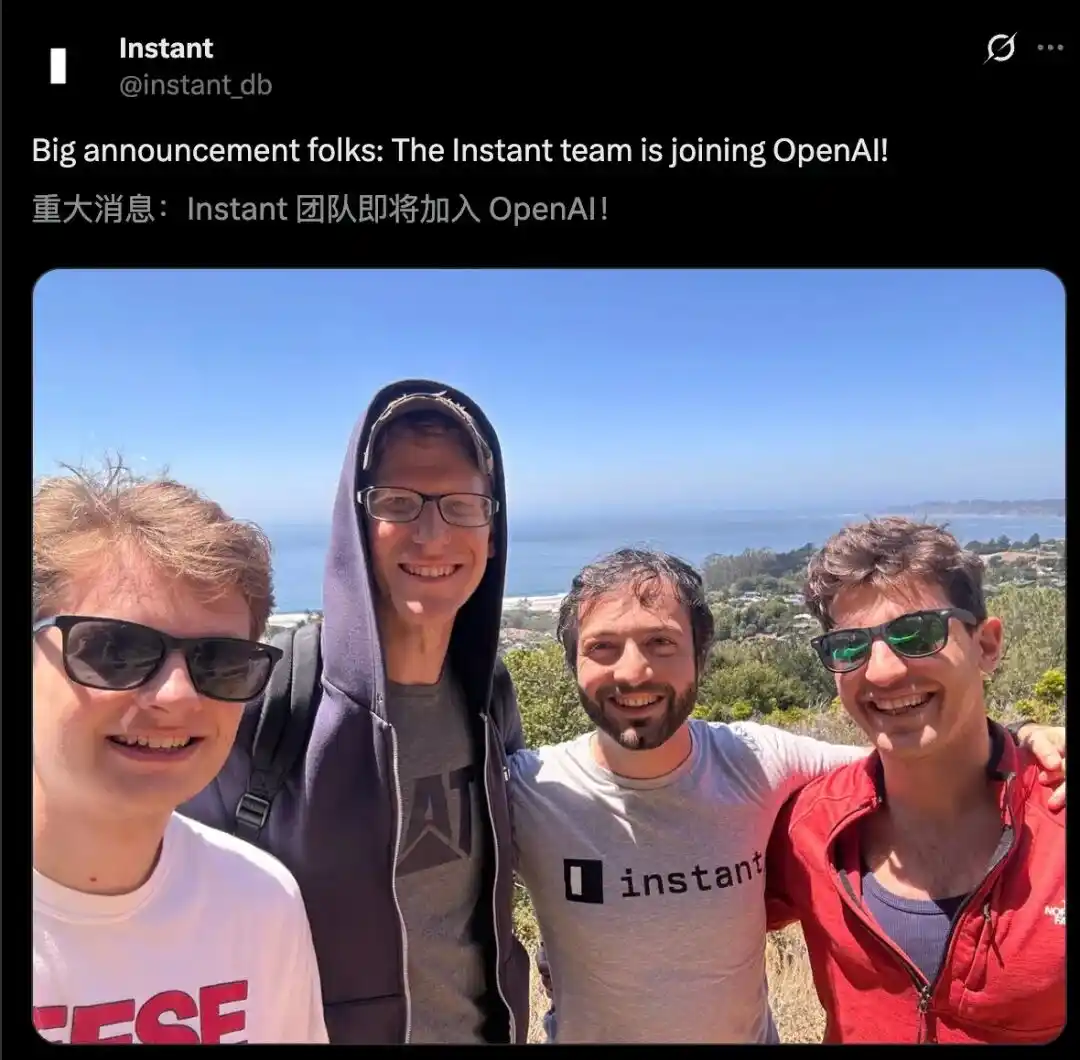
Approximately a week ago, Instant had just released version 1.0, with its cloud hosting service continuing to run until August 31st. Tens of thousands of customers bid farewell to this platform with tears.
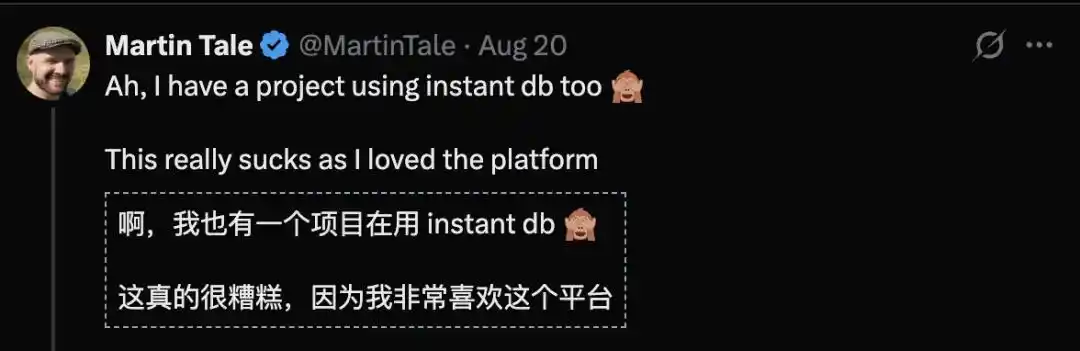
But for OpenAI, the strategic intent of this acquisition is very clear: to equip Agents with a "Memory Layer".

OpenAI Continues Betting on Agent Infrastructure

This acquisition, seemingly sudden, actually had its seeds sown two years ago.

In 2024, the Instant team announced the completion of a $3.4 million seed funding round. The investor lineup was star-studded, a true "battle of the titans":

Investors included Y Combinator and SV Angel, as well as several renowned angel investors, such as former Firebase CEO James Tamplin, YC co-founder and former president Paul Graham (often called the "West Point of Silicon Valley"), OpenAI co-founder and president Greg Brockman, and former Google Chief Scientist Jeff Dean.
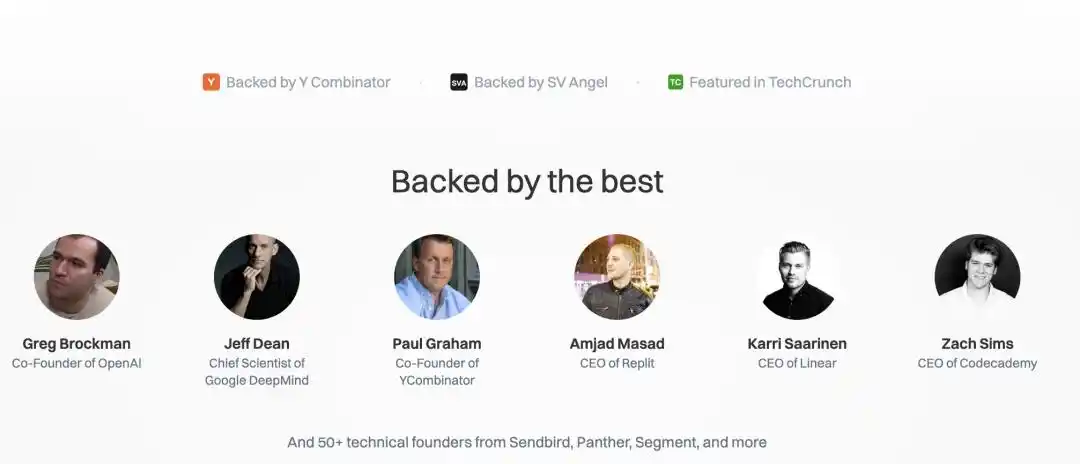
At that time, while the world was still celebrating every minor update to GPT-4, OpenAI's co-founder Greg Brockman was already betting on AI infrastructure.

To understand why OpenAI was so enamored with Instant, we first need to understand what Instant actually does.

To summarize in one sentence: Instant is the ultimate tool for building backend infrastructure for AI Agents—database, authentication, real-time sync, offline cache, all-in-one.
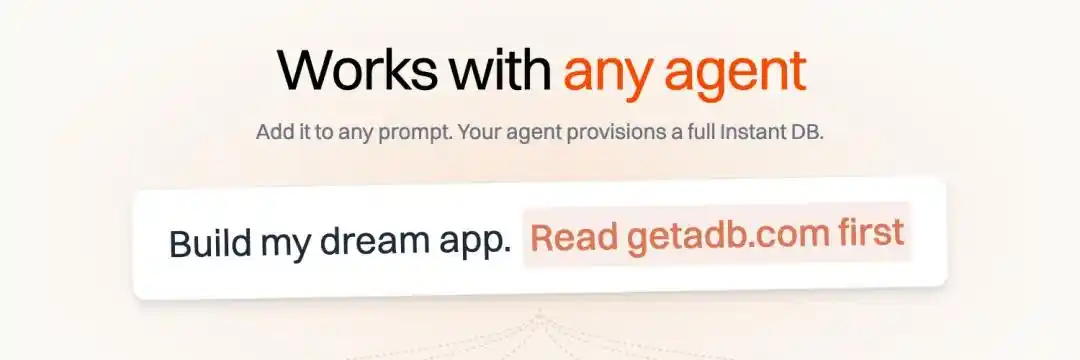
In hardcore developer circles, people gave it a more resounding and straightforward name: "Firebase for the AI Era."

Back in the day, Google acquiring Firebase directly monopolized the backend for countless mobile apps, allowing front-end engineers to handle complex database read/writes and real-time sync with just a few lines of code.

Today, Instant is doing exactly the same thing in the AI era, but this time, the primary user has shifted from "human users" to "AI Agents".

In the field of AI coding, Instant has an impressive "report card":

GitHub Stars: Just surged past the 10,000-star milestone;

Developer Scale: Official data shows it has served over 17,000 registered developers globally;

Application Count: Over 400,000 apps built on its platform;

Transaction Volume: A staggering cumulative total of 25 billion transactions processed.
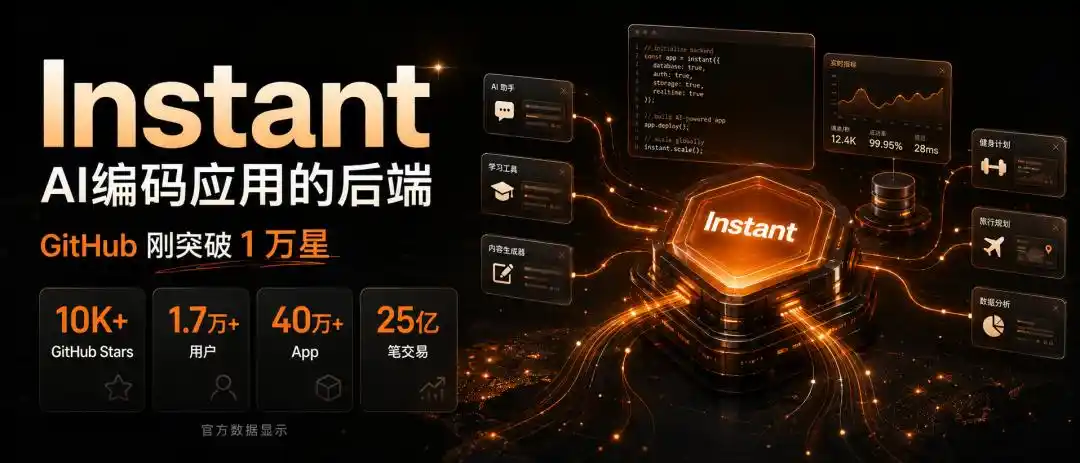
This is an industrial-grade infrastructure already battle-tested in high-concurrency, high-load production environments.

Instant Exposes the Fatal Flaw of AI Agent "Amnesia"

OpenAI itself has the world's smartest AI models, couldn't they just code a database? Why go to the expense of acquiring Instant?

This hides a fatal pain point in the current stage of AI Agent development: persistent state management and real-time data consistency.

Simply put: Current AI suffers from severe "amnesia" and "concurrency syndrome."

Right now, the capabilities of AI Agents are expanding at an incredible rate.

They are taking over your calendar, automatically coordinating meeting times with dozens of partners.

They are even automatically reading GitHub Issues, writing code themselves, submitting PRs themselves, and fixing bugs themselves.

Platforms like EinsteinArena enable multiple Agents to collaborate and compete on public problem sets. As of mid-2026, Agents have discovered at least 12 SOTA results surpassing humans or previous AI, such as improving the lower bound of the 11-dimensional kissing number from 593 to 604.
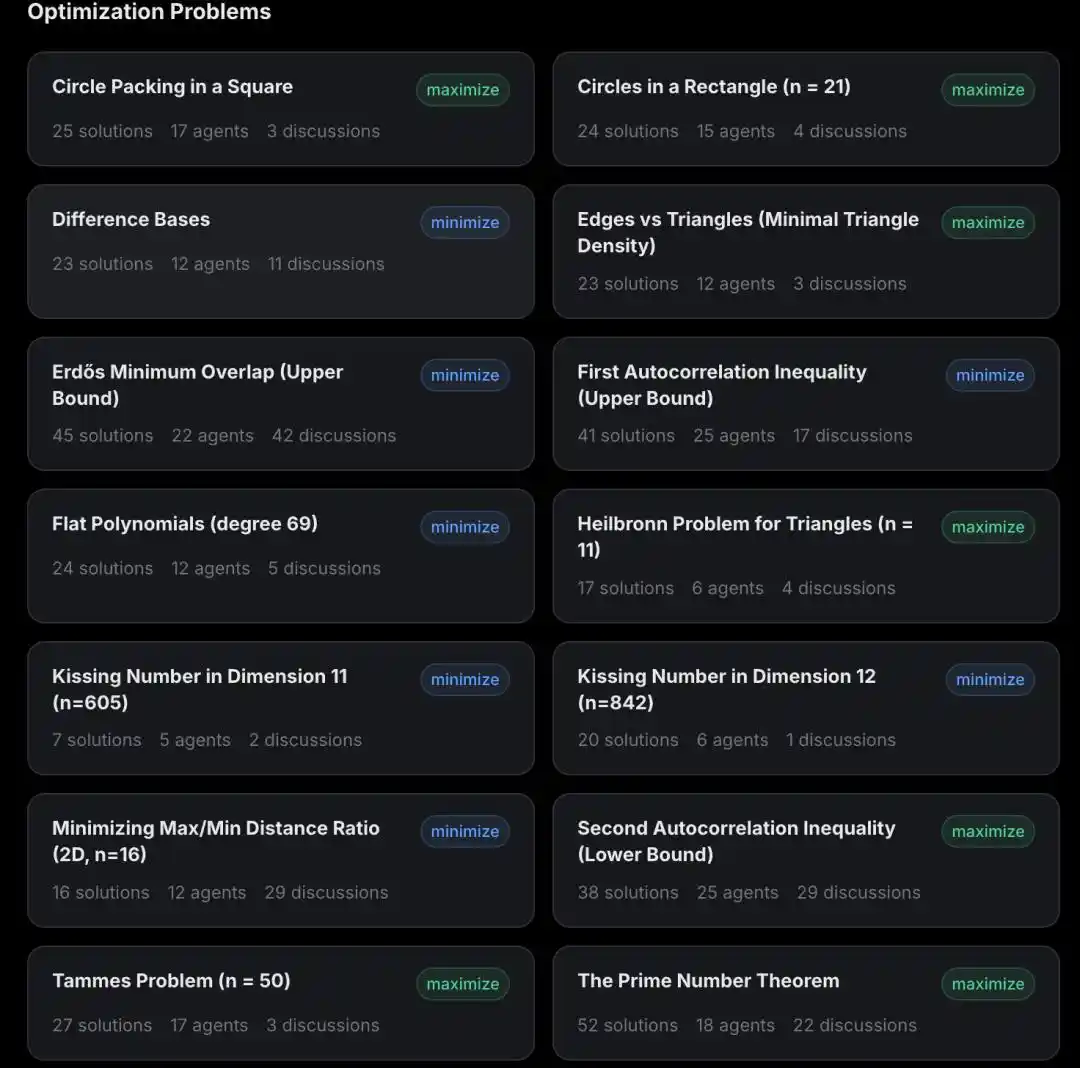
But when developers push Agents into production, they hit a data wall.

For example: Your Agent wants to schedule a 3 PM meeting, your boss's Agent forcefully inserts another event, and you simultaneously change the 3 PM slot to "Rest".

Three operations, the same piece of data, the same millisecond. The backend can't handle it, the system crashes outright, or data gets corrupted, the schedule is ruined.

No matter how high the IQ of a large model, it can't solve the underlying read/write conflicts of data. This is a pure engineering problem.

A truly production-ready Agent must possess robust "memory" and "multi-threaded collaboration" capabilities.

It must be able to read/write data in real-time, handle massive concurrent operations, cache data offline or during disconnection, and the moment the network is restored, perfectly resolve merge conflicts with extremely complex algorithms (like CRDT).

And this, is precisely the "dirty, hard work" the Instant team has been grinding away at for the past four years.

They encapsulated the deeply challenging backend problems of real-time sync, conflict resolution, and offline-first into "out-of-the-box" SDKs.

Now, any developer only needs to add a few lines of code to give their AI Agent flawless persistent memory and real-time collaboration capabilities.
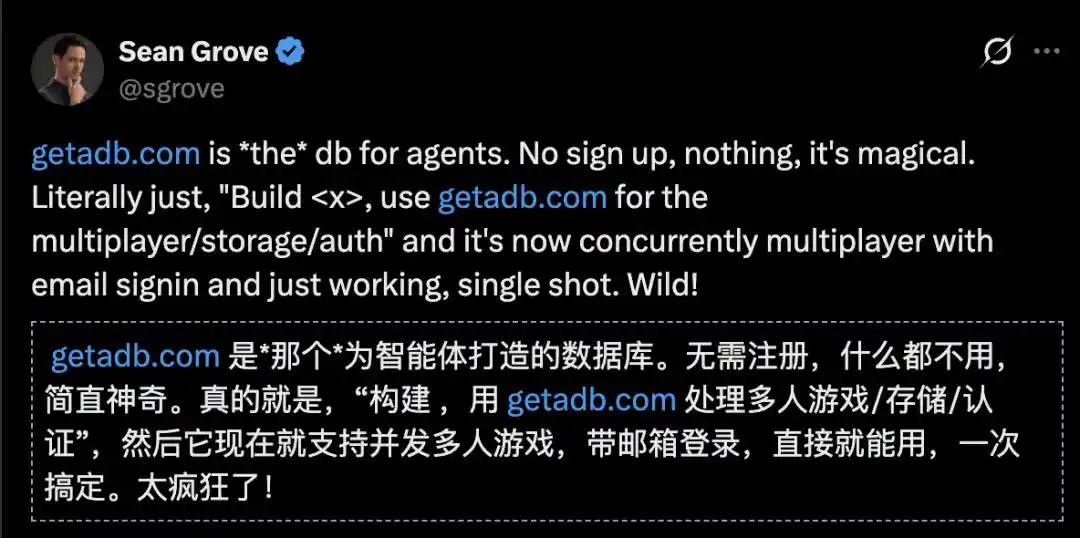
For OpenAI, this is all about equipping Agents with the most critical "Memory Layer" and "State Layer".

Whether it's Codex for handling code, the various native Agents of the GPT series, or future "long-horizon AI workflows" that run autonomously without interruption, they all need a rock-solid backend to persist their state.
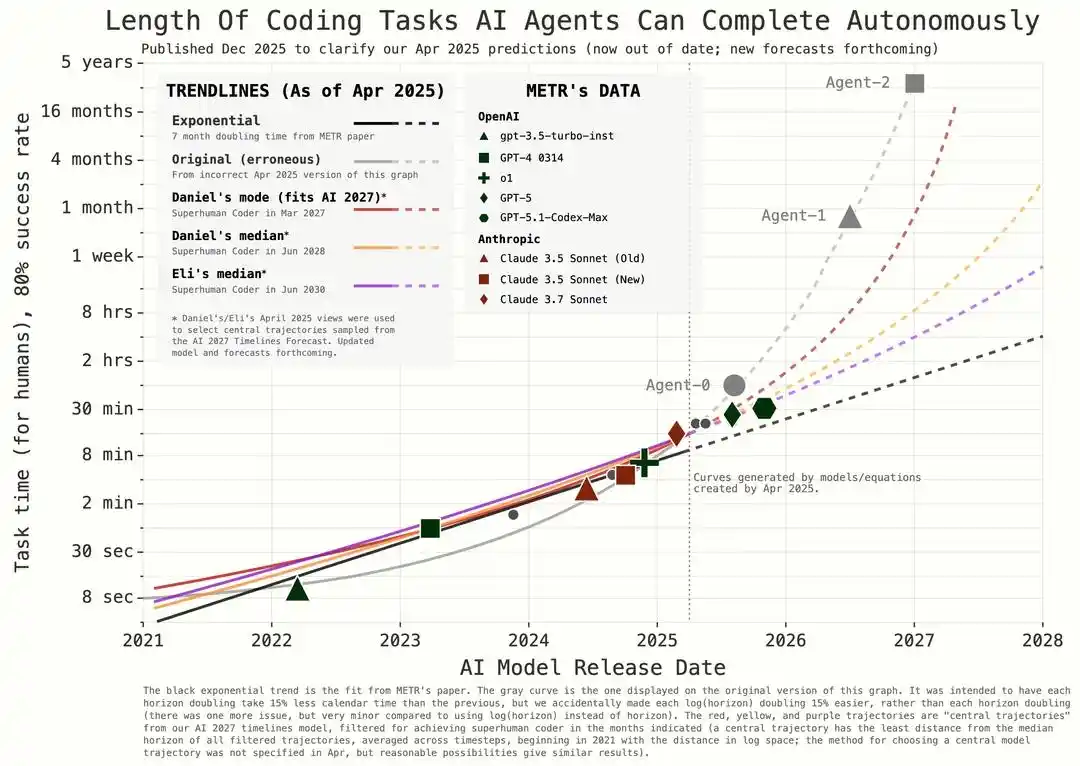
OpenAI is buying the final piece of the puzzle for Agents to truly move towards "full autonomous operation".

The Story of Instant

The story of Instant began in 2021.

According to the official farewell letter, in 2021, the founding team shared a concept about "running a database in the browser" on their blog.

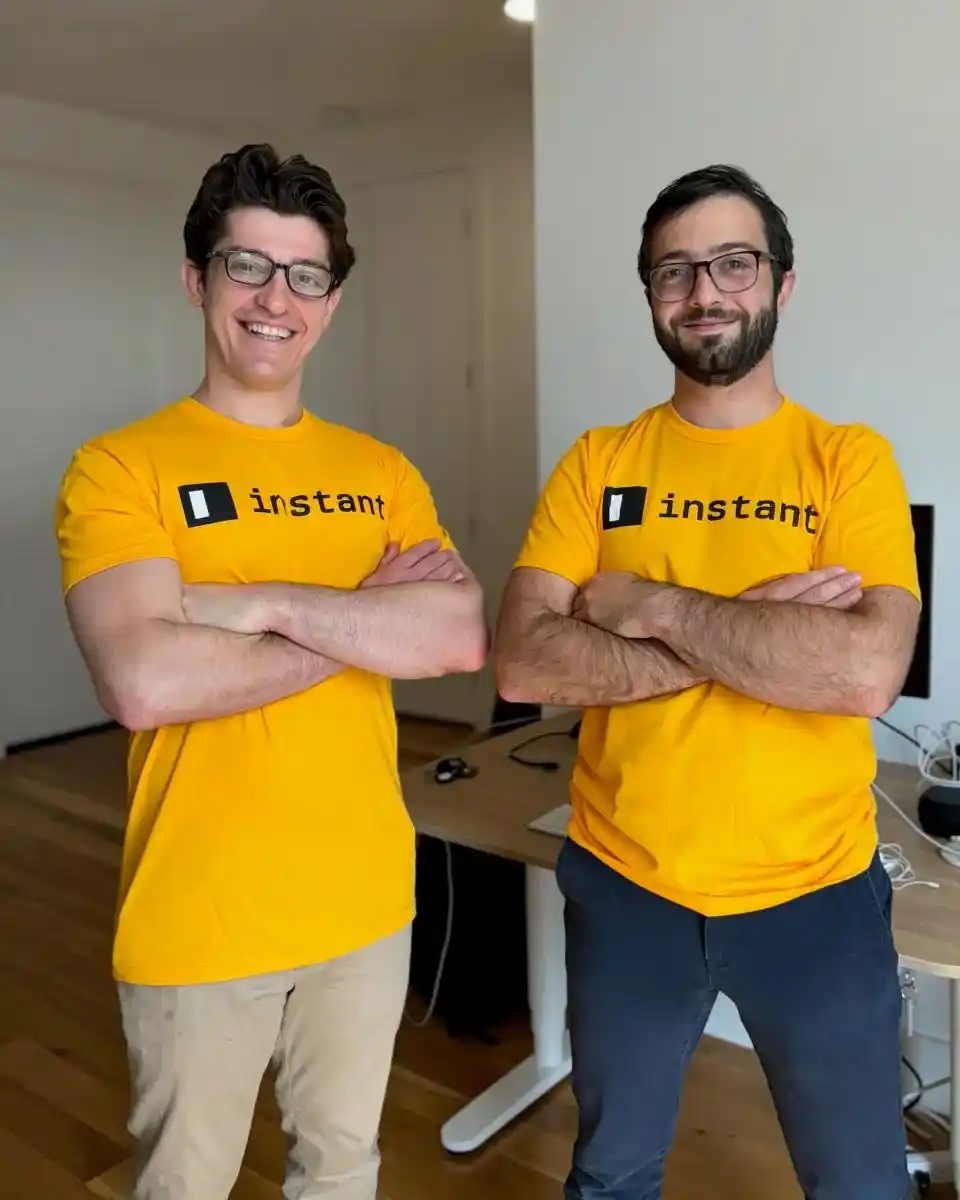
Instant's two core founders, Joe Averbukh and Stepan Parunashvili, were both senior/staff engineers at Facebook and Airbnb.
During their tenure at Facebook, they witnessed firsthand how a "Graph-based Database" supporting complex permission expressions enabled thousands of engineers to maintain terrifying development speed within an extremely complex system.

"Why can't we bring this experience to developers worldwide?"

Carrying this geek fantasy, they founded Instant.

Their goal was extraordinarily ambitious: to build the "graph database successor to Firebase". Keep Firebase's addictive out-of-the-box experience, but replace the underlying layer with a more powerful relational structure (based on AWS Aurora), and natively support "Local-first" and "real-time collaboration".
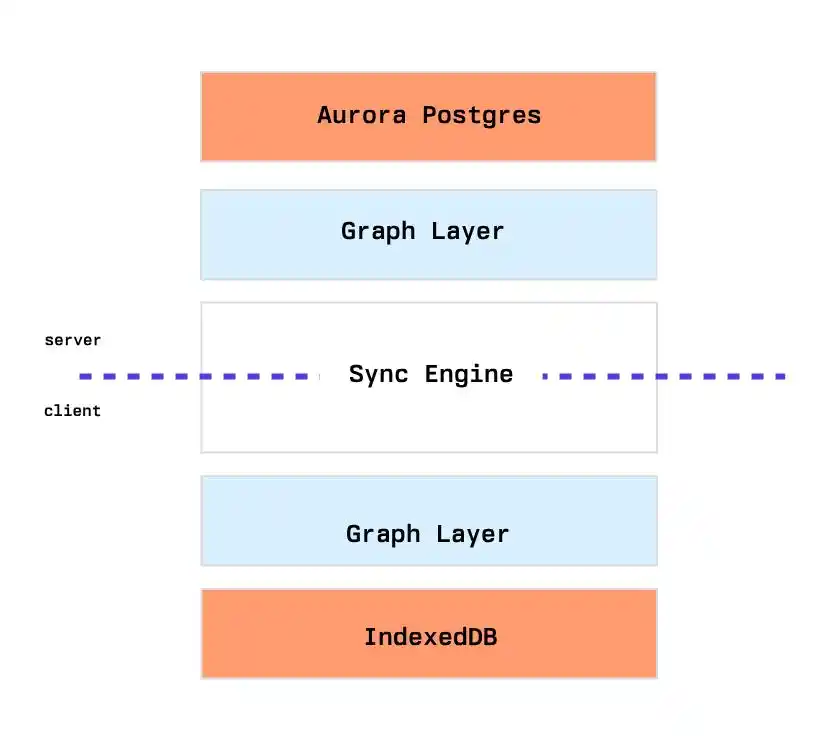
Initially, it was just a pure idea, but as they developed more and more apps themselves, they deeply felt: managing state, handling synchronization, resolving data conflicts—these were collective nightmares for developers.

So, in 2022, they entered the top incubator Y Combinator (YC S22), built the first prototype, and released "Version 0".

"Turning a prototype into a production-grade product was a long journey."

Instant wrote this in its official letter. This journey, though arduous, was filled with the unique romance and passion of geeks.

Later, to solve technical problems, top talents joined one after another: Daniel Woelfel joined the team very early, doggedly tackling and solving the most challenging conflict issues in synchronization technology; when the TypeScript SDK needed to become truly ergonomic and "feel good to use" for developers, Drew Harris joined the team and accomplished this feat.
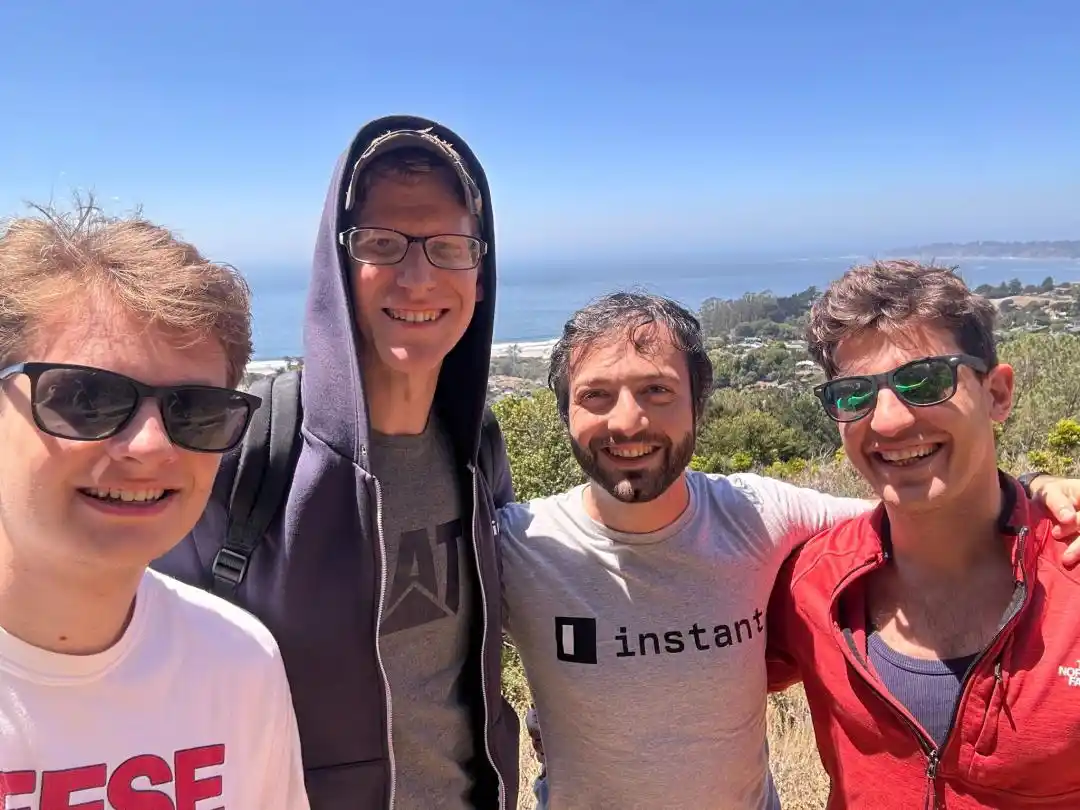
(From right to left: Joe Averbukh, Stepan Parunashvili, Daniel Woelfel, Drew Harris)

Open-source contributors from the community like Mark Shlick, Nikita Prokopov, Alex Reichert, etc., added more fuel to the fire, raising it higher.

The 2026 Shopping Spree!

OpenAI's "Dragon-Slaying Saber" and "Grand Strategy"

If you broaden your perspective and look beyond the single case of Instant, you will find: In 2026, OpenAI has already embarked on a frenzied "shopping spree" mode.

The data doesn't lie. So far in 2026, OpenAI's M&A (Mergers and Acquisitions) transaction count is already close to the total for all of last year.

Let's see what's on OpenAI's recent shopping list:
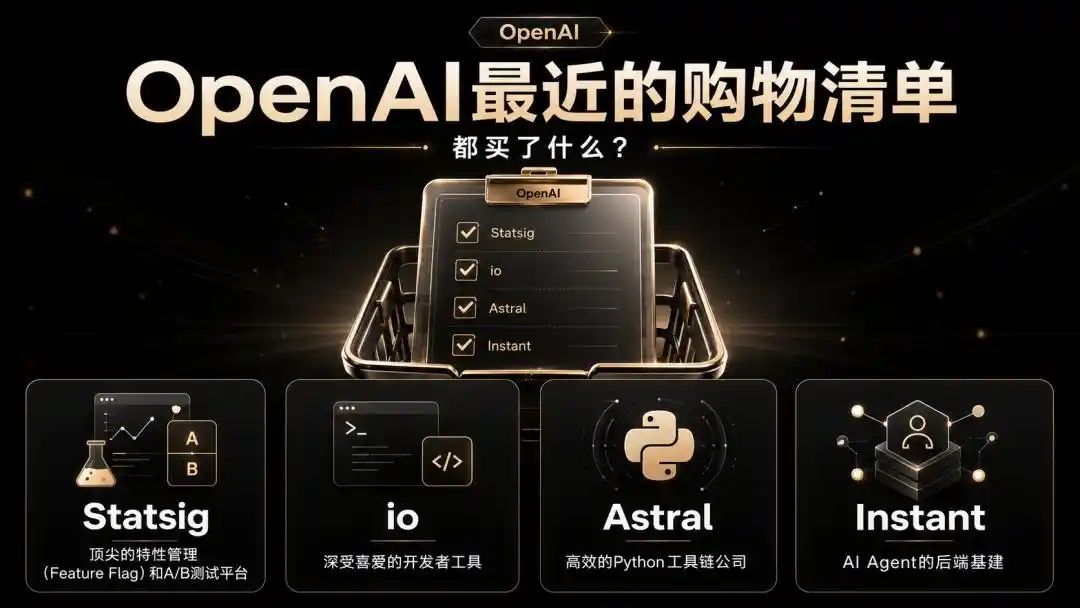
What OpenAI bought, none of them are companies building AI models, but several are companies building developer infrastructure!

This is a clear signal: OpenAI is completing an epic transformation—from a "model-making company" to a "platform-making company".

Sam Altman understands better than anyone: Selling just an engine won't build an empire. Only by controlling the chassis, transmission, control system, and even the entire highway can you establish true hegemony.

Now, OpenAI is buying back these pieces of "infrastructure", one by one, and putting them together.

Imagine a future scenario: When a developer wants to build an AI application, they open OpenAI Cloud, not only can they call the most powerful large models, but they can also instantly generate an Agent database using Instant's capabilities, launch A/B testing with one click using Statsig's capabilities, and deploy with one click using Astral's toolchain.

This is the "Apple Ecosystem" of the AI era! This will be OpenAI's greatest moat.

References:

https://www.getadb.com/

https://x.com/instant_db/status/2091016138100740394?s=20

This article is from the WeChat public account "Xinzhiyuan" (New Zhiyuan), author: ASI Apocalypse, Editor: David


Трендовые криптовалюты

Связанные с этим вопросы

QWhy did OpenAI acquire the startup Instant and its entire team?

AOpenAI acquired Instant to provide a robust 'memory layer' and 'state layer' for its AI Agents, addressing critical challenges in persistent state management and real-time data consistency that are essential for agents to operate autonomously and collaboratively in production environments.

QWhat was Instant's primary product and why was it significant for developers?

AInstant provided backend infrastructure for AI Agents, described as 'Firebase for the AI era.' It offered an all-in-one solution for database, authentication, real-time sync, and offline caching, allowing developers to easily give their agents powerful, production-ready persistence and collaboration capabilities with just a few lines of code.

QWhat is the core technical problem that Instant's technology solves for AI Agents?

AInstant solves the problems of 'amnesia' and 'concurrency syndrome' in AI Agents. It provides a robust backend to handle real-time data reads/writes, manage massive concurrent operations, perform offline caching, and resolve merge conflicts using sophisticated algorithms like CRDTs, which are pure engineering challenges beyond the capabilities of large language models alone.

QHow does the Instant acquisition fit into OpenAI's broader strategic shift in 2026?

AThe Instant acquisition is part of OpenAI's strategic shift from being solely a 'model company' to a 'platform company.' By acquiring key developer infrastructure firms like Instant, Statsig, and Astral, OpenAI is building an integrated ecosystem (like an 'Apple ecosystem for AI') where developers can access models, databases, testing tools, and deployment toolchains all within the OpenAI Cloud, creating a powerful moat.

QWhat was the background of Instant's founding team and what inspired the company's creation?

AInstant was founded by Joe Averbukh and Stepan Parunashvili, former senior/principal engineers at Facebook and Airbnb. Inspired by their experience with Facebook's powerful, developer-friendly Graph-based Database, they aimed to create a 'Firebase successor' with a graph database, local-first architecture, and real-time collaboration to solve the universal developer nightmare of managing state, synchronization, and data conflicts.

Похожее

Deel и Mesh запустили безопасные выплаты зарплат в стейблкоинах

Компании Deel и Mesh объявили о партнерстве для организации безопасных международных выплат заработной платы в стейблкоинах. Deel, будучи глобальной HR-платформой, интегрируется с платежной инфраструктурой Mesh для цифровых активов. Это позволит упростить и обезопасить процесс расчетов с сотрудниками по всему миру, которые выбирают получение зарплаты в криптовалюте. Ключевым преимуществом интеграции является снижение рисков ошибок при переводе средств, таких как отправка на неверный адрес кошелька или через неподходящую блокчейн-сеть. Mesh обеспечивает проверку принадлежности счетов в более чем 300 криптокошельках и на биржах, что позволяет Deel осуществлять выплаты напрямую на подтвержденные счета без ручного ввода данных. Партнерство соответствует растущему спросу на выплаты в цифровых активах и является частью стратегии Mesh по развитию платежной инфраструктуры. Компания также анонсировала программу Mesh Alliance для совместимости корпоративных платежных систем, кошелек Mesh для операций со стейблкоинами с ИИ-агентами, а также сотрудничество с Paxos Global Dollar Network, AMINA Bank и Rain.

cryptonews.ru1 ч. назад

Deel и Mesh запустили безопасные выплаты зарплат в стейблкоинах

cryptonews.ru1 ч. назад

AIF и Digital Asset запустят пилотную программу RISE на Canton

Американский фонд идей (AIF) и компания Digital Asset объявили о партнерстве для запуска пилотной программы RISE (Ресурсы для независимости, стабильности и занятости) в ряде штатов США. Программа направлена на упрощение получения государственных пособий, объединяя различные виды социальной помощи в единую систему с гибкими выплатами, размер которых может автоматически корректироваться в зависимости от дохода семьи. Технологической основой проекта станет блокчейн-сеть Canton от Digital Asset, которая обеспечит инфраструктуру для операций, управления доступом, настройки условий и контроля распределения средств. Система также будет включать проверку личности, защиту от мошенничества и мобильный доступ. В ходе пилотных проектов будет оцениваться влияние RISE на ключевые показатели благосостояния семей, такие как занятость, доходы и стабильность жилья. Результаты позволят определить дальнейшие пути развития и масштабирования программы.

cryptonews.ru1 ч. назад

AIF и Digital Asset запустят пилотную программу RISE на Canton

cryptonews.ru1 ч. назад

PeaqOS и World ID внедряют доказательства ZK в автономных роботах

Интеграция PeaqOS и World ID позволяет автономным машинам, таким как роботы-доставщики и общие устройства, проверять, что они взаимодействуют с реальным уникальным человеком, не собирая личных данных. Система использует доказательства с нулевым разглашением (ZK): пользователь подтверждает свою человечность через World ID, а устройство через PeaqOS получает криптографическое доказательство этого факта, не раскрывая идентифицирующей информации. Это решает проблему проверки подлинности пользователей без PIN-кодов, паролей или документов. Например, при доставке лекарств пациент верифицируется через приложение, фармацевт подтверждает загрузку, а робот при выдаче удостоверяется, что получатель — тот же человек. Система также поддерживает проверку уникальности для правил вроде «один товар на человека». Интеграция уже доступна для устройств на PeaqOS через robotic.sh, позволяя роботам безопасно взаимодействовать с людьми при минимальном сборе данных.

cryptonews.ru1 ч. назад

PeaqOS и World ID внедряют доказательства ZK в автономных роботах

cryptonews.ru1 ч. назад

Bitmine 14 месяцев подряд сохраняет темп покупок эфира после его роста выше $2500 тыс.

Компания Bitmine Immersion Technologies продолжает свою стратегию накопления эфира (ETH) уже 14 месяцев подряд, начиная с июня 2025 года. На прошлой неделе она приобрела ещё 32 447 ETH, доведя общий объём своих активов до 5,85 млн ETH, что составляет около 4,8% от циркулирующего предложения Ethereum. Компания почти достигла своей цели — владеть 5% предложения ETH, и около 87% своих активов (5,07 млн ETH) разместила в стейкинге. Покупки Bitmine совпали с резким ростом рынка, вызванным заявлением Министерства финансов США об увеличении ежемесячных закупок долгосрочных казначейских облигаций. С момента этого объявления цена ETH выросла более чем на 32%, превысив уровень в $2 500 впервые с января. Это восстановление существенно сократило нереализованные убытки компании от более ранних покупок во время спада — с более чем $8,4 млрд до менее чем $5 млрд. Акции Bitmine на NYSE выросли примерно на 8,7% в начале недели.

cryptonews.ru1 ч. назад

Bitmine 14 месяцев подряд сохраняет темп покупок эфира после его роста выше $2500 тыс.

cryptonews.ru1 ч. назад

Крупный публичный держатель Dogecoin продал все запасы мемкоина

Компания CleanCore Solutions полностью распродала свой крупный резерв Dogecoin (DOGE). Согласно отчету, поданному в SEC, 20 июля 2026 года было продано около 463 миллионов монет на общую сумму примерно 33,4 миллиона долларов США. Вырученные средства, вместе с другими инвестициями, будут направлены на финансирование проекта в области искусственного интеллекта — строительство дата-центра в Миннесоте на сумму 140 миллионов долларов. CleanCore начала стратегию накопления Dogecoin в сентябре 2025 года, проведя частное размещение акций для формирования криптовалютного резерва. На пике в октябре 2025 года на балансе компании находилось 710 миллионов DOGE стоимостью около 147,8 миллиона долларов, что делало её крупнейшим корпоративным держателем мемкоина. В начале марта 2026 года компания расторгла все соглашения об управлении цифровыми активами. В настоящее время Dogecoin занимает десятое место по рыночной капитализации (около 15,6 миллиарда долларов). На момент публикации цена DOGE составляет около 0,09 доллара, что на 88% ниже исторического максимума мая 2021 года (0,73 доллара).

cryptonews.ru1 ч. назад

Крупный публичный держатель Dogecoin продал все запасы мемкоина

cryptonews.ru1 ч. назад

Торговля

Спот

Популярные статьи

Как купить ERA

Добро пожаловать на HTX.com! Мы сделали приобретение Caldera (ERA) простым и удобным. Следуйте нашему пошаговому руководству и отправляйтесь в свое крипто-путешествие.Шаг 1: Создайте аккаунт на HTXИспользуйте свой адрес электронной почты или номер телефона, чтобы зарегистрироваться и бесплатно создать аккаунт на HTX. Пройдите удобную регистрацию и откройте для себя весь функционал.Создать аккаунтШаг 2: Перейдите в Купить криптовалюту и выберите свой способ оплатыКредитная/Дебетовая Карта: Используйте свою карту Visa или Mastercard для мгновенной покупки Caldera (ERA).Баланс: Используйте средства с баланса вашего аккаунта HTX для простой торговли.Третьи Лица: Мы добавили популярные способы оплаты, такие как Google Pay и Apple Pay, для повышения удобства.P2P: Торгуйте напрямую с другими пользователями на HTX.Внебиржевая Торговля (OTC): Мы предлагаем индивидуальные услуги и конкурентоспособные обменные курсы для трейдеров.Шаг 3: Хранение Caldera (ERA)После приобретения вами Caldera (ERA) храните их в своем аккаунте на HTX. В качестве альтернативы вы можете отправить их куда-либо с помощью перевода в блокчейне или использовать для торговли с другими криптовалютами.Шаг 4: Торговля Caldera (ERA)С легкостью торгуйте Caldera (ERA) на спотовом рынке HTX. Просто зайдите в свой аккаунт, выберите торговую пару, совершайте сделки и следите за ними в режиме реального времени. Мы предлагаем удобный интерфейс как для начинающих, так и для опытных трейдеров.

1.0k просмотров всегоОпубликовано 2025.07.17Обновлено 2026.06.02

Как купить ERA

Обсуждения

Добро пожаловать в Сообщество HTX. Здесь вы сможете быть в курсе последних новостей о развитии платформы и получить доступ к профессиональной аналитической информации о рынке. Мнения пользователей о цене на ERA (ERA) представлены ниже.

活动图片