From Theft to Re-entry: How Was $292 Million "Laundered"?

marsbitОпубликовано 2026-04-26Обновлено 2026-04-26

Введение

A sophisticated crypto laundering operation was executed following the $292 million hack of Kelp DAO on April 18. The attack, attributed to the North Korean Lazarus group, began with anonymous infrastructure preparation using Tornado Cash to fund wallets untraceably. The hacker exploited a vulnerability in Kelp’s cross-chain bridge, stealing 116,500 rsETH. To avoid crashing the market, the attacker used Aave and Compound as laundering tools—depositing the stolen rsETH as collateral to borrow $190 million in clean, liquid ETH. This move triggered a bank run on Aave, causing an $8 billion drop in TVL. After consolidating funds, the attacker fragmented them across hundreds of wallets to evade detection. A major breakpoint was THORChain, where over $460 million in volume—30 times its usual activity—was processed in 24 hours, converting ETH into Bitcoin. This shift to Bitcoin’s UTXO model exponentially increased tracing complexity by shattering funds into countless untraceable fragments. The final destination was Tron-based USDT, the primary channel for illicit crypto flows. From there, funds were cashed out via OTC brokers in China and Southeast Asia, using unlicensed underground banks and UnionPay networks outside Western sanctions scope. Ultimately, the laundered money supports North Korea’s weapons programs, which rely heavily on crypto hacking for foreign currency. The incident underscores structural challenges in DeFi: its openness, composability, and lack of central c...

Editor's Note: On April 18, Kelp DAO was attacked, with approximately $292 million in assets stolen. So, in a completely transparent on-chain system, how exactly was this money step-by-step "cleaned" to become liquid assets?

This article uses this incident as a starting point to dissect a highly industrialized path for crypto money laundering: from the preparation of anonymous infrastructure before the attack, to using Tornado Cash to sever on-chain links; from leveraging Aave and Compound to mortgage "toxic assets" and exchange them for clean liquidity, to using THORChain, cross-chain bridges, and the UTXO structure to exponentially increase tracking difficulty, ultimately funneling into the USDT system on Tron and being converted into cash in the real world via over-the-counter (OTC) networks.

Throughout this process, there were no complex black-box operations; almost every step was "playing by the rules." Precisely because of this, what this path reveals is not a single vulnerability, but the structural tension within the DeFi system under its openness, composability, and uncensorability—when the protocol design itself permits these operations, so-called "fund recovery" is no longer a technical problem but a systemic boundary issue.

The Kelp DAO incident is therefore not just a security breach; it's more like a stress test of the crypto world's operating logic: it shows how hackers turn your money into their money, and it also shows why this system, in principle, struggles to prevent this process from happening.

As you know, on April 18, a North Korean hacker stole $292 million from Kelp DAO. Five days later, over half of it had vanished, fragmented across thousands of wallets, exchanged through unstoppable protocols, and ultimately funneled to a very specific destination.
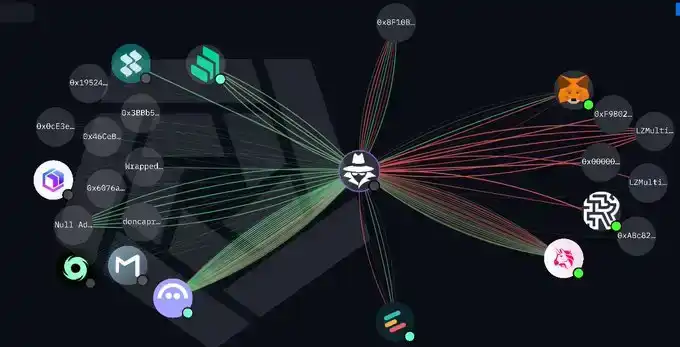
The interesting part is: how to turn $292 million of documented stolen crypto assets, with no one able to stop it, into cash in Pyongyang's pockets.

The purpose of this article is to reveal why the modern crypto money laundering pipeline works, why it is structurally unstoppable, and what each laundered dollar ultimately buys.

Phase 1: Setup (Hours Before the Attack)

The attacker did not start with the direct theft. The Lazarus Group's playbook always begins with infrastructure preparation.

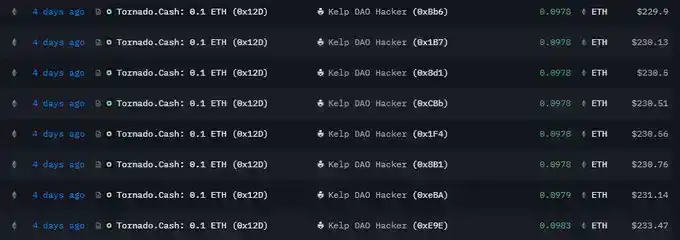
Approximately 10 hours before the attack, 8 brand new wallets were pre-funded via Tornado Cash—a mixer that severs the link between the source and destination of funds.

Each wallet received 0.1 ETH, used to pay for the Gas fees of all subsequent operations. Since these wallets' funds came from a mixer, they had no exchange KYC records, no historical transaction traces, and could not be linked to any known entity. Clean slates.
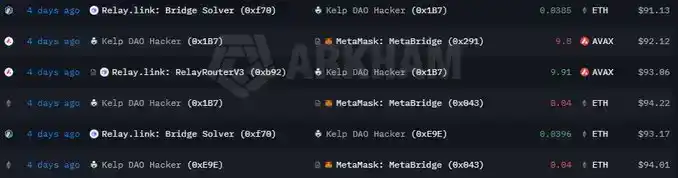
On the eve of the attack, the attacker initiated 3 cross-chain transfers from Ethereum mainnet to Avalanche and Arbitrum—clearly aiming to pre-fund Gas on these two L2s and test the bridge operations, ensuring smooth large transfers.
Phase 2: Theft

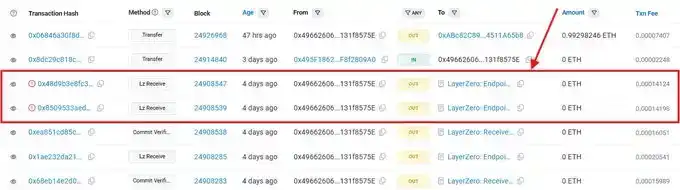
An independent attack initiation wallet (0x4966...575e) called a function named lzReceive on the LayerZero EndpointV2 contract. As the validator had been successfully deceived, this call was treated as a legitimate cross-chain message. Kelp's bridge contract, Kelp DAO: RSETH_OFTAdapter (Etherscan address: 0x85d...), subsequently released 116,500 rsETH to 0x8B1.
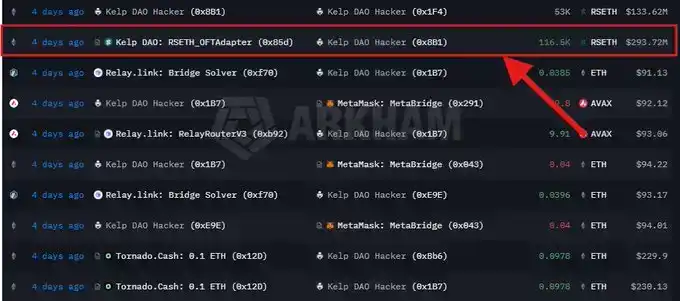
18% of the total circulating rsETH. Gone in one function call.

46 minutes later, at 18:21 UTC, Kelp's emergency multi-signature wallet paused the protocol. At 18:26 and 18:28 UTC, the attacker attempted two more operations in exactly the same way, each trying to steal about 40,000 rsETH (approx. $100 million each). Both were rolled back due to Kelp's timely shutdown. Had this not happened, the total theft could have approached $500 million.
Phase 3: Aave + Compound Operations

rsETH is a receipt token; once Kelp paused the bridge or blacklisted the stolen tokens, its value would immediately drop to zero. The attacker had only minutes to convert it into assets that could not be frozen. Kelp paused 46 minutes after the theft—it was already too late.

Selling $292 million of illiquid restaking tokens on the open market would crash the price by over 30% in minutes. So he did not choose to sell, but instead used DeFi lending protocols as money laundering tools for a quick exit.

The receiving wallet 0x8B1 dispersed the 116,500 stolen rsETH to 7 other branch wallets. Each branch then entered Aave and Compound V3, deposited a portion of the rsETH as collateral, and borrowed ETH.
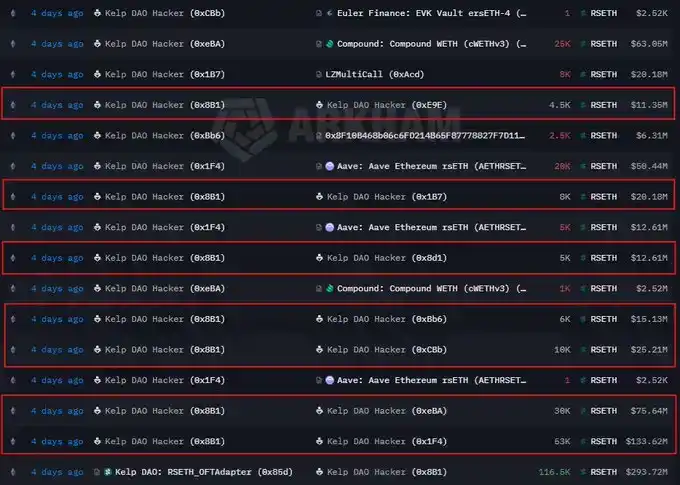
The cumulative positions of the 7 branches were as follows:

· Deposited Collateral: 89,567 rsETH

· Borrowed: approx. 82,650 WETH + 821 wstETH, totaling approx. $190 million in clean, liquid Ethereum assets

· The health factor for each branch was set between 1.01 and 1.03—the absolute upper limit allowed by the protocol before liquidation
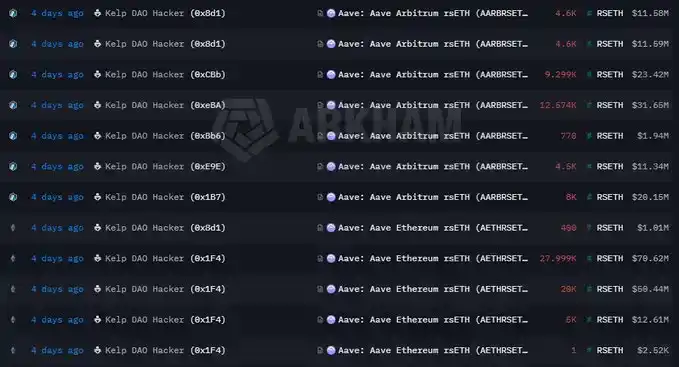
The attacker exchanged this batch of $292 million worth of marked and nearly unsellable rsETH for $190 million worth of ETH. When this rsETH was eventually marked as nearly worthless (because Kelp's bridge became insolvent and unredeemable), the lending protocol's depositors bore the loss.

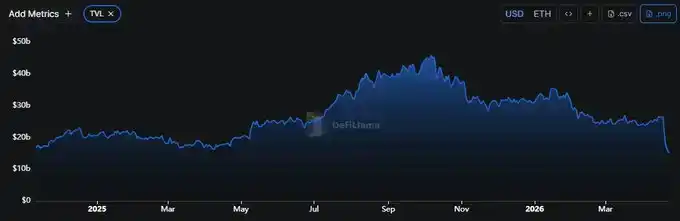
As the market realized Aave was holding over $200 million in bad debt, users panicked and withdrew funds. Aave lost $8 billion in TVL (Total Value Locked) within 48 hours. The largest DeFi lending protocol experienced its first true bank run—triggered by an attacker using it exactly as designed.
Phase 4: Fund Consolidation and Splitting

After completing the Aave/Compound borrowing, the 7 branches pushed the borrowed ETH to a third-layer consolidation wallet (0x5d3).
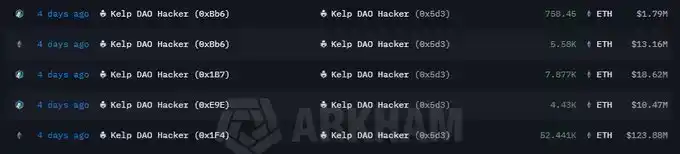
The operational cluster now showed a clear three-tier structure:

1. Receipt: 0x8B1 (also funded via Tornado Cash), received the original theft of 116,500 rsETH

2. Operations: 7 branch wallets funded via Tornado Cash, executed Aave/Compound operations

3. Consolidation: 0x5d3 re-aggregated the borrowed funds, approx. 71,000 ETH, unifying them for the laundering process

The funds were then distributed across two chains:

· 75,700 ETH remained on Ethereum Mainnet

· 30,766 ETH on Arbitrum (approx. $71 million)

The Arbitrum Security Council voted to freeze these assets on Arbitrum, moving the $71 million to a governance-controlled wallet that could only be unlocked by subsequent governance decisions.
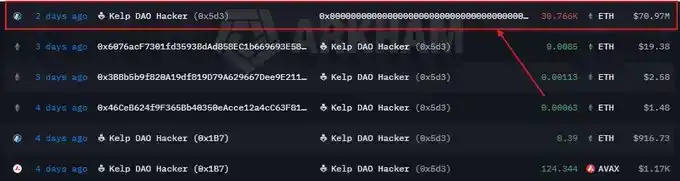
Shortly after the freeze, the hacker moved the remaining ETH on Mainnet and accelerated the laundering process. These actions suggested he clearly did not anticipate Arbitrum taking such action.

Phase 5: First Wave of Laundering

Four days after the attack, 0x5d3 began to empty. Arkham tracked 3 independent transfers within hours.

The timing was deliberately chosen: Tuesday during European trading hours. US investigators were still resting, European compliance departments were dealing with Monday's backlog, and Asian exchanges were nearing close.

Then, the transfer pattern began to explode. Every first-wave destination immediately fragmented further: 0x62c7 pushed to about 60 newly generated wallets, 0xD4B8 pushed to another ~60. Within hours, the neat cluster of 10 wallets expanded to over 100 disposable addresses, all funded in parallel, each holding amounts small enough to evade detection.
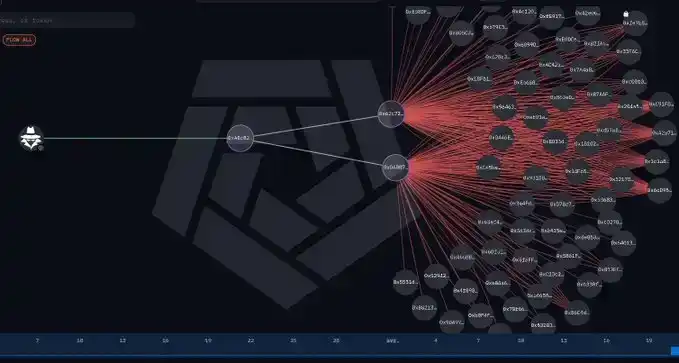
Lazarus runs HD wallet scripts—a single seed phrase can mathematically derive thousands of new addresses in seconds,配合 a worker pool (Python + web3, ethers.js, or their own internal tools) to sign and broadcast the entire address tree in parallel. They have been iterating on this code since 2018.

By the end of this phase, the linearly traceable chain had disappeared. The operational cluster of 10 wallets exploded into over 100 fragmented wallets, with funds entering privacy channels simultaneously from dozens of independent entry points.

Phase 6: THORChain – The Escape Machine

The real breakpoint happened at THORChain.

THORChain is a decentralized protocol supporting cross-chain native asset swaps. You send ETH on Ethereum, it gives you BTC on the Bitcoin network.

On April 22 alone, THORChain's 24-hour swap volume reached $460 million. The protocol's normal daily volume is around $15 million. This single hack accounted for 30 times the protocol's normal usage in one day.
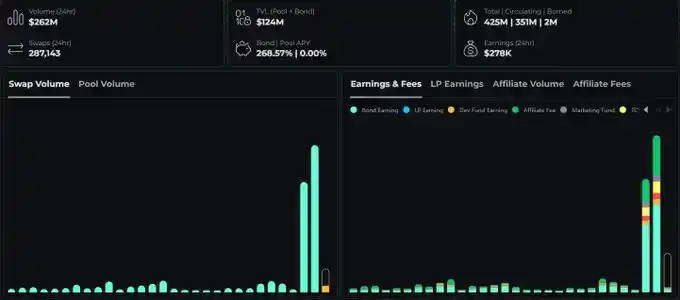
Within the same 24-hour window, the protocol generated $494,000 in revenue, shared among bonders (node operators), liquidity providers, the development fund, alliance integrators, and the marketing fund.

Simultaneously, funds also flowed through a set of smaller but complementary privacy rails:

· Umbra: A stealth address protocol on Ethereum. Allows sending funds to disposable addresses, only the recipient can calculate the address using a shared key. On-chain monitors cannot know the true destination. Initial activity of ~$78,000 was tracked here before tools lost the trail.

· Chainflip: Another cross-chain DEX, similar to THORChain.

· BitTorrent Chain: A low-cost, low-regulation sidechain connected to Tron.

· Tornado Cash: The same mixer used for the initial Gas pre-funding. The US Treasury Department sanctioned it in 2022.

Each layer of protocol increases the tracking cost by roughly a factor of 10. After 5 layers, forensic firms could theoretically still track every fragment, but the economic cost exceeds the recoverable value.

Phase 7: Bitcoin UTXO Fragmentation

Completing the ETH-to-BTC conversion via THORChain essentially turns the money into confetti.

Ethereum uses an account model; your balance is a number attached to an address, simple and direct. Bitcoin is different; it uses a UTXO (Unspent Transaction Output) model—each UTXO is a specific chunk of a coin with a complete transaction history. Every time you spend Bitcoin, these chunks are split and recombined, forming new chunks.
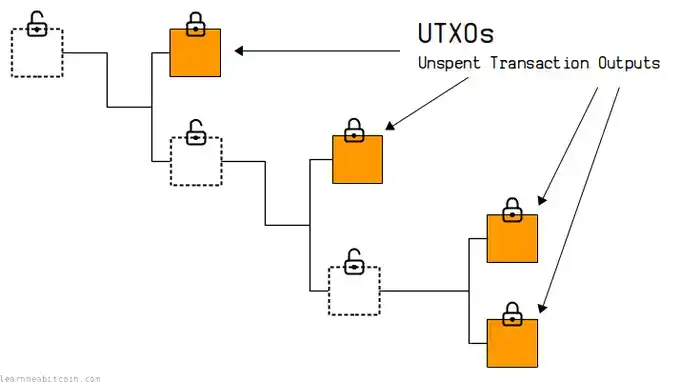
Imagine tearing a $100 bill into 87 pieces, then tearing each piece into another 87 pieces, repeating this cycle 7 times. Technically, every fragment can be traced back to that original bill. Practically, no manual forensic team can track thousands of parallel chains in real-time and piece together the complete picture fast enough to take action.

Thus, THORChain accomplished two things simultaneously: moving funds across a boundary no sanction could cross, and fragmenting the funds into untraceable dust.

Phase 8: Tron USDT Rail

After passing through Bitcoin and privacy layers, the funds reconverged on the same endpoint: USDT on Tron.

Most people assume the main battlefield for money laundering is BTC; this is incorrect. The real main battlefield is USDT on Tron. Data shows USDT-Tron consistently ranks first in annual illicit crypto asset transaction volume, exceeding the sum of all other chains.

In this Kelp fund flow, the specific path was: cross-chain transfer from BTC to Tron, exchange for USDT, then multiple transfers between Tron addresses. Each hop on Tron costs mere pennies, allowing for another 10 layers of fragmentation.

Phase 9: Cashing Out – Crypto to Cash

The endpoint of every hack sees the funds converted into fiat cash through a specific, well-known network of human intermediaries.

A group of over-the-counter (OTC) brokers active in mainland China and Southeast Asia receive USDT-Tron deposits and settle in local currency cash. These brokers are essentially unlicensed underground banks. They aggregate fund flows from multiple clients (compliant and non-compliant), net them internally, and settle in fiat via China's domestic payment network (UnionPay)—which operates completely outside the SWIFT system and Western sanction enforcement.
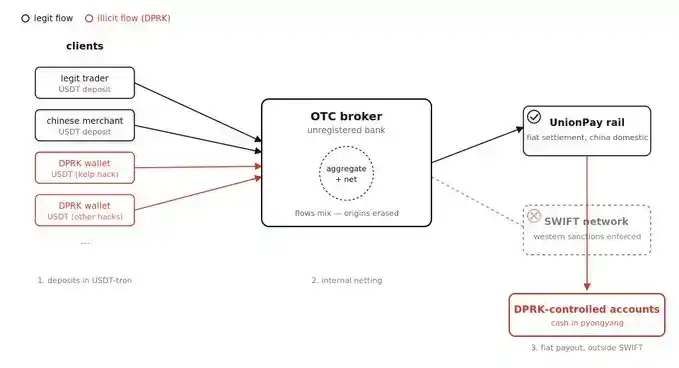
From accounts controlled by these brokers, funds flow into North Korean-controlled bank accounts, often held in the name of shell companies registered in Hong Kong, Macau, or third-party jurisdictions. From these accounts, funds are sent back to Pyongyang through Hawala-style informal clearing, physical cash transport, and procurement front companies.

The UN Security Council, FBI, and US Treasury Department have independently documented the final destination of these funds. North Korea's ballistic missile program, nuclear weapons development, and circumvention of international sanctions rely on the continuous support of such fund flows.

A 2024 UN report estimated that crypto hacks account for about 50% of North Korea's total foreign exchange income, making it the primary funding source for its weapons program—exceeding the sum of coal exports, arms sales, and labor exports.

[Original Title]

Трендовые криптовалюты

Связанные с этим вопросы

QWhat was the total amount stolen in the Kelp DAO attack and what was the primary method used to initially obscure the funds?

AApproximately $292 million was stolen. The primary method used to initially obscure the funds was using Tornado Cash, a cryptocurrency mixer, to fund the initial attack wallets, severing the on-chain link to their source.

QHow did the attacker convert the illiquid, marked rsETH tokens into liquid, 'clean' assets without crashing the market?

AThe attacker used DeFi lending protocols Aave and Compound as a laundering tool. They deposited the stolen rsETH as collateral and borrowed out approximately $190 million worth of liquid ETH and wstETH, effectively swapping the toxic assets for clean, fungible ones.

QWhich decentralized protocol served as the major 'exit vehicle' for the funds, and what two key functions did it perform?

ATHORChain served as the major exit vehicle. It performed two key functions: 1) It enabled cross-chain swaps (e.g., from ETH to BTC), moving funds across jurisdictional boundaries. 2) It exponentially increased tracking difficulty by fragmenting the funds through Bitcoin's UTXO model.

QAccording to the article, what is the final destination for most laundered crypto assets like those from this hack, and what stablecoin is predominantly used?

AThe final destination is the Tron blockchain, where the funds are predominantly converted into USDT (Tether). Tron's USDT is cited as the primary battlefield for illicit crypto asset transactions.

QWhat is the ultimate real-world outcome for the laundered funds, and how do they reportedly benefit the attacker's nation-state?

AThe funds are converted into fiat cash through a network of OTC brokers in Asia and then funneled to North Korea. According to UN reports, such funds are a primary source of foreign currency, supporting the nation's ballistic missile and nuclear weapons programs.

Похожее

TechFlow Разведслужба: Шансы на IPO Anthropic превышают 80%, Иран вновь перекрывает Ормузский пролив, вызывая волатильность цен на нефть

Технологические новости: ожидается IPO Anthropic в 2026 году, рынок обсуждает сосуществование её заявленной ценности в области безопасности ИИ с потенциальной триллионной оценкой. Набирают популярность виртуальные инфлюенсеры, созданные ИИ. Маск заявляет о необходимости астрономических инвестиций в антиматерию для межзвёздных путешествий. Крипто/Web3: Иран объявил о закрытии Ормузского пролива, вызвав волатильность на нефтяном рынке, однако данные о движении судов показывают неоднозначную картину. Одновременно Иран возобновил погрузку нефти на острове Харг, что может увеличить предложение. На рынке чипов: Goldman Sachs предупреждает о возможном приближении к пределу кредитования масштабных расходов на ИИ-инфраструктуру. Корпоративные новости: Cloudflare представил функцию временных аккаунтов для ИИ-агентов. Google сообщает, что более 50% его трафика теперь использует IPv6. Hyundai Motor Group планирует полный выкуп Boston Dynamics. Рынок акций: частные инвесторы активно вкладываются в акции SpaceX. В Европе зафиксирован первый с 2008 года дефолт по акциям CLO. Макроэкономика: Украина атаковала нефтяные объекты в Крыму и Краснодарском крае. Nomura предупреждает о возможном резком ужесточении политики ФРС. Общая тенденция: глобальная ликвидность сокращается на фоне роста предельных издержек в энергетике, кредитовании и технологиях, в то время как капитал продолжает искать новые масштабные возможности для роста.

marsbit42 мин. назад

TechFlow Разведслужба: Шансы на IPO Anthropic превышают 80%, Иран вновь перекрывает Ормузский пролив, вызывая волатильность цен на нефть

marsbit42 мин. назад

Соотношение ETH/BTC упало до уровней начала 2023 года на фоне дебатов о стоимости Ethereum

Курс ETH/BTC упал до уровня начала 2023 года, достигнув отметки 0.027. По сравнению с пиком 2021 года в 0.088 это означает, что Ethereum сейчас выглядит исторически дешевым по отношению к Bitcoin. Аналитик Woetoe задается вопросом, является ли это возможностью для контрарианских инвестиций или признаком структурного снижения. Одновременно с этим график ETH/USDT указывает на риск коррекции. По данным SwallowAcademy, после агрессивного недельного открытия цена может откатиться, при этом была нарушена структура рынка. План предполагает возможную продажу при повторном тестировании зоны $1723 с целью коррекции до $1660. Таким образом, сложилась противоречивая ситуация: Ethereum кажется недооцененным относительно Bitcoin, но при этом испытывает давление на долларовой паре. Для быков ETH первоочередной задачей является не обсуждение оценки, а восстановление технической силы и возобновление роста относительно BTC.

bitcoinist48 мин. назад

Соотношение ETH/BTC упало до уровней начала 2023 года на фоне дебатов о стоимости Ethereum

bitcoinist48 мин. назад

Охотник сам становится добычей: самый прибыльный MEV-бот был взломан

**Взлом высокодоходного MEV-бота Jaredfromsubway.eth: убыток составил $7.5 млн** Знаменитый и печально известный MEV-бот Jaredfromsubway.eth, один из самых активных и прибыльных на сети Ethereum, стал жертвой сложной цепной атаки, потеряв более 7.5 миллионов долларов. Атака, произошедшая в субботу, не была традиционным фишингом или эксплуатацией уязвимости смарт-контракта. Вместо этого злоумышленники применили целенаправленную «контр-MEV-атаку с помощью ловушки» (counter-MEV honeypot attack). В течение нескольких недель атакующие развернули 66 поддельных контрактов токенов и фальшивых пулов ликвидности, искусно замаскированных под популярные активы, такие как WETH, USDC и USDT. Они создали иллюзию прибыльных арбитражных возможностей. Автоматизированная система бота, обнаружив эти «возможности», выполнила транзакции, в процессе чего предоставила разрешения (approve) контролируемым атакующими вспомогательным контрактам. Не отозвав эти разрешения вовремя, бот оставил свои средства уязвимыми. В итоге атакующие в одной транзакции воспользовались «бэкдором» и вывели ETH, USDC и USDT с адреса бота. Jaredfromsubway.eth был ключевым исполнителем «сэндвич-атак» (Sandwich Attack) в Ethereum, систематически извлекая прибыль из мемпула. По некоторым данным, он был связан с примерно 70% таких атак в сети за последний год и заработал десятки миллионов долларов. Этот инцидент демонстрирует, что даже самые изощренные цепочки атак в криптопространстве теперь сами могут стать мишенью для еще более сложных стратегий. После взлома в X появился фейковый аккаунт, выдав себя за команду бота, что побудило экспертов призвать пользователей к бдительности.

Odaily星球日报2 ч. назад

Охотник сам становится добычей: самый прибыльный MEV-бот был взломан

Odaily星球日报2 ч. назад

Платежная реальность Латинской Америки совсем не такая, как вы думаете

Автор провела почти месяц в Латинской Америке, проведя более 500 часов полевых исследований и пообщавшись с более чем 100 местными пользователями, разработчиками и регуляторами. Ее выводы противоречат распространенным представлениям. 1. Основной объем операций с криптокартами приходится на состоятельных клиентов, которые получают зарплату в долларах или USDT и конвертируют их в местную валюту через Pix, а не на розничные покупки. 2. QR-платежи доминируют в большинстве развивающихся стран (Бразилия, Китай, Индия и др.), тогда как рынки США и Европы все еще ориентированы на карты. Pix в Бразилии обрабатывает больше транзакций, чем кредитные и дебетовые карты вместе взятые. 3. Ключевая нерешенная проблема — отсутствие международной совместимости между системами мгновенных платежей (Pix, UPI, CoDi и др.), что затрудняет платежи иностранцев. 4. Конкуренция смещается от привлечения клиентов к контролю над расчетной инфраструктурой; ведущие компании приобретают банки для ускорения расчетов и снижения затрат. 5. Латиноамериканский рынок крайне неоднороден: Бразилия, Мексика, Аргентина и другие страны имеют разные валютные режимы и модели поведения пользователей. 6. Маржа на конвертацию стабильных монет стремительно сокращается, приближаясь к нулю. Будущие победители создадут ценность поверх дешевых конвертационных услуг. 7. Новые платежные компании должны с самого начала создавать узнаваемый международный бренд и кросс-граничную технологическую платформу. 8. Бразилия и Мексика — перенасыщенные рынки. Перспективными являются менее конкурентные коридоры, такие как "забытая пятерка" стран (Доминикана, Гватемала, Гондурас, Никарагуа, Сальвадор) или маршруты Колумбия-Европа. 9. Маркетинг должен быть точно сегментирован. Например, в Бразилии минимум 5 различных групп пользователей с уникальными денежными потоками и потребностями. 10. Регуляторы Латинской Америки (Бразилия, Мексика, Колумбия) часто опережают США в создании четких рамок для криптовалют и цифровых платежей, стремясь не запрещать, а сделать их безопаснее. Главный вывод: победа в платежной сфере Латинской Америки зависит не от копирования западных моделей, а от понимания локальных реалий, адаптации к доминированию QR-платежей и построения инфраструктуры для международной совместимости.

marsbit2 ч. назад

Платежная реальность Латинской Америки совсем не такая, как вы думаете

marsbit2 ч. назад

Делать музыку в медвежьем рынке: выживающий эксперимент биткоин-группы

В условиях медвежьего рынка криптовалют группа Orange Pill Jam продолжает записывать музыку, сосредоточенную на темах финансового суверенитета, приватности и критики современных систем. Их стиль варьируется от гипси-регги до афро-латинских и хип-хоп ритмов. Несмотря на скромное присутствие на YouTube и Spotify, группа находит отклик в определённых кругах, стремясь создавать музыку, доступную как понимающим, так и не знакомым с биткоином. История началась с импровизированного выступления на конференции Plan B Forum в Лугано в 2022 году. Вокалистка Mermaid, вдохновлённая подкастом Макса Кейзера, написала песню "Dollar Apocalypse". Это событие привело к формированию коллектива с продюсером и мультиинструменталистом Michi, который отвечает за аранжировки и ритм, и менеджером Martino. В песнях, таких как "Cypherpunks' Manifesto" и "Fire of Freedom", группа исследует идеи приватности, опасности "бесплатных" продуктов и личной свободы, находя вдохновение в принятии биткоина Сальвадором. Отношение группы к искусственному интеллекту в музыке философское: они видят в нём инструмент для рутинных задач, но не для подлинного творчества, которое рождается из человеческого намерения и инстинкта. Практические вызовы включают монетизацию по модели copyleft с добровольными взносами в биткоинах, сложности с продвижением в эпоху алгоритмов и поиск подходящих концертных площадок. Их проект представляет собой эксперимент по сохранению человеческого, не поддающегося оптимизации творческого процесса — в медвежьем рынке и эпоху ИИ именно такая аутентичность становится самой ценной валютой.

marsbit2 ч. назад

Делать музыку в медвежьем рынке: выживающий эксперимент биткоин-группы

marsbit2 ч. назад

Торговля

Спот
Фьючерсы

Популярные статьи

Как купить DAO

Добро пожаловать на HTX.com! Мы сделали приобретение DAO Maker (DAO) простым и удобным. Следуйте нашему пошаговому руководству и отправляйтесь в свое крипто-путешествие.Шаг 1: Создайте аккаунт на HTXИспользуйте свой адрес электронной почты или номер телефона, чтобы зарегистрироваться и бесплатно создать аккаунт на HTX. Пройдите удобную регистрацию и откройте для себя весь функционал.Создать аккаунтШаг 2: Перейдите в Купить криптовалюту и выберите свой способ оплатыКредитная/Дебетовая Карта: Используйте свою карту Visa или Mastercard для мгновенной покупки DAO Maker (DAO).Баланс: Используйте средства с баланса вашего аккаунта HTX для простой торговли.Третьи Лица: Мы добавили популярные способы оплаты, такие как Google Pay и Apple Pay, для повышения удобства.P2P: Торгуйте напрямую с другими пользователями на HTX.Внебиржевая Торговля (OTC): Мы предлагаем индивидуальные услуги и конкурентоспособные обменные курсы для трейдеров.Шаг 3: Хранение DAO Maker (DAO)После приобретения вами DAO Maker (DAO) храните их в своем аккаунте на HTX. В качестве альтернативы вы можете отправить их куда-либо с помощью перевода в блокчейне или использовать для торговли с другими криптовалютами.Шаг 4: Торговля DAO Maker (DAO)С легкостью торгуйте DAO Maker (DAO) на спотовом рынке HTX. Просто зайдите в свой аккаунт, выберите торговую пару, совершайте сделки и следите за ними в режиме реального времени. Мы предлагаем удобный интерфейс как для начинающих, так и для опытных трейдеров.

564 просмотров всегоОпубликовано 2024.04.12Обновлено 2026.06.02

Как купить DAO

Объяснение Залога Ликвидности HTX DAO

"Залог ликвидности" - это инновационная стратегия управления токенами, представленная HTX DAO.

1.6k просмотров всегоОпубликовано 2024.08.09Обновлено 2024.08.09

Объяснение Залога Ликвидности HTX DAO

Обсуждения

Добро пожаловать в Сообщество HTX. Здесь вы сможете быть в курсе последних новостей о развитии платформы и получить доступ к профессиональной аналитической информации о рынке. Мнения пользователей о цене на DAO (DAO) представлены ниже.

活动图片