比索失守前夜:阿根廷人用加密货币守护最后的价值

marsbitОпубликовано 2025-10-23Обновлено 2025-10-24

在中期选举临近之际,阿根廷总统哈维尔・米莱收紧外汇管制以支撑比索汇率,而 Ruben López 等阿根廷民众正转向加密货币以保护自身储蓄。
外汇管制

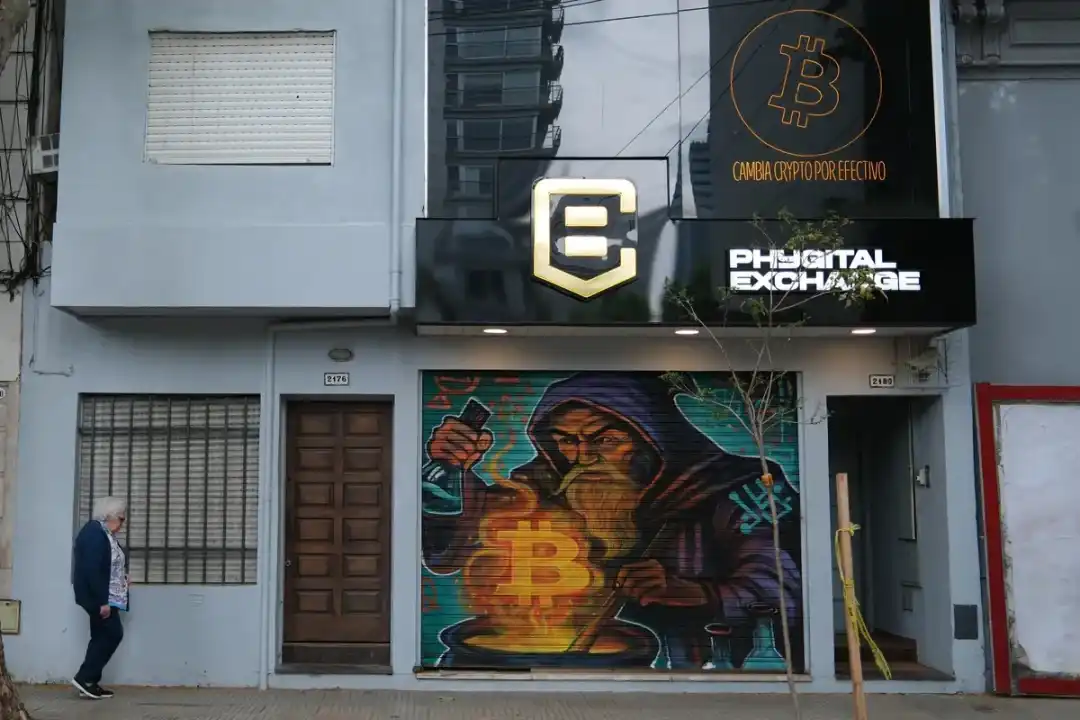
布宜诺斯艾利斯一家加密货币交易所外的比特币标识

一种新策略应运而生:利用与美元 1:1 锚定的稳定币,撬动阿根廷官方汇率与平行市场汇率的差价,目前官方汇率下的比索价值,比平行市场高出约 7%。加密货币经纪商表示,这套交易流程如下:先买入美元,立即兑换为稳定币;再将稳定币兑换为平行市场汇率下更便宜的比索。这种被称为「rulo」的套利操作,每笔交易可快速赚取高达 4% 的利润。

外汇管制

10 月 17 日,米莱在布宜诺斯艾利斯的竞选集会上

「我每天都做这笔交易,」布宜诺斯艾利斯的股票经纪人 López 表示,他借助加密货币抵御通胀。

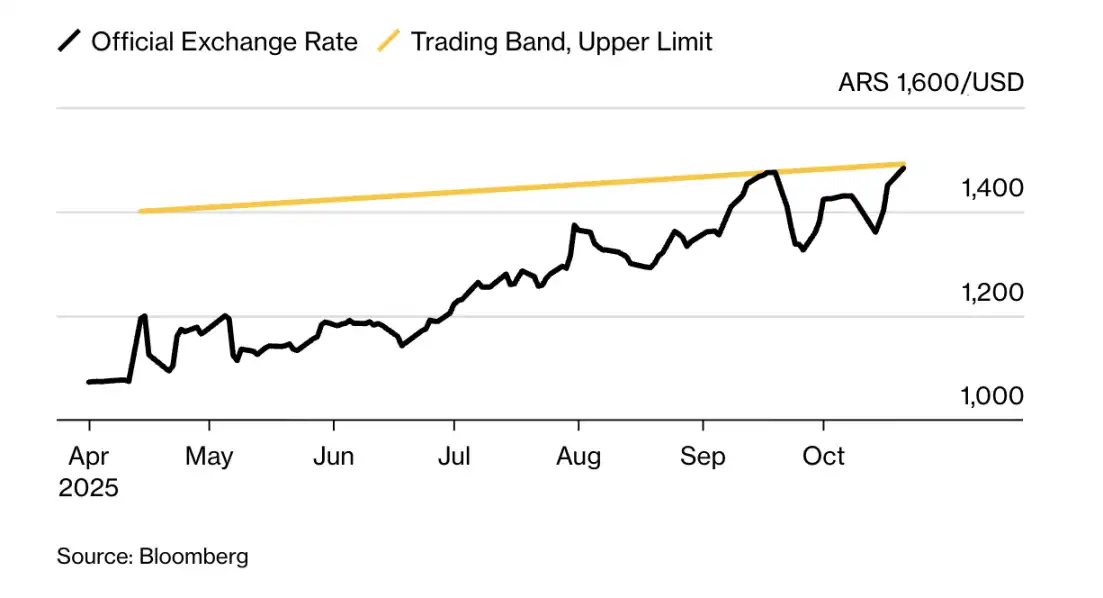
这种加密货币操作,折射出阿根廷民众应对新一轮经济动荡的方式已发生转变。10 月 26 日选举前,阿根廷正耗尽美元储备以提振比索、防止汇率突破交易区间。即便有美国的大量支持,投资者仍预计选举后比索将进一步贬值。

阿根廷央行近期出台新规,禁止民众在 90 天内转售美元,以遏制快进快出的套利交易,而「rulo」套利模式几乎随即出现。10 月 9 日,交易平台 Ripio 表示,「稳定币兑比索的交易量单周激增 40%」,原因是「用户正利用汇率波动与市场机会获利」。

对部分阿根廷民众而言,这类操作实属必要。毕竟,这个国家在本世纪已三次债务违约。米莱在 2023 年当选时,曾承诺终结这些金融困境。他确实取得了一些成效,例如将年度通胀率从近 300% 降至约 30%;但比索汇率仍大幅贬值,一方面源于米莱上任时推行的本币贬值政策,另一方面则是近期投资者对选举的担忧加剧。
外汇管制

比索汇率逼近交易区间上限


「rulo」套利现象表明,加密货币在阿根廷的角色已发生质变:从曾让包括米莱本人在内的民众好奇尝试的新鲜事物,转变为民众保护储蓄的金融工具。在美国,加密货币常被用作投机工具;但在拉丁美洲,它已成为寻求稳定的选择。在阿根廷、委内瑞拉、玻利维亚等国,加密技术可帮助人们规避「本币波动、高通胀、严格外汇管制」的三重压力。

「我们为用户提供用比索或美元购买加密货币、再出售获利的渠道——这是我们的日常业务,」当地加密货币交易所 Belo 的首席执行官 Manuel Beaudroit 表示,「显然,汇率差能带来可观利润。」他提到,近几周交易者每笔交易可赚 3%-4%,但也提醒「这种收益水平非常罕见」。

玻利维亚拉巴斯一家商店外的加密货币兑换服务

其他交易平台也出现了类似的情况。另一家本土平台 Lemon Cash 表示,10 月 1 日阿根廷央行 90 天禁售美元新规生效当天,其加密货币总交易量(包括买卖、兑换)较平均水平激增 50%。

「稳定币无疑是获取更便宜美元的工具,」另一家交易平台 Bitso 的阿根廷区负责人 Julián Colombo 指出,「加密货币仍处于监管空白期,政府尚未明确如何管控稳定币或限制其流动性,这为『rulo』套利的兴起创造了条件。」

不过,稳定币交易的增长并非仅因套利。随着米莱政府面临关键选举、经济再次承压,许多阿根廷民众也将加密货币用作对冲比索可能进一步贬值的工具。

「通胀与政治不确定性让我们变得更保守,所以我没有任何比索储蓄或投资,只把比索用于日常开支,」阿根廷「加密货币女性联盟」负责人 Nicole Connor 表示,「我的储蓄都放在加密货币和稳定币里,并尝试通过它们获取收益。」

外汇管制

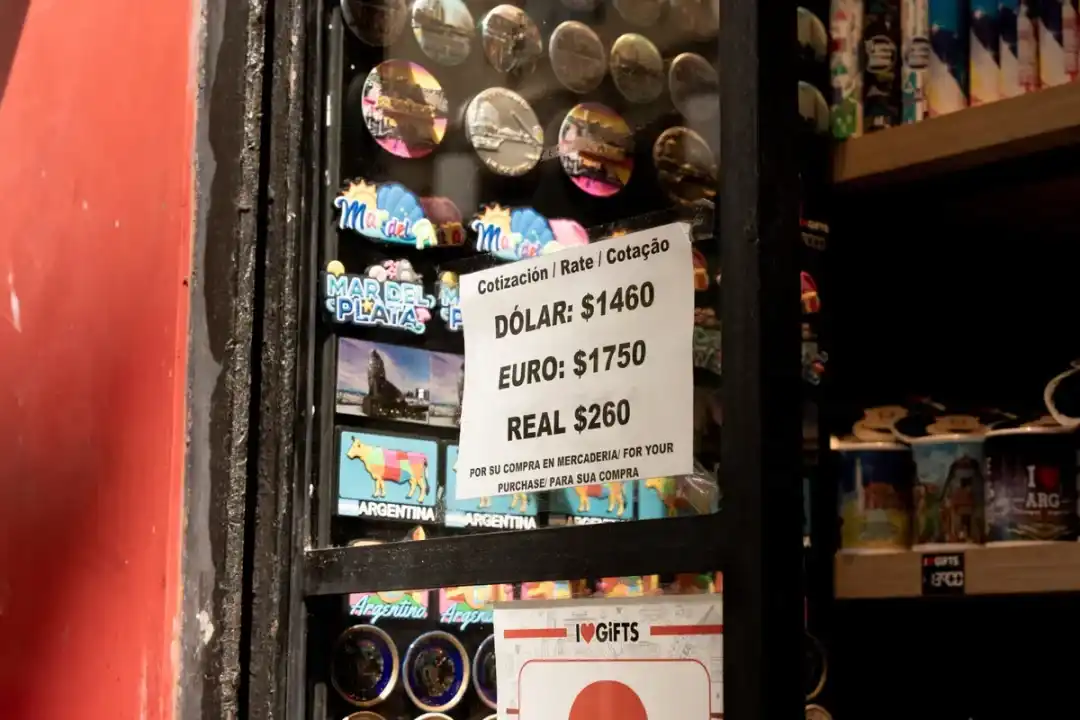
布宜诺斯艾利斯一家商店内的汇率标识


尽管如此,加密货币操作并非毫无风险。在阿根廷,股票市场交易可免税,但加密货币交易利润需缴纳最高 15% 的税费;此外,频繁交易也可能引发银行关注,对于反复进行大额转账的用户,银行常要求提供资金来源证明。

但分析师认为,随着经济困境持续,阿根廷对稳定币的依赖可能会加深;在整个拉丁美洲,越来越多人正通过这类工具保护资产,以抵御财政动荡与选举冲击。

「稳定币会一直存在,」股票经纪人 López 说,「美元在阿根廷社会和日常生活中占据重要地位,因为它是我们规避本币风险的避风港。」

Похожее

380,000 Apps Exposed, 2,000+ Apps Leaked Secrets: AI Programming Turns 'Intranet' into Public Internet

Israeli cybersecurity firm RedAccess uncovered a severe data exposure trend linked to "vibe coding" or AI-powered software development tools. Their research found approximately 38,000 publicly accessible web applications built with platforms like Lovable, Base44, Netlify, and Replit. Of these, an estimated 2,000 apps exposed sensitive corporate and personal data, including medical records, financial information, internal strategic documents, and customer chat logs. In some cases, access even granted administrative privileges. The core issue stems from default privacy settings that make applications public by default, combined with a lack of built-in security controls (like authentication) in the AI-generated code. This allows employees without security expertise—"citizen developers"—to easily create and deploy applications that bypass standard corporate security reviews. The exposed apps, often indexed by search engines, are trivially discoverable. While some platform providers (Replit, Lovable, Wix/Base44) argue that security configuration is the user's responsibility and question the validity of some findings, security researchers confirm the widespread reality of such exposures. This pattern, also noted in prior studies, highlights a critical security gap as AI democratizes app creation, potentially leading to massive, unintentional data leaks.

marsbit33 мин. назад

380,000 Apps Exposed, 2,000+ Apps Leaked Secrets: AI Programming Turns 'Intranet' into Public Internet

marsbit33 мин. назад

Attracting Global Capital, Asia's New 'Super Cycle' Is Unfolding

Investors are turning to Asia as the next frontier for global equity growth, with a new "super cycle" unfolding across the region. Driven by the AI revolution, Asian markets, particularly South Korea, have seen significant rallies. According to Morgan Stanley analysis, the underlying drivers of Asia's industrial cycle are shifting from traditional sectors like real estate and manufacturing to massive investments in AI infrastructure, energy security and transition, and supply chain resilience. Fixed asset investment in Asia is projected to grow from around $11 trillion in 2025 to $16 trillion by 2030, with a 7% annual growth rate from 2026-2030. The AI wave is a primary catalyst, driving immense capital expenditure for chips, servers, data centers, and power systems. Asia is central to this hardware supply chain. In China, AI investment is focused on building a full-system domestic capability, with the local AI chip market potentially reaching $86 billion by 2030. Beyond AI, China's export story is expanding from EVs and batteries to robotics. The country already captures about half of new global industrial robot demand and over 90% of humanoid robot shipments. This growth phase mirrors the early stages of China's EV export boom. Simultaneously, energy security investments, spurred by AI's massive power needs, are rising, with China benefiting from its leadership in solar, batteries, and EVs. Regional defense spending is also increasing structurally, supporting demand for advanced manufacturing. The main beneficiaries are China, South Korea, and Japan, positioned in core supply chain areas. However, risks remain, including potential overcapacity, profit margin pressures from competition, persistent technological restrictions, geopolitical friction, and workforce displacement due to AI-driven automation. Market volatility is also expected to increase as investor expectations diverge on the realization of these capital investment and export themes.

marsbit34 мин. назад

Attracting Global Capital, Asia's New 'Super Cycle' Is Unfolding

marsbit34 мин. назад

Funding Weekly Report | 14 Public Funding Events, Kalshi Completes $10B New Funding Round at $220B Valuation Led by Coatue Management

Weekly Funding Roundup: 14 Deals and $10.49B+ in Total Funding, Led by Kalshi's $1B Round Last week (5.4-5.10) saw 14 notable funding events in the global blockchain ecosystem, raising over $10.49 billion in total. Key highlights include Kalshi, a prediction market platform, securing a $1 billion round led by Coatue Management, reaching a $22 billion valuation. The platform now boasts ~2 million MAUs and $178B in annualized trading volume. In DeFi, regulated on-chain reinsurer OnRe raised $5 million in Series A funding, and Bitcoin-backed credit protocol Saturn Credit completed a $2 million seed round. For Infrastructure & Tools, OpenTrade raised $17 million to expand its stablecoin yield infrastructure, and RWA platform Balcony secured $12.7 million to deploy its property settlement service in the US. Centralized Finance saw one deal: AI-driven trading platform Stockcoin.ai completed a seed round led by Amber Group. In the prediction market sector alongside Kalshi, AI-powered platform Elastics raised $2 million. Other notable deals include SC Ventures' strategic investment in crypto market maker GSR and Centrifuge securing a "seven-figure" investment from Coinbase to become a core RWA partner for Base. On the investor side, Haun Ventures raised a new $1 billion fund targeting crypto and AI, and Multi Investment raised ~$616 million to focus on blockchain and Web3 investments.

marsbit1 ч. назад

Funding Weekly Report | 14 Public Funding Events, Kalshi Completes $10B New Funding Round at $220B Valuation Led by Coatue Management

marsbit1 ч. назад

Торговля

Спот
Фьючерсы
活动图片