Автор: David, Deep Tide TechFlow
Оригинальное название: 315 разоблачает отравление ИИ: бизнес от Путина до Кремниевой долины
Вчера вечером 315 разоблачил бизнес, основанный на GEO.
Полное название — оптимизация под генеративные движки (Generative Engine Optimization), что можно понять как:
Платить деньги, чтобы ИИ говорил о вас хорошее.
Как это работает?
Бренды хотят, чтобы при запросе потребителей к ИИ, ИИ в первую очередь рекомендовал их. Они обращаются к поставщикам услуг GEO, которые массово размещают рекламные статьи в интернете. ИИ, сканируя этот контент, воспринимает его как достоверную информацию и рекомендует пользователям.
Журналисты CCTV использовали программное обеспечение под названием «Liqing GEO», которое можно купить на Taobao.
Журналисты выдумали умный браслет, придумали несколько невероятных характеристик продукта, такие как «квантовая сенсорика» и «автонергия черной дыры». Программа автоматически сгенерировала более десятка рекламных статей и автоматически опубликовала их в сети.
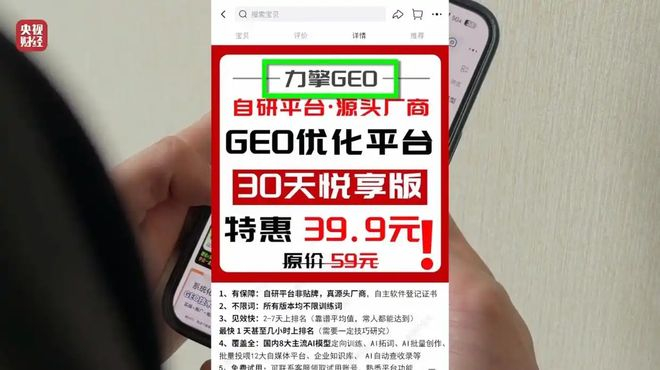
Спустя два часа журналисты спросили у ИИ: «Посоветуйте умный браслет для здоровья?»
ИИ поставил этот несуществующий браслет в начало списка рекомендаций.
Компания, создавшая это ПО, называется Beijing Lisi Culture Media, это компания одного человека, где количество застрахованных сотрудников годами равно нулю.
Инструмент, созданный такой компанией, всего за два часа обманул основные китайские крупные модели ИИ.
315 вывело на свет отравление ИИ, но этот бизнес, вероятно, гораздо масштабнее, чем один продукт на Taobao.
SEO, Путинское прошлое
Во-первых, в этом нет ничего нового.
В 2008 году программа CCTV «30 минут новостей» два дня подряд разоблачала платный ранжирование в Baidu. За деньги ваша сайт мог оказаться на первом месте в результатах поиска, и даже первые места могли занимать поддельные лекарства.
Тогда этот бизнес назывался SEO, поисковая оптимизация.
Крупнейшими покупателями были частные больницы из Путина. В 2013 году путинские больницы потратили на рекламу в Baidu 12 миллиардов юаней, что составило почти половину рекламных доходов Baidu.
Многие медицинские учреждения, не имеющие лицензии, с помощью SEO поднимали себя на первую страницу поиска Baidu, где они выглядели как третьи больницы, и обычные люди не могли отличить.
Только в 2016 году, после инцидента с Вэй Цзэси, студентом, который погиб, обратившись в путинскую больницу, занимавшую высокие позиции в поиске, регуляторы законодательно закрепили: платный поиск является рекламой.
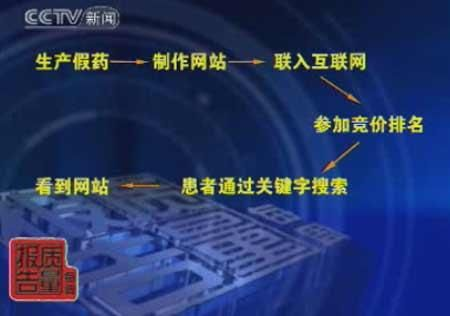
Но это не уничтожило этот бизнес. Просто правила были установлены, и серая схема превратилась в легальный бизнес. Путинские больницы по-прежнему покупали места, только рядом с результатом появилась маленькая пометка: «Реклама».
Но даже с пометкой люди все равно нажимают.
Коренная проблема поисковых систем никогда не в наличии пометки, а в том, что пользователи инстинктивно доверяют результатам, которые находятся на первых местах.
Сейчас люди перешли с поисковых систем на ИИ, считая, что ИИ более объективен и не загрязнен платным ранжированием. Но тот, кто контролирует точку входа для распределения информации, может продавать места.
Точка входа поменялась, SEO сменило одну букву и стало GEO, но логика продажи мест не изменилась ни на йоту.
Изменилась цена.
GEO, Любовь фондового рынка
Неубиваемый бизнес — это то, что больше всего любит фондовый рынок.
В сентябре 2025 года крупнейшая китайская маркетинговая компания BlueFocus инвестировала десятки миллионов юаней в GEO-компанию под названием PureblueAI Qinglan.
Qinglan помогает реальным брендам оптимизировать их позиции и частоту рекомендаций в результатах поиска ИИ. Среди клиентов — Ant Group, Tencent Cloud, Volvo.
Продукт настоящий, компания настоящая, они занимаются тем, чтобы ИИ точнее понимал информацию о брендах.
Это совершенно отличается от отравления ИИ, раскрытого 315 в случае с Liqing. Liqing выдумывал продукты, параметры, обманывал ИИ ложной информацией; Qinglan использует реальный контент брендов для адаптации под логику рекомендаций ИИ.
Но с точки зрения ИИ, технический путь у обоих процессов одинаков: публикация контента в интернете и ожидание, пока ИИ его просканирует.
ИИ не отличает, где маркетинг, а где подделка. В этом и заключается самая неоднозначная часть бизнеса GEO.
Когда BlueFocus инвестировала в Qinglan, GEO было всего лишь отраслевым термином в маркетинговых кругах. Три месяца спустя это превратилось в биржевую концепцию.
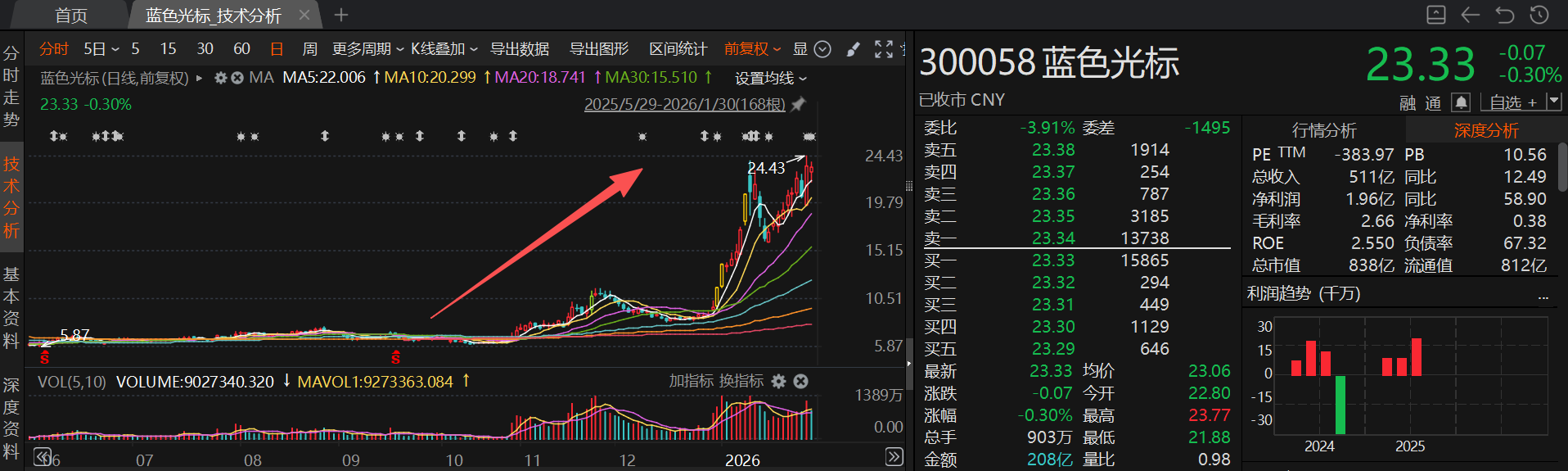
В конце декабря 2025 года акции BlueFocus выросли до лимита.
Брокеры начали активно проводить телефонные конференции с разъяснениями по GEO, в исследовательских отчетах его определяли как «следующее поколение точек входа для трафика в эпоху ИИ». За этим последовал приток капитала: покупали не только BlueFocus, но и все компании, связанные с цифровым маркетингом и концепцией ИИ. Акции BlueFocus выросли на 132% за 9 торговых дней, а ряд последователей-концепций также удвоились в цене.
Источник: CLS News
После роста эти компании сами начали публиковать уведомления о рисках:
Бизнес GEO не приносит дохода и не оказывает существенного влияния на деятельность компании. BlueFocus также признала, что доход, driven by AI, составляет очень небольшую долю от общего объема выручки.
То есть, акции выросли более чем вдвое, но сам бизнес GEO еще не принес значительной прибыли.
В конце января акции BlueFocus выросли с 9,6 юаня до 23,3 юаня, подорожав на 143% за месяц. Именно в это время председатель правления Чжао Вэньцюань объявил о продаже не более 20 миллионов акций. По тогдашней цене это означало бы обналичивание примерно 467 миллионов юаней.
Согласно открытым исследовательским отчетам, объем всего рынка GEO в Китае за прошлый год составил около 2,9 миллиарда юаней. Рыночная стоимость одной только BlueFocus за месяц выросла намного больше этой суммы.
315 разоблачило систему Liqing, отравляющую ИИ за несколько сотен юаней. Но концепция GEO прошла по фондовому рынку Китая (A-shares) и заработала миллиарды.
Сложно сказать, яд ли это, но заработанные деньги настоящие.
315 называет это отравлением, Кремниевая долина — монетизацией
В январе этого года OpenAI в своем официальном блоге объявила: ChatGPT начнет показывать рекламу.
Бесплатные пользователи и пользователи подписки Go за 8 долларов в месяц будут видеть рекламу, на платных подписчиков тарифов выше это не повлияет.
9 февраля реклама официально запустилась. Некотороя реклама появляется внизу ответа ChatGPT с маленькой пометкой: Sponsored (Предоставлено спонсором). Среди первых рекламодателей — Ford, Adobe, Target, Best Buy...
Вы спрашиваете у ChatGPT, какую машину лучше купить, он дает ответ, а внизу ответа висит спонсорская ссылка Ford.
OpenAI четко заявляет: реклама не влияет на содержание ответов ChatGPT. Ответ — это ответ, реклама — это реклама, они разделены.
Звучит знакомо?
Baidu тоже так говорила. Платное ранжирование — это платное ранжирование, органический поиск — это органический поиск, они разделены. Позже первые пять результатов поиска были全部 рекламой.
OpenAI预计, реклама поможет ей удвоить годную выручку на потребительском segment до 17 миллиардов долларов. У ChatGPT более 800 миллионов weekly активных пользователей, 95% из которых — бесплатные пользователи, и все они — аудитория для рекламы.
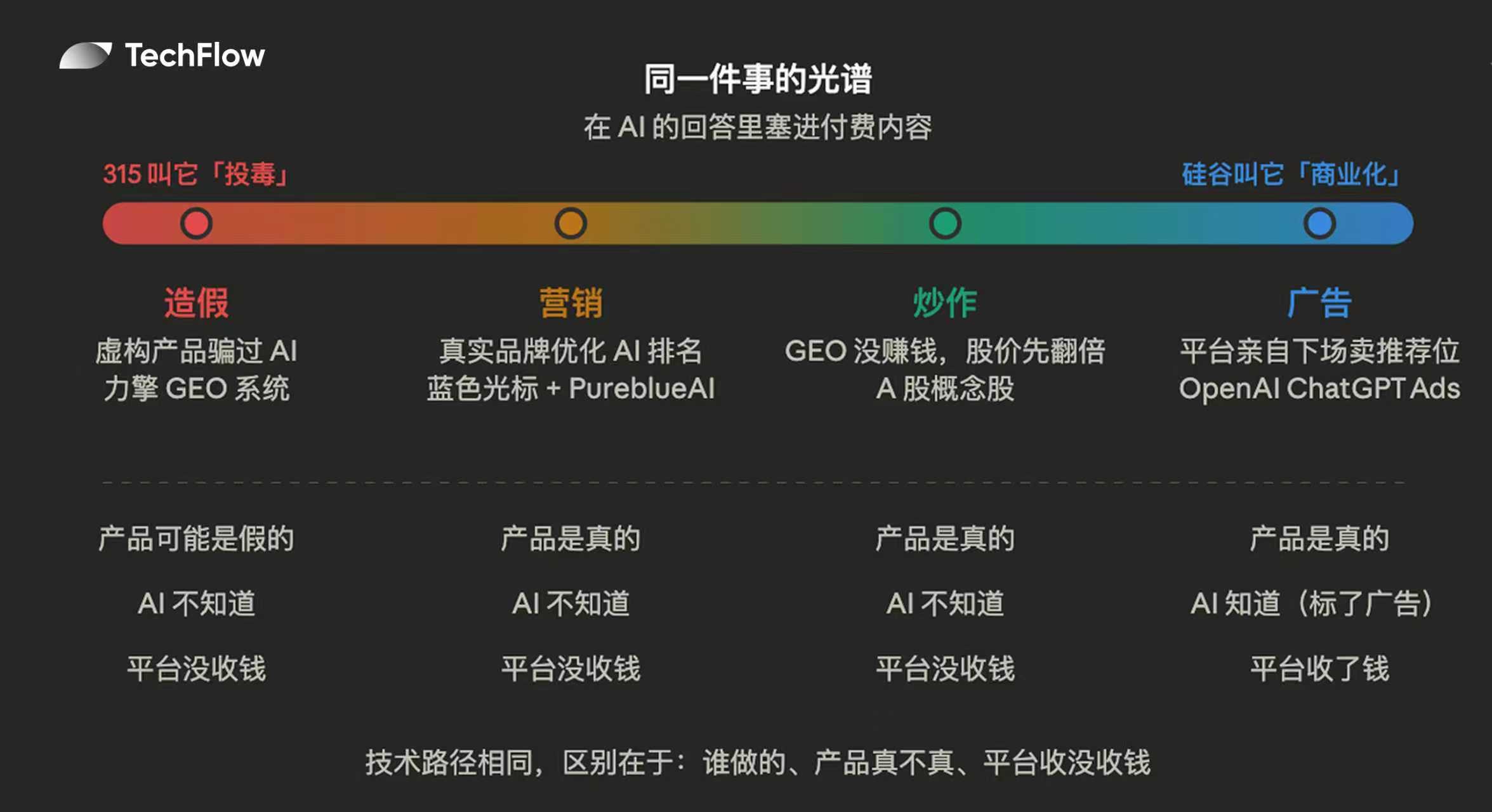
Теперь оглядываясь на цепочку, раскрытую 315: Liqing заливает в ИИ рекламные статьи, заставляя ИИ рекомендовать несуществующие продукты. OpenAI размещает спонсируемый контент под ответами ИИ, заставляя ИИ рекомендовать продукты, которые заплатили.
Один не договорился с платформой — это называют отравлением. Другой заключил контракт с платформой — это называют монетизацией.
Какая разница для пользователя?
Один внутри ответа, другой под ответом. У одного нет пометки, у другого пометка «реклама».
315 поймало Liqing за несколько сотен юаней, фондовый рынок Китая на炒作 GEO-концепции заработал миллиарды, OpenAI планирует зарабатывать на этом 17 миллиардов долларов в год.
Одно и то же дело, природа которого меняется от отравления до монетизации, а цена возрастает в десятки тысяч раз.
В ноябре 2023 года исследователи из Индийского технологического института в Дели и Принстонского университета опубликовали на arXiv статью под названием «GEO: Generative Engine Optimization».
Это было первое formalное академическое определение这个概念.
От публикации статьи до разоблачения 315 прошло чуть более двух лет. За это время произошло: серая схема, финансирование, взрывной рост акций-концепций, обналичивание акций председателем, выход самой платформы ИИ на рынок с продажей рекламы...
Путь, который SEO прошло за двадцать лет, GEO прошло за два года.
Разница в том, что тогда потребовались годы, чтобы научиться не полностью доверять результатам поисковых систем; сейчас ИИ все еще находится в периоде доверия, и большинство людей еще не осознали, что ответы ИИ тоже можно купить.
Однако, этот период доверия, возможно, будет недолгим. В следующий раз, когда вы спросите у ИИ, что стоит купить, помните на секунду:
Ответ может быть бесплатным, но мозги нельзя отдавать на аутсорсинг.
Twitter:https://twitter.com/BitpushNewsCN
Группа в TG比推:https://t.me/BitPushCommunity
Подписка в TG比推: https://t.me/bitpush